


In this article
- Why do some car accident claims take longer to settle?
- How can medical treatment affect the settlement timeline?
- Why can evidence and fault disputes slow a claim?
- How do insurance coverage issues affect settlement timing?
- Why can settlement negotiations take time?
- What can you do when a claim is moving slowly?
- Which parts of a car accident claim vary by state?
- Frequently Asked Questions
- Next Steps
Some car accident claims take longer to settle because the injured person’s medical condition is still changing, responsibility for the crash is disputed, or important evidence and insurance details need investigation. Negotiations can also take time when the parties disagree about how losses should be evaluated. A claim’s timeline depends on its specific facts and applicable state rules.
Key Facts
- A claim may take longer while injuries and future treatment needs remain uncertain.
- Disputed fault can require additional evidence and investigation.
- Insurance coverage limits and policy terms may affect negotiations.
- A settlement generally involves resolving the claim in exchange for agreed compensation.
- State laws can affect deadlines, fault rules, and other parts of a claim.
Why do some car accident claims take longer to settle?
Some car accident claims take longer because the insurer and the injured person may need time to understand the injuries, establish how the crash happened, and evaluate the losses. A claim may move more slowly when any of those issues is uncertain or contested.

A straightforward claim may have clear evidence about fault, completed medical treatment, and no major disagreement about the losses. Other claims involve multiple vehicles, conflicting accounts, missing records, or questions about whether a condition was caused by the crash. Each unresolved issue can require more review before meaningful settlement discussions can happen.
The process can also involve several parties, such as more than one insurer or a business connected to the crash. Getting records and responses from different organizations may take time. For an overview of common claim issues, visit our Car Accidents page.
- Identify which issues remain unresolved, such as treatment, fault, or available coverage.
- Keep track of requests for information and the responses you receive.
- Ask the insurer or your representative to explain the reason for a delay in plain language.
How can medical treatment affect the settlement timeline?
Medical treatment can affect timing because the full extent of an injury may not be clear early in recovery. If treatment is ongoing or a doctor has not yet assessed lasting effects, the parties may not have enough information to evaluate the claim with confidence.

Medical records help document diagnoses, treatment, symptoms, and how an injury affects daily activities. Collecting records from different providers can take time, and insurers may ask for additional documentation before considering a demand. A gap in care or a dispute about whether a condition is related to the crash can lead to further questions.
Waiting for a clearer medical picture can help prevent an incomplete evaluation, but the decision to settle involves tradeoffs. A settlement usually resolves claims covered by the agreement, so accepting one before understanding your medical needs can have significant consequences. The right timing depends on the facts, the treatment outlook, and the terms being discussed.
Keep copies of bills, visit summaries, referrals, and other relevant records. Tell your provider about symptoms and changes in your condition, and ask how to obtain your records. Do not assume that every delay means the insurer has rejected the claim; find out what information is still needed.
Why can evidence and fault disputes slow a claim?
Evidence and fault disputes can slow a claim because the parties may need to investigate different accounts of the crash before deciding who may be responsible. Relevant material can include photographs, vehicle damage, witness statements, incident reports, and available video.
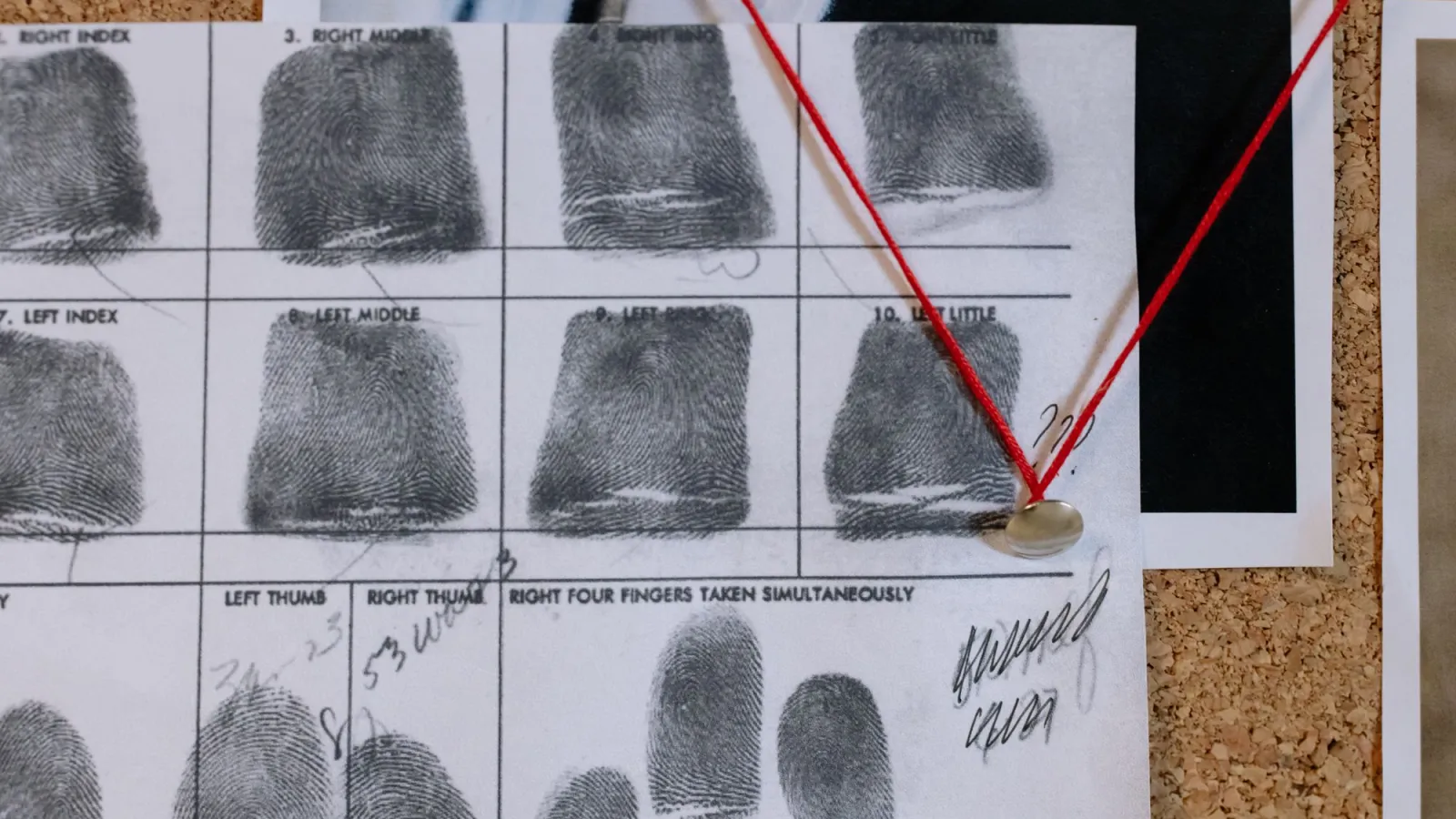
An investigation may take longer if witnesses are difficult to reach, records are incomplete, or the crash involved several vehicles. The insurer may also review whether road conditions, vehicle equipment, or another party contributed. When a roadway’s design or maintenance may be relevant, the claim can involve additional questions and potentially different responsible parties; learn more about Defective Road Design Accident Claims.
You can help preserve information by keeping photos and documents you already have and writing down your recollection while it is fresh. Avoid guessing when you do not know an answer, and keep communications factual. Do not alter or discard relevant items. If the insurer requests records or a statement, understand what is being requested and consider getting guidance about how the request relates to your claim.
A disagreement about fault does not by itself establish that either side is right. The available evidence and the applicable state rules matter, and those can take time to assess.
How do insurance coverage issues affect settlement timing?
Insurance issues can extend a claim when the parties need to confirm which policies apply, what those policies cover, and whether another source of coverage may be available. Policy documents, coverage limits, exclusions, and the number of injured people can all shape the discussions.

If the at-fault driver has no insurance or not enough coverage for the losses being claimed, you may need to examine whether your own policy offers relevant protection. A claim involving your own insurer can have separate notice and documentation requirements. Our Underinsured Motorist Claims page explains that type of coverage in general terms.
A coverage review may require policy records and communication between insurers. If there are multiple potentially responsible parties, the parties may also need to determine how coverage applies to each one. These questions can remain open even when the basic facts of the crash are not seriously disputed.
Keep policy documents, claim numbers, and written communications together. Ask which coverage question is holding up the process and what information may help address it. Coverage depends on the policy language and applicable law, so a general explanation cannot determine how a particular policy applies.
Why can settlement negotiations take time?
Settlement negotiations can take time when the parties disagree about the value of the claim, the evidence supporting it, or how responsibility should be shared. An insurer may review a demand and supporting records, request more information, or respond with a different assessment.
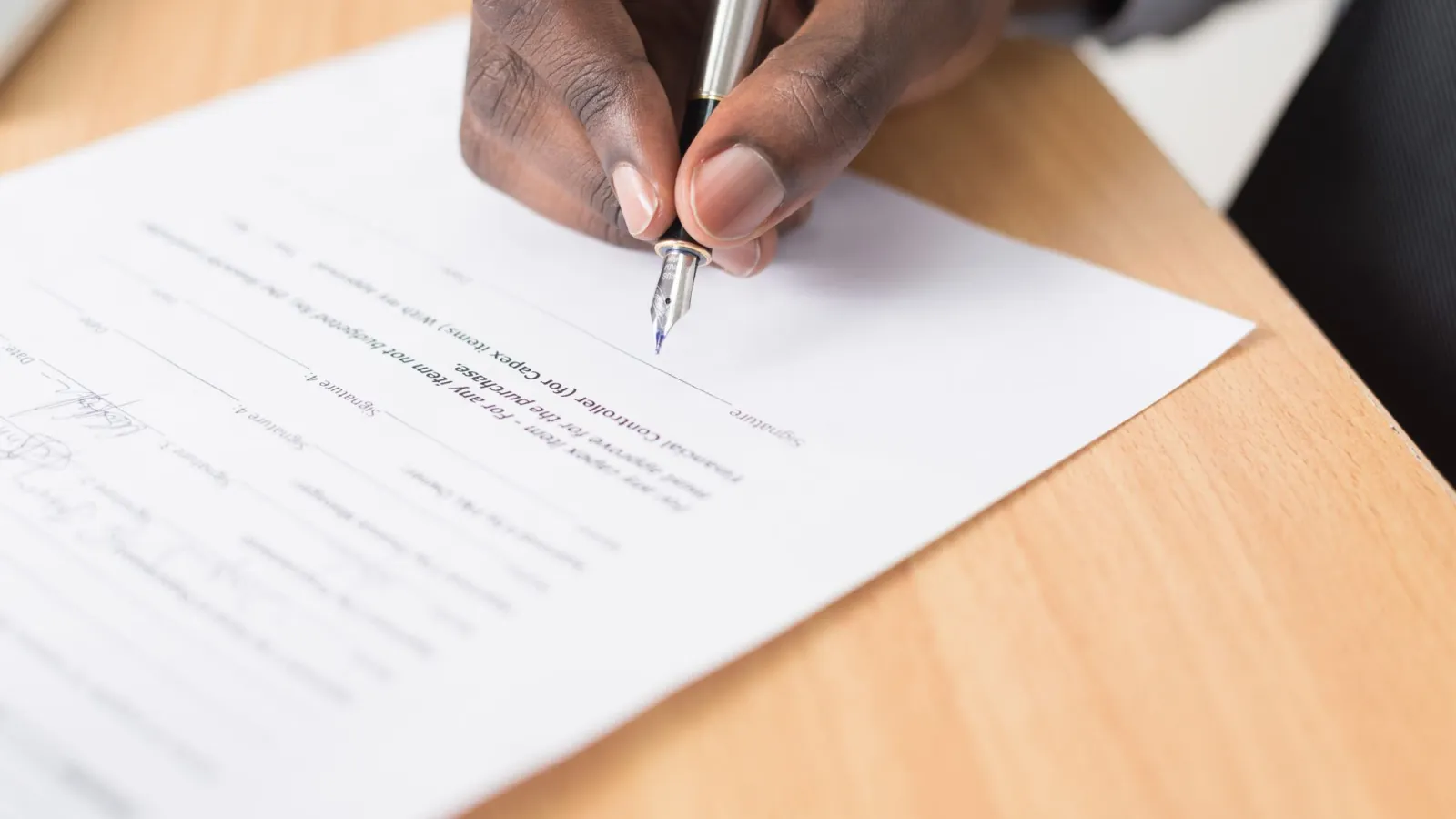
A demand may include medical expenses, lost income, and the effects of an injury on everyday life. The parties may not agree about which losses are supported, whether future care is likely, or how the available evidence applies. A response can lead to more document exchange or another round of negotiation rather than an immediate resolution.
Negotiation is not simply a matter of waiting for an insurer to make an offer. You can ask what records or explanations the insurer still needs and keep a record of any offers and responses. Read settlement terms carefully, including what claims would be resolved and whether the agreement addresses all relevant parties or losses.
There is no single timetable that fits every claim. A longer process may reflect unanswered questions, but it can also be frustrating when you do not know what is happening. Requesting a clear status update can help you understand whether the file is being reviewed, awaiting information, or under active negotiation.
What can you do when a claim is moving slowly?
You can make a slow-moving claim easier to follow by organizing records, responding to reasonable requests, and asking focused questions about the next step. These actions do not control the insurer’s review, but they may help identify avoidable gaps or misunderstandings.

Keep a simple file with medical records, bills, proof of missed work, photographs, policy information, and written communications. Note when you send documents and whom you contacted. If you provide information by phone, make a brief record of the conversation and any follow-up requested.
When you ask for an update, find out what issue remains open, whether the insurer needs anything from you, and when you can expect another status check. If a request is unclear, ask for clarification rather than sending unrelated or incomplete material. Be cautious about signing forms or accepting an offer without understanding their scope and effect.
A delay can also make it harder to keep track of legal time limits. Do not assume that settlement discussions pause a filing deadline or other legal requirement. Because deadlines and procedures can depend on state law and the facts, consider getting a qualified review if you are unsure what applies.
Which parts of a car accident claim vary by state?
State law can affect the deadlines, fault rules, damage limits, and notice requirements that apply to a car accident claim. The rules may also differ depending on who is involved, where the crash happened, and whether a public entity or government vehicle is part of the claim.
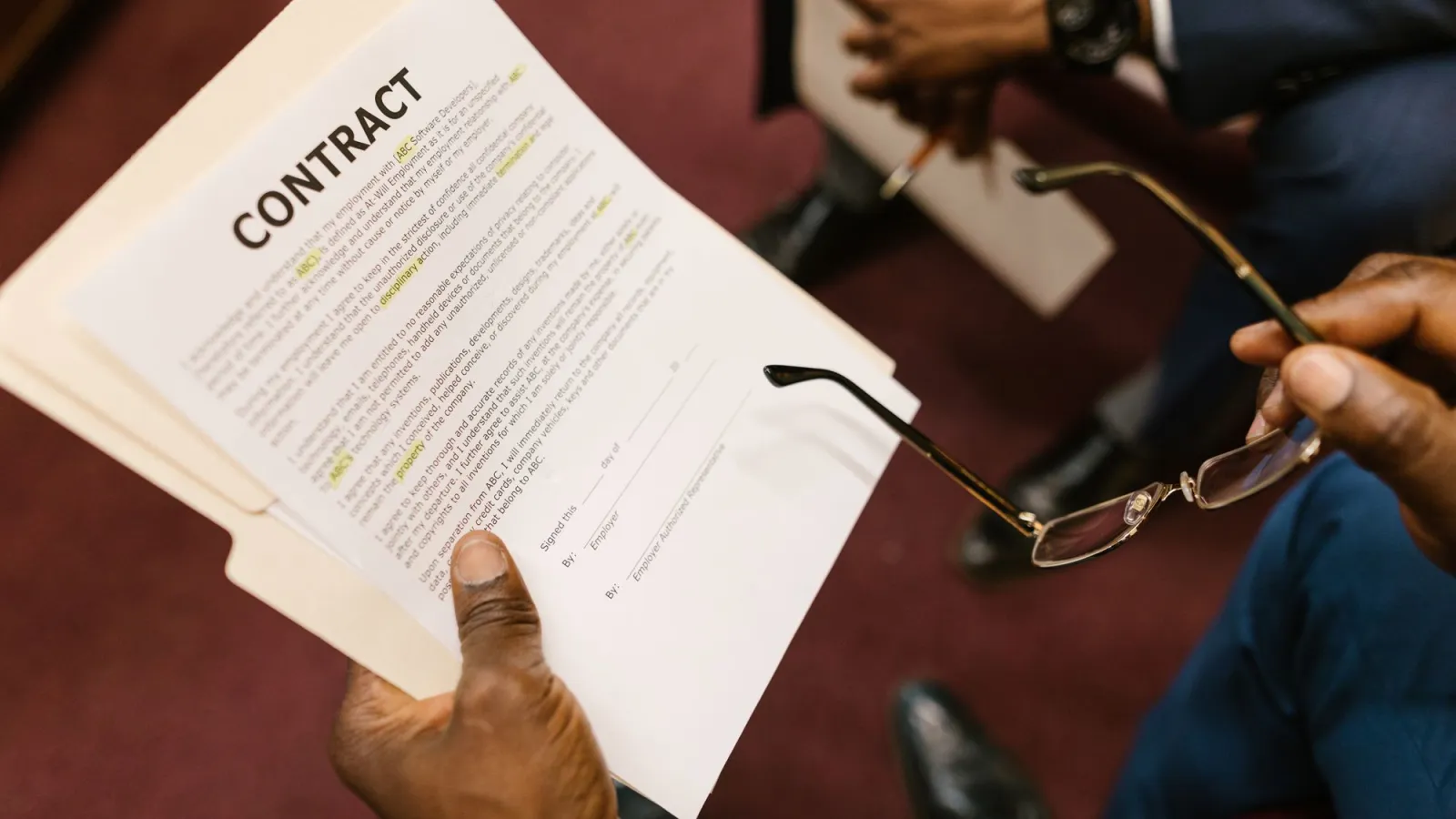
Because no state-specific details are provided here, this guide cannot identify a deadline or explain how a particular state’s rules apply. Settlement discussions do not necessarily change legal deadlines. If you are uncertain about a filing date, notice requirement, or fault rule, get a review based on the state and facts involved.
Frequently Asked Questions
Does a longer claim timeline mean the insurer has denied my claim?
Not necessarily. A claim may be delayed because the insurer is waiting for records, investigating fault, or reviewing coverage. Ask what issue remains open and whether it needs information from you.
Can I settle before my medical treatment is finished?
That may be possible, but it can be difficult to evaluate a claim while your condition and treatment needs are still changing. A settlement agreement may resolve claims covered by its terms, so understand its effect before accepting.
Does talking with an insurer stop a legal deadline?
Do not assume that calls, document exchanges, or negotiations pause a legal deadline. The rules depend on the state and the circumstances, so confirm what applies to your claim.
What records can help explain my claim?
Useful records may include medical documents, bills, photos, proof of lost income, insurance information, and written communications about the crash. Keep copies and note when you share materials with an insurer.
Should I accept an offer just to avoid more delay?
An offer may resolve claims covered by the settlement agreement, so consider its scope and how it relates to your documented losses and ongoing needs. You can ask for an explanation of the offer and time to review its terms.
Next Steps
Use our free case review to discuss a delayed car accident claim, review an insurance offer, or check which deadlines may apply. Contact us to request a review based on your situation.

Related Articles

Rideshare Accidents Involving Food Delivery Drivers
A crash involving a rideshare driver and a food delivery driver can raise questions about fault, app status, and which insurance policies may apply. Learn what evidence can help clarify your options.

Arbitration Clauses in Rideshare Terms of Service
A rideshare arbitration clause may affect how you pursue certain injury claims, but its reach depends on the agreement, the parties, and the facts. Learn what to check after a crash.

Robotaxi and Driverless Ride Accidents: Liability Questions
Responsibility for a robotaxi crash depends on what caused it and who had a role in the vehicle’s operation, design, or upkeep. Learn which evidence may help clarify your options.
