


In this article
- What is a rideshare accident involving a food delivery driver?
- Who may be responsible for the collision?
- Why does each driver’s app status matter?
- What evidence can help evaluate a potential claim?
- What claims or insurance issues may arise?
- How can you assess whether you may have a case?
- Which state laws can affect a rideshare or delivery crash claim?
- Frequently Asked Questions
- Next Steps
You may have a personal injury claim after a crash involving a rideshare driver and a food delivery driver if another party’s careless conduct caused your injuries. The drivers’ app activity, the crash evidence, and the insurance policies involved can all matter. A passenger, pedestrian, or either driver may have a claim, depending on the facts.
Key Facts
- Rideshare passenger trips and food delivery trips are different services, even when both drivers use apps.
- More than one driver or company may share responsibility for a crash.
- App activity at the time of the collision can affect which insurance policy may apply.
- Photos, witness details, trip records, and delivery records may help explain what happened.
- Fault rules and claim deadlines vary by state.
What is a rideshare accident involving a food delivery driver?
It is a crash involving a driver transporting rideshare passengers, a driver making food deliveries, or both. The people involved may include a rideshare passenger, a delivery customer, another motorist, a cyclist, or a pedestrian. The fact that a driver was working through an app is relevant, but it does not by itself establish who caused the collision.

Rideshare services generally arrange passenger trips, while food delivery platforms connect customers with drivers carrying meals or other orders. A driver may be logged into an app, waiting for a request, traveling to pick up an order, or completing a trip when a crash occurs. Those different stages can affect the insurance questions, so it is useful to identify what each driver was doing at the time.
The phrase may also describe a collision where only one driver was working through an app and the other was an ordinary road user. For information about passenger-transport crashes, visit our Rideshare and Taxi Accidents page. The details of a particular crash, rather than the label attached to it, determine what issues need review.
Who may be responsible for the collision?
Responsibility may rest with one driver, multiple drivers, or another party, depending on the evidence and the rules that apply where the crash occurred. A driver may be at fault if their conduct, such as unsafe driving or failing to pay attention, contributed to the collision. But a person’s work status or app affiliation alone does not prove fault.

A claim review may consider how the vehicles moved, road and weather conditions, traffic controls, visibility, and each driver’s actions before impact. Witness accounts, photographs, video, vehicle damage, and official crash records may help establish the sequence of events. If a vehicle defect or a dangerous roadway condition appears relevant, that may raise separate questions about other responsible parties.
You may be able to pursue a claim even if you were a passenger or pedestrian who had no control over either driver. If you were driving, the effect of any finding that you contributed to the crash depends on applicable state law. For crashes involving a particular platform, our pages on Uber Accidents and Lyft Accidents explain related issues.
Why does each driver’s app status matter?
App activity can help identify which insurance policies may be relevant, but coverage depends on the policy language and the circumstances of the trip. A rideshare driver might be waiting for a request, on the way to pick up a passenger, or carrying a passenger. A food delivery driver might be waiting for an offer, traveling to a restaurant, or bringing an order to a customer.
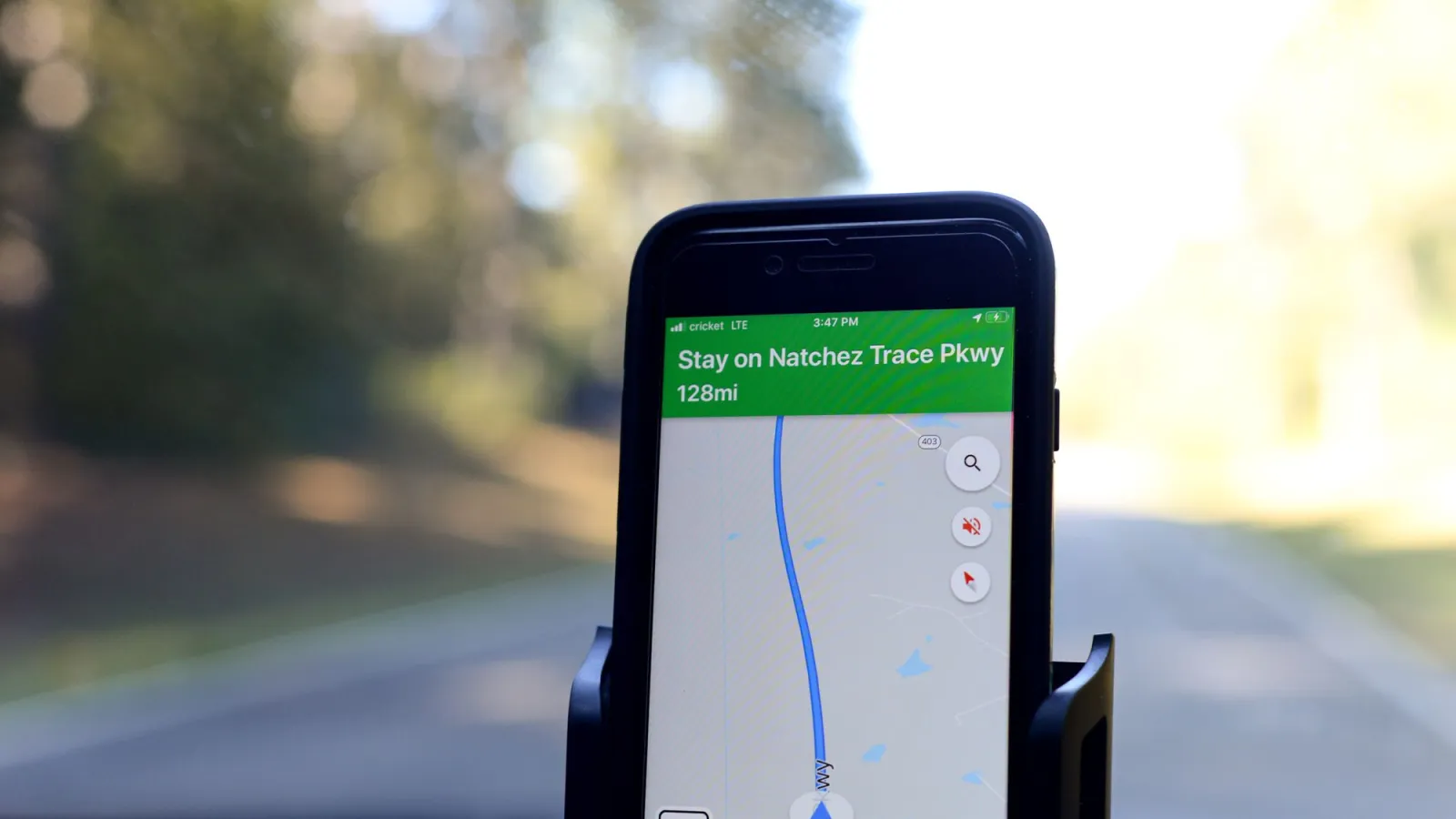
These distinctions matter because a driver’s personal auto policy, a platform-related policy, or another driver’s insurance may need to be examined. Coverage rules and policy terms are not identical across companies or situations. An app being open does not by itself show that a particular policy covers the crash, and a platform’s involvement does not automatically make it responsible for the collision.
Records that may clarify app status include trip or delivery confirmations, timestamps, route information, account notices, and communications with the platform. Preserve any relevant information available to you, and note which services the drivers appeared to be using. Do not assume that one insurer’s position settles every possible coverage question; different insurers may assess the facts and policies separately.
What evidence can help evaluate a potential claim?
Evidence that documents the crash, the drivers’ activities, and your injuries can help evaluate whether a claim may be available. Start with information you can safely collect: photographs of the scene and vehicle damage, contact details for witnesses, and the names of the drivers and companies involved. Keep copies of any crash paperwork and communications you receive.

App-based work can create records that do not exist in an ordinary collision, such as trip details, delivery status, pickup information, and platform messages. Those records may be held by a driver, a company, or an insurer, and access can depend on the circumstances. Write down what you know about the apps and the timing while your recollection is fresh, without guessing about details you cannot confirm.
Medical records and bills can help document the nature and course of an injury. Keep receipts and records of missed work or other expenses related to the crash, where available. Avoid altering original photographs or deleting relevant app messages. If you are communicating with an insurer, keep copies of what you send and receive; a careful file can make it easier to understand which facts are established and which remain uncertain.
What claims or insurance issues may arise?
The claims available depend on who was injured, who may have caused the crash, the insurance coverage, and the law that applies. An injured passenger may have a different path from a rideshare driver, delivery driver, or person in another vehicle. A claim can involve more than one insurer when multiple drivers or policies may be connected to the collision.
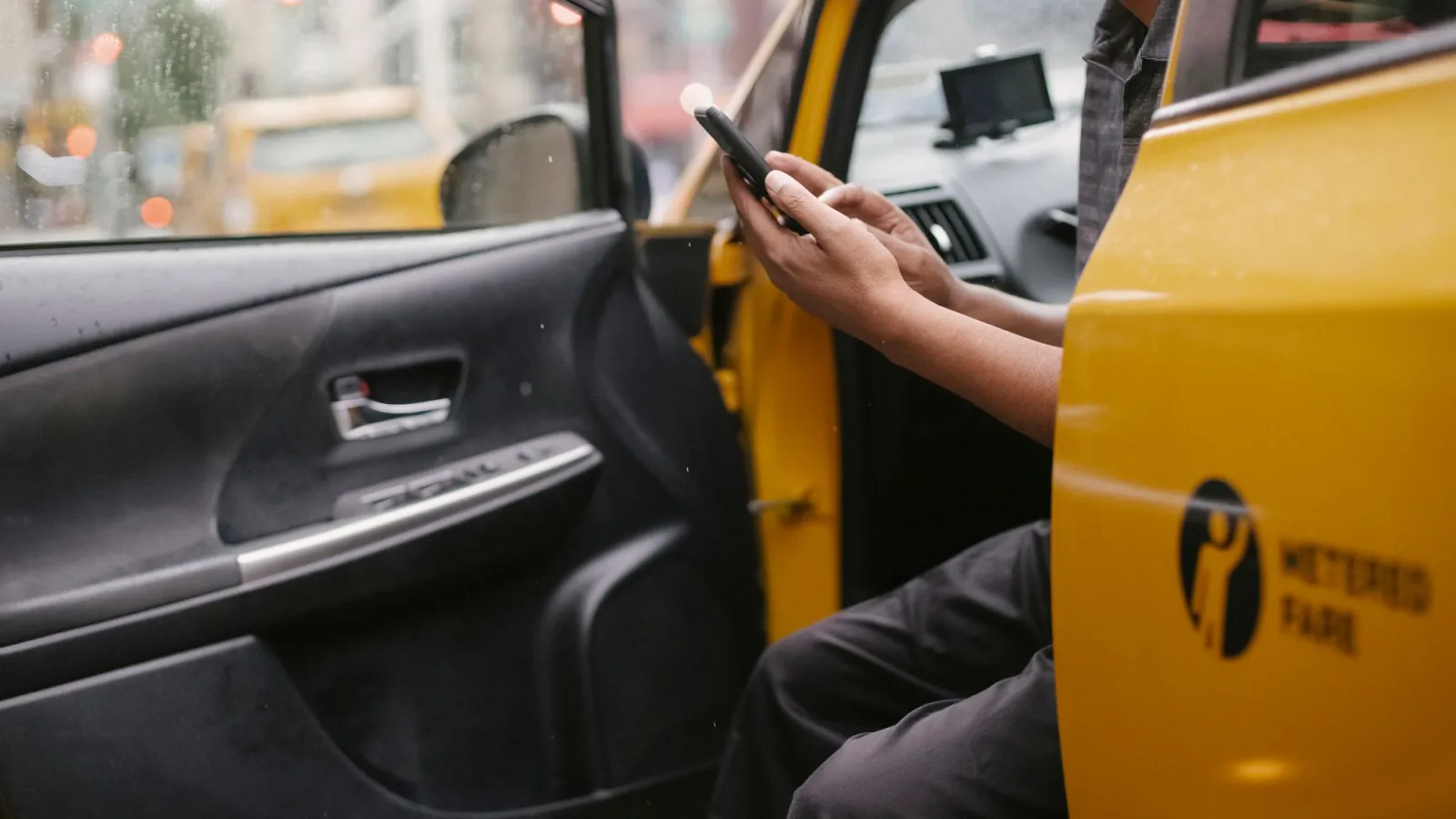
Insurance companies may investigate fault, app activity, the cause and extent of injuries, and whether the reported expenses are related to the crash. They may request records or statements, and their initial view may not address every issue. Read communications carefully, keep copies, and ask what policy and facts an insurer is relying on if its position is unclear.
A claim can include injury-related losses and other damages permitted by the law that applies, but the available categories and proof requirements vary. Do not assume a platform will pay simply because a driver was making a delivery or carrying a passenger. For questions about Lyft-related passenger crashes, our Lyft Accidents page provides additional general information about platform-related claims.
How can you assess whether you may have a case?
A potential case generally calls for evidence of an injury, a legal basis to hold another party responsible, and a way to connect the injury to the crash. A collision alone does not establish all of those points. The strength of the available information, the applicable fault rules, and insurance coverage can affect what options may be available.

You can organize the facts before discussing the matter with an attorney. Note who was involved, where the collision occurred, what each driver appeared to be doing, and what happened afterward. Gather records you already have, including photographs, medical documents, platform messages, and insurer letters. Separate confirmed details from estimates or assumptions so that unanswered questions remain clear.
A review can also identify missing evidence, possible additional parties, and state-specific issues that may affect a claim. You do not need to know in advance which insurance policy applies or how responsibility will be divided. If you want to discuss your circumstances, you can request a Consultation to have the facts and available records reviewed.
Which state laws can affect a rideshare or delivery crash claim?
State law can affect how responsibility is divided, what damages may be available, and how long you have to bring a claim. Some claims may also involve notice requirements or special rules for particular parties. These differences can matter even when the crash and app-related facts appear similar.

The relevant rules depend on where the collision occurred and the people or entities involved. Insurance policies may add separate requirements, so state law is only part of the review. If a deadline or notice rule could apply, getting the timing checked promptly can help clarify what options remain.
Frequently Asked Questions
Can I make a claim if I was a passenger in the rideshare vehicle?
Possibly. A passenger may have a claim if the rideshare driver, the delivery driver, or another party contributed to the crash and caused an injury. The available insurance and the evidence of fault need to be assessed based on the particular facts.
Does a delivery app automatically cover its driver after a crash?
No. Whether a policy applies can depend on the policy terms and whether the driver was waiting for an order, traveling to pick one up, or completing a delivery. The app record and the insurer’s policy language may need review.
What if both drivers say the other caused the crash?
Disagreements about fault are common, and an insurer’s initial account is not necessarily the only account considered. Photos, witnesses, vehicle damage, app records, and crash documentation may help clarify what happened. The applicable state rules determine how responsibility is assessed.
Can I still have a claim if I did not get medical care at the scene?
Not receiving care at the scene does not by itself determine whether you have a claim. A later evaluation and medical records may help document an injury and its connection to the collision. Keep records of symptoms and treatment and share accurate information with your providers.
What if the crash involved a food delivery driver but no rideshare passenger?
A delivery driver may still be involved in an injury claim even if no rideshare passenger was in the other vehicle. The driver’s activity, the cause of the crash, and the relevant insurance policies remain important. A delivery-related crash is not automatically a rideshare claim.
Next Steps
If you were injured in a crash involving a rideshare or food delivery driver, gather the records you have and request a free case evaluation. A review can help identify questions about fault, insurance, and any state-specific timing rules. Request a free case evaluation

Related Articles
Arbitration Clauses in Rideshare Terms of Service
A rideshare arbitration clause may affect how you pursue certain injury claims, but its reach depends on the agreement, the parties, and the facts. Learn what to check after a crash.

Robotaxi and Driverless Ride Accidents: Liability Questions
Responsibility for a robotaxi crash depends on what caused it and who had a role in the vehicle’s operation, design, or upkeep. Learn which evidence may help clarify your options.

Assaults by Rideshare Drivers: Civil Claims
An assault by a rideshare driver may support a civil claim against the driver and, in some circumstances, another responsible party. The facts, available evidence, and state law matter.
