


In this article
- Who may be responsible for a robotaxi crash?
- How does driverless operation affect a liability review?
- What evidence can help explain what happened?
- What if you were a passenger or another vehicle was involved?
- How might insurance and company responses affect a claim?
- How can you assess whether you may have a case?
- How can state law change a robotaxi injury claim?
- Frequently Asked Questions
- Sources
- Next Steps
After a robotaxi crash, responsibility may rest with the vehicle operator, a manufacturer, a software or maintenance provider, another driver, or more than one party. The answer depends on the facts, including how the vehicle was operating and what caused the collision. Evidence and state law can affect whether an injury claim is available.
Key Facts
- A driverless vehicle does not automatically make its operator or manufacturer responsible for a crash.
- More than one person or company may have contributed to the collision.
- Trip records, vehicle data, camera footage, and maintenance records may help explain what happened.
- State rules can affect fault, deadlines, damage limits, and notice requirements.
- A prompt review can help identify evidence to preserve and possible parties to contact.
Who may be responsible for a robotaxi crash?
Responsibility may involve any person or company whose conduct or product contributed to the crash. Depending on the facts, that could include the robotaxi operator, vehicle manufacturer, automated-driving software provider, maintenance contractor, another driver, or multiple parties.

A company’s role matters. An operator may be responsible for how a ride service is run or how a vehicle is monitored. A manufacturer or software provider may be relevant if a vehicle defect or system failure contributed. A repair or maintenance provider may matter if inadequate work left the vehicle unsafe. These possibilities do not establish fault on their own; evidence must connect a party’s actions or product to the collision and resulting harm.
A robotaxi trip can involve several companies, and the name displayed in an app may not identify every entity involved in operating or maintaining the vehicle. Keep the trip receipt, ride details, and any messages from the service. The broader issues can resemble those in other Rideshare and Taxi Accidents, but automated driving can add questions about vehicle data and system performance.
You may also have a claim involving a human driver who struck the robotaxi or caused it to react. Identifying each potential source of responsibility can matter when evidence is held by different businesses or insurers.
How does driverless operation affect a liability review?
Driverless operation changes which facts investigators examine, but it does not create one automatic rule for who pays. The review may focus on the vehicle’s actions, its automated-driving system, any remote assistance, and the conduct of other road users.
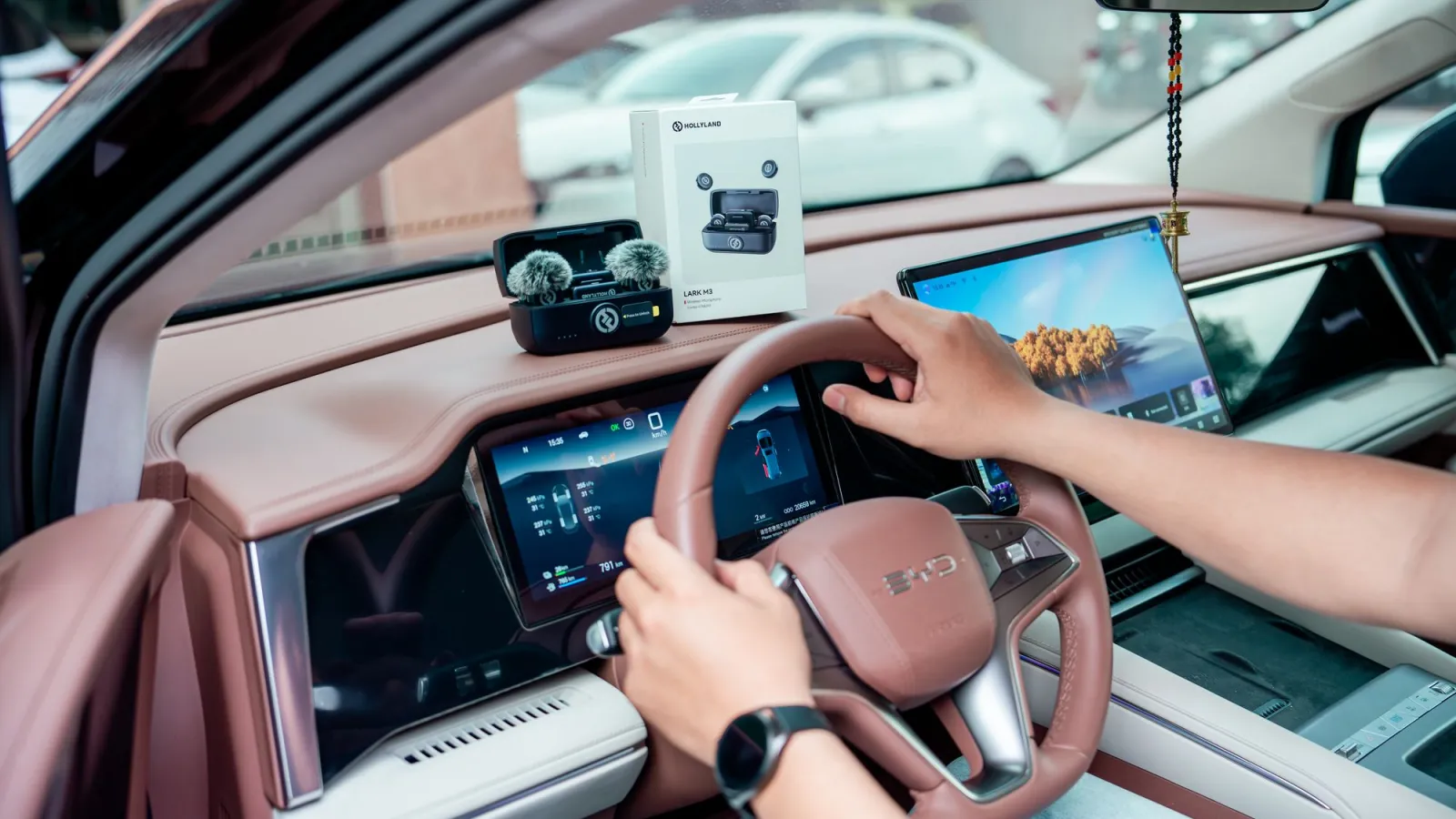
A key question is what the vehicle was designed and authorized to do in the location and conditions where the crash occurred. Investigators may examine whether it was within its operating limits, whether it detected nearby road users, and whether it responded appropriately to hazards. Weather, road markings, construction, visibility, and traffic behavior can also help explain what happened.
Some systems may involve people who monitor vehicles or provide remote support, but their role can differ by service and situation. A remote worker’s presence does not necessarily mean that person controlled the vehicle. Records about alerts, requests for help, and system responses may clarify whether human action was involved.
If the robotaxi was carrying you as a passenger, you may have been unable to see how it detected or responded to a hazard. That makes independent records and technical review especially important. An automated vehicle can be part of a rideshare or taxi accident claim, while the evidence needed to assess its operation may differ from a conventional car crash.
What evidence can help explain what happened?
Do not assume that a visible app record captures everything. Technical and business records may be held separately, and a qualified review may be needed to interpret them. Avoid altering or deleting original files or messages.

Relevant records may include trip logs, vehicle sensor data, camera footage, system alerts, maintenance history, and communications between the service and any remote support team. Some information may be retained for a limited period or be controlled by a company rather than a passenger. A description of the crash from an app or claims representative may not include all of these materials. Keeping your own account and requesting that relevant records be preserved can help clarify what may be available.
- Save the ride receipt, trip details, app messages, and the name of the service shown in the app.
- Write down what you remember while details are fresh, including where you were seated and what happened just before and after impact.
- Keep photographs, witness contact information, medical paperwork, and communications with any insurer or company.
- Ask how relevant vehicle and trip records can be preserved, and note when and with whom you made the request.
What if you were a passenger or another vehicle was involved?
You can seek an assessment of your injuries even if you were a passenger and did not control the robotaxi. Your role in the vehicle does not by itself answer who caused the crash or whether an insurance policy may apply.
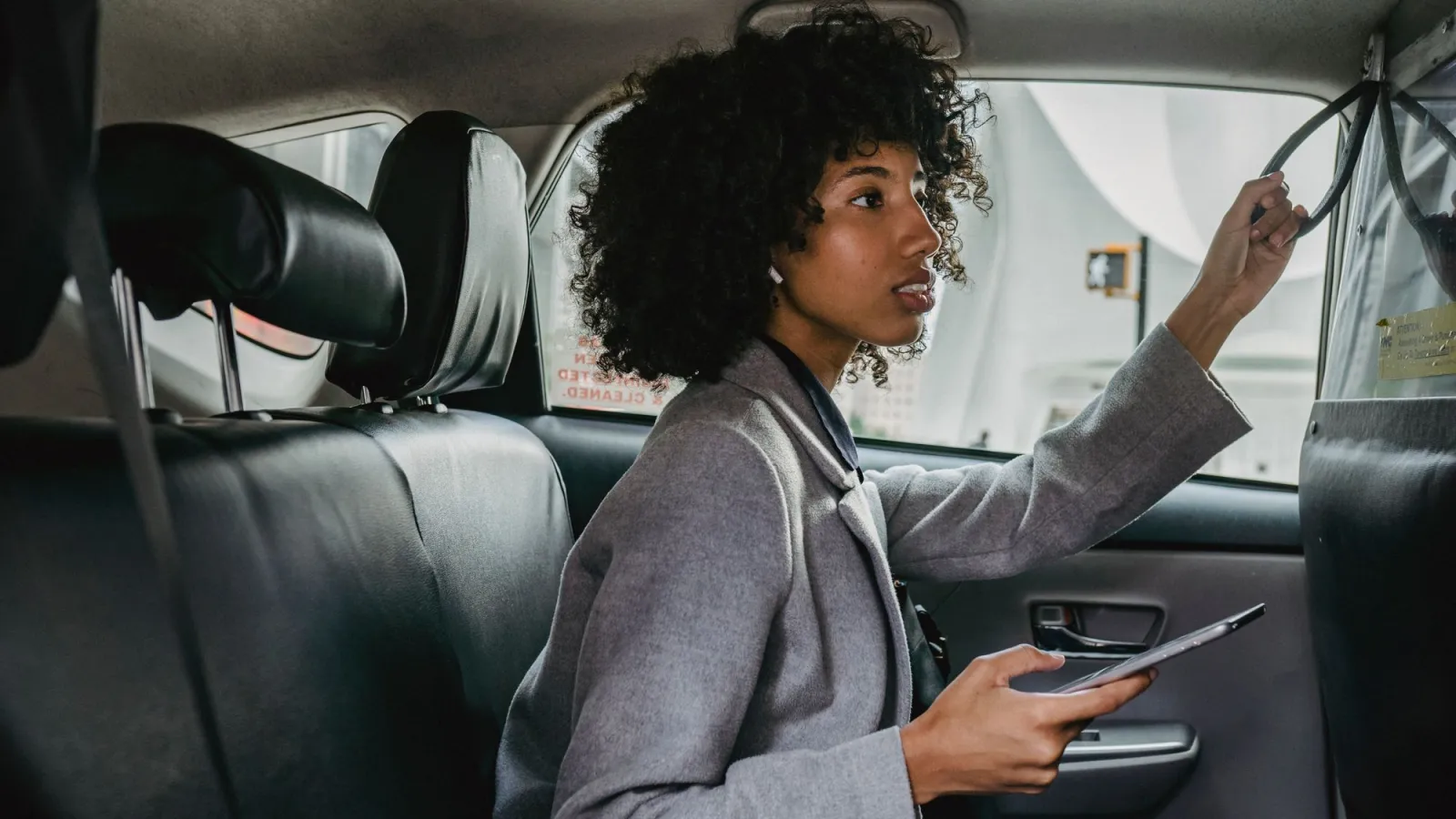
If another car, cyclist, pedestrian, or road hazard was involved, responsibility may be shared or disputed. For example, the other road user’s actions may have contributed, while the robotaxi’s response or a vehicle issue may also require examination. A careful review looks at the sequence of events rather than assuming that the driverless vehicle, its operator, or the other road user must be solely at fault.
If you were riding in a conventional vehicle that collided with a robotaxi, details about both vehicles and their operators may matter. The same is true if you were walking or cycling near the vehicle. Take care to document what you directly observed, but do not treat a company’s early explanation as a complete account of the evidence.
Passengers using a named rideshare service may also want to understand how that service’s insurance and claim process works. Information about Uber accidents or Lyft accidents can provide context for those services, but a robotaxi’s ownership and operation may involve different companies and policies.
Your medical needs come first. Keep a record of symptoms, appointments, and expenses, and report new or worsening symptoms to a healthcare professional.
How might insurance and company responses affect a claim?
Insurance may be available through one or more policies, but which coverage applies depends on who owned or operated the vehicle, the circumstances of the crash, and the policy terms. A robotaxi company may have insurance, but that fact alone does not determine whether a particular injury is covered or who is legally responsible.
After a crash, you may hear from an insurer, ride service, vehicle owner, or claims representative. Ask who they represent and keep a record of communications. A company may request a statement, documents, or access to information; before providing detailed accounts or signing a release, make sure you understand what is being requested and how it may affect your claim.
An insurer’s decision about coverage is separate from the question of fault. Different parties may point to one another, and an initial position may change as records are gathered. Save letters, emails, claim numbers, and the names of people you speak with. If you receive an offer, review its terms carefully, including whether accepting it would resolve claims beyond the immediate medical bills.
Insurance questions in taxi and rideshare crashes can involve operators and multiple policies. Each crash still needs an individual review of its evidence, available coverage, and applicable law.
How can you assess whether you may have a case?
A case assessment usually asks whether someone may have been legally responsible, whether the evidence supports that connection, and whether the crash caused injuries or other losses. The absence of a human driver does not rule out a claim, but it can make the identity of responsible parties and the available records more complex.
A useful review starts with the basic timeline: when and where the collision happened, what service or vehicle was involved, who else was present, and what injuries followed. It then considers which businesses had a role, what records may exist, and whether insurers have taken a position. A reviewer may also consider whether more than one party contributed and how state-specific rules could affect the claim.
Bring the information you have, even if it is incomplete. You can note missing details and ask who may hold the records. An early conversation does not require you to know the technical cause or identify every company involved. The purpose is to understand what questions remain, what evidence may be important, and whether further investigation is appropriate.
If the ride was through a service such as Uber or Lyft, details about the trip can help identify the relevant service and coverage questions. If it was a separate robotaxi provider, keep the vehicle markings and app information that identify the operator. A consultation can help you discuss what happened and whether a closer review of the available facts makes sense.
How can state law change a robotaxi injury claim?
State law can affect how fault is allocated, how long you have to bring a claim, whether damage limits apply, and whether special notice rules govern a claim against a public entity. The rules that apply can depend on where the crash occurred, which parties are involved, and the legal basis of a claim.
These differences may matter when a crash involves a vehicle company, a government body, or several potentially responsible parties. A claim may also raise questions about which jurisdiction’s law applies if the ride crossed borders or the companies are based elsewhere. Do not assume that a general description of robotaxi liability covers every location or party.
Deadlines can be short, and some notice requirements may apply before a regular court claim. A local review can help identify the rules relevant to your circumstances and whether any time-sensitive steps need attention.
Frequently Asked Questions
Does a robotaxi always record a crash?
Not necessarily. A vehicle or service may retain certain camera, sensor, or trip records, but what exists and how long it is kept can vary. Save your own trip information and ask promptly about preserving relevant records.
Can more than one company be involved in a robotaxi claim?
Yes. The service operator, vehicle owner, manufacturer, software provider, or maintenance provider may have different roles. Whether any of them is responsible depends on the evidence and applicable law.
What if the robotaxi company says another driver caused the crash?
That may be one explanation, but it is not a complete determination of fault. Evidence about the other driver, the robotaxi’s response, and the sequence of events can help assess whether responsibility may be shared.
Can I make a claim if I did not see how the crash started?
Yes, not seeing the full event does not by itself resolve whether you may have a claim. Trip records, vehicle data, witnesses, and other evidence may help establish what happened.
What information is useful for an initial case review?
Useful items may include the trip receipt, crash location, photographs, witness information, medical records, and communications from the service or an insurer. If you do not have everything, a timeline of what you remember can still help start the discussion.
Sources
Next Steps
If you were injured in a robotaxi crash, gather the trip details and records you have, then request a free case evaluation to discuss possible responsibility, evidence, and deadlines. A review can help clarify questions to investigate without assuming the outcome of a claim. Request a free case evaluation

Related Articles
Arbitration Clauses in Rideshare Terms of Service
A rideshare arbitration clause may affect how you pursue certain injury claims, but its reach depends on the agreement, the parties, and the facts. Learn what to check after a crash.

Assaults by Rideshare Drivers: Civil Claims
An assault by a rideshare driver may support a civil claim against the driver and, in some circumstances, another responsible party. The facts, available evidence, and state law matter.

Pedestrians and Cyclists Struck by Rideshare Vehicles
A pedestrian or cyclist injured by a rideshare vehicle may have a claim, but responsibility and available insurance depend on the crash facts, driver conduct, app status, and state law.
