


In this article
- Can the truck driver be liable?
- Can the trucking company or employer be responsible?
- Can the truck owner or maintenance provider be liable?
- Could a cargo company, manufacturer, or broker be liable?
- What evidence helps identify responsible parties?
- How can several parties share liability?
- How does state law affect who can be liable?
- Frequently Asked Questions
- Sources
- Next Steps
More than one person or company may be liable in a truck accident case. The truck driver, motor carrier, vehicle owner, maintenance provider, cargo loader, or a vehicle or parts manufacturer may share responsibility, depending on what caused the crash and each party’s role. Evidence and state law help determine whether a claim can be made against them.
Key Facts
- Liability depends on the cause of the crash and each party’s conduct or legal responsibility.
- A motor carrier may be responsible for an employee’s actions while working.
- Vehicle ownership alone does not automatically establish liability.
- Maintenance records, driver logs, and crash evidence may help identify responsible parties.
- State laws affect fault rules, deadlines, and which claims are available.
Can the truck driver be liable?
Yes, a truck driver may be liable if careless or unlawful driving contributed to the collision. Examples can include speeding, distracted driving, following too closely, unsafe lane changes, or driving while fatigued. The specific facts matter: a collision alone does not prove that the driver was at fault.
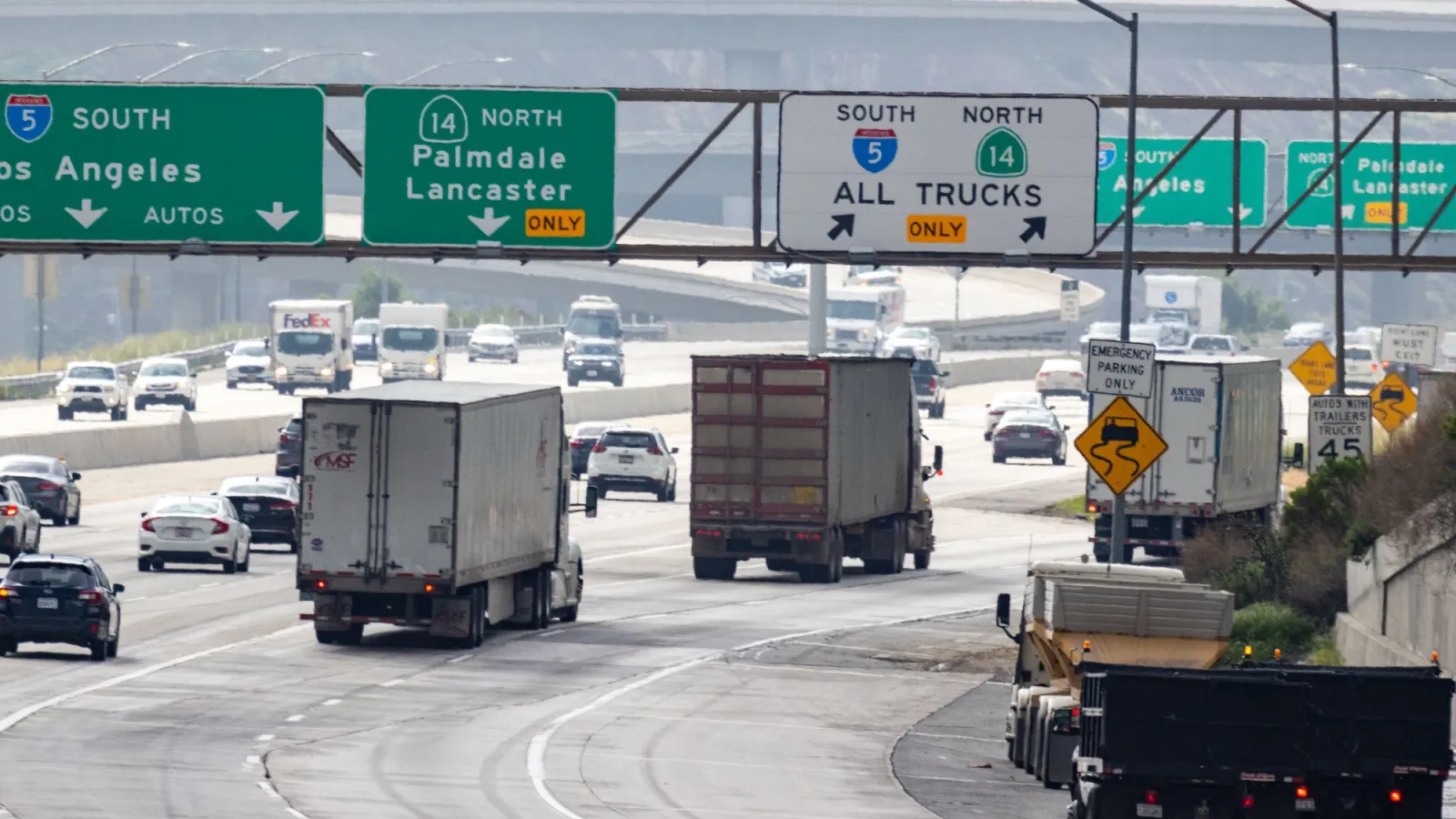
A review of truck accident claims may consider what the driver did before impact, whether the driver had time to react, and whether road, weather, or vehicle conditions played a role. A driver may also argue that another vehicle’s actions or an unexpected hazard caused the crash. Those explanations need to be assessed alongside physical and documentary evidence.
Responsibility can be shared. For example, a driver’s conduct might be one cause while a carrier’s scheduling or a maintenance problem also contributed. Depending on state law, your own actions may affect whether you can recover compensation and how responsibility is allocated. The key question is how the evidence connects each person’s conduct to the injuries and losses.
Can the trucking company or employer be responsible?
Yes, a motor carrier or employer may be responsible for a driver’s conduct when the driver was acting within the scope of work, and the company may also be responsible for its own negligence. The outcome depends on the work relationship and the facts, not simply on the name printed on the truck. Semi-truck accident cases can involve questions about who hired, trained, supervised, and dispatched the driver.
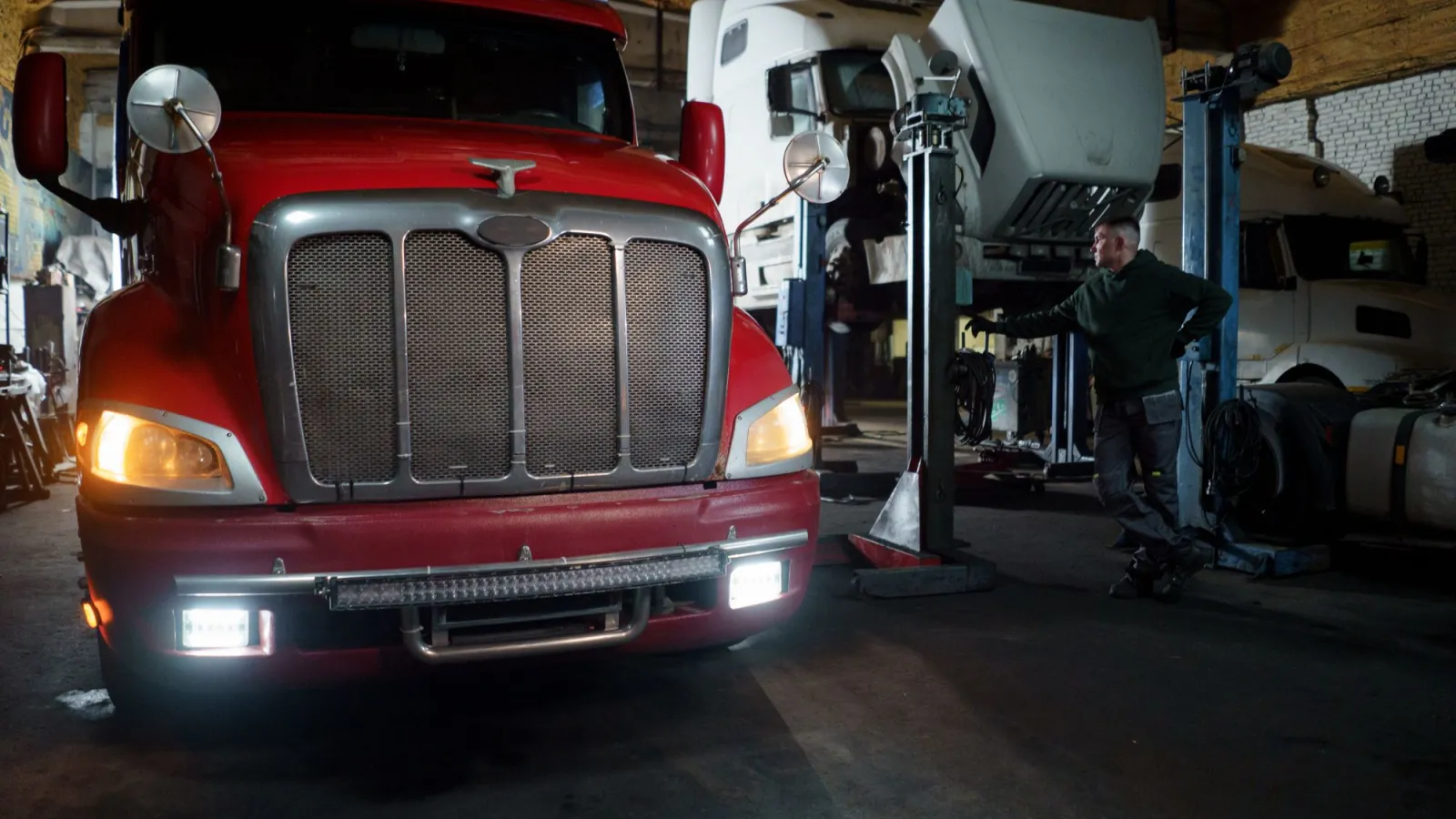
A company’s own conduct may be examined if it failed to use reasonable care in hiring or training, ignored warning signs, assigned unsafe schedules, or did not properly maintain its vehicles. Records about driver qualifications, work hours, dispatch instructions, safety policies, and inspections may help show what the carrier knew and did. Applicable federal or state safety requirements may also be relevant, but a rule violation does not automatically settle every issue in a civil claim.
A carrier may dispute responsibility by arguing that the driver was not its employee or was outside the scope of work. Contract labels are relevant but may not resolve the legal question by themselves. The relationship, degree of control, and applicable state law can all matter.
Can the truck owner or maintenance provider be liable?
A truck owner or maintenance provider may be liable if a preventable vehicle defect or repair failure contributed to the crash. The registered owner is not automatically responsible just because the truck was involved. Liability may depend on ownership arrangements, who controlled the vehicle, what maintenance duties existed, and whether a failure caused or worsened the collision.
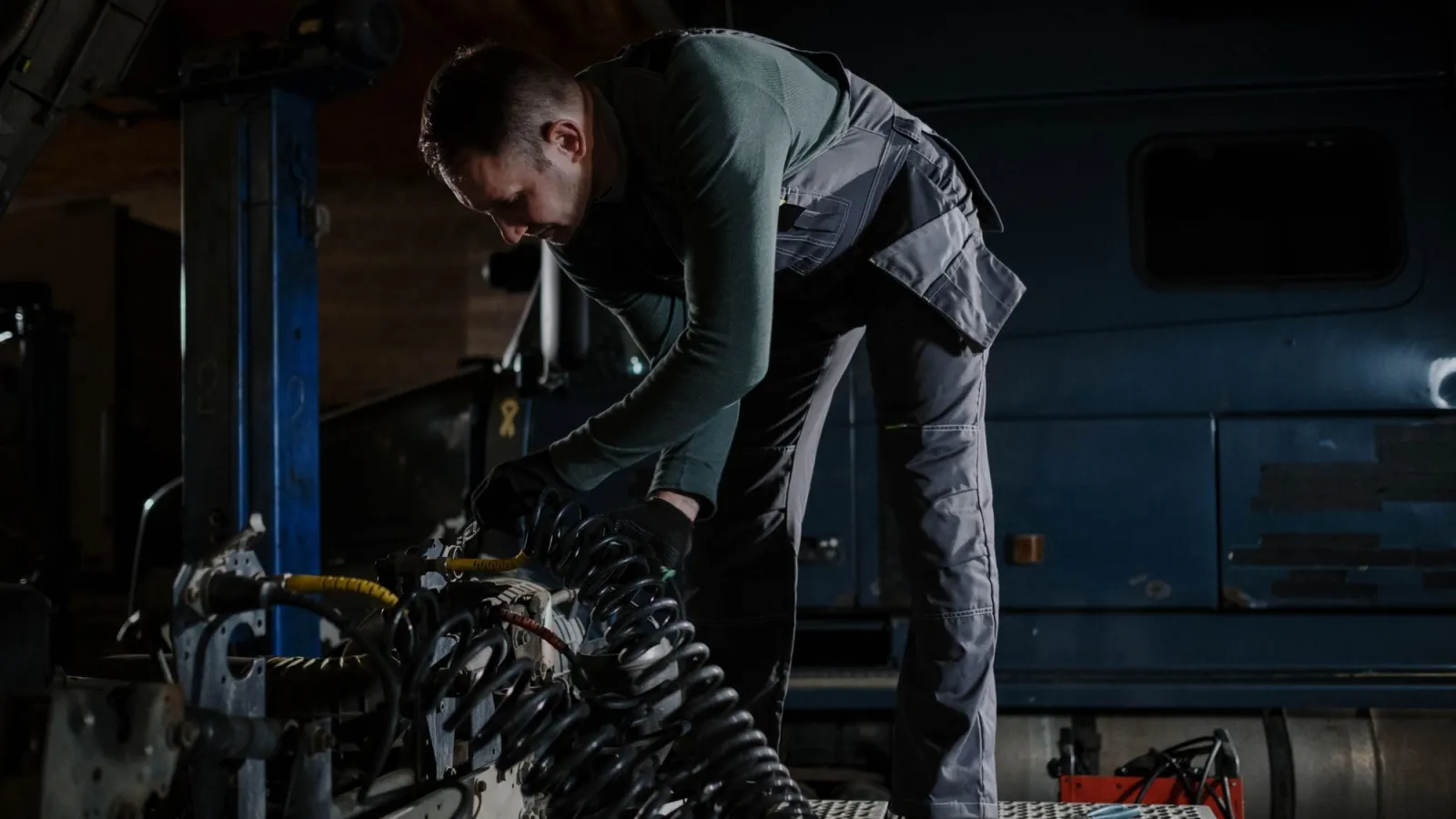
Possible issues include worn tires, faulty brakes, defective lights, or a missed repair. Maintenance records, inspection reports, repair invoices, and physical examination of the truck can help clarify whether a problem existed before the crash and who had responsibility for addressing it. A mechanic or maintenance company may face a claim if negligent work left a dangerous condition uncorrected.
Trucks may be leased or operated under arrangements involving several companies. The carrier, owner, and repair provider may each have different duties, and the documents governing their relationship can help explain who was responsible for the vehicle. A commercial truck accident review may examine these relationships alongside the crash evidence rather than assuming one company bears all responsibility.
Could a cargo company, manufacturer, or broker be liable?
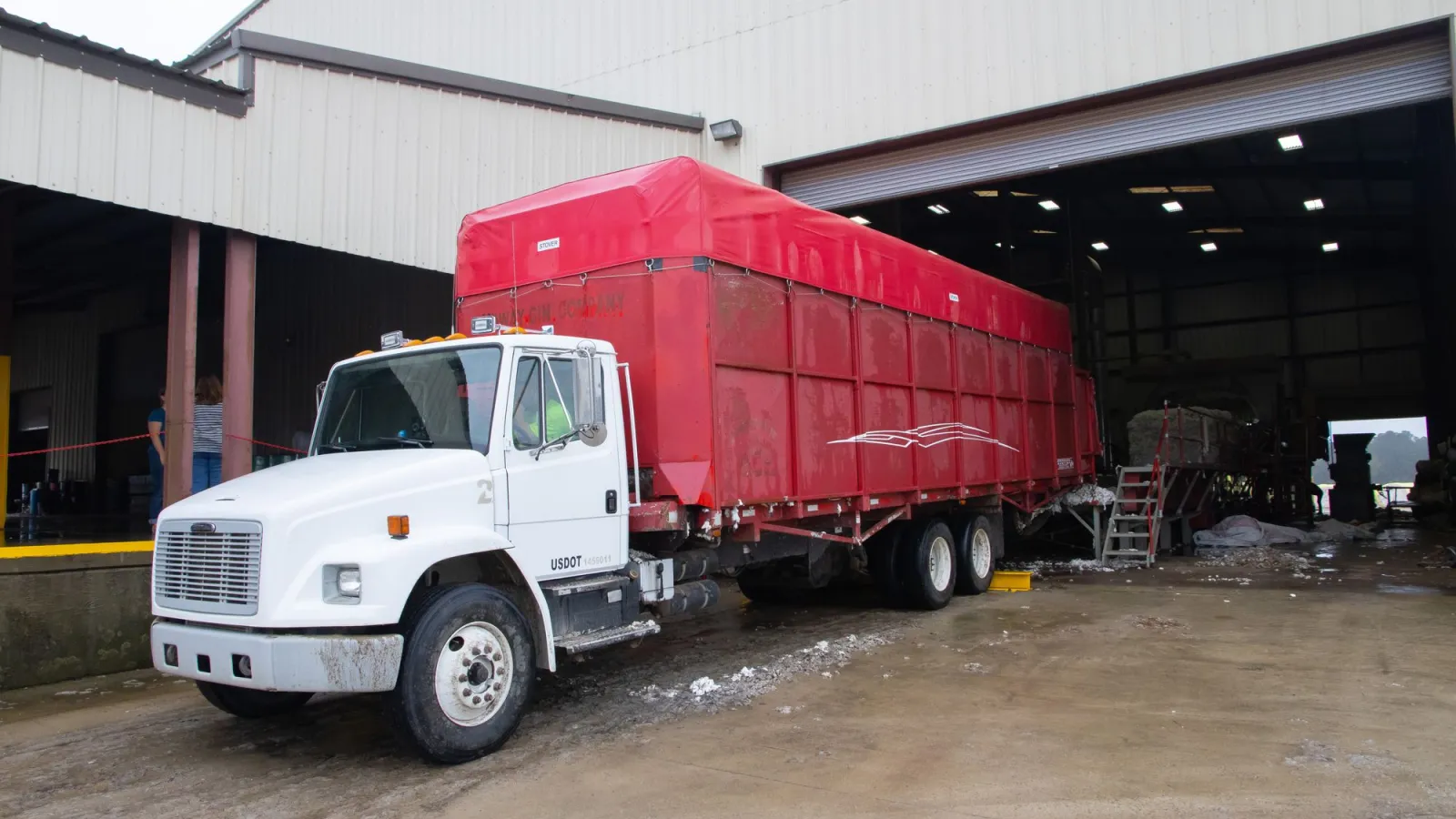
Yes, another company may be liable when its own conduct contributed to the crash, though a connection to the truck alone is not enough. A cargo loader or shipper may be involved if improperly secured or unbalanced cargo made the truck unstable or caused a load to shift. The driver and carrier may also have responsibilities for inspecting or transporting the load, depending on the circumstances and applicable rules.
A vehicle or parts manufacturer could face a product-liability claim if a defect in design or manufacture contributed to the collision or injuries. That requires evidence linking the alleged defect to the harm; a malfunction does not by itself establish that the manufacturer is legally responsible. A component supplier or repair business may also be relevant if its product or work played a role.
A freight broker’s potential responsibility is fact-specific and can depend on its role, conduct, and applicable law. Contracts, communications, loading records, and maintenance documents may help identify what each company did. In some crashes, investigation shows that a proposed defendant had no legally relevant role, while several other parties may have contributed.
What evidence helps identify responsible parties?
Evidence helps show what caused the collision, who had a duty to act, and whether a failure contributed to your injuries. Different records may be held by the driver, carrier, vehicle owner, repair shop, shipper, or another business. Some information can be overwritten, discarded, or become harder to obtain over time, so preserving relevant evidence can matter.

Useful evidence may include the police report, photographs, witness information, medical records, and documentation of the truck and trailer. Depending on the crash, electronic vehicle data, driver logs, dispatch messages, inspection and repair records, cargo documents, and employment or contractor agreements may also be important. Not every case has every type of evidence, and the value of a record depends on what it actually shows.
If you can do so safely, keep copies of your photos, correspondence, medical paperwork, and records of expenses or missed work. Avoid altering original files, and note where and when you obtained them. A prompt case review can help identify what records may be relevant and which parties may hold them. A lawyer can also assess whether formal steps to preserve evidence are appropriate.
- Save photos, videos, and documents connected to the crash.
- Write down witness names and contact details if you have them.
- Keep records of medical care, expenses, and communications with insurers.
How can several parties share liability?
Several parties can share liability when their separate actions or failures contributed to the same crash or injuries. For instance, a driver’s unsafe maneuver, a carrier’s scheduling decision, and a maintenance failure could all be relevant if the evidence supports those connections. Whether each party is legally responsible—and how responsibility is divided—depends on the facts and state law.
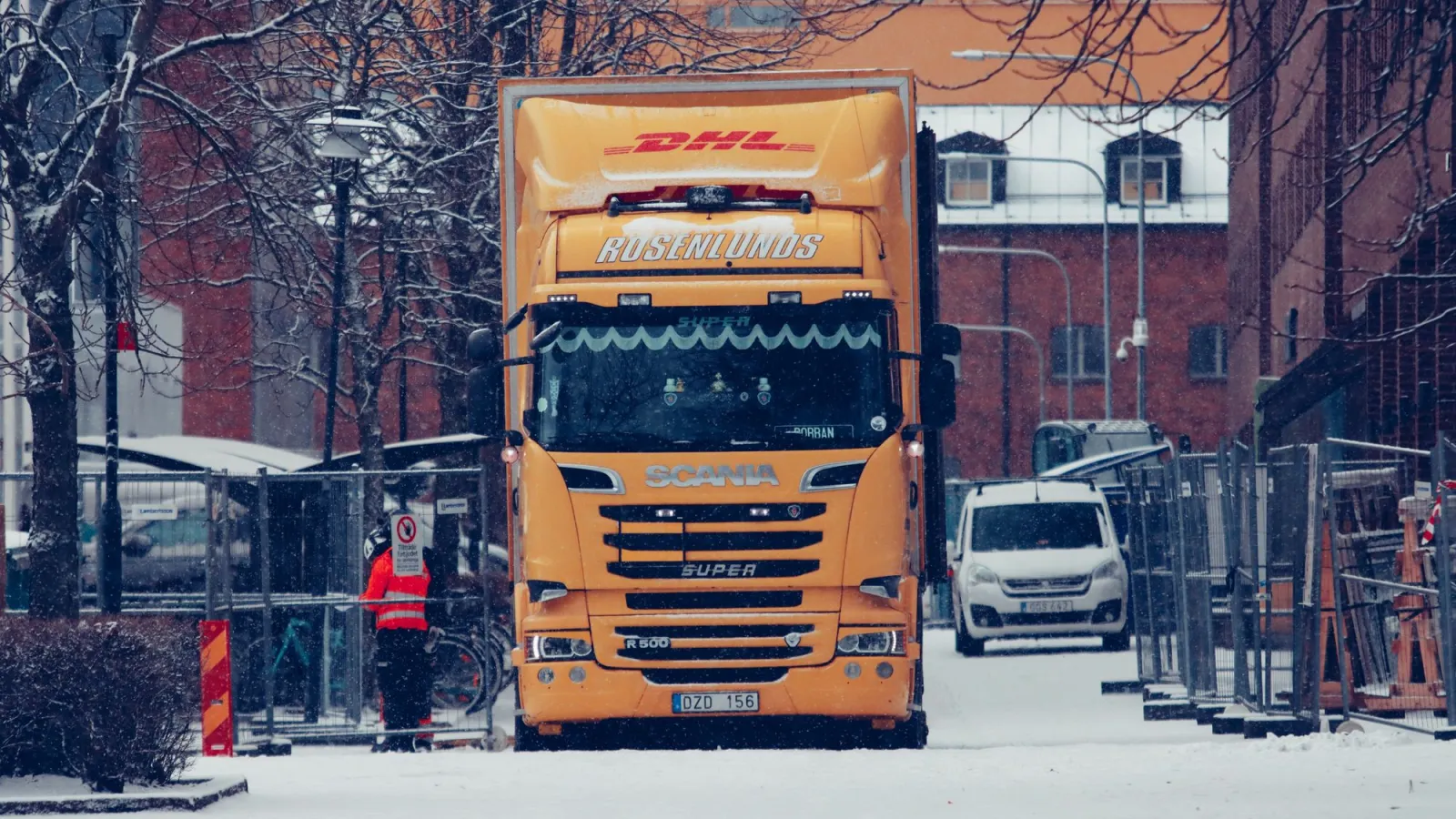
An insurer’s involvement does not by itself determine who is liable. A commercial policy may cover a driver or company, but coverage terms, exclusions, and the relationship between the insured parties can affect which insurer handles a claim. A business may also dispute that a driver was working for it or that a particular policy applies.
It can be useful to identify all potentially responsible parties before important records disappear or claim discussions narrow the focus. That does not mean every named company is at fault; each claim needs support. If an insurer asks for a statement or offers a resolution, the terms and the available evidence may deserve careful review before you decide how to respond.
How does state law affect who can be liable?
State law can affect how fault is assigned, whether your own share of fault changes recovery, what damages may be available, and which legal claims can be brought against different parties. Deadlines and special notice requirements may also apply, including rules that can differ when a government entity is involved. The details depend on where the crash occurred and the circumstances.

Truck operations may also be subject to federal safety requirements, but those requirements do not replace state rules for personal injury claims. A regulation or contract may help explain a party’s duties, while the legal effect of a violation depends on the facts and applicable law. A lawyer familiar with the relevant jurisdiction can assess how these rules may affect your situation.
Frequently Asked Questions
Does the trucking company have to own the truck to be responsible?
No. A company may have responsibility based on its relationship with the driver or its own conduct even if another business owns the vehicle. Ownership, control, contracts, and the work arrangement all may matter.
What if the truck driver was an independent contractor?
That label does not always decide whether a company can be held responsible. The actual working relationship, the company’s control, the driver’s role, and state law may all be considered.
Can I bring a claim if more than one party caused the crash?
Potentially, yes. A claim may involve multiple parties if evidence supports that each contributed to the crash or injuries. State law governs how fault is assessed and what effect shared responsibility has.
Is the insurer liable for the crash?
Usually, an insurer is involved because it may provide coverage for a person or business, rather than because it caused the crash. Policy terms and the insured party’s responsibility affect how an insurance claim is handled.
Can a company be liable for a truck defect?
Possibly, if evidence shows that a defective part, unsafe repair, or maintenance failure contributed to the crash or injuries. The responsible party may depend on who designed, made, inspected, repaired, or maintained the vehicle or component.
Sources
Next Steps
If you want help identifying potentially responsible parties, request a free case evaluation to discuss the crash facts and available records. You can also ask about reviewing an insurance offer or checking deadlines that may apply.

Related Articles

Rideshare Accidents Involving Food Delivery Drivers
A crash involving a rideshare driver and a food delivery driver can raise questions about fault, app status, and which insurance policies may apply. Learn what evidence can help clarify your options.
Arbitration Clauses in Rideshare Terms of Service
A rideshare arbitration clause may affect how you pursue certain injury claims, but its reach depends on the agreement, the parties, and the facts. Learn what to check after a crash.

Robotaxi and Driverless Ride Accidents: Liability Questions
Responsibility for a robotaxi crash depends on what caused it and who had a role in the vehicle’s operation, design, or upkeep. Learn which evidence may help clarify your options.
