


In this article
- What does a reservation of rights letter mean?
- Why would an auto insurer send this letter?
- Does the letter mean the insurer denied the claim?
- What should you do after receiving the letter?
- Can the insurer still investigate, defend, or pay a claim?
- How can the letter affect settlement discussions?
- What can vary by state?
- Frequently Asked Questions
- Next Steps
A reservation of rights letter means an insurer is handling or investigating an auto claim while preserving the ability to later rely on certain policy terms or defenses. It is not automatically a denial, and it does not establish that the insurer will pay. Read it carefully, note any requests or deadlines, and ask what remains undecided.
Key Facts
- The letter may address an insurer’s coverage decision, not who caused the crash.
- Receiving one does not automatically mean your claim has been denied.
- The insurer may be investigating facts, policy terms, or both.
- Keep the letter, policy documents, and claim communications together.
- The letter’s effect depends on the policy language and applicable state law.
What does a reservation of rights letter mean?
A reservation of rights letter means an insurer is reviewing a claim while reserving its ability to rely on certain policy provisions or defenses. In practical terms, the insurer is communicating that it has not made a final decision about every coverage issue. The letter may explain which questions remain open and why.

An insurer may send the letter to its policyholder, an injured person, or another involved party, depending on the claim and the insurer’s role. In a car accident claim, it can relate to whether a policy covers a driver, vehicle, loss, or particular conduct. It does not, by itself, decide who was at fault for the collision.
The exact wording matters. One letter may reserve rights over a specific issue while the insurer continues investigating. Another may list several potential policy defenses. Read the entire document, including cited policy provisions, rather than relying only on the phrase “reservation of rights.” If a term or explanation is unclear, ask the insurer to identify the issue in plain language.
Why would an auto insurer send this letter?
An auto insurer may send a reservation of rights letter when facts about the crash or the policy are still being checked. The insurer might need to confirm who was driving, whether the vehicle was covered, how the vehicle was being used, or whether the reported event fits the policy’s coverage terms. The letter records that the investigation is continuing without treating every coverage question as settled.

For example, a dispute about who had permission to use a car could affect coverage even when the collision itself is not disputed. A rear-end collision can also involve a separate coverage review, such as a question about the policy or the driver. The letter should explain the insurer’s current concern; do not assume that every example applies to your situation.
Insurers may send this notice while they gather records, statements, or other claim information. Its arrival can feel unsettling, but it is a notice about the insurer’s position and the questions it is considering. It is not proof that the claim is invalid, that the injured person caused the crash, or that a payment decision has been made.
Does the letter mean the insurer denied the claim?
No, a reservation of rights letter does not automatically mean the insurer has denied the claim. It usually signals that the insurer is continuing to handle or investigate the matter while preserving possible coverage arguments. A denial is a separate decision, and the letter’s language should make clear whether the insurer has actually declined coverage or is still reviewing it.

Look for wording that describes the insurer’s current action, the issues under review, and the policy language it may rely on. The document may also say whether the insurer is providing a defense, investigating liability, or reserving a decision about payment. Those are different questions. An insurer can investigate fault while separately considering whether a policy applies.
If the letter is unclear, ask the adjuster for a written explanation of what is being reserved and what the insurer is doing while the review continues. Keep the response with the letter. Do not treat a phone conversation as a substitute for understanding the written notice, and do not assume that silence or continued investigation resolves the coverage question.
What should you do after receiving the letter?
Answer factual questions accurately, and keep a copy of anything you submit. If a request is confusing, unusually broad, or asks you to sign a release or statement, ask what it is for before responding. You can also discuss the letter with a lawyer through a consultation, particularly if the insurer is disputing coverage or the claim involves substantial injuries.

Keep your own timeline of letters, calls, and requests, including who contacted you and what information you provided. This can help you track what the insurer has asked for and whether it has answered your questions. Keep original documents where possible, and send copies unless the insurer explains why it needs an original.
- Save the complete letter and note when and how you received it.
- Identify the policy provisions and specific issues the insurer says it is reviewing.
- List every requested document, response, or action and any stated due date.
- Ask the adjuster in writing what remains undecided and whether the insurer is investigating, defending, or making a coverage decision.
- Keep copies of messages, records you provide, and the insurer’s replies.
Can the insurer still investigate, defend, or pay a claim?
Yes, an insurer may continue investigating or handling a claim while reserving rights, but the letter does not promise that it will defend a person or pay a particular loss. What the insurer does depends on the policy, the facts, and the specific rights it has reserved. A coverage review and a decision about responsibility for the crash are related to the claim but remain distinct issues.

In some situations, an insurer may provide a defense while reserving a position on whether the policy covers all or part of a potential judgment. In other situations, the insurer may be gathering information before deciding what obligations apply. The letter should describe the action it is taking, although you may need to ask for clarification if its language is difficult to follow.
If the insurer later changes its position, its explanation and the policy terms matter. Keep any new notice and compare it with the original letter. If you are the insurer’s policyholder, ask what the reservation means for your defense and whether you need to take any steps. If you are an injured claimant, ask whether the insurer has made a coverage decision and how that affects its handling of your claim.
How can the letter affect settlement discussions?
A reservation of rights letter can affect settlement discussions by leaving open whether an insurer will cover some or all of a loss, but it does not set the value of an injury claim. The letter may concern coverage while the parties separately assess fault, medical information, lost income, and other claimed losses. A coverage question can complicate negotiations, so it is useful to know precisely what issue the insurer has identified.
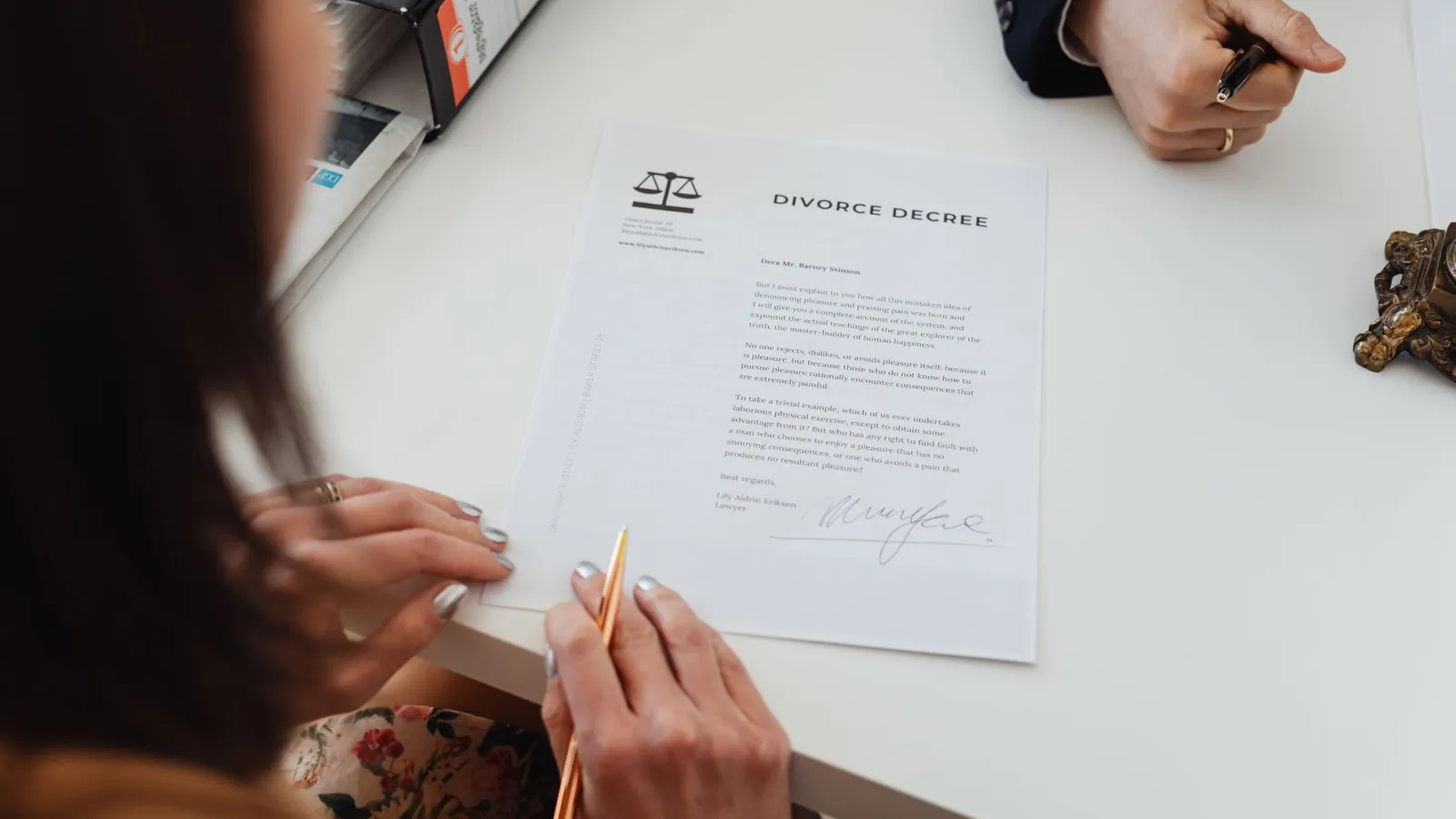
Do not treat a reservation notice as a settlement offer or as a reason to accept an offer without understanding its terms. If you receive an offer, review what it would resolve, whether it includes a release, and whether it addresses all claims you intend to make. Ask the insurer to explain any conditions and whether its coverage review is still open.
Keep settlement communications and supporting records organized. If an offer or release is confusing, or the insurer says a policy issue may limit payment, you can request a review of the offer and the letter together. A lawyer can explain how the documents may relate to your circumstances and help you identify questions to raise with the insurer.
What can vary by state?
State law can affect how reservation of rights notices are interpreted and what procedures apply to insurers and policyholders. Rules may differ on insurer duties to defend, handling potential conflicts of interest, required notices, and the effect of policy language. Fault rules and deadlines for injury claims can also vary, although those issues are separate from the meaning of a particular letter.

The policy and the claim facts matter alongside state law. A letter’s effect may depend on who received it, what the insurer reserved, and what the insurer does afterward. Because no state is specified here, this guide cannot determine which rules apply to your claim. Check the notice for the insurer’s stated reasons and ask a lawyer familiar with the applicable state law to review it if the coverage position could affect your recovery or defense.
Frequently Asked Questions
Is a reservation of rights letter the same as a denial letter?
No. A reservation notice generally says the insurer is preserving possible policy defenses while it investigates or handles a claim. A denial communicates that the insurer has declined coverage or payment, though the exact wording and effect depend on the letter and policy.
Should I respond to the insurer’s questions?
Read the request and any stated response date carefully. Give accurate information, keep copies of what you send, and ask the insurer to clarify requests you do not understand. If a request involves a recorded statement, release, or sensitive information, consider getting advice before agreeing.
Can I still make an injury claim after receiving this letter?
The letter alone does not establish that you have lost the ability to pursue an injury claim. Whether a claim can proceed depends on the facts, applicable law, and any relevant deadlines. The insurer’s coverage review is not necessarily a decision about fault or the full merits of your claim.
What if I do not understand the policy language in the letter?
Ask the insurer to identify the specific policy provision and explain what issue it is evaluating. Keep the explanation in writing with the letter. If the answer remains unclear or the insurer is disputing coverage, a lawyer can review the documents and explain how they may apply.
Does the letter tell me how much the claim is worth?
No. A reservation of rights letter concerns potential coverage issues, not a calculation of injury damages. Claim value depends on the evidence, losses, liability, available coverage, and applicable law.
Next Steps
You can request a free case evaluation to discuss the letter, review an insurance offer, or check for important deadlines. Bring the notice, policy documents, and claim communications so the review can focus on the issues affecting your situation. Have an attorney review your insurance offer
Related Guides

Related Articles

Rideshare Accidents Involving Food Delivery Drivers
A crash involving a rideshare driver and a food delivery driver can raise questions about fault, app status, and which insurance policies may apply. Learn what evidence can help clarify your options.

Arbitration Clauses in Rideshare Terms of Service
A rideshare arbitration clause may affect how you pursue certain injury claims, but its reach depends on the agreement, the parties, and the facts. Learn what to check after a crash.

Robotaxi and Driverless Ride Accidents: Liability Questions
Responsibility for a robotaxi crash depends on what caused it and who had a role in the vehicle’s operation, design, or upkeep. Learn which evidence may help clarify your options.
