


In this article
- What does trip phase mean for rideshare insurance?
- What coverage may apply when the rideshare app is off?
- What may happen while a driver is waiting for a ride request?
- What may apply after a driver accepts a trip?
- Why can injury and vehicle-damage coverage differ?
- What can you do if an insurer disputes the trip phase?
- How can state law change rideshare insurance claims?
- Frequently Asked Questions
- Next Steps
Uber and Lyft insurance coverage can change with the driver’s app and trip status. When the app is off, the driver’s personal auto policy may apply. When the driver is available for requests or has accepted a trip, rideshare coverage may also be relevant. The available coverage depends on the facts, policy terms, and state law.
Key Facts
- A driver’s app status at the time of a crash can affect which insurance policies are relevant.
- Personal auto policies may contain exclusions or restrictions for rideshare activity.
- Coverage for injuries and coverage for vehicle damage are separate questions.
- The driver’s trip records, app history, and crash evidence may help establish the trip phase.
- Policy wording and state law can affect how coverage applies.
What does trip phase mean for rideshare insurance?
Trip phase means what the driver was doing in the rideshare app when the crash happened, and it can affect which insurance policies may respond. The key distinction is whether the app was off, the driver was waiting for a request, or the driver had accepted a trip and was completing it.
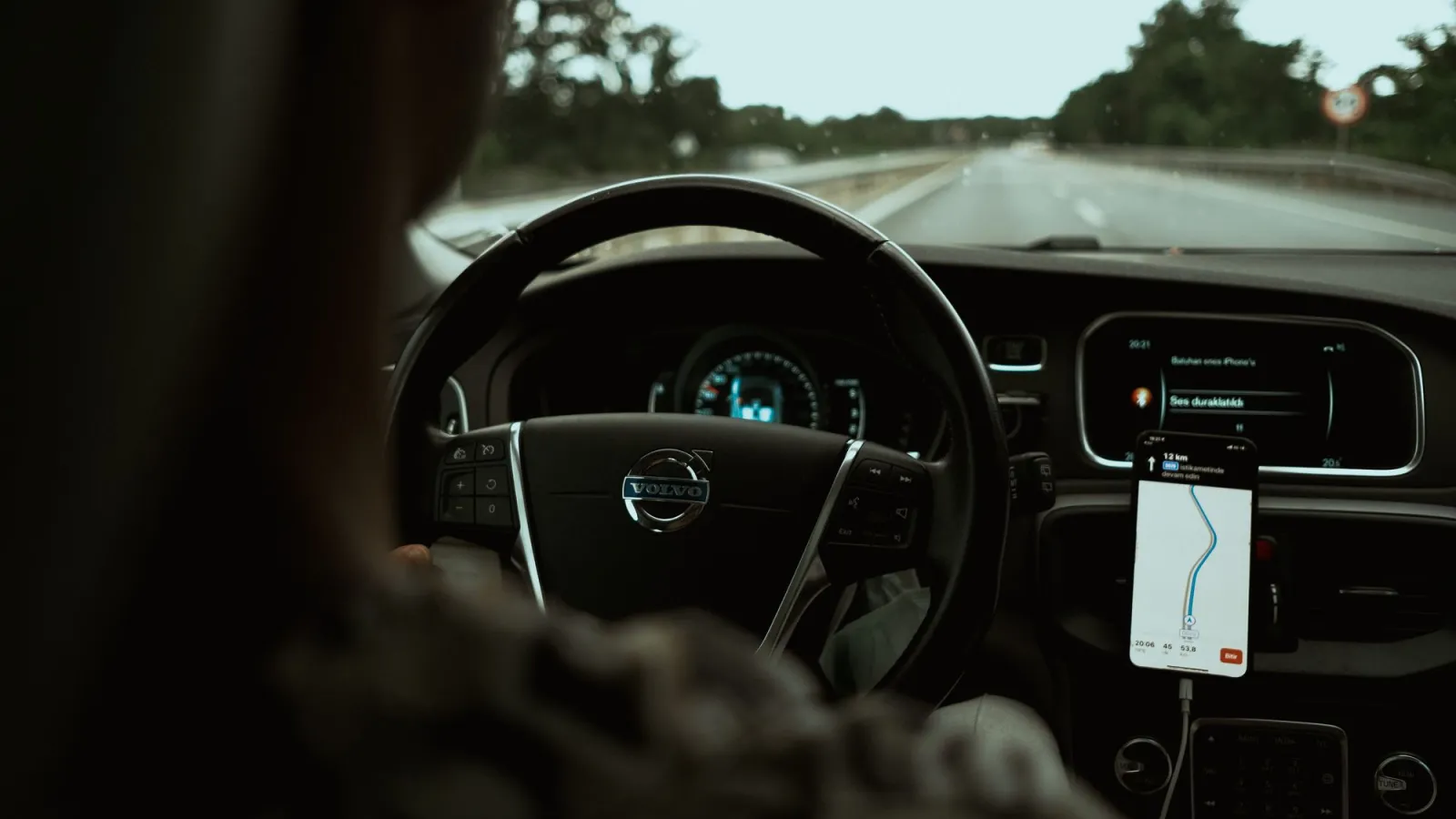
That status is important, but it does not by itself decide who caused the crash or what a policy will pay. Insurers may also consider who was injured, what kind of loss is claimed, the driver’s conduct, and the policy’s terms. A passenger’s injury claim, for example, is different from a claim to repair the rideshare driver’s car.
If you were hurt in a rideshare crash, try to preserve information that shows what was happening in the app. The Rideshare and Taxi Accidents overview explains the broader issues that can arise when a commercial app is involved. The trip phase is a starting point for the insurance review, not a final coverage decision.
- Identify whether the driver’s app was off, open and awaiting a request, or connected to an accepted ride.
- Note whether the driver was traveling to pick someone up, had a passenger, or had just completed a drop-off.
What coverage may apply when the rideshare app is off?
When the app is off, the driver is generally not engaged in a rideshare trip, so the driver’s personal auto policy may be the primary policy to examine. Whether that policy covers a particular crash depends on its terms, the people involved, and the circumstances of the collision.

Personal policies can restrict or exclude certain commercial uses of a vehicle. The presence of a rideshare driver does not automatically mean the rideshare company’s insurance applies; the app and trip records may be needed to confirm the driver’s status. If another motorist caused the crash, that person’s insurance may also be relevant.
If an insurer says a policy does not apply, ask for the explanation in writing and keep copies of any policy or claim documents you receive. Avoid assuming that one insurer’s position resolves every possible source of coverage. A coverage review may need to consider the driver’s policy, another involved driver’s policy, and the facts of the crash.
- Ask what policy and specific policy term the insurer is relying on.
- Keep messages, claim letters, and any records that show when the driver went offline.
What may happen while a driver is waiting for a ride request?
When a driver has turned on the app and is available for requests but has not accepted a trip, rideshare coverage may become relevant, though its terms and scope can vary. A personal auto policy may also be examined, particularly if it contains restrictions related to rideshare work.
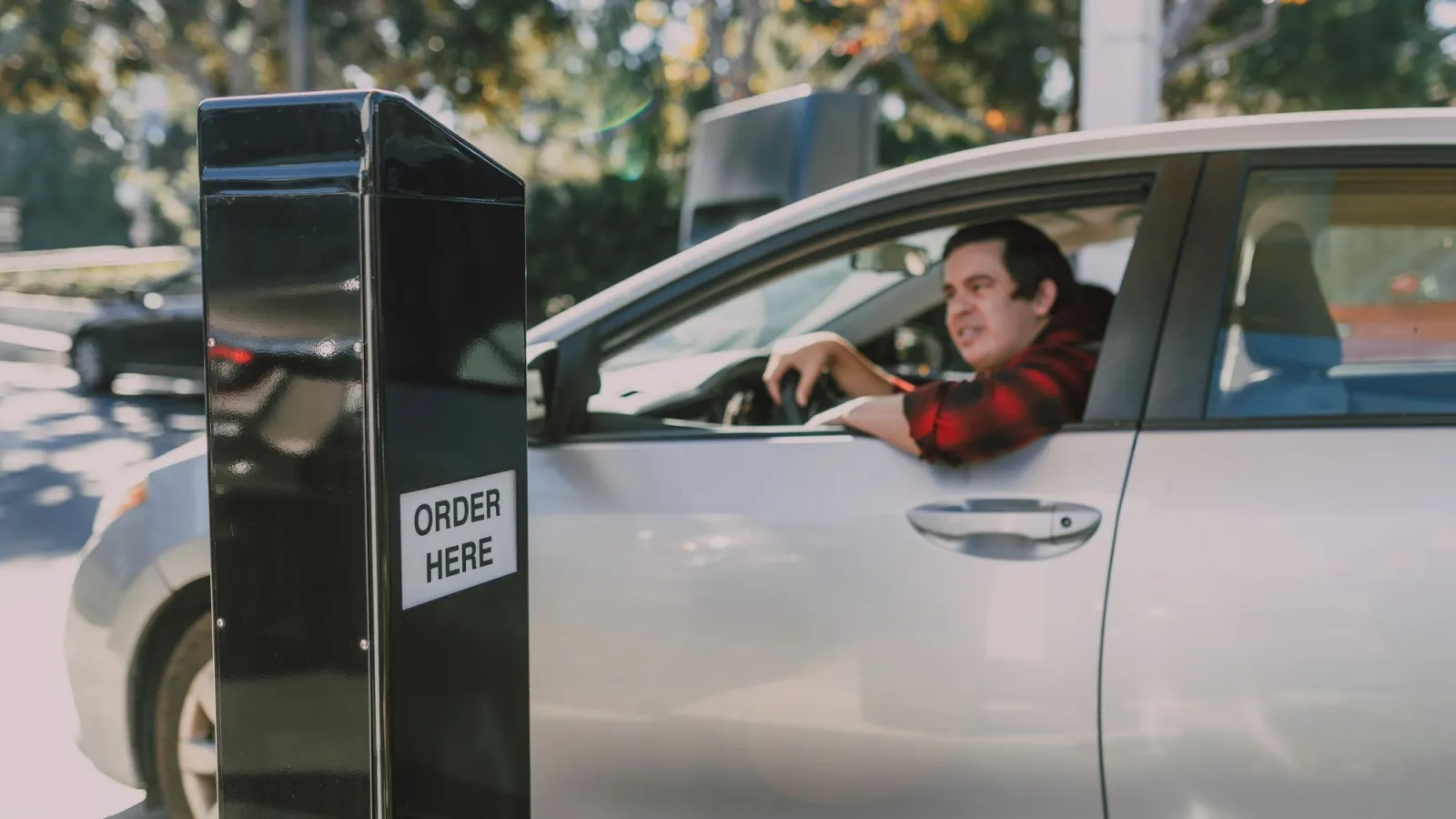
The insurer may need to confirm that the driver was logged in and waiting for a request at the time of the collision. App records can help establish that status, while dispatch details, phone records, and witness accounts may provide context. A driver’s account alone may not answer every question about timing.
Do not assume that all kinds of losses have the same coverage. Liability for injuries to someone else, damage to the driver’s vehicle, and medical expenses can be addressed under different policy provisions. The applicable protection may depend on the policy, available coverages, and state requirements. If the companies or insurers disagree about the driver’s status, the Rideshare Insurance Coverage Disputes page describes common issues that can arise.
- Record the driver’s name, the rideshare company, and any trip or incident reference provided.
- Save relevant app messages or receipts and note who may be able to confirm the driver’s status.
What may apply after a driver accepts a trip?
After a driver accepts a ride request and while the driver is traveling to pick up a passenger or carrying that passenger, rideshare insurance is generally an important part of the coverage review. The driver’s status can still matter within that period, and the policy terms and local rules determine how particular coverages apply.

For an injury claim, investigators may examine which driver or other party caused the collision and what insurance is available. For damage to the rideshare driver’s vehicle, coverage may depend on whether the driver had applicable protection under the policy and on its conditions, such as a deductible. Those questions are separate from whether an injured passenger may bring a liability claim.
The trip record can help establish when the request was accepted, when the pickup occurred, and when the ride ended. If you were a passenger, preserve the ride receipt and any communications with the driver or company. The Uber Accidents page offers additional context about claims involving Uber trips; similar insurance questions can arise in other rideshare crashes.
- Keep the ride receipt and any available trip details.
- Document the crash and your injuries, and retain information about the other vehicles and witnesses.
Why can injury and vehicle-damage coverage differ?
Injury coverage and vehicle-damage coverage are different parts of an insurance claim, so a policy’s response to one does not settle the other. Liability coverage may be considered when a covered driver is alleged to have caused harm to someone else. Payment for damage to a driver’s own vehicle may depend on separate coverage and policy conditions.

Other possible issues include medical-payment or personal-injury benefits, uninsured or underinsured motorist protection, and disputes about which person was at fault. These protections are not identical across policies or states, and their availability may depend on who is making the claim and how the crash occurred.
An insurer may investigate the trip phase, the driver’s eligibility for a particular coverage, the cause of the crash, and the claimed losses. Keep explanations from each insurer because different companies may address different parts of the same event. If one claim is accepted or denied, that does not necessarily answer whether another policy or coverage type should be considered.
- Separate your questions about bodily injury, medical expenses, and vehicle repairs.
- Ask each insurer which coverage it is evaluating and what information it needs to make a decision.
What can you do if an insurer disputes the trip phase?
If an insurer disputes the trip phase, gather records that can establish the driver’s app status and the timing of the ride. Useful information may include the ride receipt, app notifications, incident records, messages, photographs, witness details, and any available trip-history information. Keep original files when possible and note when and how you received them.

You can ask the insurer to identify the policy involved, explain its coverage position, and list any missing information. Avoid relying only on a verbal summary if the dispute affects your claim; request written communications and save them. Be careful about giving a recorded statement or signing a release before you understand what it covers.
A rideshare crash can involve multiple insurers and different accounts of how the collision happened. An attorney can review the facts, policy documents, and any offer or denial, but no review can promise a particular result. If you are weighing an offer or have a question about a claim deadline, you can request a Consultation to discuss the documents and circumstances.
- Save trip-related records, crash evidence, and all insurer communications.
- Request the insurer’s written explanation and the policy provisions it says apply.
- Get an offer or denial reviewed before signing documents that may affect your claims.
How can state law change rideshare insurance claims?
State law can affect required insurance, fault rules, available damages, and notice requirements, while policy wording and company procedures can also influence a claim. Deadlines and rules may differ depending on the claim and the parties involved, so general information cannot establish the requirements for your situation.

If a crash happened in a particular state, confirm the rules that apply there and identify any deadlines that may affect your claim. Keep letters from insurers or government entities, since they may explain what response or documentation is requested. A review of the location, trip status, and claim documents can help clarify which rules need to be checked.
Frequently Asked Questions
Can a rideshare driver’s personal insurer deny a claim?
An insurer may examine whether the policy covers the driver’s activity and whether an exclusion or limitation applies. Ask for the insurer’s position in writing; a denial under one policy does not necessarily resolve whether another policy may apply.
Who pays if the rideshare driver caused the crash?
The responsible driver’s available insurance may be considered, but the applicable policy can depend on the driver’s trip status and the claim being made. The facts of the collision and the policy terms also matter.
Can a ride receipt show what the driver was doing?
A receipt can help show that a ride occurred, but it may not establish the driver’s precise app status at the time of the crash. App records, communications, and other evidence may help fill in the timeline.
Can more than one insurance policy be involved?
Yes. A rideshare policy, a driver’s personal policy, or another involved motorist’s policy may need to be considered, depending on the facts. Each insurer may evaluate a different part of the claim.
Does an insurance offer cover every part of my loss?
Not necessarily. An offer may address particular losses or claims, and a release may affect what you can pursue later. Read the offer and any release carefully before signing.
Next Steps
If you were injured in an Uber or Lyft crash, request a free case evaluation to discuss the trip phase, available insurance information, and any offer you received. You can also ask for a deadline check so you understand what timing issues may apply to your claim. Have an attorney review your insurance offer

Related Articles

Rideshare Accidents Involving Food Delivery Drivers
A crash involving a rideshare driver and a food delivery driver can raise questions about fault, app status, and which insurance policies may apply. Learn what evidence can help clarify your options.

Arbitration Clauses in Rideshare Terms of Service
A rideshare arbitration clause may affect how you pursue certain injury claims, but its reach depends on the agreement, the parties, and the facts. Learn what to check after a crash.

Robotaxi and Driverless Ride Accidents: Liability Questions
Responsibility for a robotaxi crash depends on what caused it and who had a role in the vehicle’s operation, design, or upkeep. Learn which evidence may help clarify your options.
