

In this article
- What truck maintenance records may matter after a brake failure crash?
- How can maintenance records help show why the brakes failed?
- What evidence can help preserve the maintenance history?
- Who may be responsible when a truck’s brakes fail?
- What if maintenance records are missing or disagree with the physical evidence?
- How do maintenance records fit into an injury claim?
- What rules may vary depending on where the crash happened?
- Frequently Asked Questions
- Sources
- Next Steps
Truck maintenance records can help show whether a brake problem was reported, inspected, repaired, or left unresolved before a crash. They are one part of the evidence, not proof of fault by themselves. Inspection findings, repair invoices, driver reports, and the truck’s physical condition may help explain what happened and who may be responsible.
Key Facts
- Maintenance records may document brake inspections, repairs, defects, and follow-up work.
- A record’s timing and detail can matter when assessing what a company or repair provider knew.
- Physical inspection and other crash evidence can help confirm or challenge what paperwork says.
- A missing record does not automatically establish why the brakes failed or who is liable.
- Responsibility may involve a motor carrier, maintenance provider, parts maker, or other party.
What truck maintenance records may matter after a brake failure crash?
Records that track brake inspections, complaints, repairs, and follow-up work may help explain a brake failure crash. The useful documents are not limited to a single maintenance log; information may be spread across company files, repair-shop records, inspection forms, and electronic systems.

Depending on the truck and the circumstances, relevant materials may include routine inspection checklists, work orders, invoices, parts records, defect reports, driver vehicle inspection reports, and records showing whether a reported problem was corrected. Dates, odometer readings, the identity of the person who performed the work, and descriptions of the repair can help put the documents in context.
A maintenance record may also show what it does not establish. A checklist marked complete does not necessarily prove that a particular part was inspected properly, and a repair invoice does not by itself prove that the repair was effective. The truck’s actual condition and other evidence may be needed to interpret the paperwork.
- Look for records created before and after the reported brake problem.
- Compare written descriptions with invoices, parts information, and inspection findings.
How can maintenance records help show why the brakes failed?
Maintenance records can help connect a brake defect to earlier warning signs, delayed repairs, or work that may not have addressed the underlying problem. They can also support another explanation, such as a sudden failure that was not reasonably apparent beforehand. The records are evidence to evaluate, not a conclusion on their own.
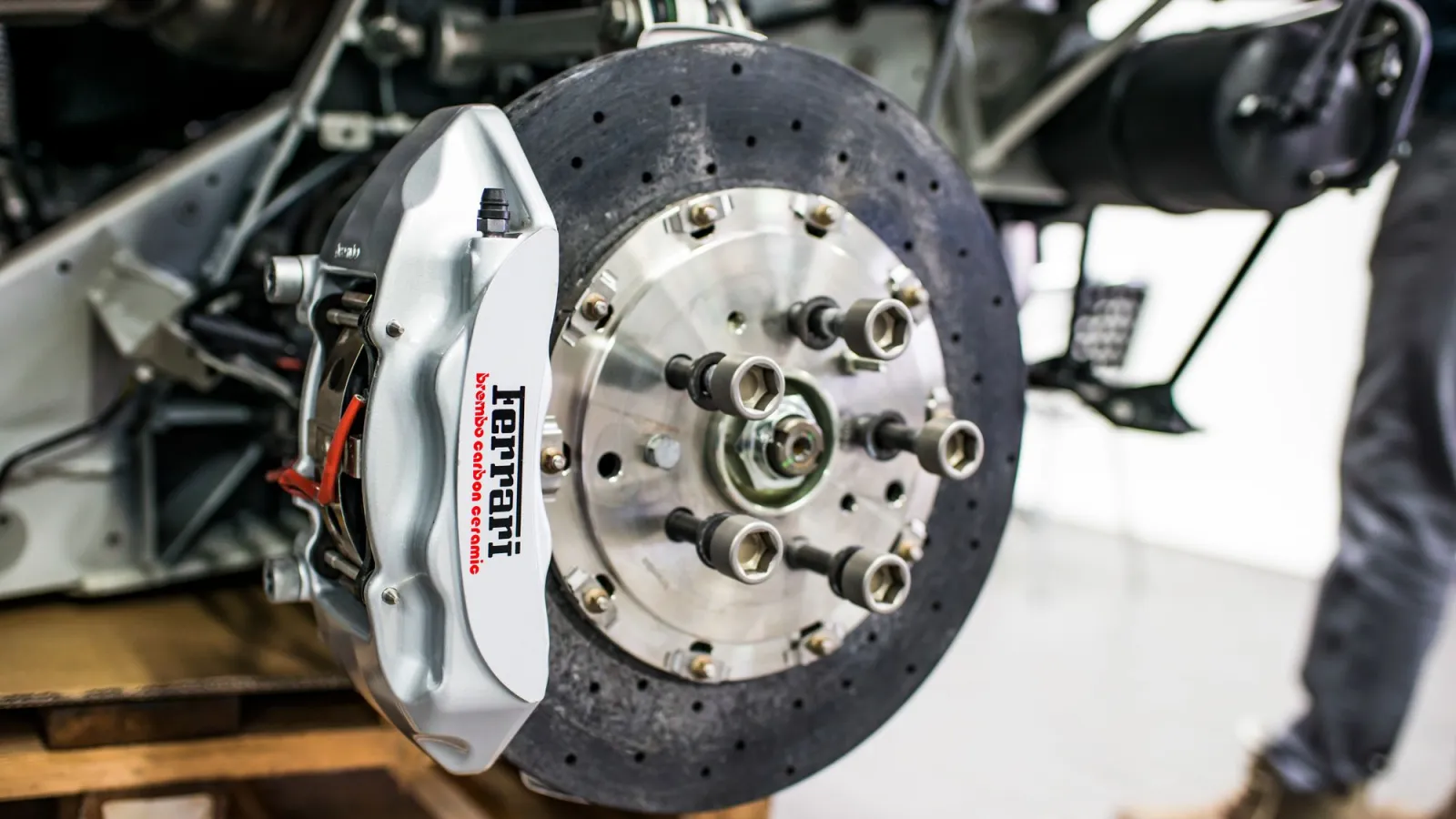
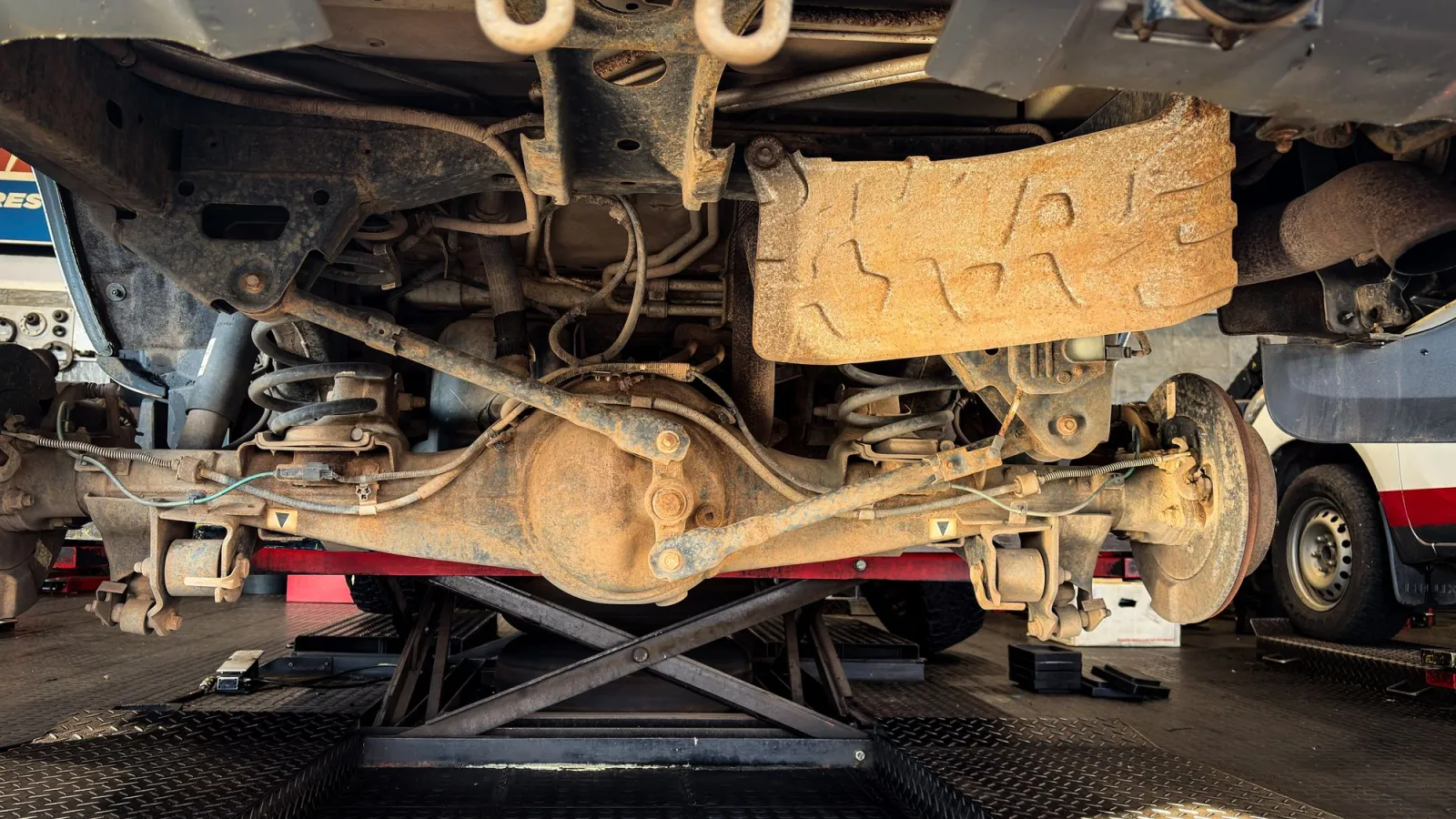
For example, a report of a braking concern followed by repeated entries about the same component may prompt questions about what was inspected and whether the repair resolved the issue. A gap in paperwork may also raise questions, but it does not automatically prove that maintenance was skipped. Investigators may compare the records with the damaged components, crash scene evidence, vehicle data, and witness accounts.
Timing matters because a record made before a crash may provide different information from a document created afterward. The language can matter, too: a general notation may tell less than a description identifying a defect, repair performed, and result. For background on this type of collision, see Truck Brake Failure Accidents.
- Compare the reported symptom with the component that was inspected or repaired.
- Check whether later records document follow-up or recurring concerns.
What evidence can help preserve the maintenance history?
Preserving relevant evidence early can help keep records and physical evidence available for review. Maintenance files may be held by different organizations, while a damaged truck or removed brake parts may be repaired, moved, or discarded. A careful record of where evidence came from can also help others assess whether it is complete and reliable.

If you are physically able, keep your own materials together, including photographs, medical paperwork, insurance correspondence, and notes about what you observed. Do not enter a truck yard, handle vehicle parts, or try to obtain company records yourself. A qualified representative can assess appropriate ways to request records and preserve vehicle evidence.
A prompt investigation may identify records beyond the maintenance log, such as driver reports, repair communications, inspection results, and relevant electronic information. The scope depends on the facts and applicable rules. Learn more about Negligent Truck Maintenance Claims when maintenance decisions may have contributed to a collision.
- Keep copies of documents and photographs already in your possession.
- Write down the names of companies, repair facilities, and witnesses you know were involved.
- Ask a qualified legal professional about preserving records and inspecting the truck.
Who may be responsible when a truck’s brakes fail?
Responsibility depends on the evidence and may involve more than the truck driver. A motor carrier may have controlled inspections or repair decisions; a maintenance contractor may have performed the work; and a manufacturer or parts supplier may be relevant if a component failed. The facts must connect a party’s conduct or product to the crash and resulting harm.

Maintenance records can help clarify who had responsibility for a particular task and when it was performed. Work orders may identify a repair provider, while company procedures or communications may show who received a defect report. But a name on a form does not establish liability by itself. The work, the defect, and the cause of the crash all need to be considered.
A complete review may include vehicle inspection, crash-scene evidence, driver records, maintenance history, and testimony from people with relevant knowledge. Different parties may have separate records, and some records may be incomplete or disputed. A truck accident claim can involve overlapping questions about how the vehicle was operated, maintained, and repaired.
- Consider who owned, operated, inspected, repaired, or supplied the relevant component.
- Check whether the evidence links a particular act or defect to the brake failure.
What if maintenance records are missing or disagree with the physical evidence?
Missing or inconsistent records create questions to investigate, but they do not establish a specific explanation for the brake failure by themselves. A document may be held by another company, stored in a separate system, or recorded under different terminology. Investigators may compare available paperwork with the truck’s components, repair history, and other evidence.
Conflicts can be important. A log may say that a repair was completed, while an invoice describes different work, or a later inspection may identify a continuing defect. Those differences can help direct further investigation, but the meaning depends on the source, timing, and context of each record. It is important not to assume that an inconsistency proves intentional wrongdoing.
If records are incomplete, other evidence may help fill in the picture, including photographs, communications, parts information, inspection findings, and accounts from people involved in the truck’s maintenance. The available evidence can change as records are collected and analyzed. A legal professional can explain how record preservation and access may apply to your situation without treating an unanswered question as proof.
- Keep copies of each version of a record and note where it came from.
- Compare dates, descriptions, and repair details against other available evidence.
How do maintenance records fit into an injury claim?
Maintenance records may help explain how the crash happened and whether a maintenance-related issue contributed, while medical and financial evidence documents the effects on you. A claim generally requires more than showing that a truck had a brake problem: the evidence must support the relevant legal elements, including a connection between the conduct or defect and the injuries claimed.
Records may be reviewed alongside crash reports, photographs, medical records, repair documents, and statements from witnesses. Their usefulness depends on whether they are reliable, relevant, and sufficiently detailed. The insurer or another party may dispute what the records mean, whether a maintenance issue caused the crash, or how the crash relates to particular injuries.
Keep communications and documents organized, and avoid guessing about technical causes when discussing the collision. If you are asked for a statement or records, you can get help understanding what is being requested and how it may relate to your claim. A Consultation can provide an opportunity to discuss the available evidence, the parties involved, and practical next steps.
- Gather documents and photographs you already have.
- Make a list of known companies, witnesses, and possible record holders.
- Discuss evidence, insurance communications, and applicable timing concerns with a qualified professional.
What rules may vary depending on where the crash happened?
State rules can affect how a truck injury claim is handled, including filing deadlines, fault rules, damage limits, and notice requirements for claims involving government entities. Those rules may depend on where the crash occurred, who may be responsible, and the circumstances of the claim. This article does not identify a deadline or describe a specific state’s law.

The location of the crash and the identity of potential defendants can matter when evaluating which rules apply. Deadlines can be short, and separate notice requirements may apply in some situations. A qualified professional can review the relevant jurisdiction and facts rather than relying on a general online summary.
Frequently Asked Questions
Does a maintenance checklist prove that the brakes were safe?
No. A checklist may show what was recorded, but it does not alone establish what was inspected, whether the inspection was adequate, or whether a defect was present. Other records and the truck’s physical condition may help assess its meaning.
Can a driver’s report be relevant to a brake failure claim?
It may be relevant if it describes a braking concern or another vehicle defect. Its value depends on what it says, when it was made, and how it compares with repair and inspection records.
Could a repair company be involved in a truck brake failure case?
A repair company may be relevant if evidence suggests its work contributed to the failure. The fact that a company serviced the truck does not, by itself, establish responsibility.
What should I do if an insurer asks for a recorded statement?
You can ask what information the insurer wants and take time to understand the request before responding. A legal professional can explain how a statement may relate to the claim and help you consider your options.
Do electronic records matter in addition to paper files?
They may. Relevant information can be stored in company systems or other electronic formats, but what exists and how it can be accessed depends on the vehicle, organizations involved, and circumstances.
Sources
Next Steps
If you were injured in a truck crash involving brake failure, gather the records and communications you already have and request a free case evaluation. You can discuss the available evidence, possible responsible parties, and any timing concerns with a legal professional. Request a free case evaluation

Related Articles

Rideshare Accidents Involving Food Delivery Drivers
A crash involving a rideshare driver and a food delivery driver can raise questions about fault, app status, and which insurance policies may apply. Learn what evidence can help clarify your options.

Arbitration Clauses in Rideshare Terms of Service
A rideshare arbitration clause may affect how you pursue certain injury claims, but its reach depends on the agreement, the parties, and the facts. Learn what to check after a crash.

Robotaxi and Driverless Ride Accidents: Liability Questions
Responsibility for a robotaxi crash depends on what caused it and who had a role in the vehicle’s operation, design, or upkeep. Learn which evidence may help clarify your options.
