

In this article
- What counts as poor route planning in a truck crash?
- How can dispatch decisions contribute to a crash?
- Who may be responsible for unsafe routing or dispatch?
- What evidence can help show what the company planned?
- How do investigators connect route planning to the collision?
- What if the company says the driver alone caused the crash?
- How can state law affect a truck crash claim?
- Frequently Asked Questions
- Sources
- Next Steps
A truck crash may involve poor route planning or dispatch when a company’s choices—such as directing a driver onto an unsuitable road or setting an unrealistic schedule—contribute to unsafe driving or the collision. Whether you have a claim depends on the evidence connecting those choices to the crash, the parties involved, and the law that applies.
Key Facts
- A difficult route alone does not prove that poor planning caused a crash.
- Dispatch messages, route records, and driver logs may help show what instructions were given.
- Responsibility may involve a driver, trucking company, or another business, depending on the facts.
- State rules can affect fault, deadlines, damages, and notice requirements.
What counts as poor route planning in a truck crash?
Poor route planning may be relevant when a route choice creates a foreseeable safety risk and contributes to a crash. Examples could include directing a truck onto a road that is unsuitable for its size or load, failing to account for known road restrictions, or giving directions that make safe travel impractical. The details matter: a challenging road or an unexpected delay does not, by itself, establish careless planning.
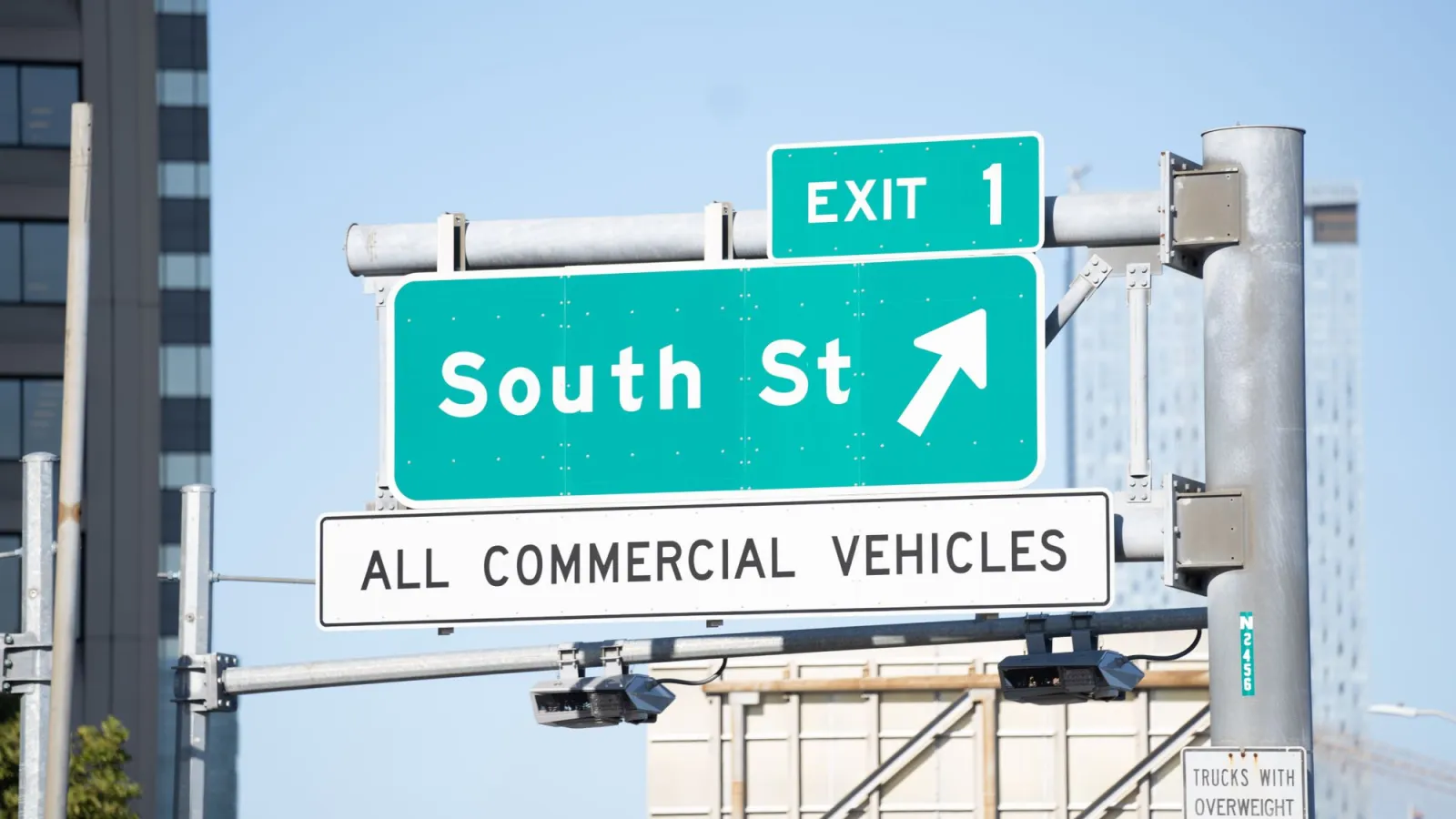
A planned route can be created by a dispatcher, a routing system, or a combination of both. The plan may change because of traffic, weather, construction, delivery instructions, or a driver’s on-road judgment. A useful review looks at what was known when the route was chosen and whether the people making decisions responded reasonably to the conditions.
Route decisions are only one part of a truck-crash investigation. Vehicle condition, driver conduct, cargo, road design, and the actions of other road users may also matter. If the collision involved a commercial vehicle, a truck accident investigation may examine how the planned route and the crash fit together rather than treating the route as proof on its own.
How can dispatch decisions contribute to a crash?
Dispatch decisions can contribute to a crash when they pressure a driver to travel unsafely or fail to respond to a clear problem. A dispatcher may assign a delivery schedule, select or change a route, communicate with a driver, or address delays. If the available evidence shows that company instructions contributed to unsafe driving or prevented a safer response, those decisions may deserve closer review.

For example, investigators may ask whether instructions encouraged speeding, discouraged a needed break, or required continued travel despite a developing safety concern. Those are questions to investigate, not assumptions about what happened in a particular crash. A schedule that is tight is not automatically proof of wrongdoing; the surrounding facts and applicable rules matter.
Dispatchers may communicate by phone, messaging systems, electronic logs, or other company tools. The timing and substance of those communications can help clarify whether a driver acted independently, followed an instruction, or raised a concern that was not addressed. In a semi-truck accident, evidence about dispatch may need to be considered alongside driver records, vehicle data, and the physical scene.
Who may be responsible for unsafe routing or dispatch?
Responsibility may rest with one or more parties if their conduct contributed to the crash. Depending on the facts, that could include the truck driver, the motor carrier, a dispatcher, or another business involved in setting delivery or routing expectations. Identifying a company connection is not enough on its own; evidence must support how a party’s actions relate to the collision under the law that applies.

A trucking company’s role may include assigning work, communicating route instructions, and setting operational expectations. The driver may still make independent choices on the road, including how to respond to hazards or changing conditions. A careful assessment distinguishes between company decisions and the driver’s conduct without assuming that one automatically excuses or establishes the other.
Other businesses may be relevant if records show they influenced routing, delivery timing, or another part of the trip. Their involvement does not automatically make them legally responsible. In a 18-wheeler crash, the vehicle’s owner, motor carrier, and other participants may need to be identified, and their roles assessed against the available evidence.
The exact parties and legal theories depend on the relationship between the businesses, the evidence, and state law. A company’s name on a truck or delivery document can be a useful lead, but it may not fully explain who controlled the relevant decision.
What evidence can help show what the company planned?
Business records and crash evidence can help show what route was planned, what dispatch instructions were given, and whether those decisions contributed to the collision. Useful material may include dispatch messages, trip sheets, route histories, delivery schedules, driver logs, and records of route changes. The value of each item depends on what it shows and how it relates to the events.

Electronic information may also matter, including data from a truck’s onboard systems, navigation tools, or company communications platforms. Physical evidence, photographs, witness accounts, road-condition information, and the police crash report can help establish what happened at the scene. A record that exists does not necessarily support either side; it needs to be interpreted in context.
If you have information about the carrier or truck, preserve your own photographs, messages, and other materials, and write down what you remember while it is fresh. Avoid altering original files. You can also keep a record of communications you receive about the crash and share relevant information during a case evaluation.
Some records may be held by a company or another party rather than by you. Their availability and preservation can depend on the circumstances and applicable law. An attorney can assess what evidence may be relevant and how to seek it through appropriate procedures.
How do investigators connect route planning to the collision?
Investigators connect route planning to a collision by comparing the plan and communications with the truck’s actual movements, road conditions, and crash evidence. They may examine whether the chosen route or a dispatch instruction created a hazard and whether that hazard played a meaningful role in the crash. A connection requires more than showing that a different route might have been available.
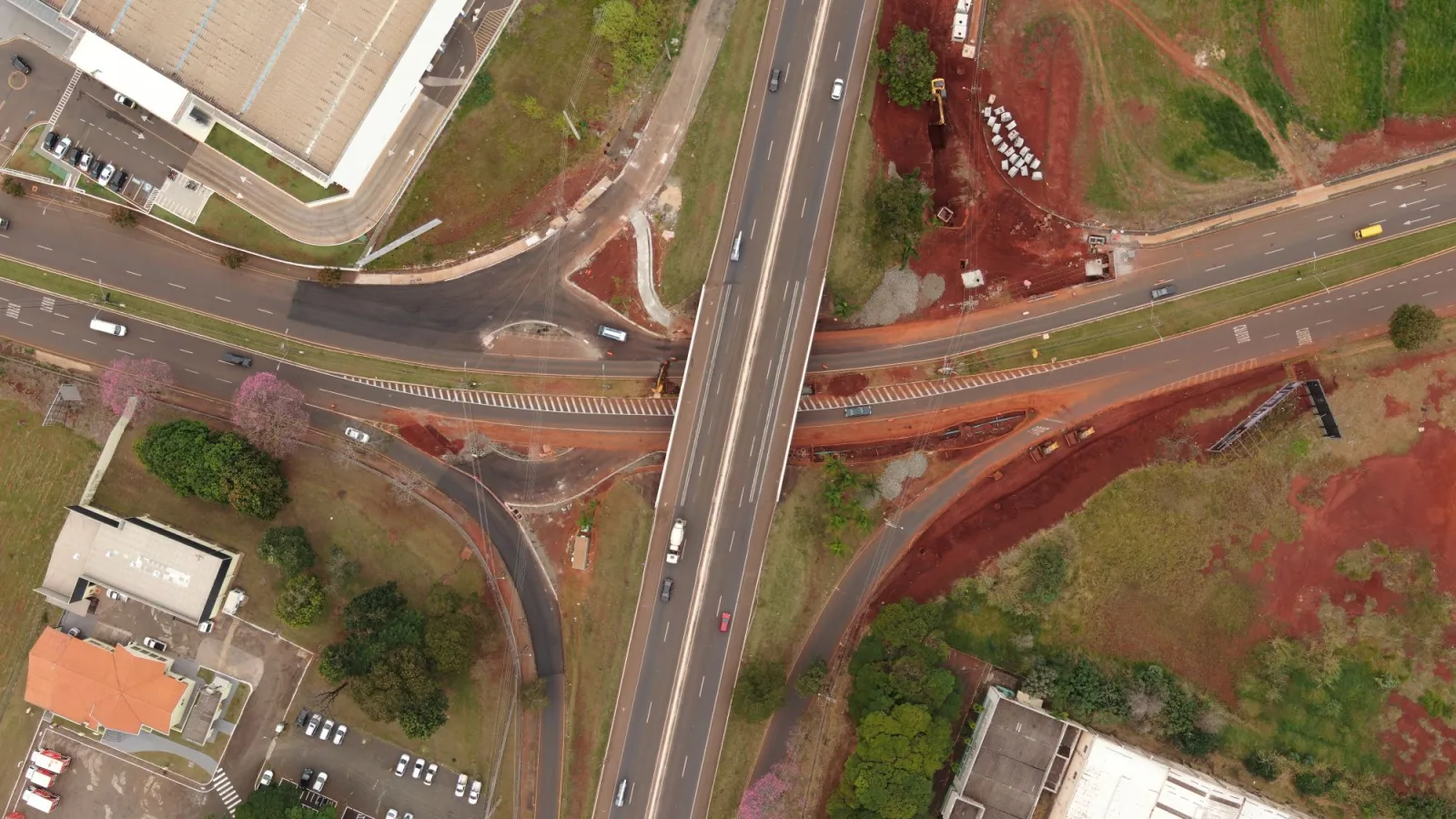
The inquiry may consider what the company and driver knew before the trip and as conditions changed. Relevant questions can include whether the truck could safely use the road, whether a restriction or hazard was known, and whether a safer alternative was practical. Investigators may also compare route records with vehicle data, driver logs, delivery instructions, and witness accounts.
Other explanations must be considered, too. A crash may involve a sudden road hazard, another driver’s actions, a mechanical issue, or multiple contributing factors. Considering alternatives helps distinguish an actual causal link from a route choice that merely appears questionable after the event.
The evidence can support different conclusions about the driver, carrier, or other parties. The strength of a potential claim depends on the complete factual record and the legal standards that apply, not on the route map alone.
What if the company says the driver alone caused the crash?
A company’s claim that the driver alone caused a crash is one position to evaluate, not a complete answer by itself. The driver’s conduct may be important, but records may also show whether dispatch instructions, scheduling expectations, route choices, or company practices contributed to the circumstances. The evidence must be reviewed before drawing conclusions about responsibility.

A useful evaluation compares the company’s account with available documents and other evidence. For example, route histories and dispatch messages may clarify what instructions the driver received, while vehicle and scene evidence may help establish how the collision occurred. Differences between accounts can point to questions for further investigation, but they do not automatically prove misconduct.
You can keep a clear record of what you observed and provide relevant documents during a legal review. Avoid relying only on an early explanation from an insurer or company representative if important facts remain unclear. An attorney can assess how the evidence, applicable law, and any state-specific rules affect your options.
How can state law affect a truck crash claim?
State law can affect the time to bring a claim, how fault is allocated, limits on damages, and whether special notice rules apply. The applicable rules may depend on where the crash happened, who may be responsible, and whether a public entity or other special party is involved.

Federal motor-carrier safety requirements may also be relevant to a route or dispatch investigation, but they do not replace state rules governing a personal injury claim. Because these rules can vary, a review of the specific crash circumstances and location can help identify which legal requirements may apply.
Frequently Asked Questions
Does a GPS route prove that a trucking company was negligent?
No. A GPS route can help show where a truck traveled, but it does not by itself establish that the route was unsafe or caused the crash. Investigators may compare it with road restrictions, dispatch instructions, conditions, and other evidence.
Can bad weather make a route-planning decision important?
It can be relevant if the conditions were known or became apparent and the route or dispatch response contributed to a hazard. The weather alone does not establish that a company or driver acted improperly. The timing, available information, and actions taken all matter.
Can a delivery broker or customer be involved in a claim?
Possibly, if evidence shows that the business had a relevant role in the decisions connected to the crash. A business relationship or delivery arrangement alone does not establish responsibility. Its actual conduct and role need to be examined.
What if you do not have the dispatch records?
You may not need to possess company records to ask an attorney to assess whether they could be relevant. Keep any materials you do have, such as photographs or communications, and explain what you know about the trip. The availability and process for obtaining other records depend on the circumstances and applicable law.
Can a route mistake matter if the driver also made an error?
Yes, more than one decision or action may be relevant to how a crash occurred. Whether another party shares legal responsibility depends on the evidence and the state rules that apply. A driver’s conduct does not automatically resolve whether company decisions also contributed.
Sources
Next Steps
If you are trying to understand whether routing or dispatch decisions contributed to your crash, gather the records and details you have and request a free case evaluation. You can contact us for a consultation to discuss the evidence and possible next steps, without any promise about the outcome.

Related Articles

Rideshare Accidents Involving Food Delivery Drivers
A crash involving a rideshare driver and a food delivery driver can raise questions about fault, app status, and which insurance policies may apply. Learn what evidence can help clarify your options.
Arbitration Clauses in Rideshare Terms of Service
A rideshare arbitration clause may affect how you pursue certain injury claims, but its reach depends on the agreement, the parties, and the facts. Learn what to check after a crash.

Robotaxi and Driverless Ride Accidents: Liability Questions
Responsibility for a robotaxi crash depends on what caused it and who had a role in the vehicle’s operation, design, or upkeep. Learn which evidence may help clarify your options.
