

In this article
- Who may be at fault in a T-bone accident?
- What evidence can help explain how the crash happened?
- How can injuries affect a T-bone accident claim?
- Can another person or a road condition contribute to the collision?
- How might insurance and shared fault affect your claim?
- What can you do to evaluate a possible T-bone claim?
- Which state rules may affect a T-bone accident claim?
- Frequently Asked Questions
- Next Steps
A T-bone accident claim may depend on who had the right of way, what each driver did before impact, and how the collision caused your injuries and losses. Photos, witness accounts, vehicle damage, medical records, and available video may help explain what happened. Fault rules and claim deadlines vary by state, so the details matter.
Key Facts
- A side-impact collision does not, by itself, determine legal fault.
- The point of impact and damage patterns may help explain how the crash occurred.
- Witnesses, video, photographs, and vehicle records may provide useful evidence.
- Medical records can help connect reported injuries to the collision.
- State laws can affect fault allocation, deadlines, and available damages.
Who may be at fault in a T-bone accident?
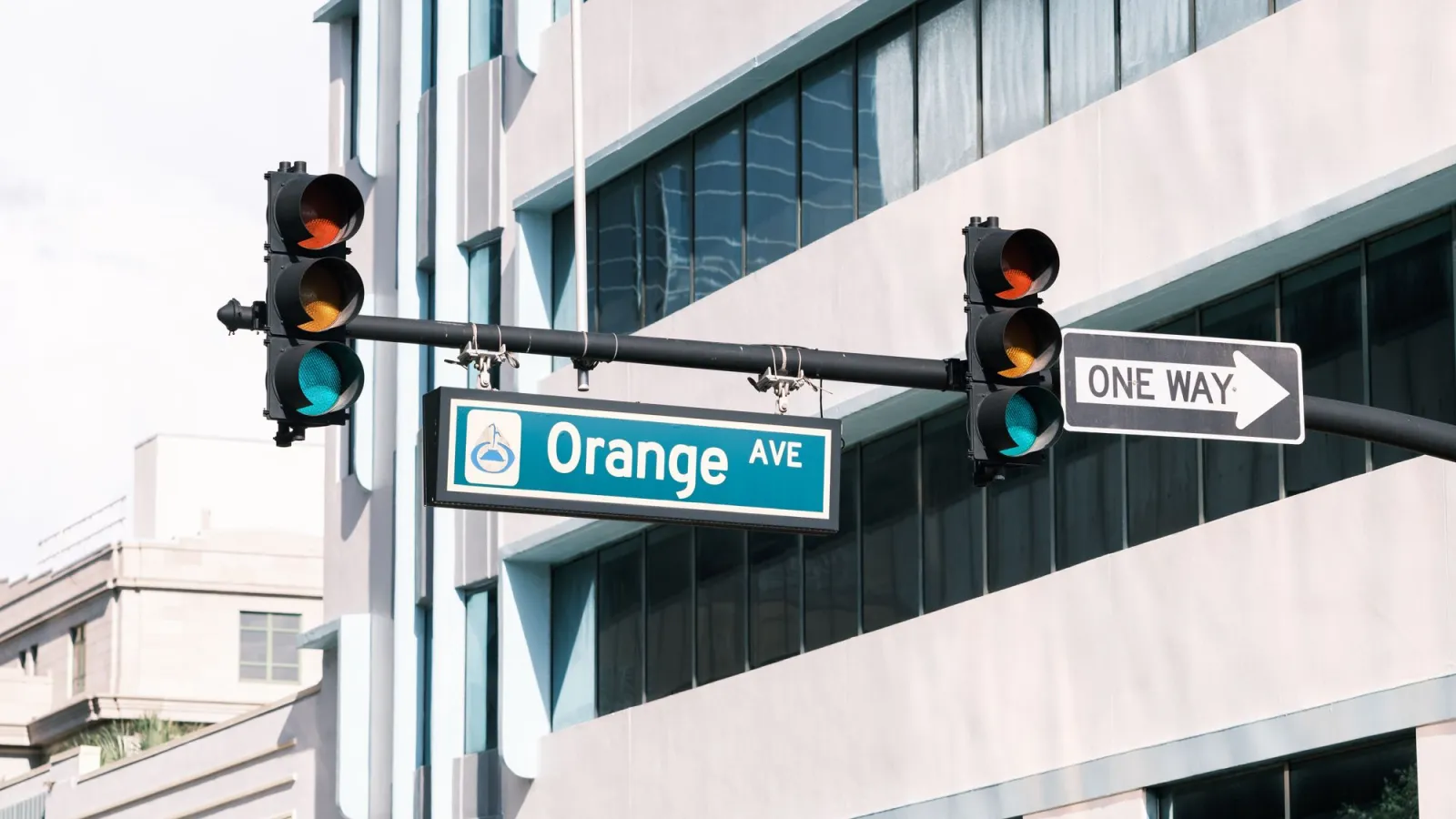
Fault in a T-bone accident depends on the facts, not simply on which vehicle struck the other. A driver who entered an intersection against a traffic signal, failed to yield, or made an unsafe turn may have contributed to the collision. The other driver’s conduct also matters, including speed, attention, and whether they had a reasonable chance to avoid impact.
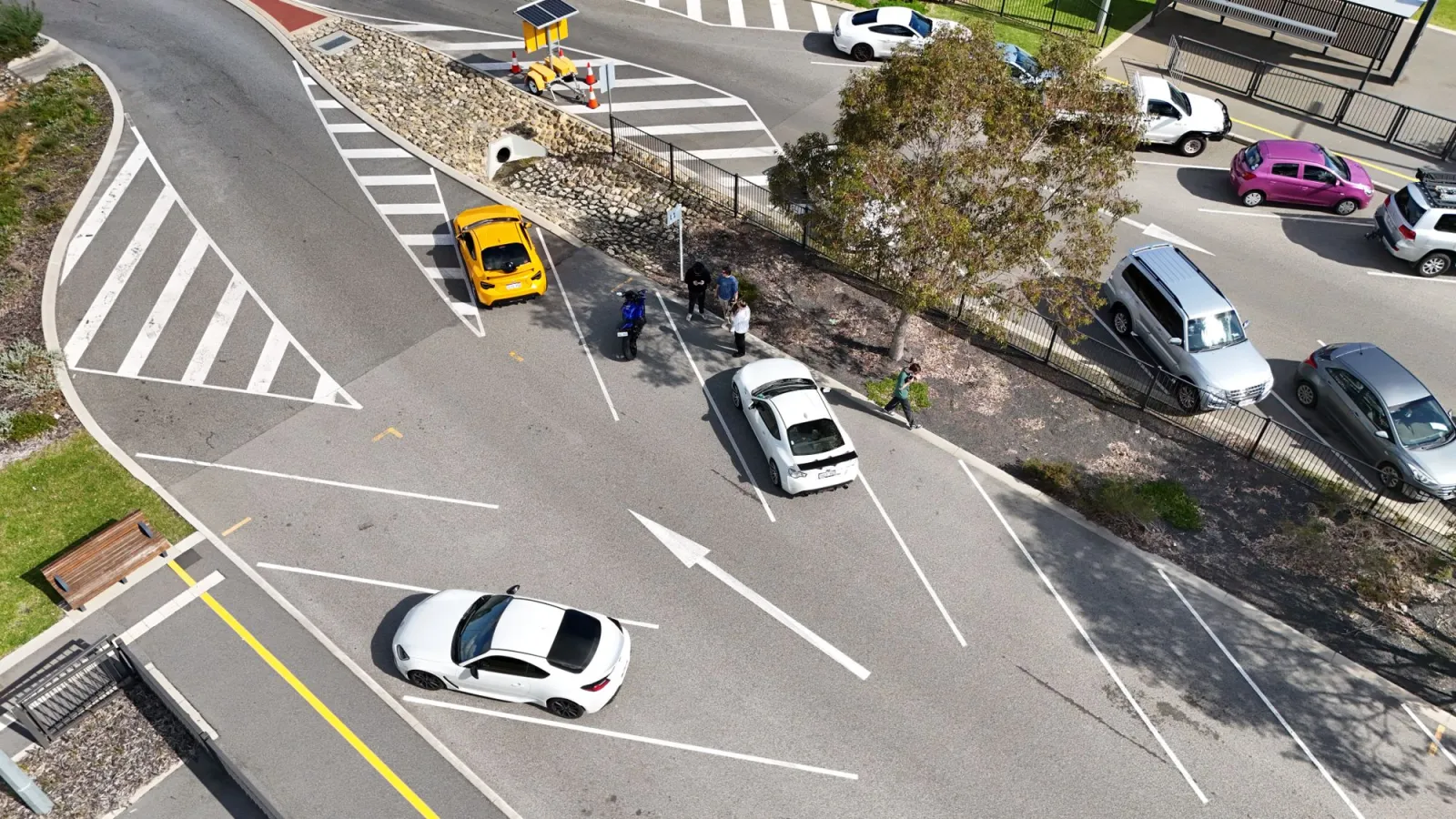
The location of the vehicles can help investigators understand the sequence of events, but it does not settle the legal question on its own. A side impact may happen in an intersection, parking lot, driveway, or other roadway setting, and each setting can raise different questions about right of way and driver conduct. The T-Bone / Side-Impact Collisions guide explains common features of these crashes.
More than one person may share responsibility. For example, evidence might show that one driver entered the intersection improperly while another was traveling too fast or was distracted. The rules for assigning shared fault differ by state, so a claim assessment usually considers the specific evidence alongside the law that applies where the collision happened.
What evidence can help explain how the crash happened?
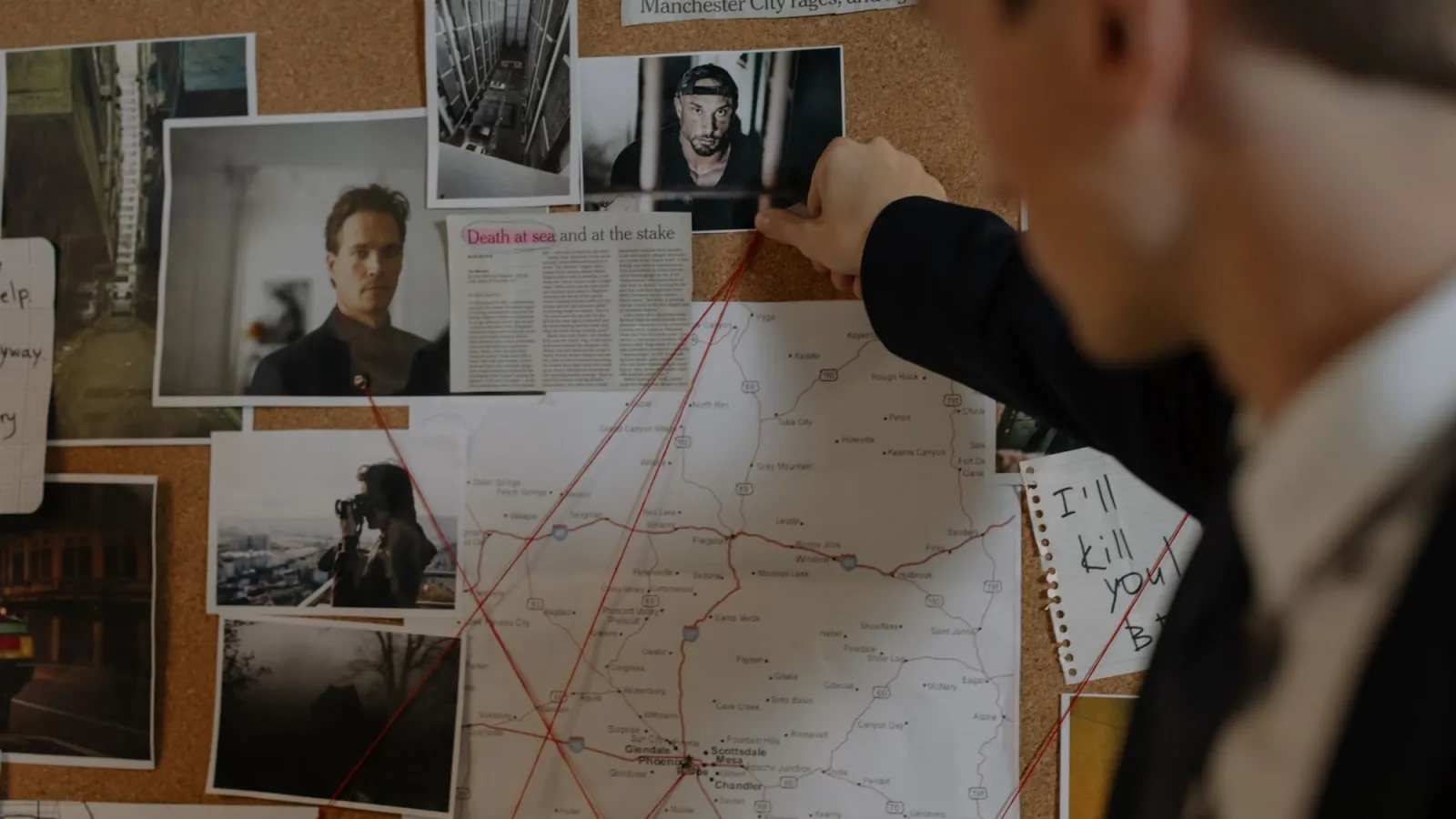
Evidence can help reconstruct the moments before impact and test competing accounts of the collision. Useful materials may include scene photographs, vehicle damage, witness contact details, traffic-camera or business-camera footage, and the responding officer’s report. Whether a particular item is available or admissible depends on the circumstances and applicable rules.
The condition of the vehicles may provide clues about the direction and force of impact, but it is only one part of the picture. Skid marks, debris, roadway signs, traffic signals, weather, and sightlines may also matter. If the vehicles are repaired or removed before information is documented, some details may become harder to review later.
If you are able, take these practical steps after the collision:
- 1. Save photographs of the vehicles, scene, traffic controls, and visible injuries.
- 2. Write down witness names and contact information, and note where any cameras may be located.
- 3. Keep copies of the crash report, repair estimates, medical records, and insurer communications.
- 4. Preserve original files and note when and where you obtained them.
How can injuries affect a T-bone accident claim?
Injuries can affect a claim by shaping the evidence of harm, the care you received, and the losses you report. A side-impact collision may involve contact with a door or other parts of the vehicle, but the type and seriousness of an injury cannot be determined from the crash description alone. Your symptoms and medical evaluation are more relevant than assumptions about the collision.
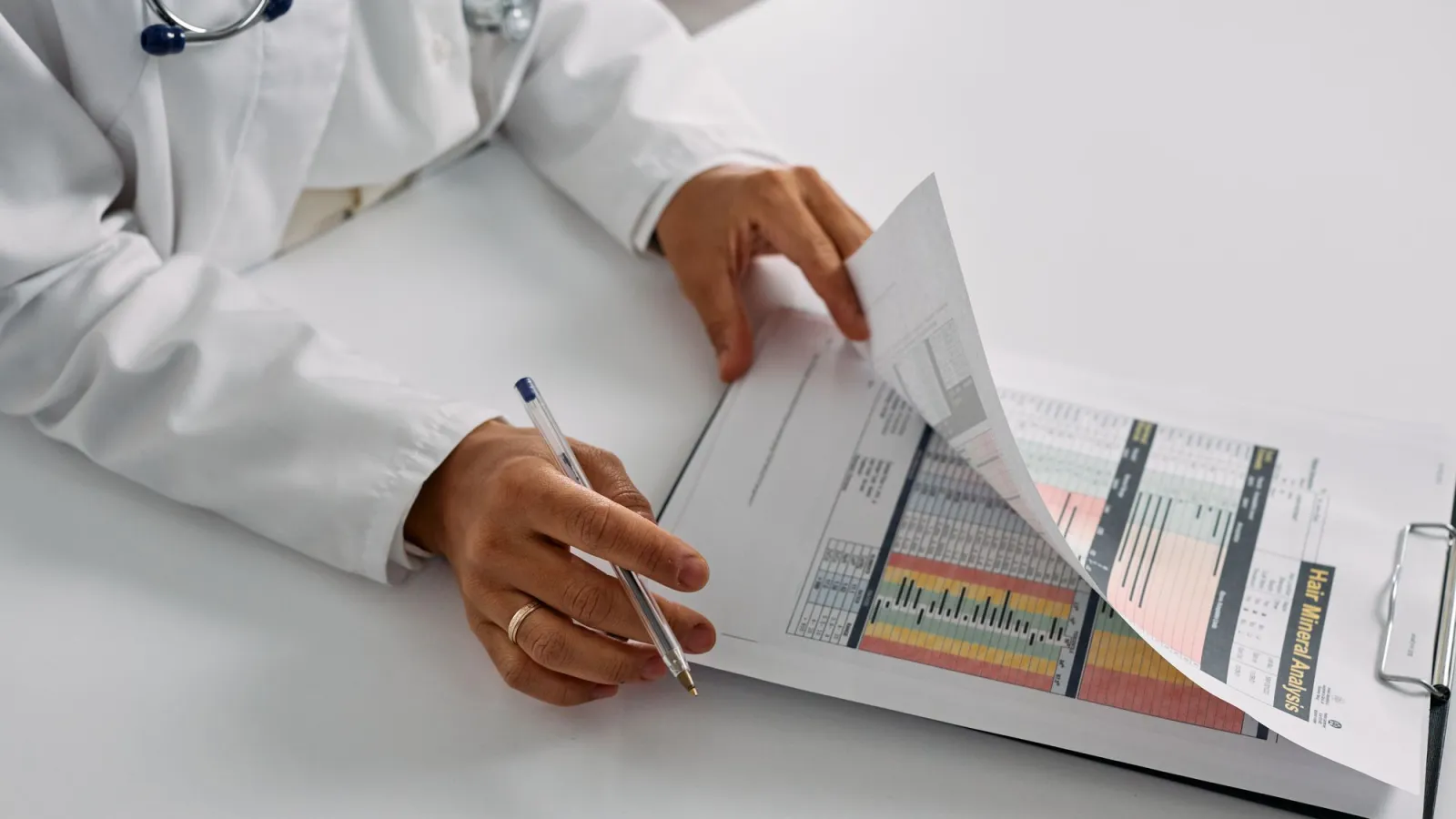
Some symptoms may not be obvious at the scene or may change over time. Keep a clear record of what you experience, when it began, and how it affects daily activities, and share accurate information with your healthcare providers. Medical records may help document the timing of complaints, examination findings, treatment, and any recommended follow-up.
A claim may also involve expenses and non-financial effects, depending on state law and the facts. Records such as bills, work absence information, and notes about changes to daily routines may help describe those effects. Avoid guessing about future recovery or presenting uncertain details as established facts; an accurate, consistent account is more useful.
Can another person or a road condition contribute to the collision?
A driver may not be the only possible source of responsibility when another person’s conduct or a roadway condition contributed to the crash. Depending on the evidence, a claim may involve another driver, a vehicle owner, an employer, or an entity responsible for a road or traffic control. Identifying a possible party is not the same as proving that party is legally liable.

For example, a blocked view, malfunctioning signal, confusing lane layout, or missing warning may raise questions about road design or maintenance. The relevant issue is whether the condition contributed to the collision and whether a responsible party had a legal duty and failed to meet it. Defective Road Design Accident Claims describes how roadway conditions may become relevant.
Claims involving public entities can have special procedures, and evidence about maintenance, prior complaints, or signal operation may require careful review. The identity of the entity, the condition of the roadway, and the state’s rules can all matter. A collision report may identify a location or control device, but it may not answer whether a road-related claim exists.
How might insurance and shared fault affect your claim?
Insurance decisions may depend on the evidence, policy terms, and state law, and an insurer’s initial view is not necessarily the final legal determination. An adjuster may ask for a recorded account, documents, or permission to review records. Before responding, make sure you understand what is being requested and keep copies of communications and materials you provide.

If the evidence suggests that more than one person contributed, state law determines how shared fault may affect recovery. Some systems may reduce a claim based on a person’s share of fault, while other rules can restrict recovery in different ways. Do not assume the same fault rule applies everywhere; the location of the crash can change the analysis.
You can organize your account by separating what you personally remember from what you learned later or what another person told you. Do not speculate when you do not know an answer. The broader Car Accidents resource covers common issues that may arise when dealing with an auto claim, including evidence and insurance communications.
What can you do to evaluate a possible T-bone claim?
You can begin evaluating a possible claim by organizing the collision evidence, injury information, and insurance records without assuming that any single fact proves fault. A clear timeline can help show when the crash occurred, what you observed, when symptoms arose, and what steps followed. Keep the original documents and make a separate set of copies for review.
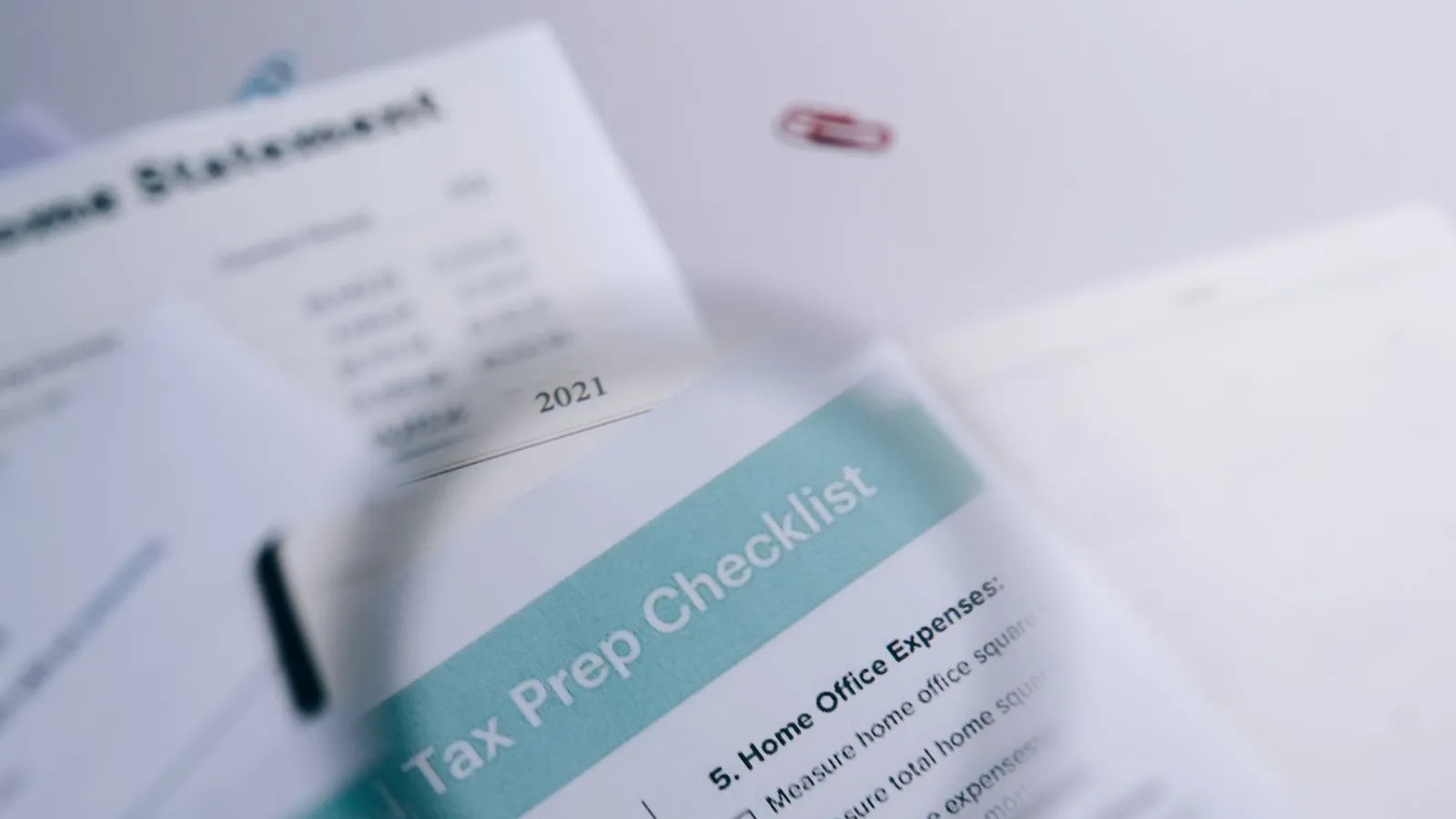
Use a simple checklist to prepare your materials:
As you gather records, note anything that is missing or difficult to obtain, such as footage that may be held by a nearby business. Preserve messages and documents in their original form, and avoid altering photos or files. This organization can make it easier to spot unanswered questions and prepare for a focused claim review.
- 1. Collect the crash report, scene and vehicle photographs, witness details, and any available video.
- 2. Arrange medical records, bills, work-related documentation, and notes about symptoms or daily effects.
- 3. Save policy information, claim numbers, adjuster contacts, letters, and messages.
- 4. List questions about fault, missing evidence, possible contributing parties, and any deadlines you have been told about.
Which state rules may affect a T-bone accident claim?
State rules may affect how fault is shared, how long you have to bring a claim, whether damage caps apply, and whether a special notice is required. These rules can differ depending on the parties involved and the type of claim, particularly when a public entity may be responsible.

Because no state or crash location is specified here, this guide cannot identify a deadline or determine which fault rule applies. The place where the collision occurred is an important starting point, and a claim review can help flag state-specific requirements and time-sensitive steps.
Frequently Asked Questions
What does T-bone accident mean?
It describes a collision in which the front of one vehicle strikes the side of another, creating a shape like the letter T. The term describes the impact pattern, not who is legally at fault.
Can a passenger make a claim after a side-impact collision?
A passenger may have a claim if the collision caused an injury or other legally recognized loss. Which insurance policies and parties may be involved depends on the facts, coverage, and state law.
What if there is no police report?
A missing report does not necessarily prevent you from documenting what happened. Photographs, witness accounts, vehicle records, medical documentation, and insurer records may still be relevant.
Does visible vehicle damage prove an injury?
Vehicle damage may help describe the collision, but it does not by itself establish whether someone was injured or how serious an injury is. Medical assessment and records are more directly relevant to documenting health effects.
Can I ask someone to review an insurance offer?
Yes. A claim review can examine the offer, available evidence, reported losses, and any state-specific considerations. The outcome depends on the facts and applicable law.
Next Steps
If you have questions about fault, evidence, injuries, or an insurance offer, you can gather your records and request a Consultation. A case evaluation can help identify issues to review, including any state-specific deadlines that may apply.

Related Articles

Rideshare Accidents Involving Food Delivery Drivers
A crash involving a rideshare driver and a food delivery driver can raise questions about fault, app status, and which insurance policies may apply. Learn what evidence can help clarify your options.
Arbitration Clauses in Rideshare Terms of Service
A rideshare arbitration clause may affect how you pursue certain injury claims, but its reach depends on the agreement, the parties, and the facts. Learn what to check after a crash.

Robotaxi and Driverless Ride Accidents: Liability Questions
Responsibility for a robotaxi crash depends on what caused it and who had a role in the vehicle’s operation, design, or upkeep. Learn which evidence may help clarify your options.
