

In this article
- What does spoliation of vehicle evidence mean?
- Why can vehicle evidence matter to a crash claim?
- What does a vehicle preservation letter do?
- When should you request preservation?
- What vehicle evidence may need to be preserved?
- What if the vehicle has already been repaired or lost?
- How can state law affect vehicle evidence preservation?
- Frequently Asked Questions
- Next Steps
A preservation letter matters because vehicles and their electronic data can be repaired, sold, or salvaged before a crash claim is resolved. The letter identifies evidence that may be relevant and asks its recipient to preserve it. It can help document notice, but it does not ensure preservation or decide whether evidence was legally destroyed.
Key Facts
- Vehicle evidence may include electronic data, physical damage, and installed cameras or accessories.
- A preservation letter identifies evidence and asks a recipient to keep it intact.
- A letter does not ensure that evidence will be preserved or collected.
- Preservation duties and the consequences of lost evidence can depend on the circumstances and state law.
- Photographs, repair records, and written communications can help document what happened to a vehicle.
What does spoliation of vehicle evidence mean?
Spoliation means the loss, destruction, or alteration of evidence that may matter to a legal claim. In a crash case, that can involve a vehicle being repaired, dismantled, sold, or scrapped before relevant evidence is examined. It can also involve electronic information being overwritten or no longer accessible.
Not every change to a vehicle is wrongful. Cars need repairs, insurers inspect damage, and storage facilities may eventually move or dispose of a vehicle. Whether the handling of evidence has legal significance depends on factors such as what was known, whether a claim or lawsuit was reasonably anticipated, and what steps were taken to preserve the evidence.
A preservation letter is a written request to keep identified evidence intact. It may be sent to another driver, an owner, an insurer, a business, or another person or organization that has control of a vehicle or its records. A careful request focuses on specific items and explains why they may relate to the crash.
If your crash involved several vehicles or a collision sequence that is disputed, evidence from each vehicle may matter. The circumstances can differ in multi-vehicle pileups, so identifying who controls each vehicle and its records can be important.
Why can vehicle evidence matter to a crash claim?
Vehicle evidence can help explain how a collision happened and what forces or damage were involved. Photographs and an inspection may show the location and pattern of damage, while electronic data may record certain vehicle conditions around a crash. The available information varies by vehicle, its equipment, and whether the data remains accessible.
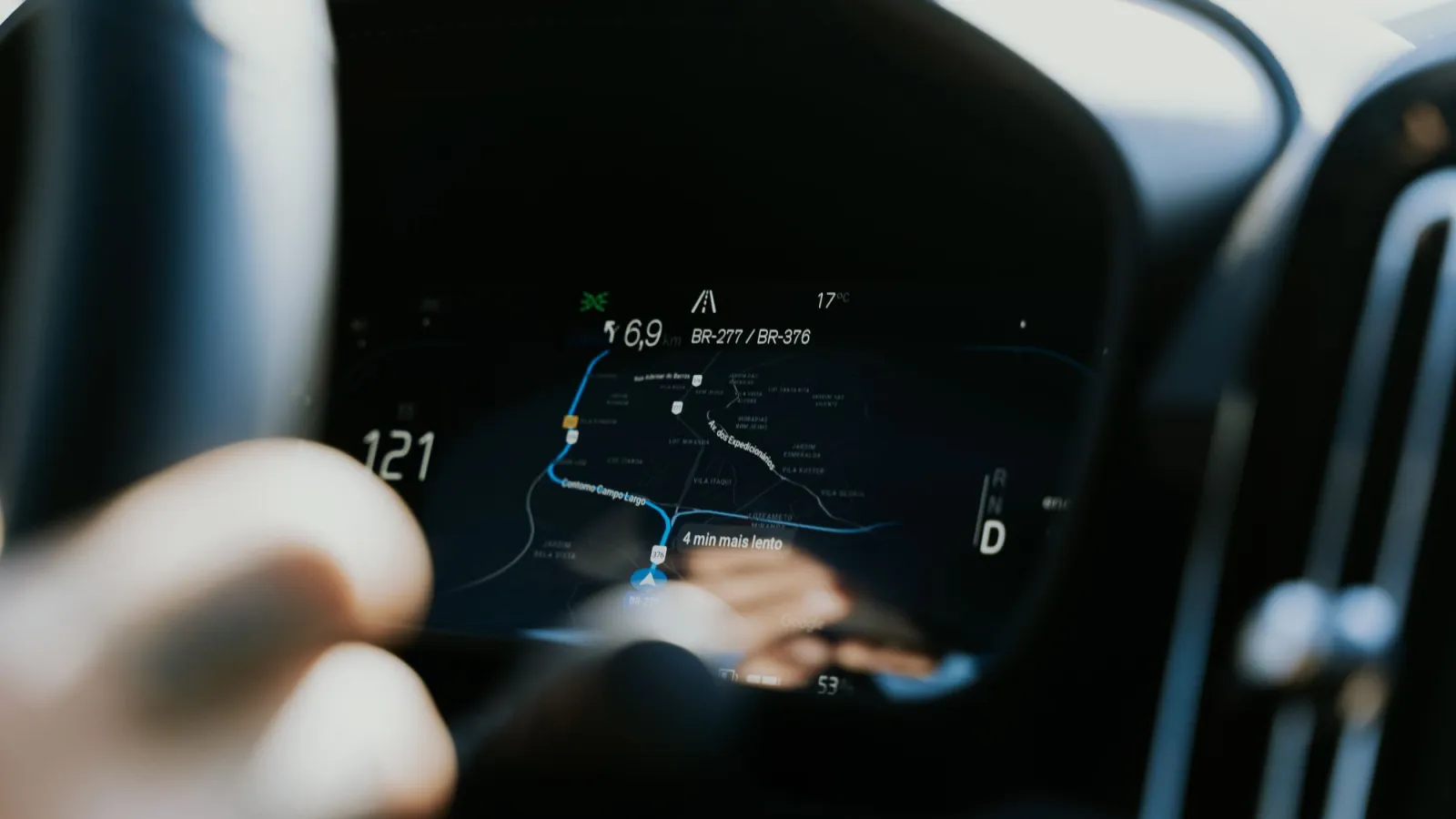
Electronic control modules may store information such as speed, braking, or other vehicle inputs, but they do not necessarily record every detail or provide a complete account of a collision. A qualified examination may be needed to identify what a particular vehicle recorded and how the data should be interpreted. Access and collection methods can also raise technical and legal issues.
Other potentially useful evidence includes broken parts, tire condition, seat-belt use, airbag deployment, onboard camera footage, and repair or inspection records. Photographs can preserve visible details before a vehicle changes, but they do not replace an inspection or electronic download when those are appropriate.
Evidence may help clarify disputed accounts, including whether a vehicle slowed, stopped, or changed direction. In a rear-end collision, for example, vehicle condition and available electronic information may add context, but neither should be treated as proof of fault by itself. The full circumstances and other evidence still matter.
What does a vehicle preservation letter do?
A vehicle preservation letter gives written notice that particular evidence may be relevant and requests that the recipient not destroy, alter, repair, or dispose of it before appropriate documentation or inspection. It can create a record of what was requested and when the recipient was informed. It is a request, not a court order, and the recipient may respond in different ways.
A useful letter identifies the vehicle as clearly as possible and describes the evidence to preserve. Depending on the case, that may include the vehicle itself, its electronic data, installed recording devices, damaged components, photographs, inspection results, and records about storage, repair, or sale. A broad or unclear request may make it harder for the recipient to understand what is being asked.
The letter should also address practical handling. A vehicle may be needed for transportation, may be accruing storage costs, or may be subject to an insurer’s inspection process. Communication can help coordinate documentation and inspection without assuming that the other side must keep the vehicle indefinitely.
Sending a letter does not automatically establish that a recipient had a legal duty to preserve every item, nor does it determine what happens if evidence is lost. Those questions can depend on the law and facts. Keep a copy of the request and delivery records, and retain any response or related communications.
When should you request preservation?
You can raise preservation as soon as you have reason to believe a vehicle or related data may be important and could change or disappear. Delay may make it harder to locate a vehicle, identify who controls it, or arrange an inspection before repairs or salvage. At the same time, the right scope and timing depend on the circumstances of the crash.
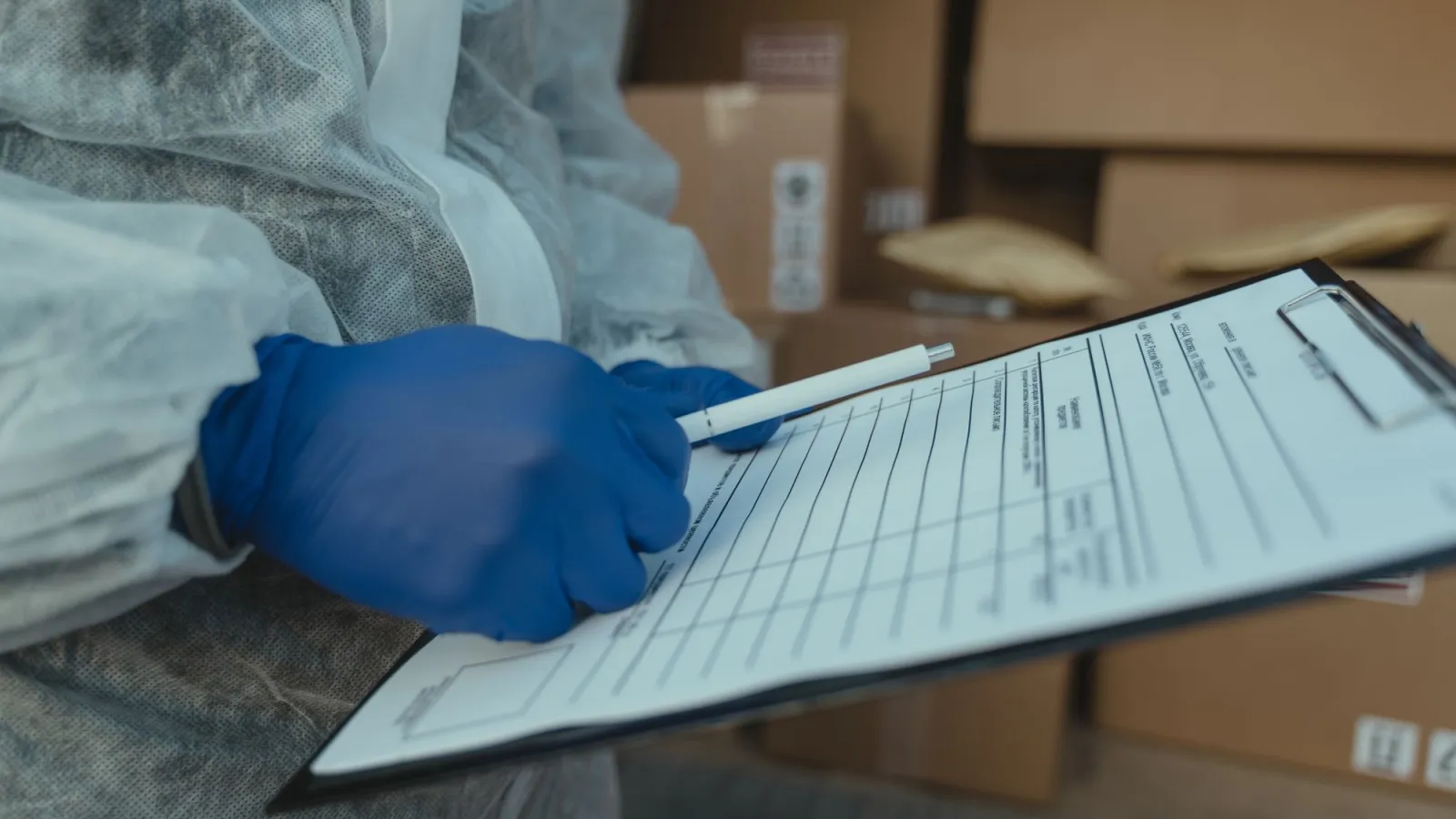
A practical process is to identify the evidence, locate its custodian, make a clear written request, and keep a record of communications. A lawyer or qualified investigator may help assess whether an inspection or specialized data collection is appropriate. If you are still sorting out your options after a collision, the firm’s Car Accidents information can help you understand the kinds of issues that may arise.
- 1. Record what you know about the vehicle, including its make, model, identifying details if available, and current location.
- 2. Find out who may control the vehicle or relevant records, such as its owner, an insurer, a repair facility, or a storage business.
- 3. Put the request in writing, describe the evidence, and ask the recipient to contact you before repairs, sale, dismantling, or disposal.
- 4. Save a copy of the request, proof of delivery, replies, and any updates about the vehicle’s condition or location.
What vehicle evidence may need to be preserved?
The evidence worth preserving depends on the collision and the questions in dispute. A request may concern the whole vehicle, particular components, electronic data, or records about what happened to the vehicle after the crash. Listing relevant categories can help make a request useful without assuming that every item exists or contains information.
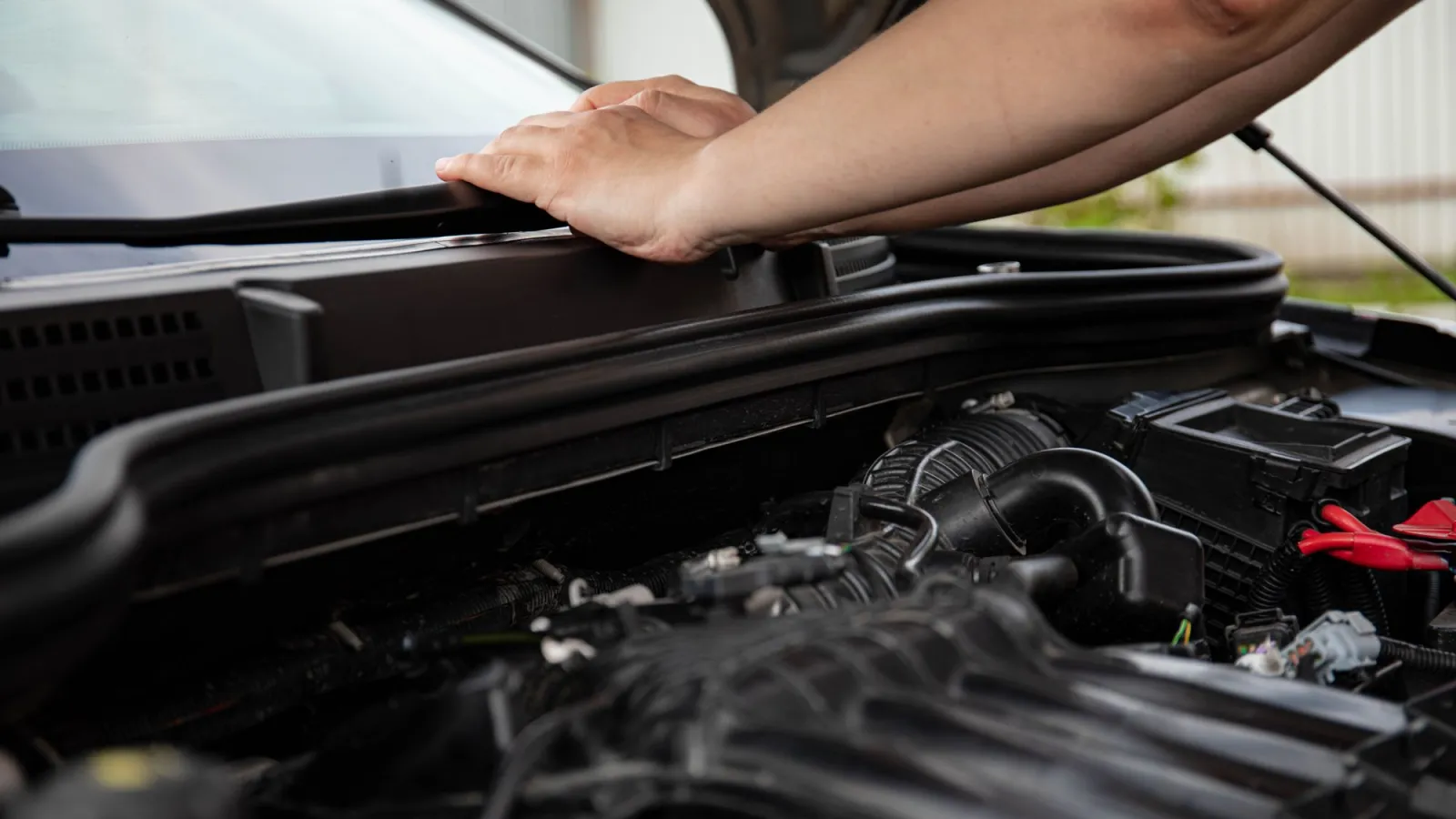
Possible items include the vehicle’s electronic control module data, onboard camera footage, event-related photographs, airbag and seat-belt components, tires, brakes, and damaged parts. Records may include inspection notes, repair estimates, invoices, towing and storage records, and communications about the vehicle’s condition. The vehicle’s owner or custodian may have some of these materials while an insurer, repair facility, or another entity has others.
If the vehicle is yours, take photographs of the exterior, interior, damage, and any visible identifying details when it is safe to do so. Keep repair estimates, bills, and messages about the vehicle. Before authorizing repairs or disposal, consider documenting its condition and discussing how potentially relevant evidence can be examined. Safety and necessary repairs remain important, so do not delay urgent repairs without considering the risks.
Avoid trying to remove or download electronic components yourself. Data can be altered, lost, or misinterpreted during handling, and some systems require specialized methods. A professional may be able to advise on an appropriate inspection and how to document the process.
What if the vehicle has already been repaired or lost?
A vehicle that has already been repaired, sold, or scrapped does not automatically mean that a claim has no supporting evidence. The available options depend on what remains, how the vehicle was handled, and what information can be recovered from other sources. The loss may affect the ability to investigate, but it does not by itself answer questions about fault or responsibility.
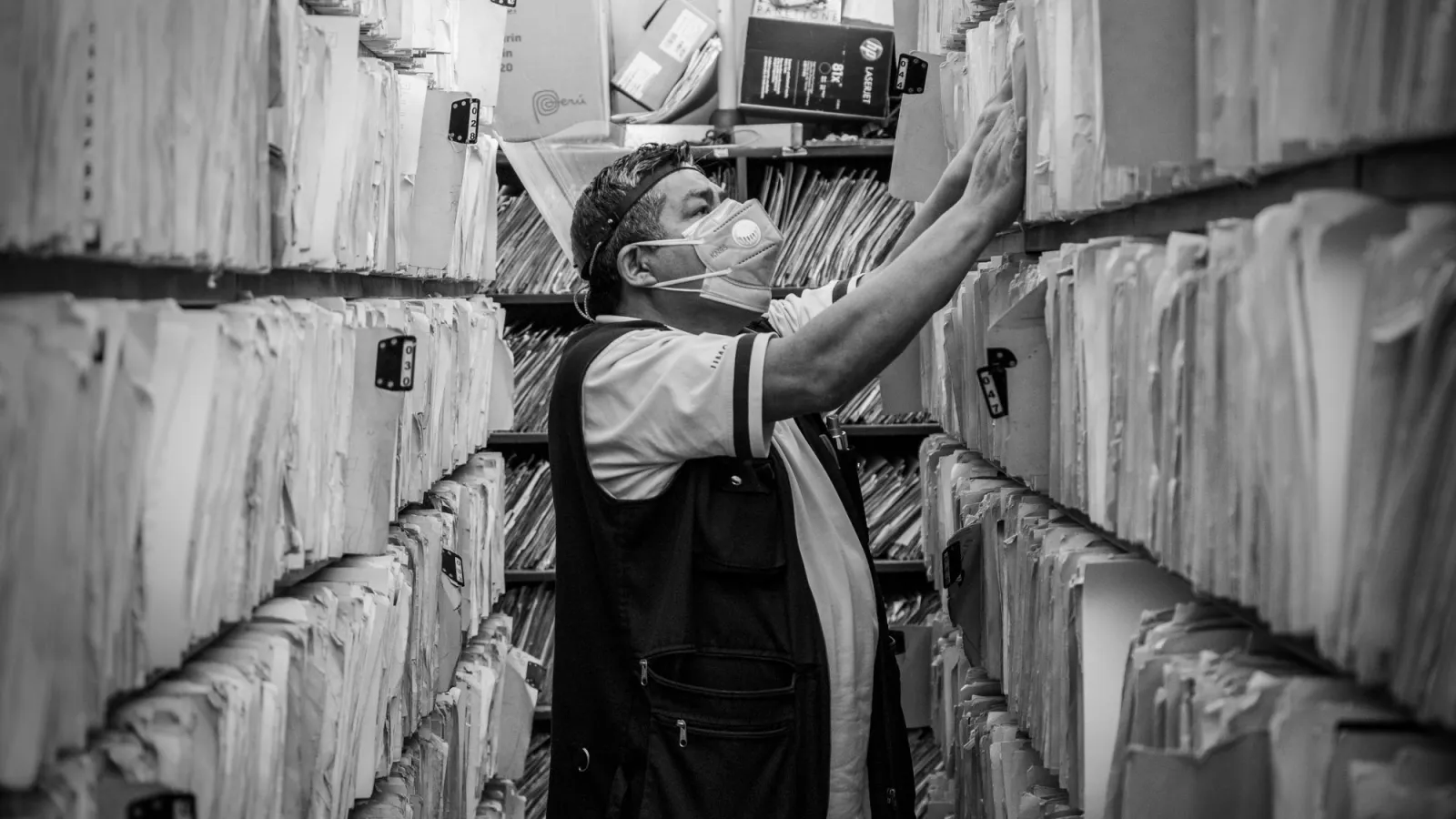
Look for records and images made before or during the change. These may include photographs, repair estimates, insurer inspection materials, towing records, parts kept after repairs, and communications with the owner or business that handled the vehicle. Ask who had possession of the vehicle, when work or disposal occurred, and whether any data or components were retained.
Write down what you know about the vehicle’s history and preserve related messages and documents. Avoid making assumptions about why evidence is unavailable or who is responsible for its loss. If a preservation request was sent, keep the letter and any delivery confirmation or response; the timing and wording may matter when the circumstances are evaluated.
An attorney can review the available information and explain how applicable law may treat missing evidence. The impact can depend on whether the evidence was relevant, whether a preservation duty applied, and whether other evidence can answer the same questions. A vehicle’s absence may make investigation more difficult, but it is only one part of the overall claim.
How can state law affect vehicle evidence preservation?
State law can differ on when a duty to preserve evidence arises, what notice is meaningful, and what remedies may be available if relevant evidence is lost. Rules about fault, damage limits, and required notices can also vary by state, though they are separate from the practical value of documenting a vehicle and requesting preservation.
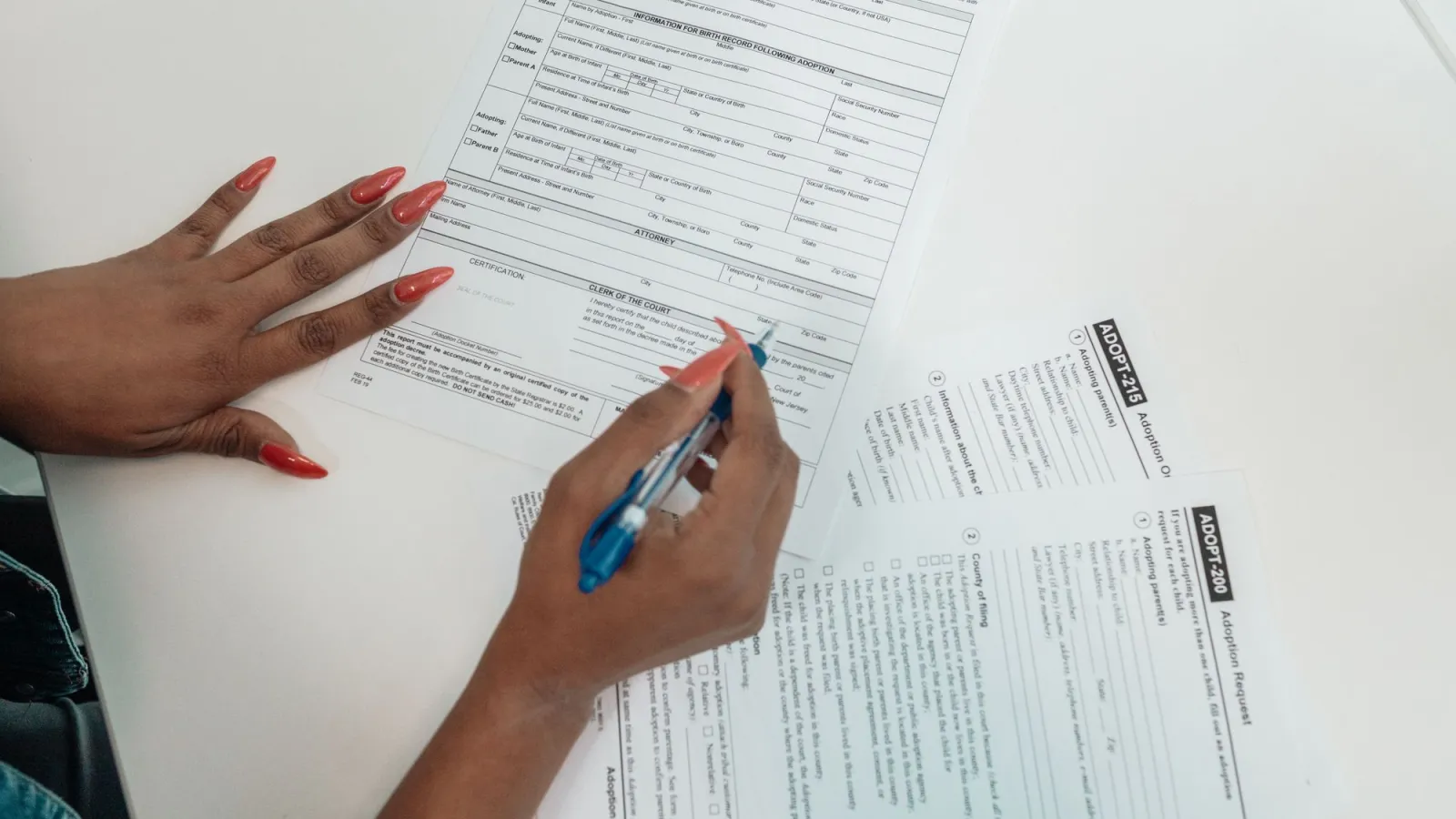
Because no state is specified here, this article cannot identify a particular deadline or legal rule for your location. The facts, the parties involved, and the vehicle’s condition can also affect what steps are practical. A local attorney can explain how the rules that apply to your situation may affect a preservation request.
Frequently Asked Questions
Does a preservation letter force an insurer to keep a vehicle?
A letter is generally a written request, not a court order. It can document notice and identify evidence you want preserved, but it does not by itself compel a recipient to comply. The recipient’s duties and possible consequences can depend on applicable law and the circumstances.
Can a preservation letter stop necessary repairs?
A letter asks the recipient to preserve specified evidence, but it does not automatically resolve transportation, safety, or storage concerns. Communication about photographing, inspecting, or documenting the vehicle before work can help address practical needs. The appropriate approach depends on the vehicle and claim.
Can electronic vehicle data prove who caused a crash?
Electronic data may provide information about certain vehicle conditions, but it may be incomplete and can require technical interpretation. It should be considered alongside other evidence, such as photographs, witness accounts, and physical damage. Data alone does not necessarily establish fault.
Who can send a preservation letter?
An injured person may send a written request, and an attorney may prepare or send one on a client’s behalf. A clear request identifies the vehicle or records and the evidence that may be relevant. Questions about the proper recipient or scope may depend on who controls the evidence.
What if no one knows where the other vehicle is?
Keep records of what you know, including any identifying details, insurer communications, and contact information for people or businesses involved. A lawyer may be able to help identify who has information about the vehicle or its location. Do not assume that an unknown location means evidence cannot be found.
Next Steps
If you have questions about evidence from a crash, request a free case evaluation to discuss the vehicle’s condition, available records, and any preservation concerns. You can also use the Consultation page to contact the firm and ask about the next steps for your situation.

Related Articles

Rideshare Accidents Involving Food Delivery Drivers
A crash involving a rideshare driver and a food delivery driver can raise questions about fault, app status, and which insurance policies may apply. Learn what evidence can help clarify your options.
Arbitration Clauses in Rideshare Terms of Service
A rideshare arbitration clause may affect how you pursue certain injury claims, but its reach depends on the agreement, the parties, and the facts. Learn what to check after a crash.
Robotaxi and Driverless Ride Accidents: Liability Questions
Responsibility for a robotaxi crash depends on what caused it and who had a role in the vehicle’s operation, design, or upkeep. Learn which evidence may help clarify your options.
