


In this article
- Who may be responsible for a road-hazard motorcycle crash?
- What must you show to connect the hazard to the crash?
- Why does notice of the road hazard matter?
- Can your own actions affect responsibility?
- What evidence can help clarify what happened?
- How can multiple parties share responsibility?
- How can state law change a road-hazard claim?
- Frequently Asked Questions
- Sources
- Next Steps
Responsibility for a motorcycle crash caused by a road hazard depends on who created, controlled, or had a reasonable chance to address the danger, and whether a failure contributed to the collision. A public agency, contractor, property owner, driver, or rider may share responsibility. Evidence about the hazard, notice, and crash mechanics matters.
Key Facts
- A road hazard may include debris, a pothole, an unsafe work zone, or a poorly maintained surface.
- More than one person or organization may have contributed to a crash.
- Evidence about the hazard and its condition can help explain how the collision occurred.
- The responsible party may depend on who controlled the road or created the danger.
- State laws can affect fault rules, deadlines, and claims involving public agencies.
Who may be responsible for a road-hazard motorcycle crash?
A person or organization may be responsible if its conduct created a road hazard or failed to address a danger it had a duty and reasonable opportunity to handle. Depending on the location and circumstances, that could include a public agency, a roadwork contractor, a property owner, a company responsible for maintenance, or a driver who left debris behind.
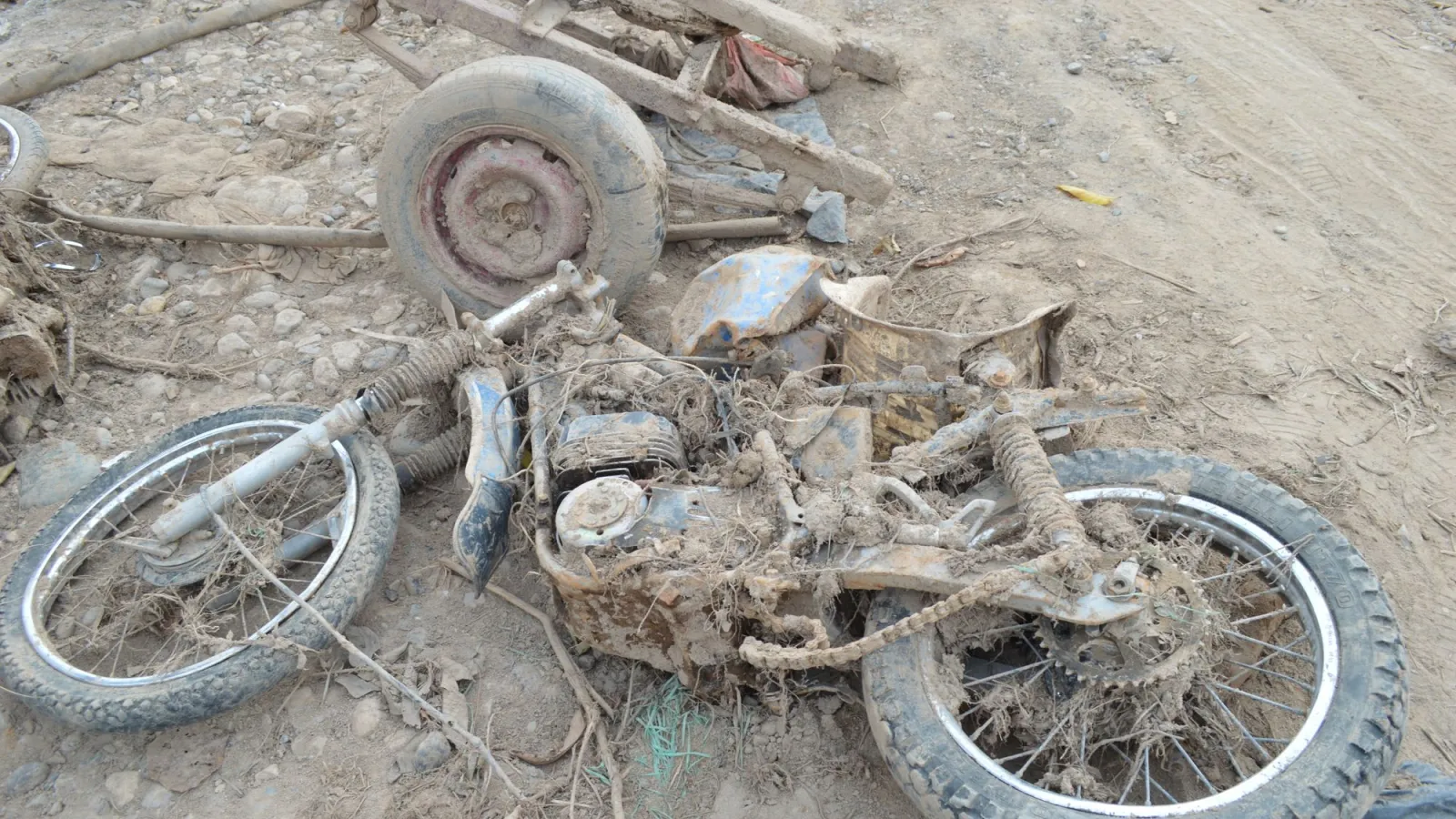
Responsibility is not automatic just because a hazard was present. The facts may show that a road authority did not maintain or warn about a dangerous condition, that a contractor left equipment or loose material in the roadway, or that a driver caused an obstruction. The entity responsible for a particular stretch of road may differ from the agency that owns it.
A crash can also involve more than one cause. For example, a hazard may have made a roadway unsafe while another road user’s actions contributed to the collision. A claim involving a motorcycle road hazard accident may require looking at each party’s role, not just identifying who was responsible for the road.
What must you show to connect the hazard to the crash?
A potential claim generally depends on showing that someone had a legal responsibility related to the hazard, failed to meet that responsibility, and contributed to your injuries. The details vary, but the hazard must be connected to the collision rather than simply present nearby.
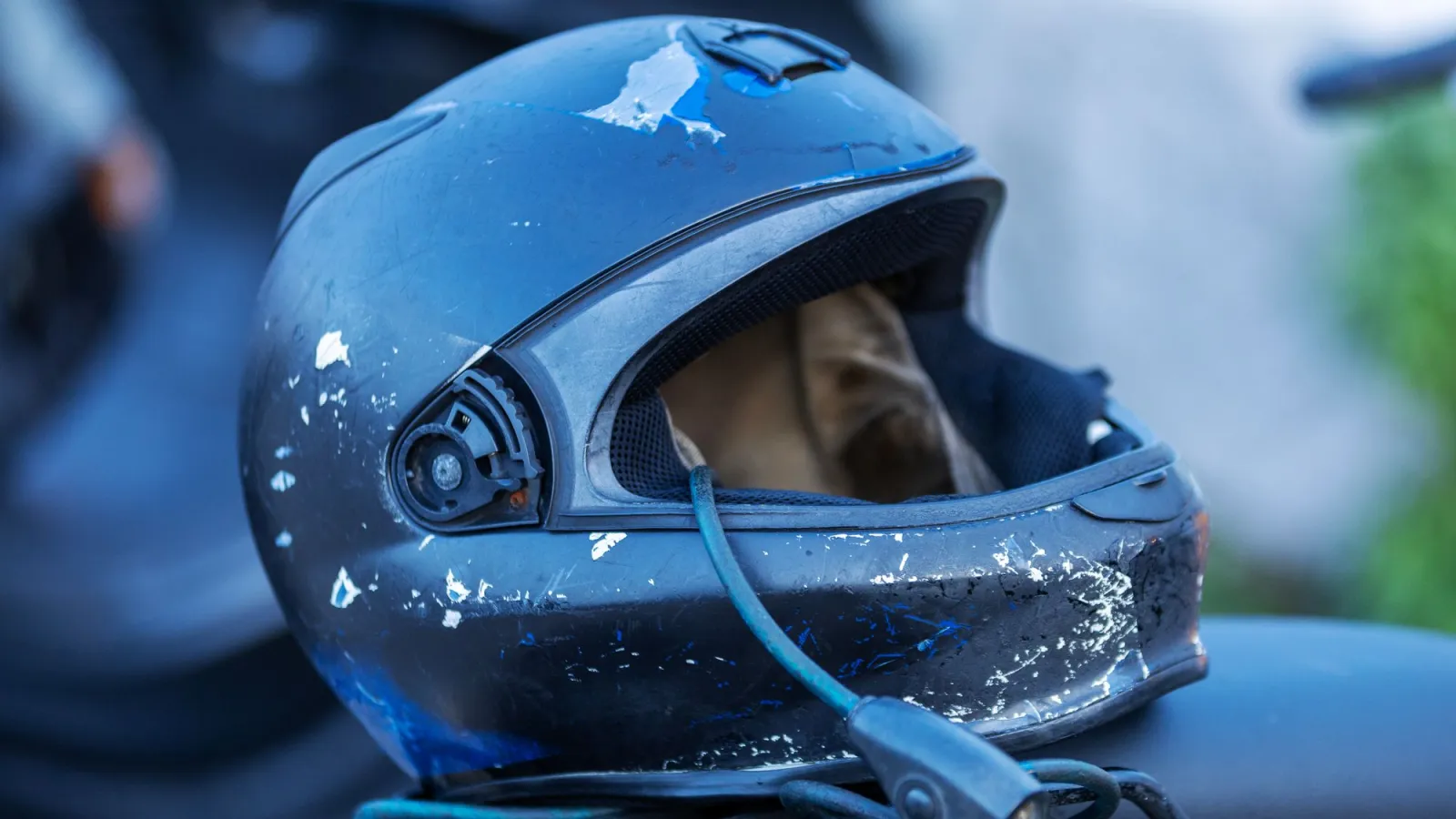
Evidence can help establish what the road looked like, how the hazard affected your ability to ride safely, and whether another party’s conduct played a part. For example, photographs may show a damaged surface or missing warning signs, while a crash report or witness account may describe how the motorcycle reacted. Medical records can help document injuries, but they do not by themselves establish who caused the crash.
The other party may argue that the hazard was not dangerous, that it did not cause the collision, or that you could have avoided it. An investigation may compare those claims with the physical evidence and the timing and location of the crash. These questions can be important in a broader motorcycle accident claim, including when the hazard is only one part of what happened.
Why does notice of the road hazard matter?
Whether a responsible party knew or reasonably should have known about a hazard can be important, especially when the claim involves road maintenance. A party may have created the danger itself, received a report about it, or had enough time and opportunity to discover it through reasonable inspection. The evidence needed depends on how the hazard arose and who controlled the area.
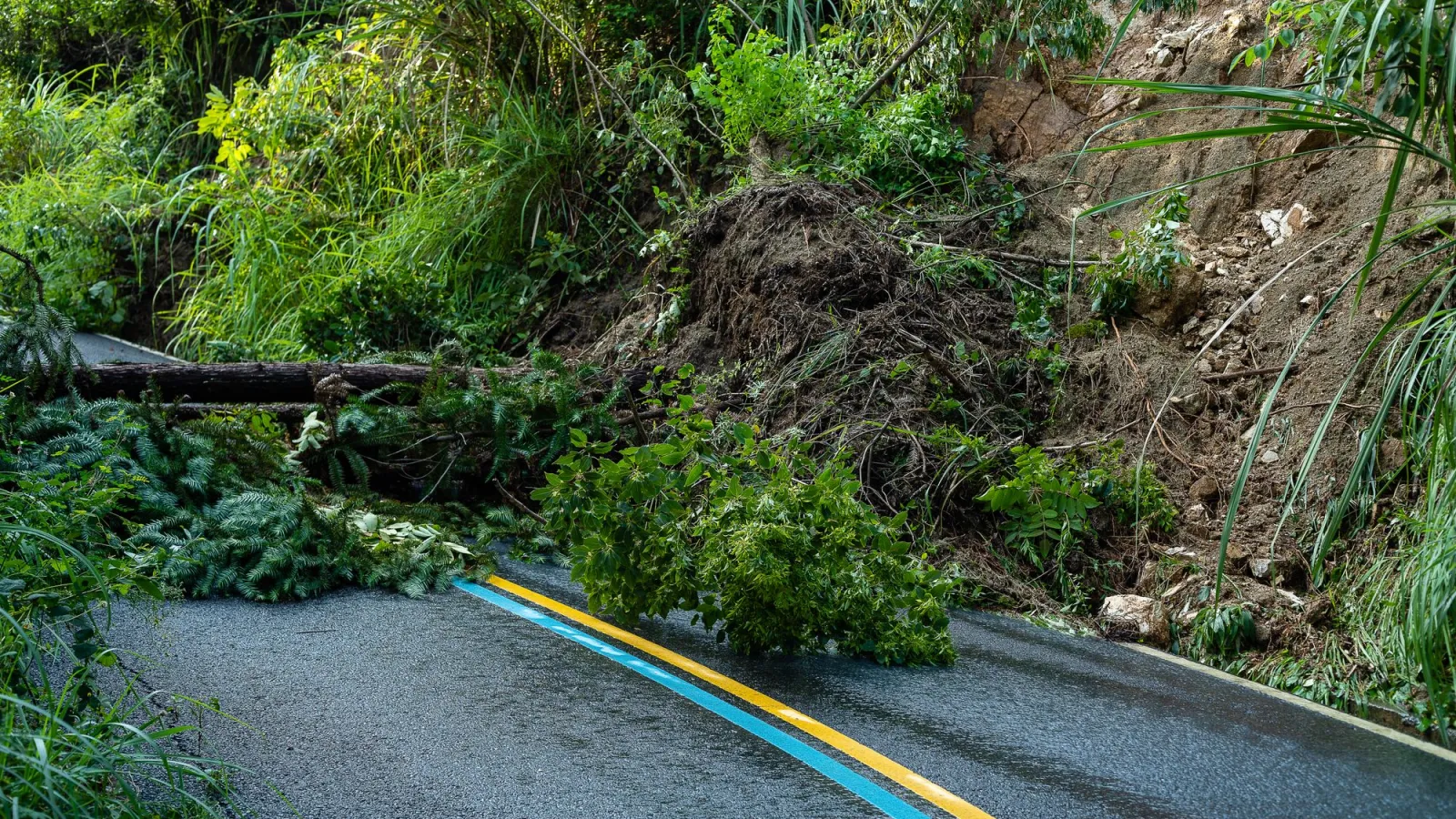
A newly fallen object may be treated differently from a pothole or broken surface that had been present for a long time. Useful evidence may include prior complaints, maintenance or inspection records, work orders, photographs, and accounts from people who saw the hazard before the crash. A record of when a danger appeared or was reported may help explain what the responsible party could have known.
You may not have access to those records yourself, and some materials can be difficult to obtain later. Keep any photographs, messages, or notes you already have, and write down what you remember while it is fresh. Do not enter a roadway or put yourself at risk to gather evidence. An evaluation can help identify what information may be relevant and who might hold it.
Can your own actions affect responsibility?
Yes, your actions may affect how responsibility is allocated, but they do not automatically prevent you from bringing a claim. The other party or an insurer may argue that speed, attention, visibility, lane position, or a riding maneuver contributed to the crash. Those arguments need to be considered alongside the road condition and the circumstances you faced.

A hazard may be difficult to see or avoid, particularly if it appears suddenly or warning signs are absent. On the other hand, evidence that a rider had time to react or did not follow a traffic rule could become part of the fault analysis. The relevant facts may include lighting, weather, traffic, sightlines, motorcycle damage, and witness observations.
States use different rules to handle shared fault. In some places, a person’s share of responsibility can reduce or limit recovery; the details depend on the applicable law. A driver’s conduct may also be part of the same event, such as when a vehicle swerves into a rider while both respond to a hazard. That overlap can arise in motorcycle and car collisions, so avoid assuming the road condition tells the whole story.
What evidence can help clarify what happened?
Evidence that records the road condition, the crash scene, and the events leading up to the collision can help clarify responsibility. If it is safe, photographs taken soon after the crash may show the hazard, nearby signs, road layout, lighting, and the motorcycle’s position. Images from later dates may not show the condition as it existed at the time.
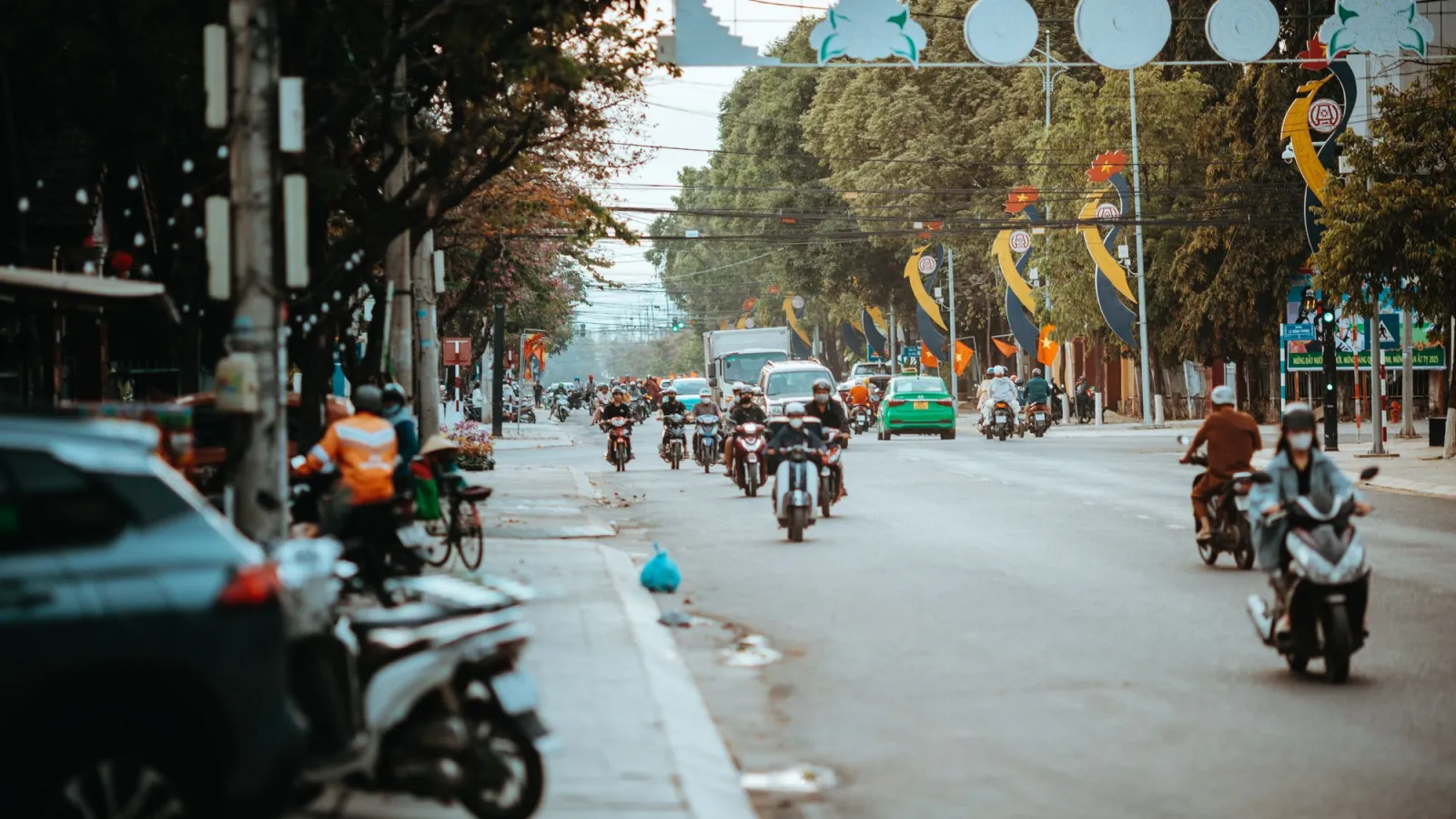
Other potentially useful material includes witness names and contact details, a police or incident report, repair records, medical documentation, and communications with an insurer. If roadwork was involved, information about the contractor or work area may also matter. The value of any item depends on what it can reliably establish, so keep original files when possible and note when and where you obtained them.
Preserve relevant documents and avoid altering photos or recordings. Do not speculate about fault in public posts or statements; describe what you know and distinguish it from what you are unsure about. If a government body or contractor may be involved, an investigation may need to identify the right entity and request records through the applicable process. A lawyer can review available evidence and explain what further information may help assess a claim.
How can multiple parties share responsibility?
More than one party can contribute to a road-hazard crash, and responsibility may be divided under the law that applies. A road authority might be responsible for a maintenance issue, a contractor might have created or left the hazard, and a driver’s actions might also have contributed. The facts may also support an argument that the rider’s conduct played a role.
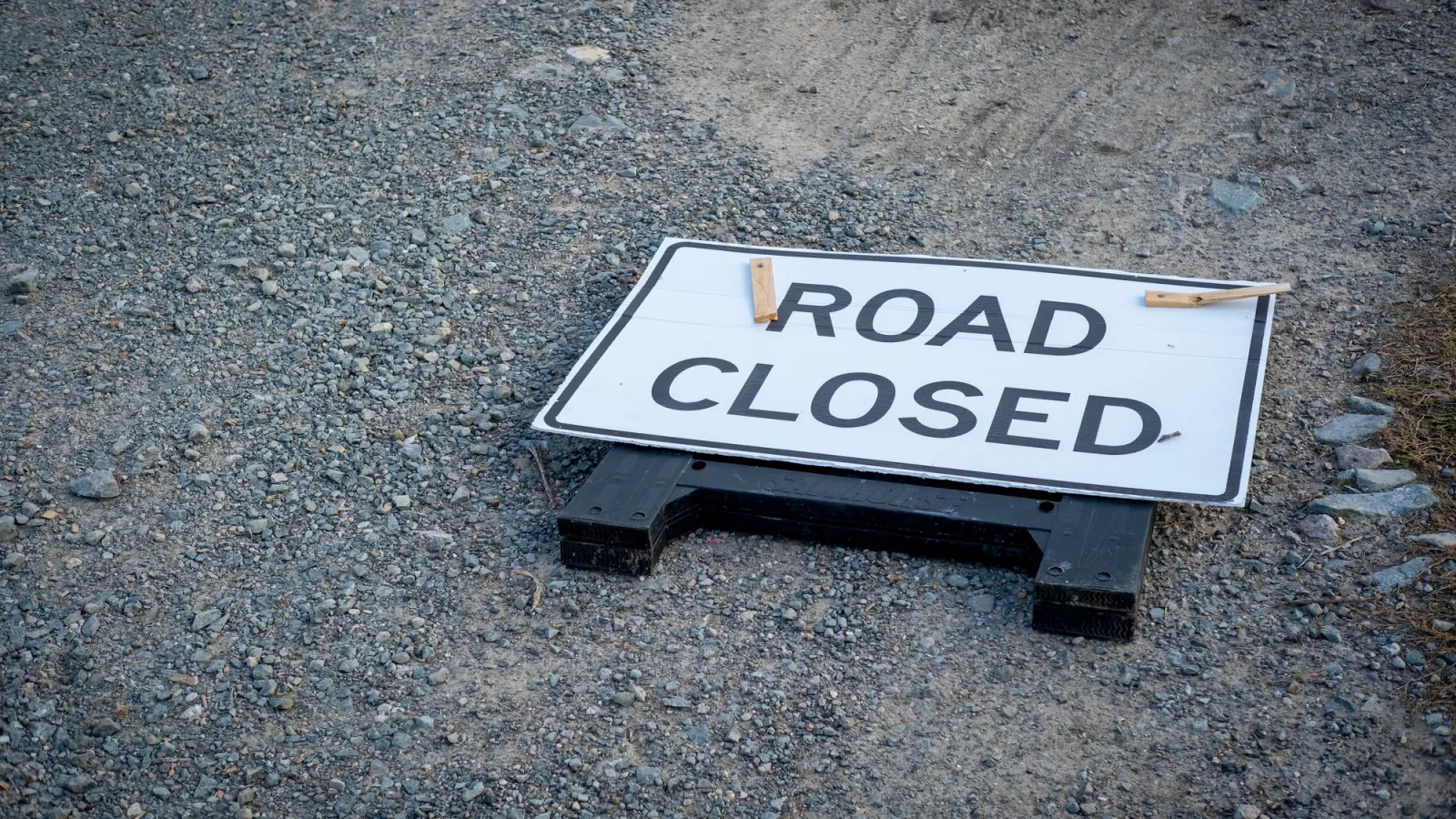
Each potential party’s connection to the hazard matters. Investigators may ask who owned or controlled the road, who performed recent work, who received notice, and who had authority to fix the condition or warn road users. A business or property owner could be relevant if the crash occurred on a privately controlled road or access area.
Insurance coverage and the process for making a claim can differ across these parties. Claims involving public entities may have separate notice procedures, while private companies may have their own insurers and records. Identifying every potentially responsible party can matter because one party’s version of events may not account for all the evidence. A case review can help organize the facts and explain what questions remain open.
How can state law change a road-hazard claim?
State law can affect deadlines, fault rules, damage caps, and special notice requirements, particularly when a public agency may be responsible. The rules can also differ based on who owns or controls the road and the type of claim being made.

Because no state or location is specified here, this guide cannot identify the rules that apply to your situation. The crash location and the identity of each potential defendant can be important when checking applicable procedures and timing.
Frequently Asked Questions
Does a pothole automatically make the road agency liable?
No. A pothole alone does not establish responsibility. The relevant facts may include who controlled the road, how the condition developed, what the agency knew or reasonably could have known, and whether it contributed to the crash.
What if the road hazard disappeared after the crash?
Evidence gathered soon after the collision may still help document the condition. Photographs, witness accounts, incident reports, and maintenance records may provide information even if the hazard was later removed or repaired.
Can a roadwork contractor be involved in a claim?
A contractor may be relevant if its work created the hazard or if the work area was not handled safely. The contract, site conditions, warnings, and actions of other parties may all matter when assessing responsibility.
Should you speak with an insurance adjuster?
You may be contacted by an insurer representing a driver, contractor, or other party. Keep your account accurate and avoid guessing about facts you do not know; a legal professional can explain how a statement or proposed resolution may affect your claim.
Can you make a claim if you do not know who maintains the road?
Not knowing the responsible entity at first does not resolve the question. Road ownership, maintenance duties, and recent work may require investigation, and the applicable process can depend on the crash location.
Sources
Next Steps
If a road hazard may have contributed to your motorcycle crash, request a consultation to discuss the available evidence and possible responsible parties. A case evaluation can also help identify questions about applicable procedures and timing.

Related Articles
Rideshare Accidents Involving Food Delivery Drivers
A crash involving a rideshare driver and a food delivery driver can raise questions about fault, app status, and which insurance policies may apply. Learn what evidence can help clarify your options.

Arbitration Clauses in Rideshare Terms of Service
A rideshare arbitration clause may affect how you pursue certain injury claims, but its reach depends on the agreement, the parties, and the facts. Learn what to check after a crash.

Robotaxi and Driverless Ride Accidents: Liability Questions
Responsibility for a robotaxi crash depends on what caused it and who had a role in the vehicle’s operation, design, or upkeep. Learn which evidence may help clarify your options.
