


In this article
- What is a rideshare passenger injury claim?
- Which insurance may cover your injuries?
- What evidence can help establish your claim?
- Who may be responsible for a rideshare passenger’s injuries?
- How can you handle insurer contact and an offer?
- What can affect the value and timing of a claim?
- How can state law change a rideshare claim?
- Frequently Asked Questions
- Next Steps
If you were injured as a rideshare passenger, you may be able to seek compensation from an at-fault driver or an applicable insurance policy. Which coverage applies depends on the ride’s status, who caused the crash, your injuries, and state law. Evidence linking the collision to your injuries can help clarify whether you have a claim.
Key Facts
- More than one driver or insurer may be involved.
- Insurance coverage can depend on the driver’s app and trip status.
- Medical records and crash evidence can help document a claim.
- State rules affect deadlines, fault, and recoverable damages.
- An insurance offer may not account for every loss.
What is a rideshare passenger injury claim?
A rideshare passenger injury claim is a request for compensation when someone’s negligence causes you harm during a trip or in a crash connected to that trip. The responsible party could be your rideshare driver, another motorist, or, in some situations, more than one party. Being a passenger does not automatically establish who caused the collision or which policy applies.
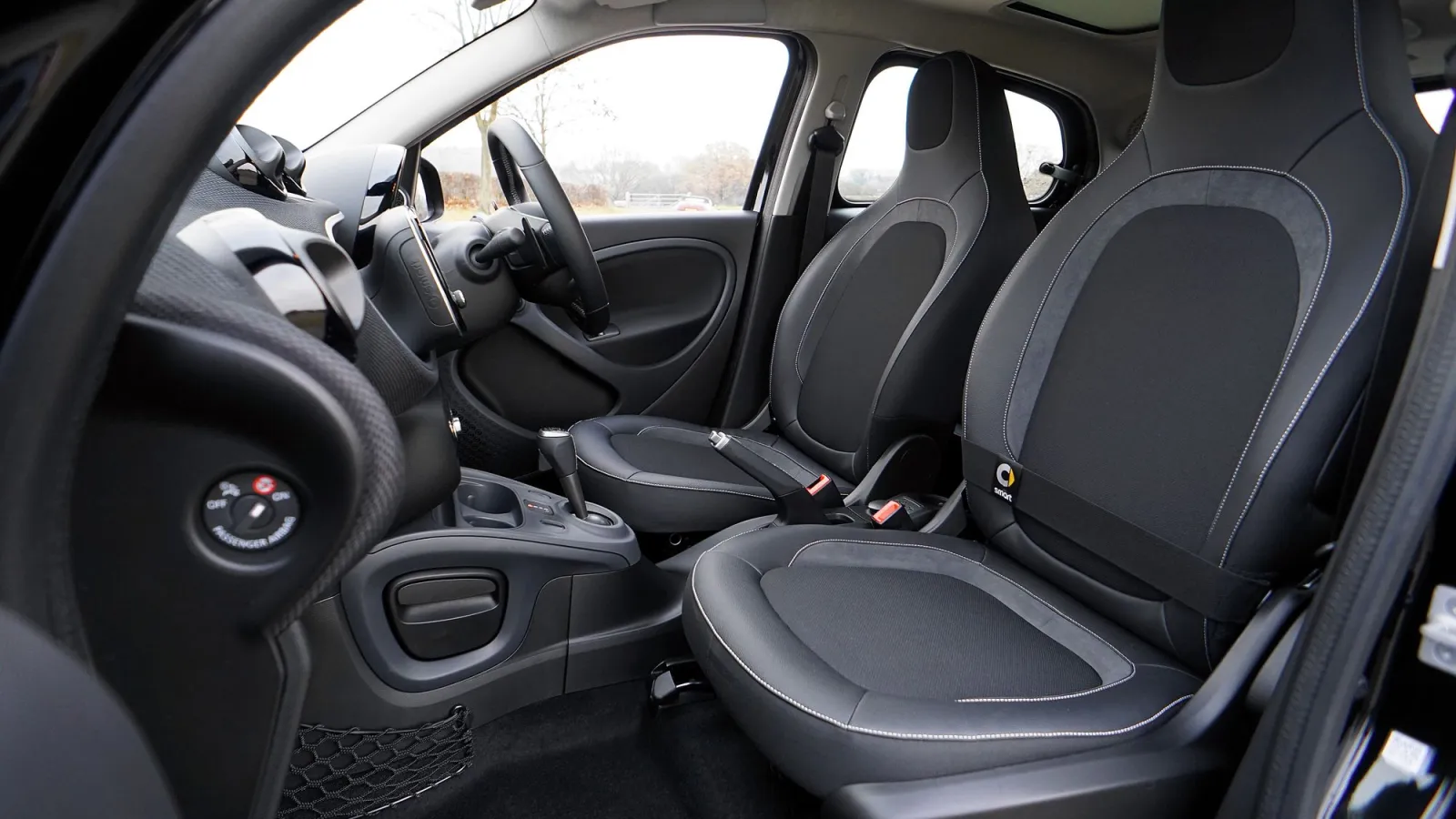
To support a claim, you generally need evidence of the collision, a connection between the collision and your injuries, and documented losses. Those losses can include medical care, time away from work, and the effects of an injury on daily activities. The kinds of damages available depend on the facts and the law that applies.
A rideshare claim can involve overlapping insurance policies and more than one company asking questions about the crash. For a broader overview of related incidents, visit Rideshare and Taxi Accidents. The details of your trip and the available records help determine how the claim should be assessed.
- The crash location and circumstances
- The identities of the drivers and other involved parties
- The trip’s status in the rideshare app
- The nature and documented effects of your injuries
Which insurance may cover your injuries?
The insurance that may apply depends on the drivers involved, the rideshare driver’s status in the app, and the circumstances of the collision. A rideshare company’s policy may be relevant during certain stages of a trip, while a driver’s personal auto policy or another driver’s insurance may also matter. Coverage terms and requirements vary, so the app being open by itself does not answer every insurance question.

The rideshare driver’s app records can help establish whether the driver was waiting for a request, on the way to a pickup, or carrying a passenger. Insurers may also review the trip receipt, crash report, and statements from those involved. If another motorist caused the collision, that driver’s insurer may be part of the claim, too.
If your ride was with Uber or Lyft, the company and trip-specific details may affect which policies are examined. You can learn more about Uber Passenger Injuries or Lyft Passenger Injuries. Avoid assuming that one insurer is responsible until the relevant coverage and facts have been reviewed.
- Save your trip receipt and any available app messages.
- Record the names of drivers, insurers, and other involved parties.
- Keep copies of letters or claim details you receive from insurers.
What evidence can help establish your claim?
Evidence can help show how the crash happened, who may have been responsible, and whether the crash caused your injuries. Useful information may come from several sources, and it can be easier to preserve some of it soon after the collision. You do not need to have every item before reporting an injury or asking how to protect a potential claim.

Keep photographs or videos of the vehicles, the scene, and visible injuries if you have them. Save the rideshare receipt, trip details, and messages about the ride. Witness contact information, a police report, and records of conversations with insurers may also be useful. Do not alter or delete relevant app messages or other records.
Medical records can document symptoms, treatment, and changes in your condition. Tell healthcare providers about symptoms you are experiencing and keep appointment and expense records. Follow-up care may help create a clearer record of your recovery, but the course of treatment is a medical decision for you and your provider.
Insurers may ask for a recorded statement or permission to obtain records. Questions about the crash and your health can affect how they evaluate responsibility and losses. Take time to understand what is being requested, keep your own copies, and consider getting help to review a request you do not understand.
- Photos, videos, and witness details
- Trip receipts and app communications
- Crash and medical records
- Receipts and records of work-related losses
Who may be responsible for a rideshare passenger’s injuries?
Responsibility depends on the evidence about how the collision occurred; a rideshare driver is not automatically at fault simply because you were a passenger. Another motorist may have caused the crash, or the actions of more than one driver may have contributed. A vehicle owner or another party may also be relevant in some cases, depending on the facts and applicable law.

A claim review may consider traffic rules, witness accounts, vehicle damage, available video, and the drivers’ statements. The rideshare app record can establish trip timing, but it does not by itself prove who caused the collision. An investigation may compare multiple sources rather than relying on one person’s account.
Passenger conduct can also be considered under some states’ fault rules, though a passenger who was simply riding is not necessarily responsible for a crash. Whether any conduct affects recovery depends on the circumstances and local law. The roles of each driver and the facts supporting your injury claim should be evaluated separately.
More than one insurer may contact you, and each may have a different view of responsibility. Keep your descriptions accurate and consistent, and distinguish what you personally observed from what you were told later. If the cause is disputed, available records and a careful review of the collision evidence may be especially important.
How can you handle insurer contact and an offer?
You can handle insurer contact more carefully by keeping a record of communications and understanding what a request or offer covers before responding. An insurer may seek information about the crash, your treatment, and your losses. Its questions are part of its review, and its position may not reflect the full picture of your injuries or the disputed facts.

Keep a dated record of calls and save letters, emails, and claim documents. Be truthful, avoid guessing when you do not know an answer, and ask for written clarification if a request is unclear. Do not share another person’s private information or make assumptions about who is at fault.
Before accepting an offer or signing a release, check what claims it resolves and whether it addresses your known losses. Some injuries need ongoing care, and an early offer may not account for later expenses or the full impact on your work and daily life. The specific terms matter; accepting an offer can affect your ability to pursue additional compensation.
You can request a review of the offer and the documents supporting it. An attorney can explain possible options based on your circumstances, without promising a particular result. Consider keeping a copy of any form you are asked to sign and noting any response date stated in the insurer’s communication.
- Save every offer and related document.
- Identify what the offer and any release would resolve.
- Get an explanation of unclear terms before deciding how to respond.
What can affect the value and timing of a claim?
The value and timing of a rideshare injury claim depend on the evidence, the injuries and losses, insurance coverage, and rules that apply where the crash occurred. There is no standard amount for every passenger claim. The same type of collision can lead to different outcomes because treatment needs, recovery, responsibility, and policy terms differ.

A claim may take time to evaluate when responsibility is disputed, several insurers are involved, or the extent of an injury is still being assessed. Records of treatment, expenses, work effects, and daily limitations can help describe the impact. Insurers may also examine whether the available evidence connects the claimed losses to the crash.
Deadlines for bringing a claim can be strict, and the applicable time limit may depend on the parties and circumstances. Waiting can make it harder to locate evidence or confirm what coverage applies. If you are concerned about timing, a deadline check can help identify which rules may matter; do not assume that an insurer’s ongoing review pauses a legal deadline.
A case evaluation can help you understand the potential issues, records to gather, and questions to ask about an offer. It cannot predict the result. If you are considering legal help, learn what a Consultation involves and bring any crash, medical, trip, or insurance documents you have.
How can state law change a rideshare claim?
State law can affect the deadline to file a claim, how fault is assigned, what damages may be available, and whether special notice rules apply. Insurance requirements and rules for claims involving public entities can also vary. The details of the crash and the identity of a potentially responsible party may affect which rules apply.

Because there is no state-specific information here, no particular deadline or fault rule can be stated. The location of the crash and the parties involved are useful starting points for identifying the relevant rules. A local legal professional can review those facts and explain which deadlines or requirements may apply to your situation.
Frequently Asked Questions
Can I make a claim if I did not go to the hospital after the crash?
Not going to the hospital at the scene does not, by itself, answer whether you have a claim. Your symptoms, later medical evaluation, and other evidence may matter. Keep records of when symptoms began and how they affect you.
What if the rideshare driver says the crash was not their fault?
A driver’s account is one piece of information, not the only evidence used to assess responsibility. The other driver’s account, witness information, physical evidence, and available records may also be relevant. Avoid treating a disputed statement as a final decision about your claim.
Can I use my own health insurance while a claim is pending?
Your health coverage may be available for treatment, depending on your plan and its terms. Keep track of bills, payments, and any requests from your health insurer about reimbursement. The relationship between health coverage and an injury claim can depend on your policy and state law.
Do I have to accept an insurer’s first offer?
An offer is not necessarily the only option, but whether to accept it depends on its terms and your circumstances. Review what claims it resolves and whether your losses are fully understood before signing a release. You can ask for an explanation or seek a review of the offer.
What if I do not know which driver caused the crash?
You can still preserve trip, medical, and crash information while the cause is being investigated. The available evidence may help identify which drivers or insurers are involved. Avoid guessing about fault when speaking with an insurer.
Next Steps
If you were hurt on a rideshare trip, request a free case evaluation to discuss the crash, insurance communications, and records you have. You can also ask for a review of an offer or a check of deadlines that may apply. Request a free case evaluation

Related Articles

Rideshare Accidents Involving Food Delivery Drivers
A crash involving a rideshare driver and a food delivery driver can raise questions about fault, app status, and which insurance policies may apply. Learn what evidence can help clarify your options.
Arbitration Clauses in Rideshare Terms of Service
A rideshare arbitration clause may affect how you pursue certain injury claims, but its reach depends on the agreement, the parties, and the facts. Learn what to check after a crash.

Robotaxi and Driverless Ride Accidents: Liability Questions
Responsibility for a robotaxi crash depends on what caused it and who had a role in the vehicle’s operation, design, or upkeep. Learn which evidence may help clarify your options.
