


In this article
- When could a rideshare driver’s personal or company policy apply?
- How do the two types of insurance differ?
- What information helps insurers decide which policy applies?
- How can you respond when an insurer says another policy applies?
- What if you are the rideshare driver who was injured?
- What steps can help you manage a rideshare insurance claim?
- How can state rules affect which policy applies?
- Frequently Asked Questions
- Next Steps
A rideshare driver’s personal auto policy generally covers eligible personal driving, while the rideshare company’s insurance may apply when the driver is using the app for work. Which policy responds depends on the driver’s app and trip status, the policies’ terms, and applicable state rules. More than one insurer may review the same crash.
Key Facts
- A personal auto policy may limit or exclude coverage for rideshare work.
- Company insurance may depend on the driver’s app and trip status.
- The policies’ terms and the facts of the crash affect coverage.
- Insurers may investigate before deciding whether coverage applies.
- State insurance and fault rules can affect how a claim proceeds.
When could a rideshare driver’s personal or company policy apply?
The applicable policy often depends on whether the driver was using the rideshare app and what the driver was doing at the time of the crash. A personal auto policy may apply to ordinary personal driving, but its terms may restrict coverage while the driver is working through an app. Company insurance may be available in some work-related situations, subject to the policy and applicable rules.
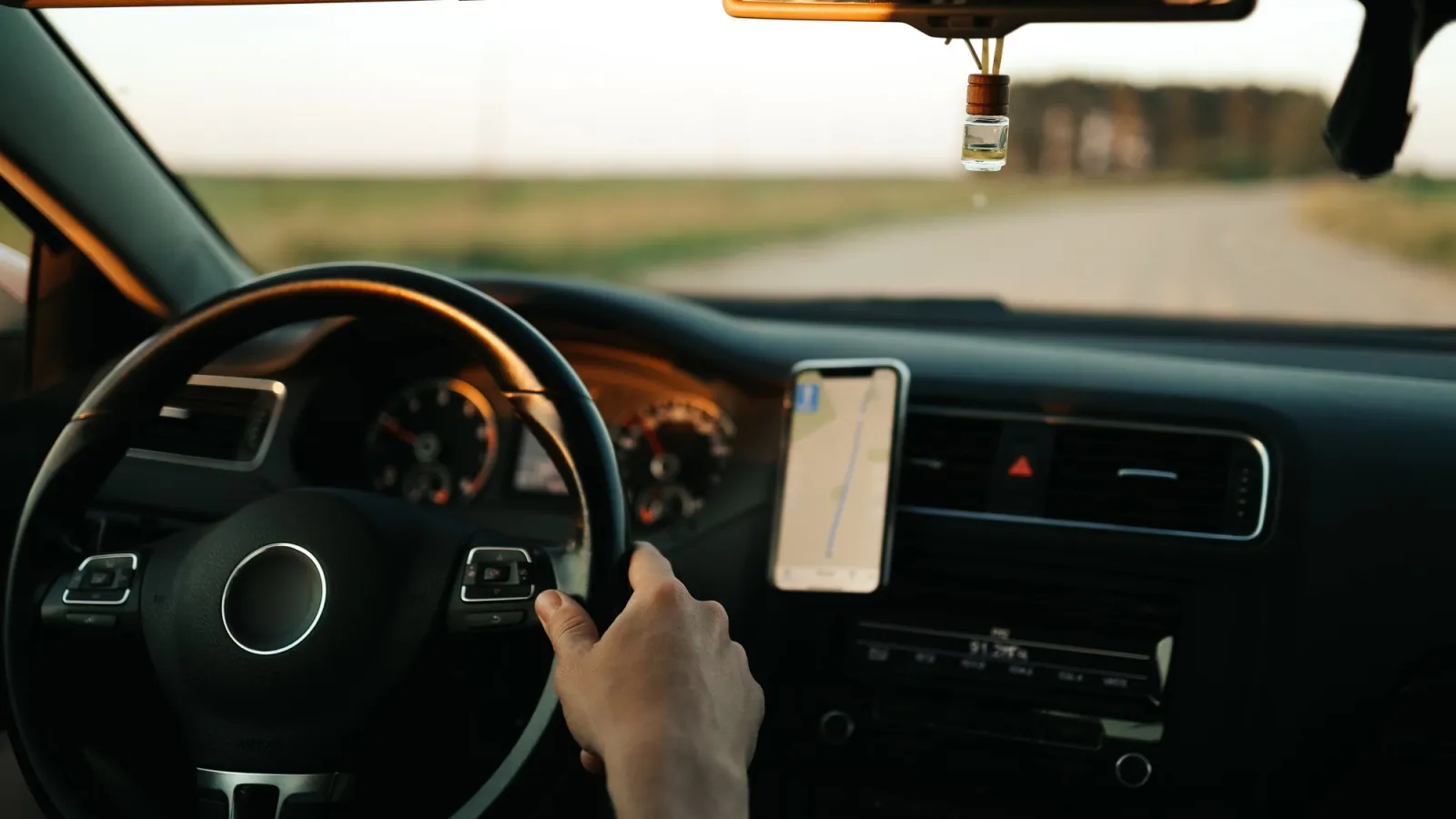
Insurers commonly look at whether the driver was offline, available for a ride request, or engaged in a ride. These are useful general categories, not a promise that a particular policy covers every crash in that situation. The company’s insurance documents and the driver’s personal policy control, and coverage can differ by company and location.
If the driver was carrying a passenger or traveling to meet one, the trip records may help establish what was happening. If the driver was logged in but had not accepted a request, the available coverage may be different. For an overview of related claims, see Rideshare and Taxi Accidents.
- Write down what the driver told you about app use and trip status.
- Preserve any messages, trip details, or other records you have.
- Let the insurers identify the policies they believe may apply.
How do the two types of insurance differ?
A personal auto policy is written for an individual’s covered vehicle and personal driving, while company insurance is associated with driving through the rideshare platform. Neither label alone tells you whether a particular loss is covered. The policy language, app activity, crash facts, and state rules all matter.

A personal policy may contain an exclusion or limitation for driving for hire or using a vehicle for commercial activity. A company policy may offer coverage in certain app-related circumstances, but it may have conditions, exclusions, or requirements of its own. Do not assume the company policy replaces the driver’s personal policy in every situation.
For an injured passenger or another driver, the relevant question is often which policy may pay for the harm caused by the crash, not simply who owns the vehicle. For the driver’s own injuries, separate coverages may matter, and the driver may have to rely on different benefits than an injured third party. An Uber accident claim can involve these same basic insurance questions, although specific terms can vary.
- Personal policy: coverage for eligible personal use, subject to exclusions and conditions.
- Company policy: coverage potentially available for certain app-related driving, subject to its terms.
- Other insurance: a claimant’s own coverage may also be relevant, depending on the claim.
What information helps insurers decide which policy applies?
Insurers use evidence about the driver’s activity and the crash to assess coverage and responsibility. App status can be important, but it is only one part of the review. The driver’s statements, trip records, insurance documents, and other evidence may also matter.

Useful information can include the time and location of the collision, whether a ride had been accepted, whether a passenger was in the vehicle, and what each driver was doing. You can preserve your own photos, contact details, and medical records without trying to obtain records that only the driver or company can access. Avoid guessing about app status if you do not know it.
The insurers may ask for a recorded statement, documents, or permission to inspect a vehicle. You can ask who the request is from, what information is sought, and how it relates to the claim before responding. Keep copies of claim numbers, letters, and emails, and note when you received them. Clear, consistent records can help you understand why an insurer says a policy does or does not apply.
- Save crash photos, witness details, and communications about the incident.
- Request the names of the insurers and the policy or claim being reviewed.
- Keep a dated record of calls, requests, and decisions.
How can you respond when an insurer says another policy applies?
You can ask the insurer to explain its position in writing and identify the policy terms or facts it is relying on. A statement that another insurer is responsible does not, by itself, show that the other policy will cover the claim. The insurers may need to investigate and decide how their policies interact.

Ask for the claim contact’s name, the reason for any delay or denial, and what information is still needed. If an insurer declines coverage, request a written explanation and keep it with the policy or claim correspondence. You can also ask whether the decision is final or whether additional records could affect the review.
Avoid treating a quick estimate or payment proposal as proof that all losses have been considered. Before accepting an offer or signing a release, understand what claims it resolves and whether future expenses or injuries are included. A release may affect your ability to seek further payment from that insurer for the covered claim, depending on its terms. If the claim involves a rideshare driver’s own injuries, Rideshare Driver Injuries explains related coverage issues.
- Ask for the coverage decision and its explanation in writing.
- Compare the explanation with the records you have, including app-related information.
- Review any release or settlement terms before deciding whether to accept them.
What if you are the rideshare driver who was injured?
If you were driving for a rideshare service and were injured, the available coverage may depend on both your app status and the type of loss. Liability coverage for injuries you allegedly caused is different from coverage for your own medical expenses or vehicle damage. Do not assume that the company’s insurance will pay every cost you face.
Your personal policy may have restrictions related to rideshare activity, while company benefits may be subject to specific conditions. Your own health, vehicle, or other insurance may also be relevant. An insurer can request information about your work activity, the crash, and the treatment you received before assessing a claim.
Keep records of medical care, missed work, repair estimates, and communications with each insurer. If you receive benefits from more than one source, ask how those payments may be treated under the applicable policies and rules. A rideshare claim can involve separate questions about fault, policy coverage, and the amount of documented loss, so it helps to keep those issues distinct.
- Identify whether the issue is injury, vehicle damage, liability, or more than one of these.
- Keep copies of treatment and repair records, along with insurance correspondence.
- Ask each insurer to clarify which coverage it is reviewing.
What steps can help you manage a rideshare insurance claim?
A careful record of the crash, the app-related facts, and insurer communications can help you follow a rideshare claim. You do not need to determine coverage on your own before reporting the incident. Report accurate information and keep copies of what you submit.
Start by identifying every potentially involved insurer, including the driver’s personal carrier, the rideshare company’s insurer, and your own insurer if relevant. Then ask each one to confirm the claim number, assigned contact, and records it needs. If one insurer directs you to another, document the direction and ask for the reason.
Track how the claim develops, including requests for statements, medical records, vehicle inspections, and settlement documents. Deadlines and procedures can vary, so do not ignore a notice or assume a claim will remain open indefinitely. If you are uncertain about a coverage explanation or offer, a lawyer can review the records and explain what questions may need follow-up.
- Report the crash and preserve the information you already have.
- Make a list of insurers, claim numbers, contacts, and pending requests.
- Review written coverage decisions and offer terms before responding.
- Check for relevant claim deadlines and keep copies of all notices.
How can state rules affect which policy applies?
State rules can affect rideshare insurance requirements, fault standards, and the procedures for pursuing a claim. Requirements may differ based on the driver’s activity, the type of coverage involved, and who is seeking payment. Policy language and state law may both matter, so one state’s approach may not apply elsewhere.

Deadlines, notice rules, and rules for allocating fault or evaluating damages can also vary by state. The relevant location may affect which rules apply, and a company’s policy may set additional conditions. If you were injured, check the applicable requirements promptly and do not rely on a general description to determine a deadline.
Frequently Asked Questions
Can a personal insurer deny a claim because the driver was using a rideshare app?
A personal policy may restrict or exclude certain app-related driving, but the result depends on its terms and the circumstances. Ask for the insurer’s explanation in writing and keep the relevant claim records.
Can both insurers investigate the same crash?
Yes. A personal insurer and a rideshare company’s insurer may each review the crash, app status, and policy terms. Their involvement does not automatically mean both policies will pay.
Does a rideshare company’s insurance automatically cover the driver’s injuries?
No. Coverage for a driver’s own injuries can differ from coverage for injuries the driver may have caused to someone else. The applicable policy terms, app activity, and other available insurance can affect the outcome.
What should you do if an insurer asks for a recorded statement?
Ask which insurer is requesting it, what topics it wants to cover, and how the statement relates to the claim. You can take time to understand the request and consider getting help reviewing it before responding.
Can you ask for a written explanation if coverage is denied?
Yes. Request the decision in writing, including the policy provisions and facts the insurer relied on. Keep the explanation and ask whether additional information could affect the decision.
Next Steps
If you have a rideshare crash claim, you can request a free case evaluation to discuss the policies involved, review an insurance offer, or check for relevant deadlines. Bring any claim letters, app or trip records, and offer documents you have. Have an attorney review your insurance offer

Related Articles

Rideshare Accidents Involving Food Delivery Drivers
A crash involving a rideshare driver and a food delivery driver can raise questions about fault, app status, and which insurance policies may apply. Learn what evidence can help clarify your options.

Arbitration Clauses in Rideshare Terms of Service
A rideshare arbitration clause may affect how you pursue certain injury claims, but its reach depends on the agreement, the parties, and the facts. Learn what to check after a crash.

Robotaxi and Driverless Ride Accidents: Liability Questions
Responsibility for a robotaxi crash depends on what caused it and who had a role in the vehicle’s operation, design, or upkeep. Learn which evidence may help clarify your options.
