

In this article
- What is a rapid response team after a truck crash?
- Who may be on the team, and what are they looking for?
- How can an early investigation affect an insurance claim?
- What can you do if a team or insurer contacts you?
- What evidence and records can help clarify what happened?
- How can you assess an offer after a truck crash?
- Which parts of a truck crash claim vary by state?
- Frequently Asked Questions
- Sources
- Next Steps
Rapid response teams are people a trucking company or its insurer may send to investigate a crash and gather information for claims handling. They may include investigators, adjusters, or technical specialists. Their work can begin before you understand the extent of your injuries, so keep records, be cautious with recorded statements and releases, and get help understanding an offer.
Key Facts
- The phrase “rapid response team” does not necessarily describe a single official or standardized group.
- A trucking company or insurer may use investigators, claims professionals, or technical specialists after a crash.
- Early investigations may gather statements, photographs, vehicle information, and other records.
- You can ask who is contacting you, whom they represent, and what information they want.
- Insurance offers and claim procedures can depend on the facts, the policy, and state law.
What is a rapid response team after a truck crash?
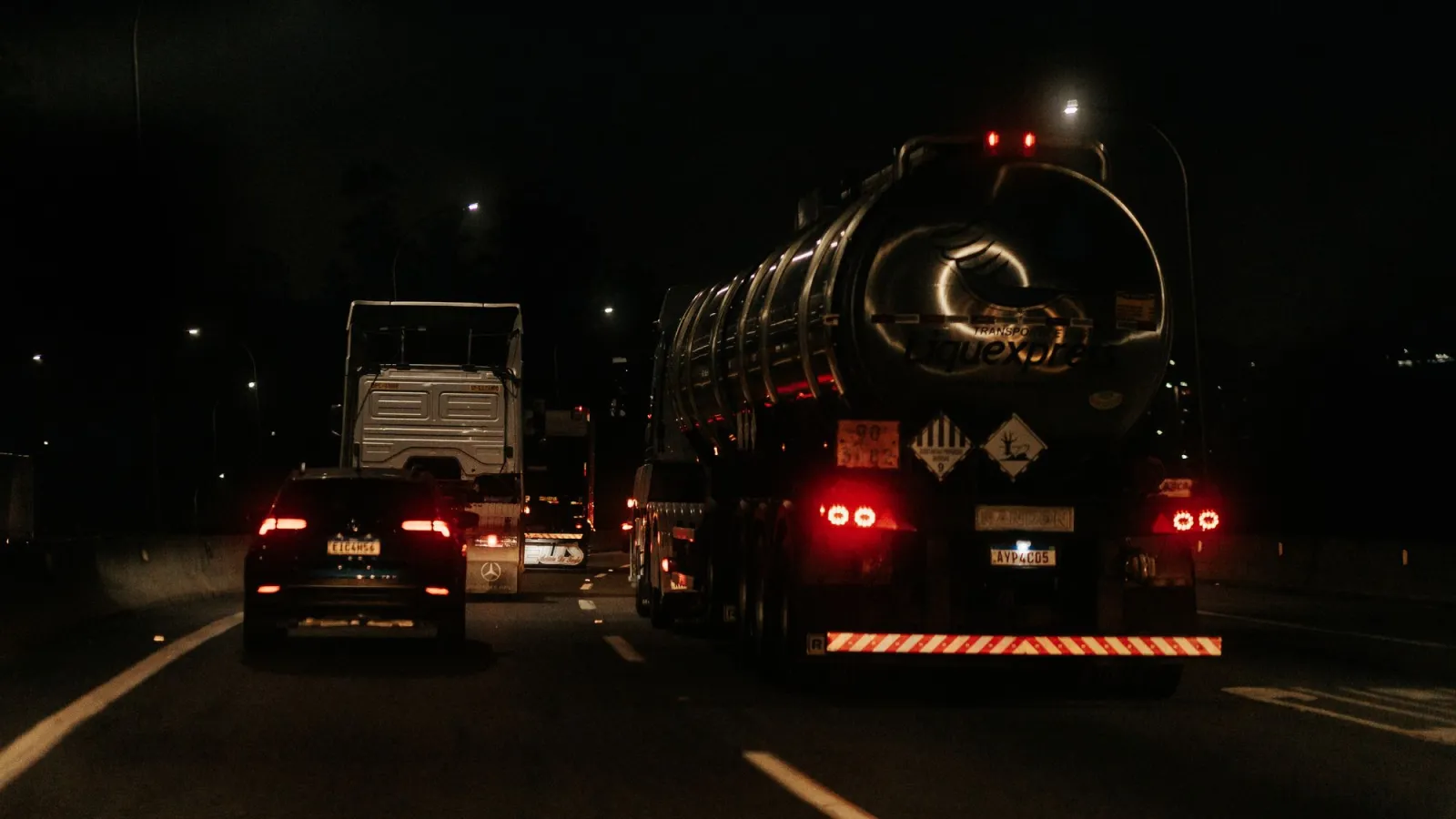
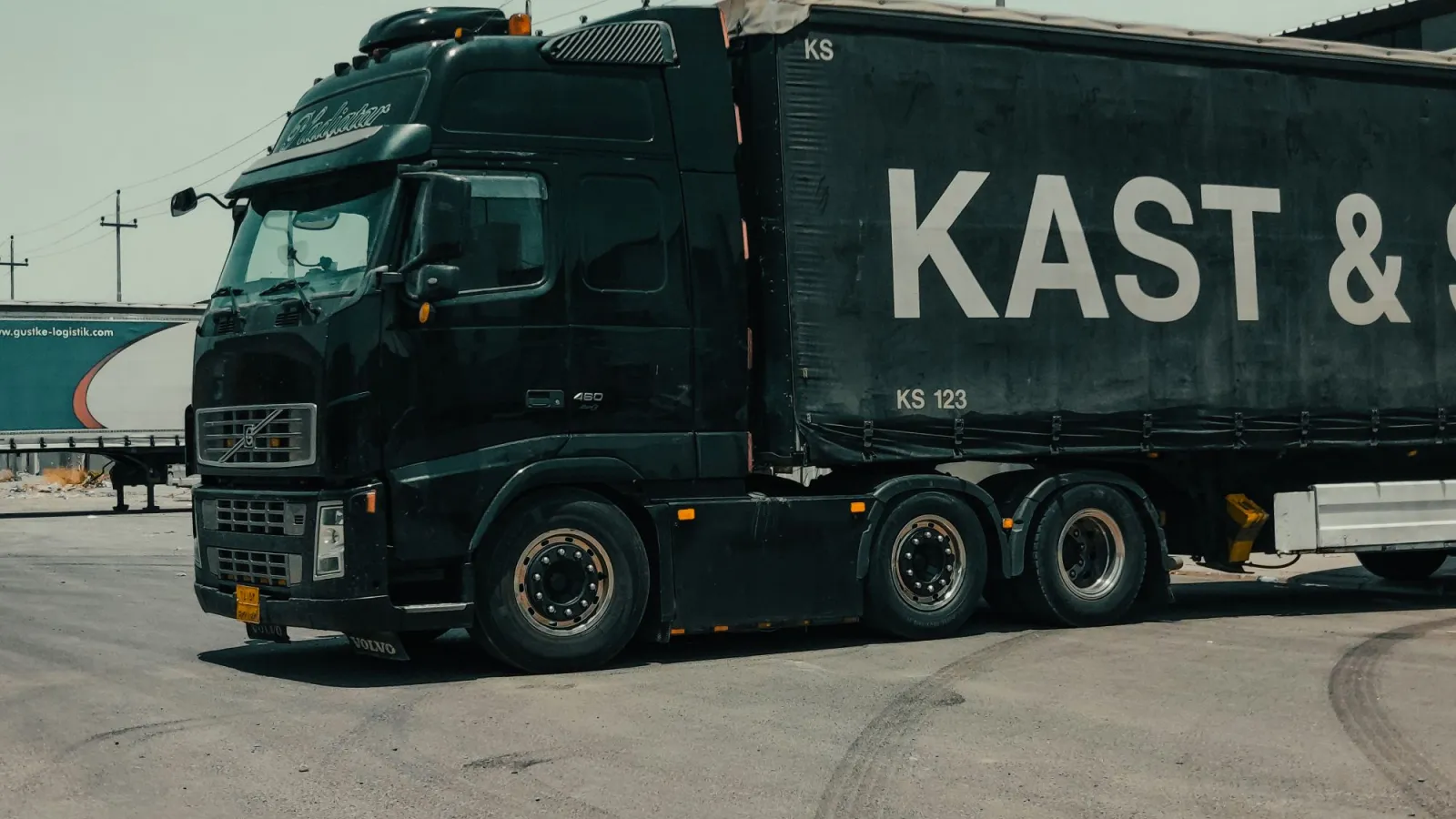
A rapid response team is a group of people a trucking company, insurer, or another interested party may send to gather information after a crash. The term is commonly used to describe an early investigation, not a single official team with the same members or duties in every case.
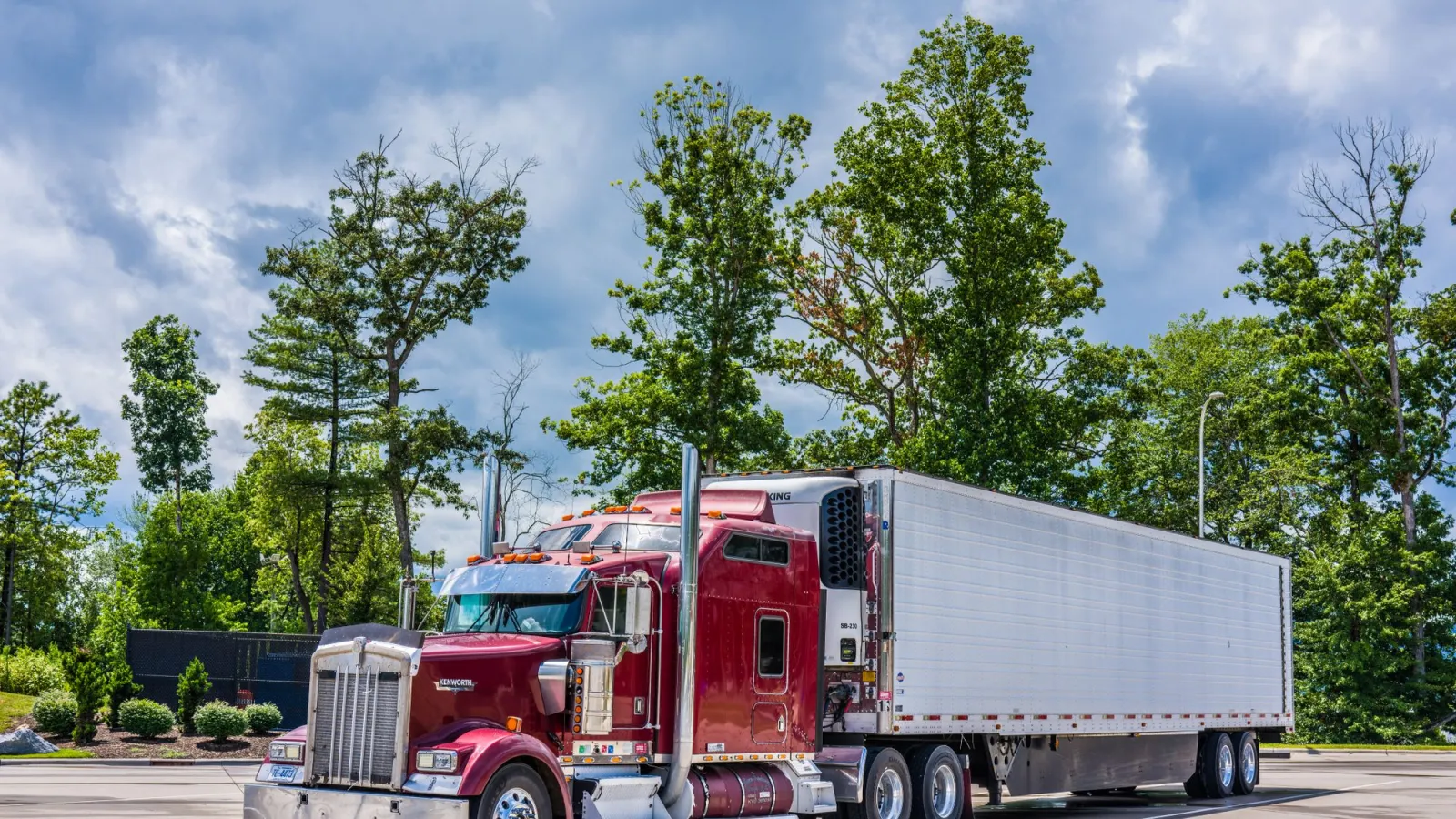
Depending on the circumstances, people involved may include an insurance adjuster, investigator, company representative, or specialist who examines vehicles or the crash scene. Their work may begin while police, emergency responders, and medical providers are also addressing the incident.
The team’s presence does not by itself show that anyone has accepted responsibility or that a claim has been decided. Its members may be collecting information to understand what happened, assess potential claims, or meet the company’s reporting needs. If you are learning about your options after a collision, the truck accident information page explains the broader types of issues that can arise.
For you, the practical point is that information may be gathered early, sometimes before you know how long your recovery will take. You can take time to understand who is asking questions and how a request may affect your claim.
Who may be on the team, and what are they looking for?
The people involved may vary, but a company or insurer may use investigators and claims professionals to collect facts about the collision and identify issues for review. A technical specialist may also examine vehicle damage or other physical evidence when that is relevant.
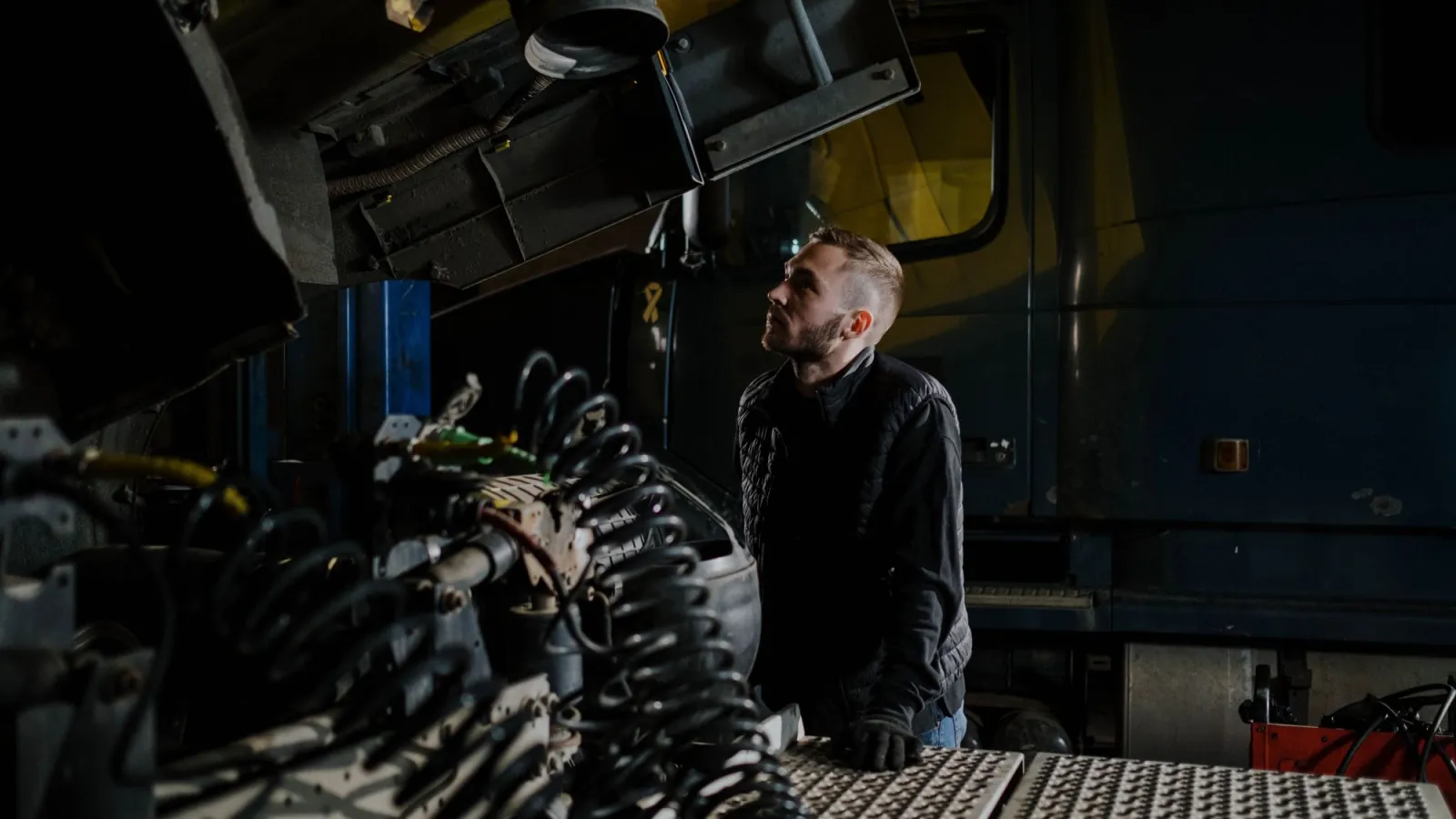
They may seek photographs, witness contact details, statements, crash reports, vehicle information, or records about the trip and delivery. They may ask about the roadway, visibility, traffic, and the sequence of events. These requests do not mean every item exists or that every person will be contacted.
In a semi-truck collision, an investigation may raise questions about the driver, the vehicle, the carrier, or other parties. A semi-truck accident overview can help you understand why more than one person or business may be involved in examining a crash.
A team’s questions are not the same as an official finding. Be clear about what you personally remember, and avoid guessing when you are unsure. You can ask the caller to identify their employer or client and explain the purpose of the request before deciding how to respond.
How can an early investigation affect an insurance claim?
An early investigation can shape what information an insurer considers, but it does not determine the final outcome of a claim on its own. Photographs, statements, reports, and physical evidence may help the parties compare different accounts of how the crash happened.
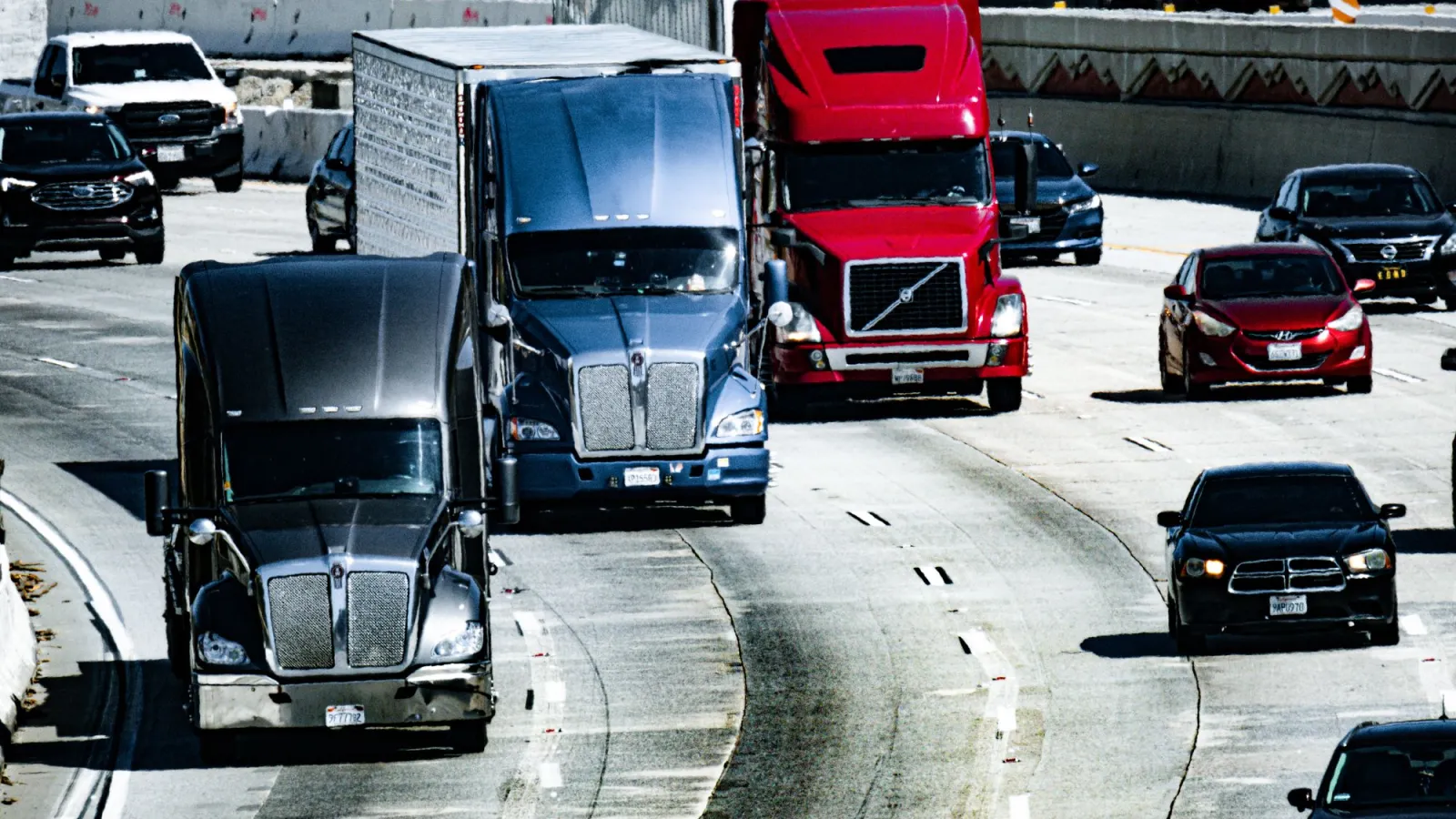
Early records can matter because vehicles may be repaired, road conditions can change, and memories may become less precise. At the same time, an initial account may not include later medical findings or the full effect of an injury. A review based on limited information may therefore leave important questions unresolved.
A rapid response team may contact you or someone close to you for a statement or documents. You can ask what the request concerns, whether a recording is planned, and whether the person is calling for the carrier, an insurer, or another party. Do not assume the caller represents you.
A request for a release or a settlement offer deserves careful attention to what it covers. A release may affect claims or information rights, depending on its wording and applicable law. For a collision involving a larger commercial vehicle, the 18-wheeler accident page describes why claim questions can extend beyond the driver’s account.
What can you do if a team or insurer contacts you?
If a team or insurer contacts you, first identify who they represent and what they want before providing detailed information or signing anything. You can be courteous without making decisions during an unexpected call, especially if you are injured, tired, or still piecing together what happened.

You do not need to speculate about speed, distance, fault, or events you did not see clearly. If you do not know or do not remember, say so. Keep copies of messages, letters, forms, and any information you provide, and note when and how you were contacted.
These steps can help you stay organized while the claim is being reviewed:
- Ask for the caller’s name, organization, contact information, and the party they represent.
- Ask whether a statement will be recorded and what documents or information are being requested.
- Take time to read any form or release and ask questions about its scope before signing.
- Keep a copy of communications and documents, and note any response dates the insurer gives you.
- Consider getting independent guidance if you are unsure how a request or offer may affect your claim.
What evidence and records can help clarify what happened?
Records created close to the crash can help preserve details, but the useful evidence depends on the incident and what remains available. You may have photographs, contact information for witnesses, repair or towing paperwork, medical records, and communications from an insurer. Keep originals when possible and organize copies in one place.

Write down your own recollection when you are able, separating what you observed from what someone else told you. Record questions you still have rather than filling in gaps with assumptions. Keep track of how your symptoms and daily limitations change, and share health information with providers involved in your care.
You may not control company or insurer records, and you may not know what evidence another party has collected. If preservation of particular information is a concern, an attorney can explain possible ways to address it in your circumstances. Do not enter a crash site or handle damaged equipment to obtain evidence.
Records should be accurate and handled thoughtfully. Avoid editing photographs or deleting relevant messages, and do not post guesses about fault or injury details publicly. Careful organization can make later discussions with an insurer or legal professional more focused.
How can you assess an offer after a truck crash?
You can assess an offer by understanding what it pays for, what claims or rights a release covers, and whether the information used to calculate it reflects your situation. An early offer may arrive before you know the course of your treatment or the lasting effects of an injury, so the timing and terms deserve attention.
Read the complete offer and any attached release, not just the payment amount. Look for the people or entities covered, the claims being released, and any conditions attached. Ask the insurer to explain unclear language in writing. An explanation from the insurer is not independent advice about your interests.
Consider what information is missing: current medical documentation, expected follow-up care, missed work records, or a clear account of how the collision occurred. Not every item applies to every claim, and the value of evidence depends on the facts and applicable law.
You can request time to review an offer and seek an independent assessment before deciding how to respond. If you want a lawyer to review an insurance offer or discuss the claim, the consultation page explains how to request a conversation. A review can also help identify questions about relevant deadlines without assuming that an offer resolves every issue.
Which parts of a truck crash claim vary by state?
State law can affect deadlines, fault rules, damage limits, and notice requirements, so the rules that apply may depend on where the crash happened and who may be responsible. A claim involving a public entity or multiple states may raise additional questions about which rules apply.

Because no state is specified here, this article does not give a deadline or state-specific rule. A case review can help identify the relevant location, parties, and rules, including whether an insurer’s offer affects any separate claim or filing requirement.
Frequently Asked Questions
Does a rapid response team decide who caused the crash?
No. A company or insurer’s team may gather information, but its work is not automatically an official decision about fault. Other evidence and applicable law may also matter.
Do I have to give an insurer a recorded statement?
Whether you must provide a statement can depend on your relationship to the insurer, the policy, and the circumstances. Ask who the caller represents and what the statement will be used for before agreeing to be recorded.
Can I accept an insurance offer while treatment is ongoing?
An offer may include a release that affects claims covered by its terms. Read the full documents and consider whether you understand the effect before accepting, especially if your medical situation is still developing.
What if I do not remember details the investigator asks about?
Do not guess to fill in gaps. You can explain that you do not remember or are unsure, and distinguish what you observed from what you learned later.
Can I ask for time before responding to a request?
You can ask what the request concerns and whether there is a response date. Keep the request and related communications, and get independent guidance if you are unsure about the consequences of waiting or responding.
Sources
Next Steps
Request a free case evaluation to discuss the crash, your communications with the insurer, and any offer you received. You can also ask for a review of an offer or a check of potentially relevant deadlines. Have an attorney review your insurance offer

Related Articles

Rideshare Accidents Involving Food Delivery Drivers
A crash involving a rideshare driver and a food delivery driver can raise questions about fault, app status, and which insurance policies may apply. Learn what evidence can help clarify your options.

Arbitration Clauses in Rideshare Terms of Service
A rideshare arbitration clause may affect how you pursue certain injury claims, but its reach depends on the agreement, the parties, and the facts. Learn what to check after a crash.

Robotaxi and Driverless Ride Accidents: Liability Questions
Responsibility for a robotaxi crash depends on what caused it and who had a role in the vehicle’s operation, design, or upkeep. Learn which evidence may help clarify your options.
