

In this article
- What is the difference between property damage and bodily injury claims?
- What can a property damage claim include?
- What can a bodily injury claim include?
- Why do the claims use different evidence and timelines?
- Can you have both types of claims after one crash?
- What should you consider before accepting an insurance offer?
- How can state law affect these claims?
- Frequently Asked Questions
- Next Steps
Property damage claims seek payment for damage to your vehicle or other belongings, while bodily injury claims address physical harm and related losses. They may arise from the same crash, but they involve different evidence, expenses, and settlement considerations. You can have both claims, and each may be handled or resolved on a different timeline.
Key Facts
- Property damage concerns harm to vehicles or personal belongings.
- Bodily injury claims concern physical harm and related losses.
- The same crash can give rise to both kinds of claims.
- Each claim may require different records and evidence.
- An insurer may evaluate or resolve the claims separately.
What is the difference between property damage and bodily injury claims?
Property damage and bodily injury claims seek compensation for different kinds of harm: damage to things versus harm to a person. In a car accident, the property claim may concern your car, while the injury claim may concern your physical condition and losses connected to treatment or recovery.
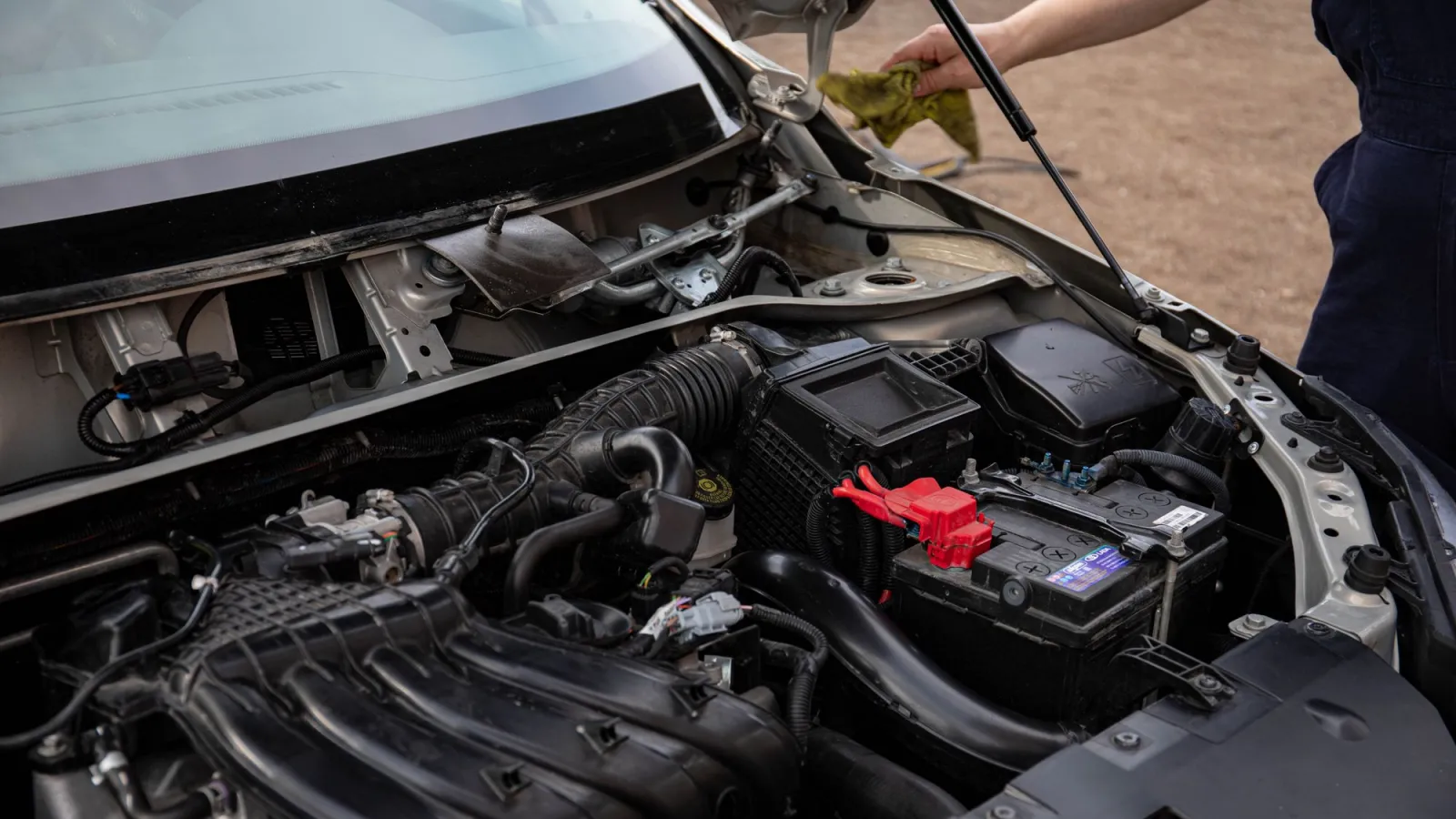
A property claim is often easier to inspect directly. Photos, repair estimates, vehicle records, and an inspection can help show the visible damage and the cost to repair or replace the property. A bodily injury claim can require medical records and other information to explain the injury, its effects, and the care you have received or may need.
The distinction matters because evidence, costs, and the point at which a claim can be evaluated may differ. For example, a repair estimate may be available before the full extent of an injury is clear. An insurer may communicate about the vehicle while questions about your health and related losses remain unresolved.
Both claims may relate to the same collision and the same question of responsibility. Still, an insurer may handle them separately, and resolving one does not necessarily resolve the other. Read any release or settlement paperwork carefully so you understand which claims it covers.
What can a property damage claim include?
A property damage claim may seek payment for reasonable losses tied to damaged property, most often vehicle repair or replacement costs. Depending on the facts and applicable rules, it may also involve other crash-damaged belongings or expenses associated with having no usable vehicle.

The specific amount is not determined just by the fact that your car was damaged. The insurer may consider the vehicle’s condition and value before the crash, the repair estimate, the scope of the damage, and whether repairs are feasible. If the vehicle is treated as a total loss, the valuation process may differ from a repair claim.
Keep copies of estimates, invoices, photos, towing or storage records, and communications with the insurer. A written record makes it easier to understand what costs have been considered and to identify disputed items. If you have personal belongings damaged in the crash, make a list and preserve proof of their condition and value where available.
Avoid assuming that an initial estimate accounts for hidden damage or every related expense. Ask the insurer to explain its valuation and how it reached the proposed amount. If repairs uncover additional damage, document it and share the supporting information before authorizing work when practical.
What can a bodily injury claim include?
A bodily injury claim concerns physical harm and losses connected to that harm. Depending on the circumstances and the law that applies, claimed losses may include medical expenses, income you missed while unable to work, and the effects of pain or limits on daily activities.

Medical documentation helps show the nature of an injury and the care involved. Keep records of appointments, treatment instructions, prescriptions, bills, and communications about your condition. If an injury affects work or ordinary tasks, notes about those effects may help explain the impact, but your account should be accurate and consistent with the available records.
The financial picture may not be clear immediately after a crash. Treatment can continue, symptoms can change, and your providers may need time to assess your condition. An offer made before you understand the extent of your injury may not reflect all the losses you are claiming, so ask what the offer covers and what information the insurer used.
Bodily injury claims are not simply a list of bills. The insurer may review whether the collision caused the reported harm, whether the treatment was related, and how the injury affected you. Keep your explanations factual and avoid treating a preliminary medical opinion as a final prediction about your recovery.
Why do the claims use different evidence and timelines?
The claims use different evidence because vehicle damage can often be inspected, while bodily injury requires evidence about a person’s health and its effects. Photos and repair records may help assess property damage; medical records and information about work or daily activities may help assess an injury claim.

That difference can affect when each claim is ready for meaningful review. A damaged vehicle may be inspected and repaired while you are still receiving care. Conversely, a bodily injury claim may need more documentation before you can understand the expenses and effects you are asking the insurer to consider.
Organize the records by type and keep a dated log of communications. Save estimates, bills, medical paperwork, receipts, and letters or emails from the insurer. When you provide records, keep copies and note what you sent and when. These practical steps can help you spot missing documents and compare the insurer’s explanation with your own records.
Do not assume that an agreement about vehicle repairs settles an injury claim, or that a payment for injury also covers the vehicle. Check the settlement terms and any release for the claims and losses it identifies. If the wording is unclear, ask the insurer for a written explanation before accepting or signing.
Can you have both types of claims after one crash?
Yes, one crash can lead to both a property damage claim and a bodily injury claim if it damages belongings and causes physical harm. The claims may be made against the same insurer, but they can involve different coverage, evidence, and handling decisions.
Your available coverage may also affect how the claims proceed. If the at-fault driver has limited coverage or no applicable coverage, your own policy may provide options depending on its terms and state law. Learn more about underinsured motorist claims if another driver’s coverage may not address your losses.
Responsibility for the crash can be disputed, and the parties may disagree about which damage resulted from it. Keep your account consistent, preserve relevant records, and distinguish what you personally observed from what you learned later. If you believe a roadway condition contributed to the collision, information about defective road design accident claims may help you understand that separate issue.
Even when both claims are open, you do not have to treat every insurer communication as a final decision. Ask whether a proposed payment is limited to a particular loss and whether accepting it would affect another part of your claim. The answer depends on the policy, release language, and applicable law.
What should you consider before accepting an insurance offer?
Before accepting an offer, make sure you understand which losses it addresses, how the amount was calculated, and what rights or claims a release would resolve. An offer for vehicle repairs may not address physical injuries, and an injury settlement may not include the cost of repairing your car.

Compare the insurer’s written explanation with your supporting records. For property damage, review the estimate, valuation, and listed expenses. For bodily injury, consider whether the offer accounts for documented treatment, related expenses, and the effects you are claiming. If information is missing or an item is disputed, ask the adjuster to explain the decision in writing.
Be cautious about signing a broad release before you know what it covers. Some settlement documents can close claims beyond the specific payment being discussed. The wording matters, and the consequences can depend on state law and your circumstances. You can ask for time to review documents and request clarification about any terms you do not understand.
Keep copies of the offer, the release, and all related communications. If you are weighing an offer while treatment is ongoing or responsibility is contested, a lawyer can review the documents and explain issues to consider. No review can promise a particular result, but a careful comparison may help you make an informed decision.
How can state law affect these claims?
State law can affect the time allowed to bring a claim, how fault is assigned, whether damages are capped, and whether special notice rules apply. The rules can also differ depending on who may be responsible, the type of claim, and the insurance coverage involved.

Because these rules vary, do not rely on a general article to determine a deadline or how fault affects your recovery. Preserve your records and get information specific to your circumstances, especially if a government entity or public roadway may be involved. A lawyer can help identify which state rules and deadlines may apply.
Frequently Asked Questions
Does an estimate mean the repair cost is final?
Not necessarily. An estimate may change if a repair shop discovers additional damage, or if the insurer and shop disagree about the work or cost. Keep updated estimates and ask the insurer to explain how it handles supplemental damage.
Can the insurer ask for a recorded statement?
An insurer may ask you to provide information about the crash or your losses. Before giving a recorded statement, clarify who is requesting it, what it concerns, and whether it is required by your policy or requested by another insurer. You can ask for the request and its purpose in writing.
What if I feel injured after the vehicle claim is underway?
A vehicle claim being in progress does not by itself establish that an injury claim has been resolved. Tell the relevant insurer about the injury and keep records of your care and related losses. Review any settlement documents carefully to see what claims they cover.
Can I dispute the insurer’s vehicle valuation?
You can ask how the insurer calculated its valuation and provide records that may be relevant, such as vehicle condition information or comparable listings. Request a written explanation of any disagreement. The process and available options can depend on the policy and state law.
Will accepting payment for my car close my injury claim?
That depends on the settlement terms and any release you sign. Some payments address only a specific property loss, while other documents may resolve broader claims. Read the paperwork and ask for clarification before agreeing to terms you do not understand.
Next Steps
If you are comparing an offer or are unsure which claims it covers, request a consultation for a free case evaluation and review of the insurance offer or relevant deadlines. Bring the offer, any release, and records of your vehicle damage or treatment so the discussion can focus on your situation.

Related Articles

Rideshare Accidents Involving Food Delivery Drivers
A crash involving a rideshare driver and a food delivery driver can raise questions about fault, app status, and which insurance policies may apply. Learn what evidence can help clarify your options.

Arbitration Clauses in Rideshare Terms of Service
A rideshare arbitration clause may affect how you pursue certain injury claims, but its reach depends on the agreement, the parties, and the facts. Learn what to check after a crash.

Robotaxi and Driverless Ride Accidents: Liability Questions
Responsibility for a robotaxi crash depends on what caused it and who had a role in the vehicle’s operation, design, or upkeep. Learn which evidence may help clarify your options.
