

In this article
- What is a phantom vehicle accident?
- When might you have a claim?
- What evidence can help support a miss-and-run claim?
- Which insurance may cover your losses?
- What can make a phantom vehicle claim difficult?
- What steps can you take after the crash?
- How can state law affect a phantom vehicle claim?
- Frequently Asked Questions
- Next Steps
A phantom vehicle accident happens when an unidentified driver causes a crash and leaves, sometimes without touching your vehicle. You may have a claim through your own insurance or another responsible party, but coverage depends on the facts, your policy, and state law. Prompt reporting and reliable evidence can help support your account.
Key Facts
- A phantom vehicle may cause a collision without direct contact with your vehicle.
- The driver’s identity is often unknown, so evidence of how the crash happened matters.
- Your insurance policy may define phantom vehicle or hit-and-run claims differently.
- Some policies or state rules may require contact, independent evidence, or prompt notice.
- Other drivers or entities may share responsibility depending on the circumstances.
What is a phantom vehicle accident?
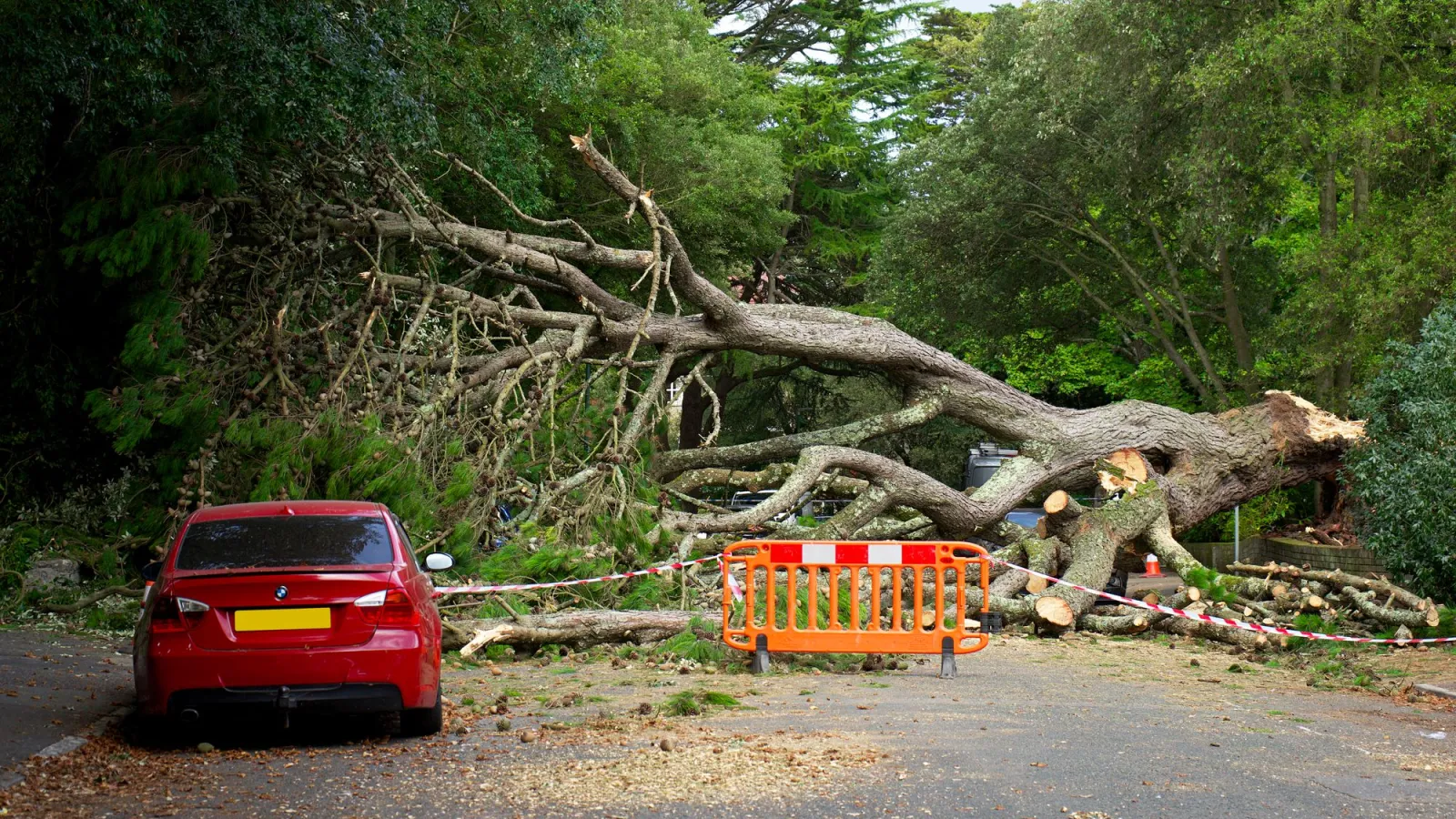
A phantom vehicle accident occurs when an unidentified driver’s actions cause a crash, even if that vehicle never touches yours. For example, another driver might force you to swerve or brake suddenly, causing you to hit a barrier or another vehicle, then leave without stopping. The driver may be difficult to identify or may never be found.

People sometimes use “miss-and-run” to describe these incidents, but the term is not always used consistently. A case may involve a driver who leaves after making contact, a driver whose actions indirectly cause a collision, or a vehicle that disappears before anyone can record identifying details. The facts and the language in your insurance policy matter.
These cases differ from many ordinary Car Accidents, where the vehicles involved and the drivers are known. They can also overlap with Hit-and-Run Accidents. A crash involving several vehicles may raise related questions about how each driver contributed, much like a Multi-Vehicle Pileup.
When might you have a claim?
You may have a claim if evidence supports that another driver’s actions caused or contributed to your injuries or losses. An unknown driver does not automatically rule out an insurance claim, but you generally need more than the possibility that another vehicle was involved. The details of the crash, available witnesses, and applicable coverage can determine what options are available.
If the other driver is identified, you may be able to pursue a claim against that driver’s insurance, subject to the facts and applicable law. If the driver remains unidentified, your own policy may provide coverage through uninsured motorist or other provisions. Whether it applies depends on your coverage, policy definitions, and state requirements. A claim may also involve another known driver if that person’s conduct contributed to the collision.
An insurer may question whether a phantom vehicle was actually involved, particularly when there was no direct contact and no independent witness. A clear, consistent account can help, but it is not a substitute for supporting evidence. A claim review can help identify what the policy requires and what facts still need documentation.
What evidence can help support a miss-and-run claim?
Evidence that independently supports your account can make a phantom vehicle claim easier to assess. It can help show that another vehicle was present, describe what the driver did, and connect that conduct to the crash. Try to preserve information while details are fresh, without putting yourself in danger or interfering with emergency response.
Useful evidence may include photographs or video of the scene, vehicle damage, road conditions, and any visible debris. Witness names and contact details can help an insurer or investigator follow up. Nearby business or residential cameras, vehicle dash cameras, and traffic cameras may have recordings, but footage can be overwritten or unavailable, so note where it may exist.
Write down what you remember as soon as you can: the other vehicle’s direction, color or type, the sequence of events, and what you observed before and after the impact. Keep medical records, repair estimates, and communications with insurers. Do not fill gaps in memory with guesses; distinguish what you saw from what you inferred. Consistent, specific documentation can help address questions about whether another driver caused the crash.
Which insurance may cover your losses?
The insurance that may respond depends on who caused the crash, whether that driver can be identified, and the coverage available under the relevant policies. If the driver is known, a claim may be made under that driver’s liability coverage. If the driver is unknown, your own policy may include coverage that applies to an uninsured or hit-and-run driver, but the terms and eligibility rules vary.
Review your policy for definitions, exclusions, evidence requirements, and notice instructions. Some policies or state rules may require physical contact between vehicles for a particular type of uninsured motorist claim. Other rules may allow a claim without contact but require independent corroboration. Do not assume that one insurer’s requirements apply to every policy or state.
Coverage can also depend on the kind of loss. A policy may address bodily injury differently from damage to your vehicle, and different deductibles or limits may apply. Tell the insurer what happened accurately and ask which provisions it is considering. If the insurer disputes coverage, request an explanation of the specific policy language and supporting basis, then compare that explanation with the complete policy and applicable rules.
What can make a phantom vehicle claim difficult?
A phantom vehicle claim can be challenging when there is little evidence identifying the other vehicle or showing how it caused the crash. Without contact, physical damage may not connect your vehicle to the unknown driver. Disagreements may also arise over whether you swerved to avoid another vehicle, whether another known driver contributed, or whether the injuries resulted from this collision.
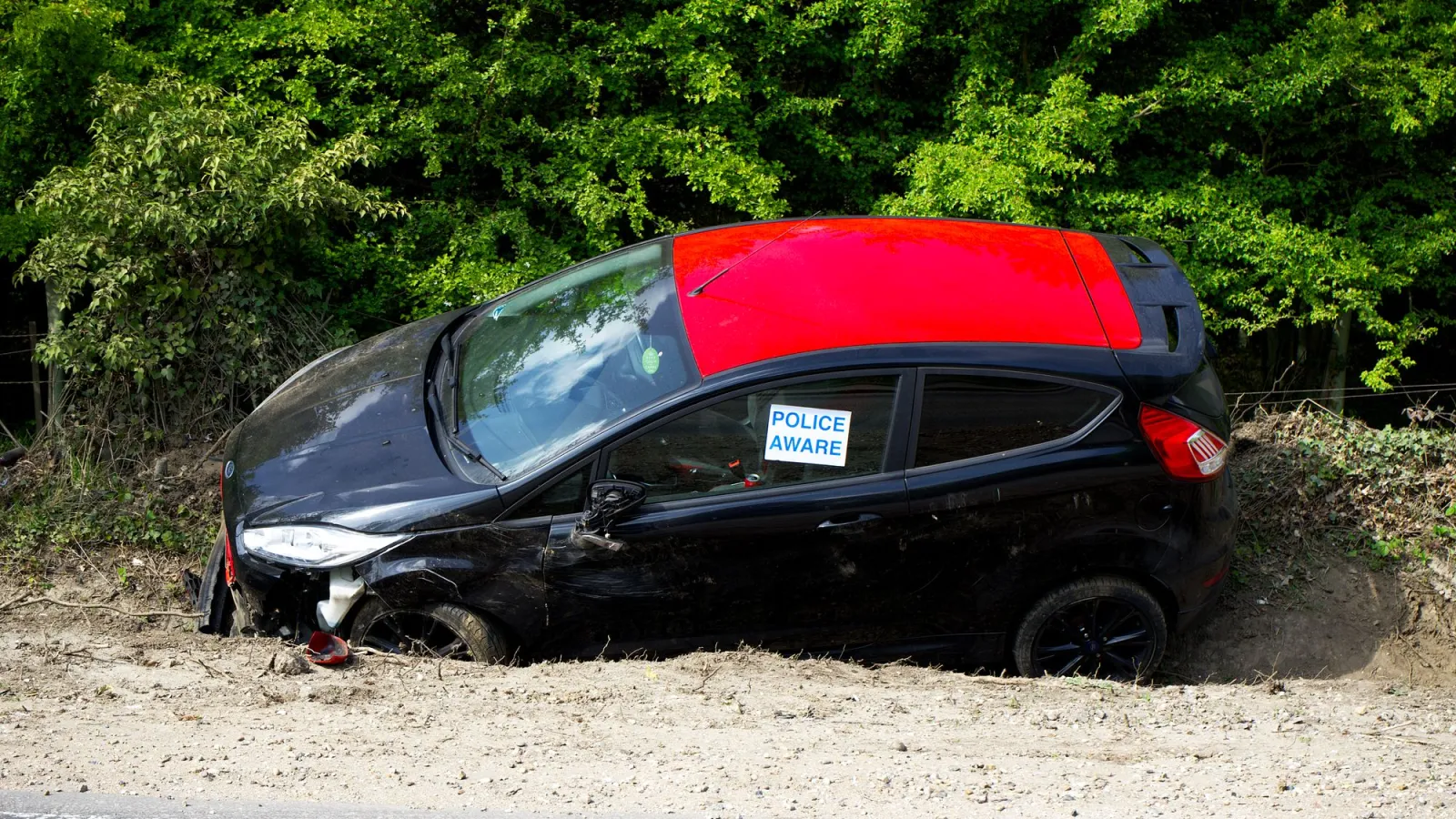
Insurers may ask for a prompt report, a recorded statement, supporting documents, or cooperation with an investigation. Policy wording and state rules can affect what is required. Give a truthful account, correct mistakes if you notice them, and keep copies of messages and documents. Avoid speculating about details you did not observe, and be careful about signing statements you do not understand.
Fault rules can also affect recovery when more than one person may share responsibility, including you. The effect depends on the law that applies and the evidence. Missing records, inconsistent descriptions, or delayed notice may complicate a review, though the effect of any issue depends on the circumstances. If the claim is denied or limited, the insurer’s written explanation can help clarify whether the dispute concerns coverage, fault, evidence, or the amount of documented loss.
What steps can you take after the crash?
After a phantom vehicle crash, take steps to protect your safety, preserve evidence, and understand the insurance requirements. If you are injured or the scene is unsafe, focus first on getting help and following emergency responders’ instructions. Once you can do so safely, record what you remember and keep related documents together.
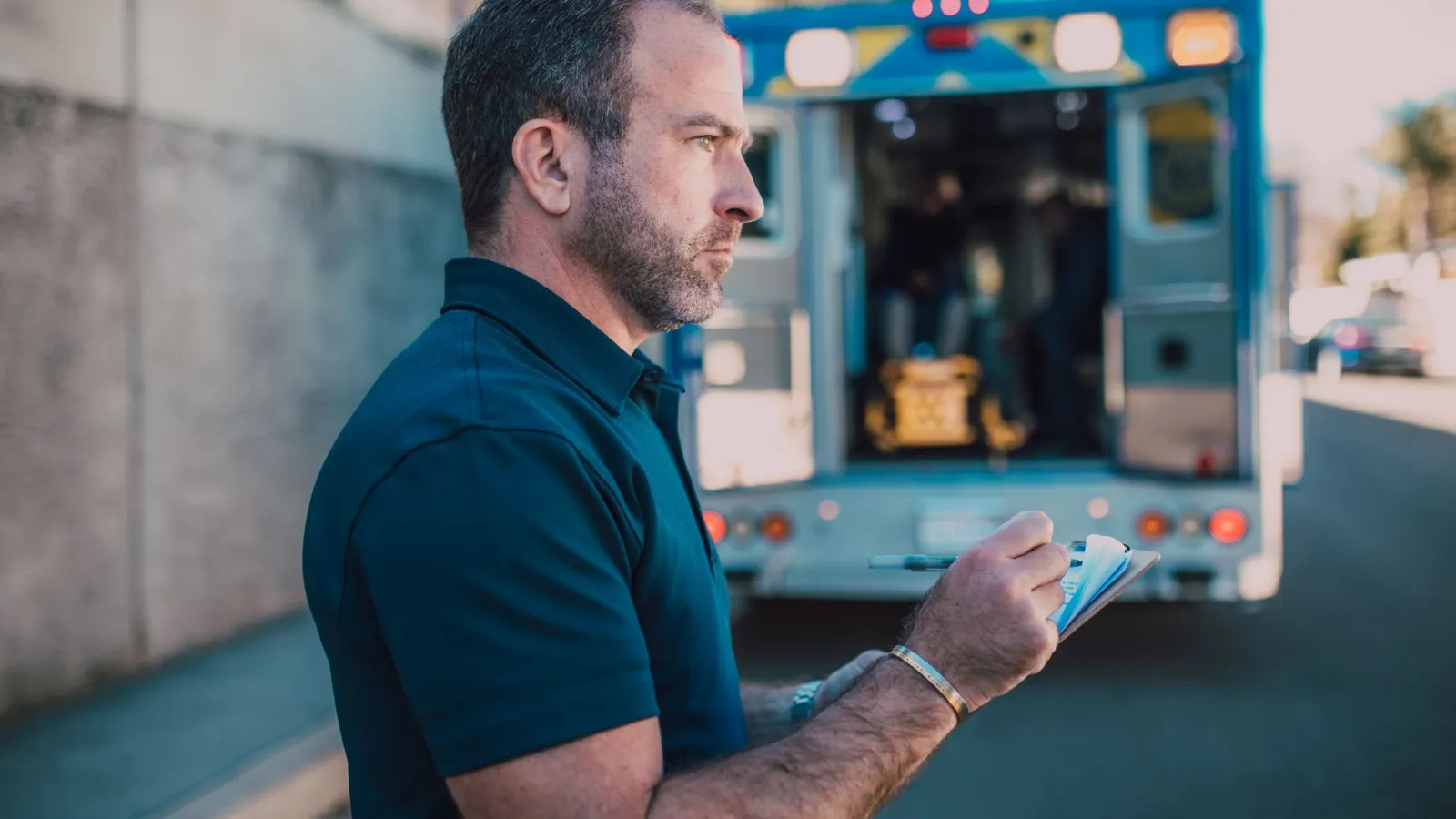
A practical sequence is:
- Report the crash to the appropriate authorities and give a factual account of what you observed.
- Photograph the scene, vehicle damage, and any relevant road conditions, and collect witness contact information if possible.
- Notify your insurer promptly, follow the policy’s reporting instructions, and ask which coverage provisions may apply.
- Save medical, repair, and claim records, along with copies of correspondence and any available video.
- Review any coverage decision or settlement offer carefully, and get help understanding disputed policy terms or fault issues.
Be accurate and measured when describing the unknown driver. Do not claim to have seen details you cannot recall, and do not let a damaged phone, vehicle, or other evidence be discarded before documenting it when practical. If you need help assessing whether the facts support a claim, a lawyer can review the evidence, insurance terms, and rules that apply to your situation.
How can state law affect a phantom vehicle claim?
State law can affect the deadlines for bringing a claim, the rules for assigning fault, and the insurance coverage available for an unidentified driver. Requirements for reporting a crash, notifying an insurer, or proving a miss-and-run event may also vary. Policy terms matter too, and state rules may affect how those terms operate.

Because no single rule applies everywhere, avoid relying on general information to decide whether a deadline or proof requirement applies to you. The governing law may depend on where the crash happened and the type of claim. Check the policy and seek a review of the applicable state requirements promptly.
Frequently Asked Questions
Does a phantom vehicle have to hit your car?
Not always. Some claims involve a driver whose actions caused you to crash without contact, but a policy or state rule may require contact or other corroborating evidence for certain coverage. Check the wording that applies to your claim.
Can you file a claim if no one saw the other vehicle?
You can report the crash and ask your insurer to assess the available coverage, but the lack of a witness may make the facts harder to establish. Video, scene evidence, physical damage, and a consistent account may still help support the claim.
What if the unknown driver is later identified?
An identified driver may create an option to pursue a claim under that person’s liability coverage, depending on the evidence and applicable law. Tell your insurer if you learn the driver’s identity, since it may affect how the claim is handled.
Can you claim for vehicle damage as well as injuries?
Possibly, but bodily injury and vehicle damage may be handled under different policy provisions. Coverage, deductibles, exclusions, and proof requirements can differ, so review the relevant terms with the insurer.
What if the insurance company denies the claim?
Ask for the denial and its reasons in writing, including the policy language the insurer relied on. Review the explanation, the policy, and any evidence that may address the insurer’s concerns; the available options depend on the terms and applicable law.
Next Steps
If you are unsure whether the evidence supports a phantom vehicle claim, request a Consultation for a review of the crash facts, insurance terms, and applicable deadlines. A case evaluation can help you understand possible next steps without promising a particular result.

Related Articles

Rideshare Accidents Involving Food Delivery Drivers
A crash involving a rideshare driver and a food delivery driver can raise questions about fault, app status, and which insurance policies may apply. Learn what evidence can help clarify your options.

Arbitration Clauses in Rideshare Terms of Service
A rideshare arbitration clause may affect how you pursue certain injury claims, but its reach depends on the agreement, the parties, and the facts. Learn what to check after a crash.

Robotaxi and Driverless Ride Accidents: Liability Questions
Responsibility for a robotaxi crash depends on what caused it and who had a role in the vehicle’s operation, design, or upkeep. Learn which evidence may help clarify your options.
