

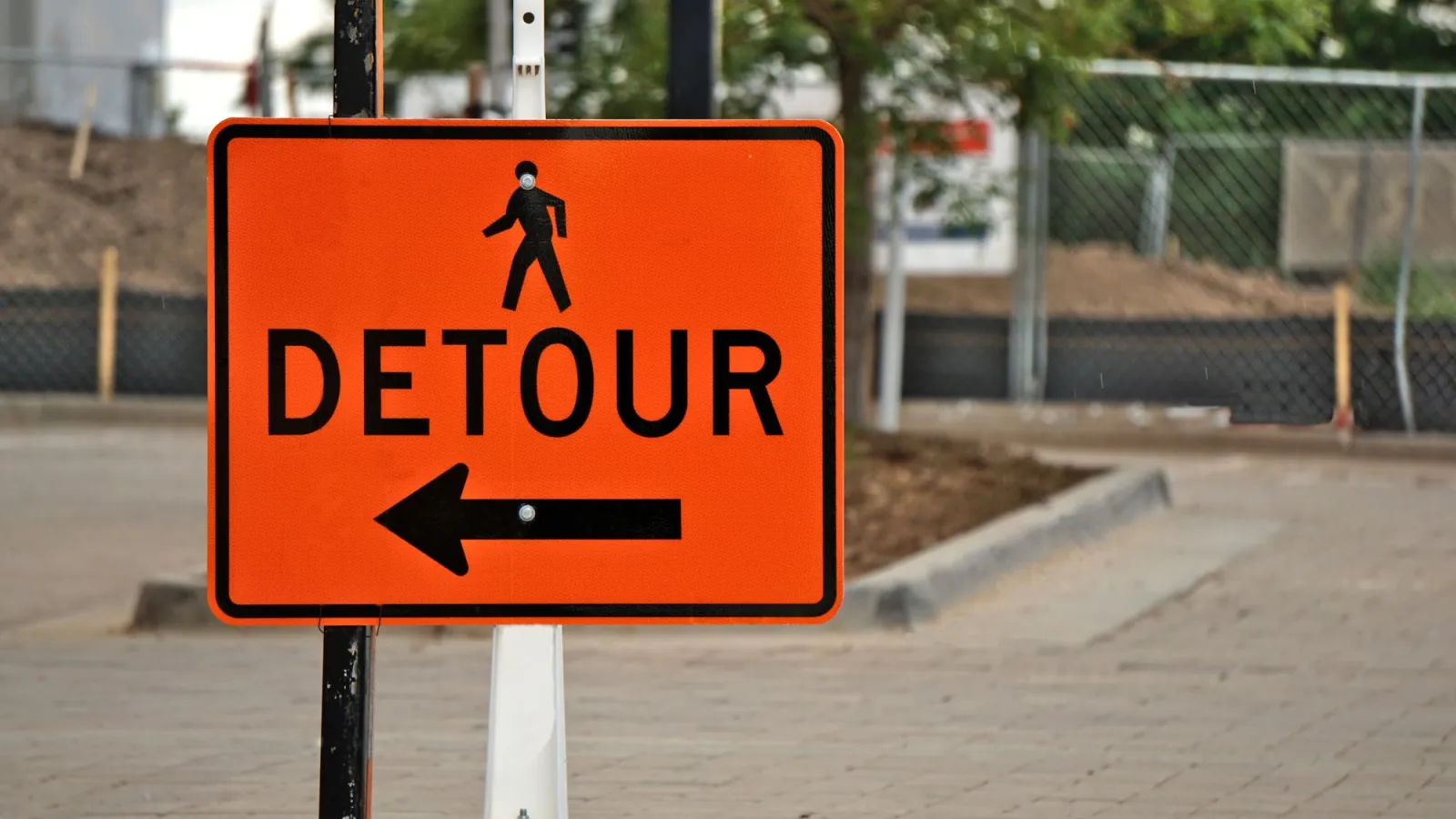
In this article
- How can a construction detour lead to a pedestrian crash?
- Who may be responsible for a crash in a detour?
- What evidence can help explain how the crash happened?
- How can pedestrian fault affect a construction-zone claim?
- What should you do if an insurer contacts you?
- How can you assess whether the crash may support a claim?
- Which state rules can affect a detour-crash claim?
- Frequently Asked Questions
- Sources
- Next Steps
A pedestrian crash in a construction detour may support a claim if unsafe conditions—such as a blocked walkway, confusing signs, or inadequate barriers—contributed to the collision and caused injury. Responsibility depends on the facts, which may involve a driver, contractor, property owner, or public agency. Evidence and state law can affect how a claim is assessed.
Key Facts
- A marked detour does not automatically mean the pedestrian route was safe.
- Responsibility depends on who controlled the area and what caused the crash.
- Photos, witness details, and incident records may help document conditions.
- Fault may be shared among multiple people or organizations.
- State rules can affect deadlines, fault, and claims involving public agencies.
How can a construction detour lead to a pedestrian crash?
A construction detour can contribute to a pedestrian crash when it directs people into an unsafe, confusing, or obstructed route. A sidewalk may end without a clear alternative, signs may be hard to see, or barriers may leave pedestrians exposed to vehicle traffic.
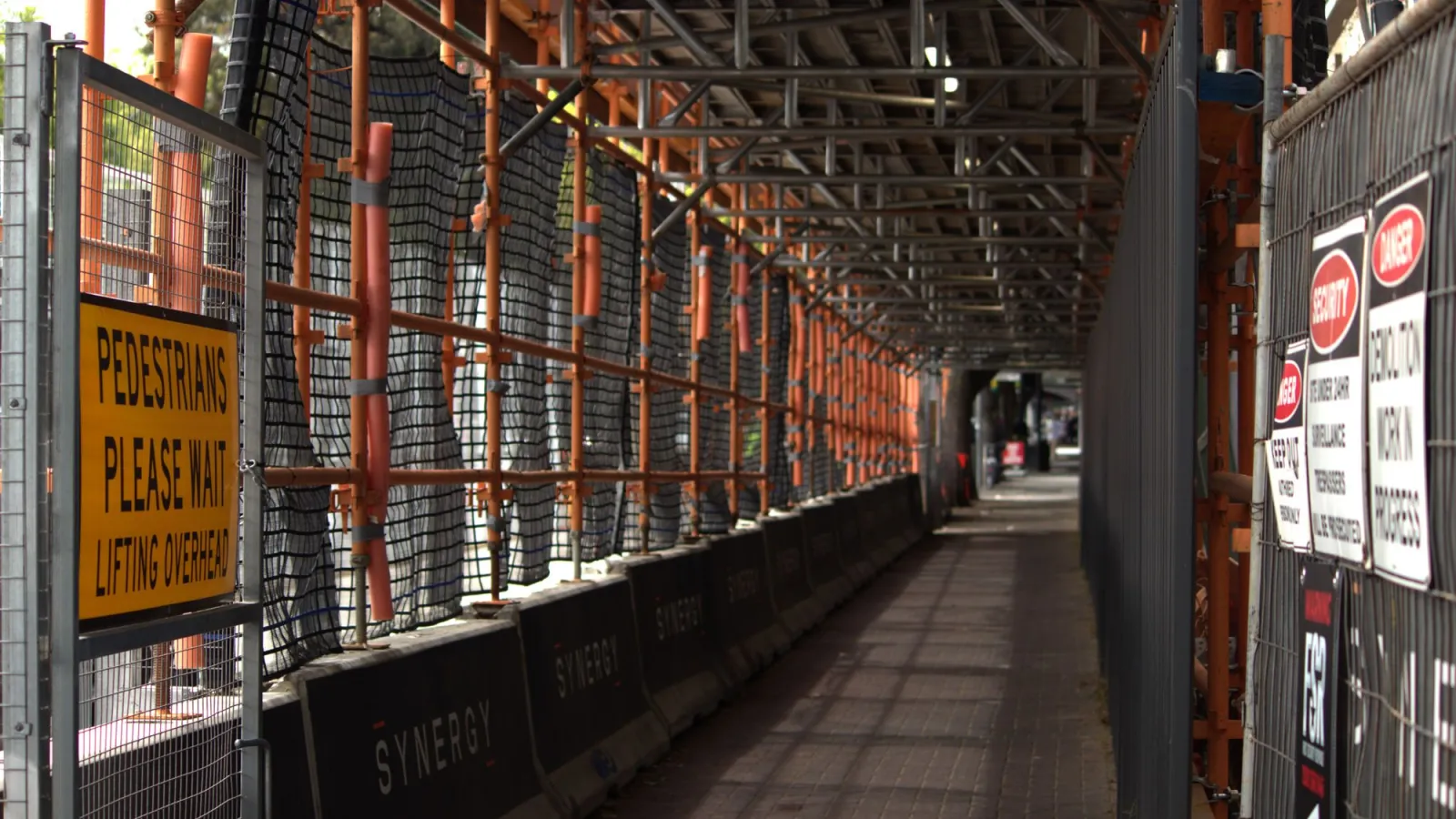
Work areas can change as crews move equipment, close access points, or adjust traffic patterns. A route that was clear earlier may become blocked, while signs or temporary markings may not make the intended path obvious. Poor lighting, uneven surfaces, debris, and limited visibility can add to the danger.
A crash can also involve a driver's actions, such as failing to yield or driving too fast for conditions. The presence of construction does not by itself establish that a contractor or agency caused a collision. An assessment of Pedestrian Accidents considers the route, the conditions at the time, and how each person's actions may have contributed.
Who may be responsible for a crash in a detour?
Responsibility may involve any person or organization whose conduct or work contributed to the unsafe conditions or collision. Depending on the site, that could include a driver, construction contractor, property owner, company responsible for signs or barriers, or public agency overseeing the project.
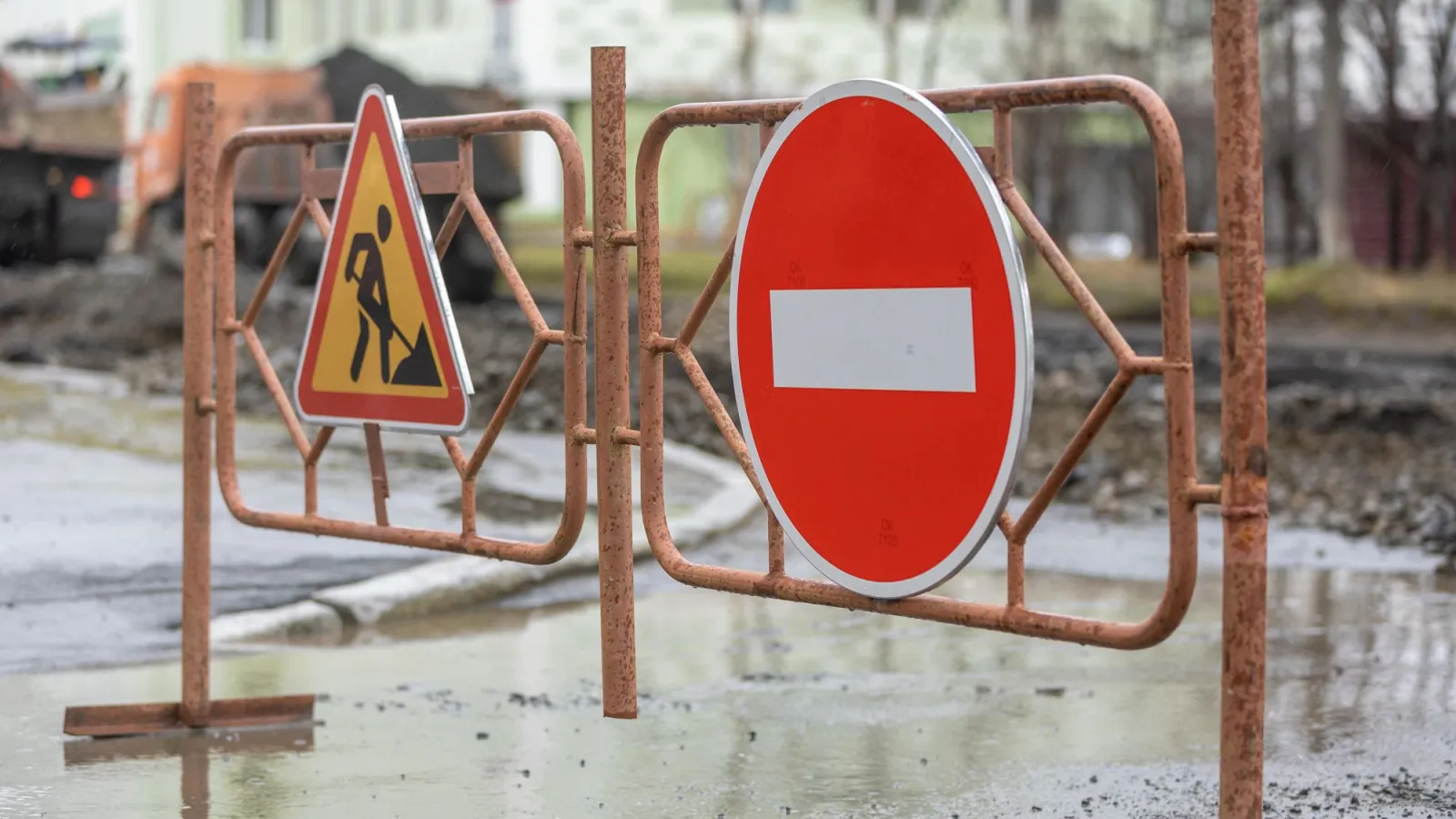
The party that designed a detour may differ from the party that installed or maintained it. A contractor might control barriers in one area while an agency or another company controls signage or traffic operations. Records about contracts, work assignments, inspections, and site changes may help clarify who had responsibility for a particular condition.
A driver's conduct may also matter, even when the crash occurred beside a work zone. For example, investigators may examine whether the driver had a clear view, followed traffic controls, and responded appropriately to pedestrians. In a Crosswalk Accident, the location and visibility of the crossing may be important, but the same basic questions about conduct and evidence apply.
More than one party may share responsibility, and the facts may not point to a single cause. A legal review can examine who controlled the site, what duties applied, and whether a failure contributed to the injury.
What evidence can help explain how the crash happened?
Evidence that captures the detour's condition, the crash location, and the people or organizations involved can help explain what happened. Temporary signs and barriers may be moved quickly, so information recorded close to the event can be especially useful.

If it is safe and practical, preserve what you can without entering a work area or interfering with emergency response. Keep original files when possible, and write down details while your recollection is fresh. A family member or witness may be able to help gather information if you are receiving care.
A practical order for preserving information is:
- 1. Photograph or record the route, signs, barriers, lighting, surface conditions, and nearby intersections from a safe location.
- 2. Collect contact details for witnesses and note the names of contractors, agencies, or businesses identified at the site.
- 3. Save medical records, receipts, messages, and any report or claim correspondence related to the crash.
- 4. Ask a legal professional whether relevant video, inspection records, work plans, or incident reports may be available.
How can pedestrian fault affect a construction-zone claim?
Pedestrian fault may affect a claim, but the effect depends on the applicable state rules and the facts. An insurer or other party may argue that a pedestrian crossed outside the intended route, ignored a warning, or entered a restricted area. That argument does not settle the question of responsibility by itself.
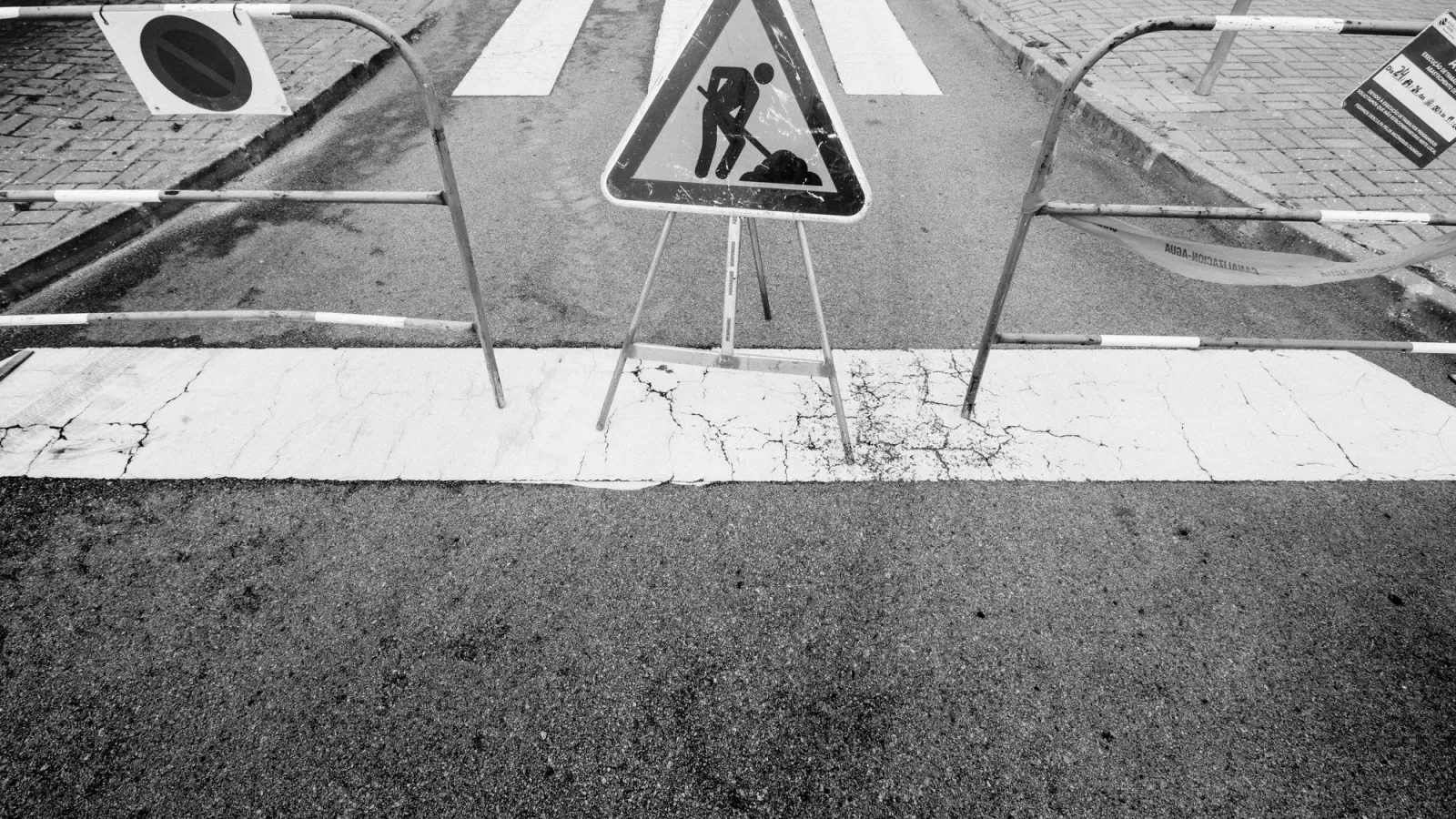
A fair assessment considers the conditions a pedestrian encountered, including whether the route was clearly marked and accessible. It may also consider whether signs were visible, barriers left a safe path, and traffic created a reasonable opportunity to cross. A person may have limited alternatives when a sidewalk is blocked or a detour is confusing.
State law determines how a person's share of fault may affect recovery. The applicable rules can also shape how responsibility is divided among multiple parties. Because these rules differ, an insurer's view of fault is not necessarily the final legal assessment.
If the crash involved a school route or children, facts about the detour's location and visibility may also matter. Situations involving a school area may raise additional factual questions, as discussed in School Zone Pedestrian Accidents.
What should you do if an insurer contacts you?
If an insurer contacts you, gather the basic information about the claim and avoid guessing about details you do not know. You can ask who the insurer represents, what incident it is reviewing, and whether it is requesting records or a statement. Keep copies of messages and letters.
An insurer may ask for a recorded statement, medical authorization, or other documents. Before agreeing, make sure you understand what is being requested and how it may be used. You can take time to review paperwork and seek help understanding the request, especially if the detour's condition or responsibility is disputed.
Describe events accurately and separate what you personally observed from what someone else told you. Avoid altering photos, deleting messages, or posting speculation about the crash. If a proposed payment or release is presented, review its terms carefully; signing a release may affect the ability to pursue related claims.
A claim involving a public agency or construction project may have specific procedures. The details of those procedures depend on the parties and state law, so ask about applicable requirements rather than relying on a general insurance timeline.
How can you assess whether the crash may support a claim?
A claim may be worth assessing when evidence suggests that a careless act or unsafe condition contributed to the crash and caused an injury. The review generally asks what duty applied, whether it was breached, whether that failure contributed to the collision, and what losses followed.
For a construction detour, the analysis may include who planned and maintained the route, whether signs and barriers matched the conditions, and whether a safer pedestrian path was available. It may also consider the driver's conduct and whether other events played a role. A clear causal connection matters; an unsafe-looking site alone does not establish that it caused the injury.
Medical documentation can help explain the injury and treatment, while photographs, witness accounts, site records, and correspondence may help explain the event. Keep documents organized and note questions about missing evidence or disputed facts.
An early review can help identify which parties or records may matter and whether state-specific procedures apply. A lawyer familiar with pedestrian claims can evaluate the available facts without treating an initial insurance position as the final word.
Which state rules can affect a detour-crash claim?
State law can affect the time to bring a claim, how fault is allocated, and what damages may be available. Rules may also differ when a claim involves a city, state agency, or other public entity, including special notice procedures or limits on recovery.
These differences can matter early because the potentially responsible parties may include both private companies and public bodies. The applicable requirements depend on where the crash occurred, who is involved, and the specific facts. Do not assume that one state's rules apply to a crash elsewhere.
A state-specific review can identify which deadlines, notice rules, fault standards, or damage limits may apply. This article provides general information, not a determination of the law governing an individual claim.
Frequently Asked Questions
Can a contractor be responsible if a detour sign was missing?
Possibly, depending on who was responsible for placing or maintaining the sign and whether its absence contributed to the crash. Contracts, work records, and site conditions may help identify responsibility. A missing sign alone does not establish liability.
Does a police report decide who caused the crash?
No. A report can provide useful information, but it may not include every relevant detail about the detour or construction work. Other evidence, such as photographs, witness accounts, and project records, may add context.
What if the construction company changed the route after the crash?
A later change may make earlier evidence more important, but the change alone does not prove the prior route was unsafe. Photos, videos, witness details, and records of site operations may help establish what conditions existed at the time.
Can you make a claim if you were not in a marked crosswalk?
Possibly. The location of the pedestrian and the surrounding conditions may affect fault, but it does not automatically answer whether another party contributed to the crash. State rules and the specific facts matter.
What if several companies worked on the same project?
More than one company may have had a role in planning, marking, or maintaining the detour. Project records and work assignments can help clarify each party's responsibilities. A claim may also involve a driver, owner, or public agency.
Sources
Next Steps
If you were injured in a pedestrian crash near a construction detour, a free case evaluation can help you understand what facts and state-specific rules may matter. Contact us through our Consultation page to discuss the incident or ask about a deadline check.

Related Articles

Rideshare Accidents Involving Food Delivery Drivers
A crash involving a rideshare driver and a food delivery driver can raise questions about fault, app status, and which insurance policies may apply. Learn what evidence can help clarify your options.
Arbitration Clauses in Rideshare Terms of Service
A rideshare arbitration clause may affect how you pursue certain injury claims, but its reach depends on the agreement, the parties, and the facts. Learn what to check after a crash.

Robotaxi and Driverless Ride Accidents: Liability Questions
Responsibility for a robotaxi crash depends on what caused it and who had a role in the vehicle’s operation, design, or upkeep. Learn which evidence may help clarify your options.
