


In this article
- What causes pedestrian accidents in parking garages?
- Who may be responsible for a garage collision?
- What evidence can help explain how the accident happened?
- How do injuries and medical records affect a claim?
- How can fault affect whether you have a claim?
- What practical steps can you take after a garage accident?
- How can state law change a parking garage injury claim?
- Frequently Asked Questions
- Next Steps
A pedestrian injured in a parking garage may have a claim if someone’s careless conduct or an unsafe condition contributed to the collision. Responsibility can involve a driver, the garage owner or operator, or another party. The specific facts, available evidence, injuries, and state law all matter when evaluating a potential claim.
Key Facts
- Garage collisions may involve driver behavior, property conditions, or a combination of factors.
- Responsibility depends on the circumstances and evidence, not only on where the collision happened.
- Photos, witness details, incident records, and medical documentation may help explain what occurred.
- A property owner or operator may be relevant if a dangerous condition contributed to the injury.
- State rules can affect fault, deadlines, damage limits, and notice requirements.
What causes pedestrian accidents in parking garages?
Pedestrian accidents in parking garages can result from driver behavior, limited visibility, unsafe conditions, or a combination of factors. The broader Pedestrian Accidents overview explains common issues in injury claims involving people on foot.
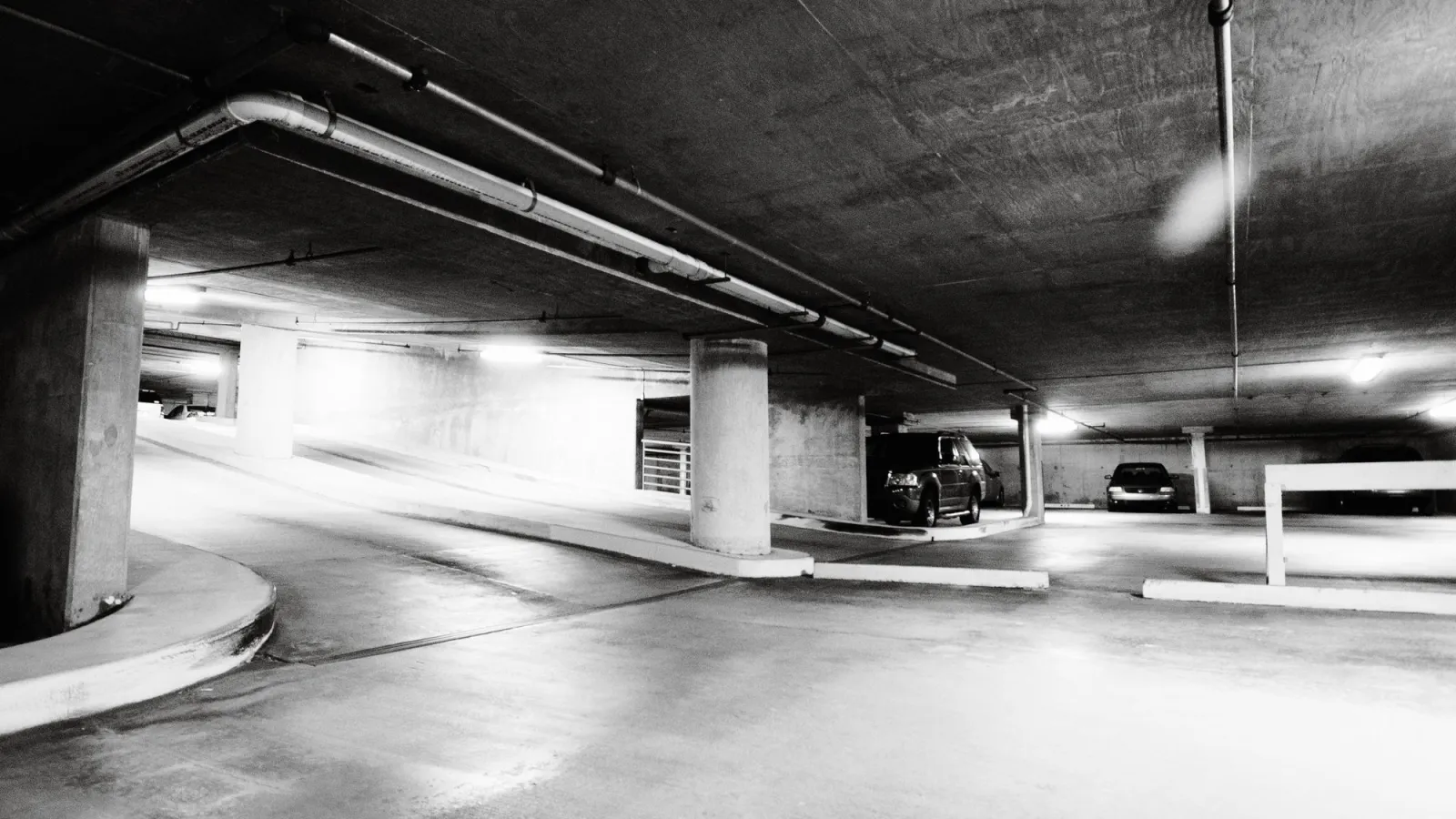
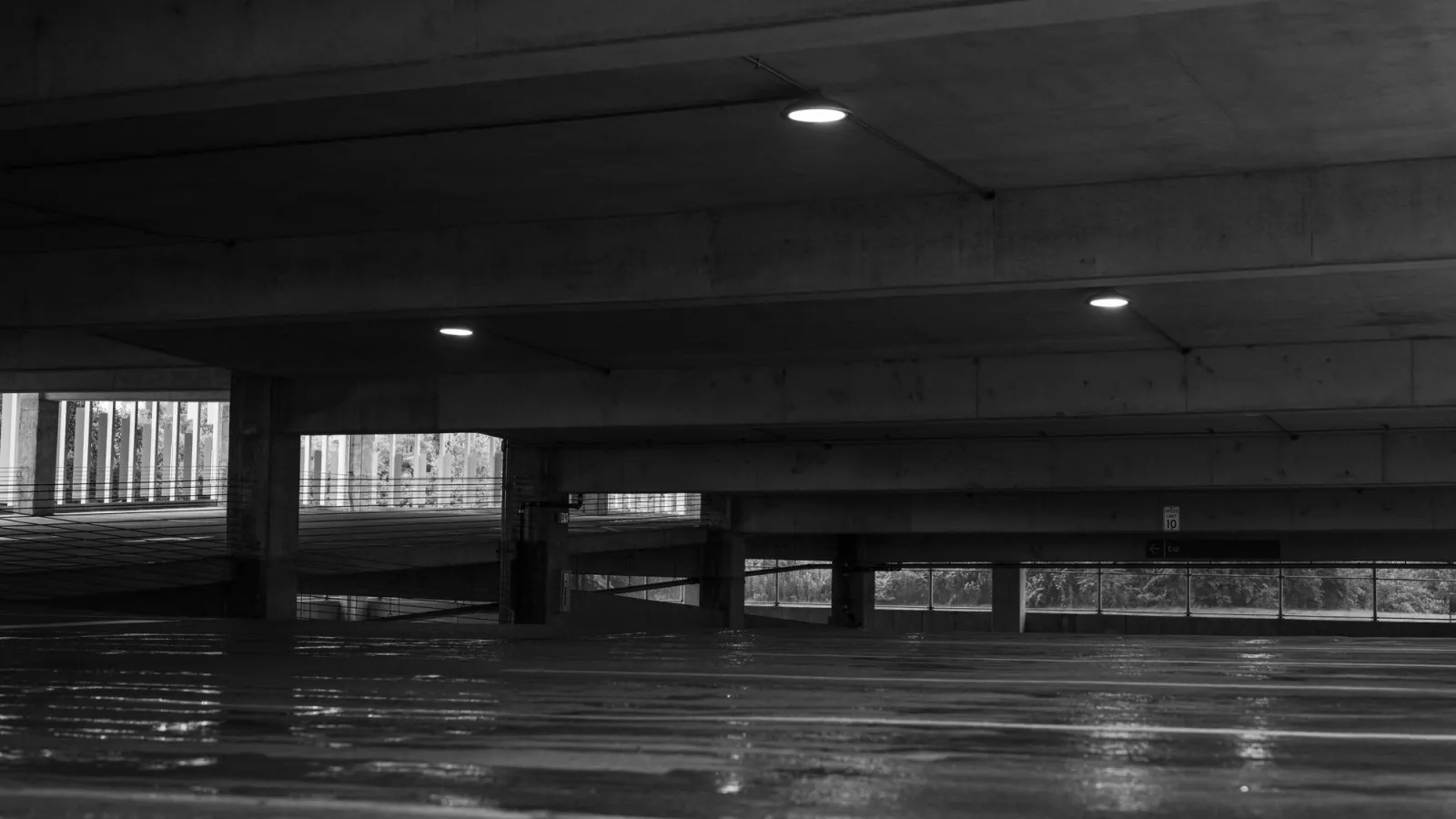
Garages bring vehicles and pedestrians together in enclosed spaces where sightlines may be limited. Drivers may be turning, reversing, or moving between levels, while pedestrians may be walking to elevators, stairs, or parked vehicles. A collision may happen if a driver does not notice someone crossing, moves too quickly for the conditions, or fails to account for a blind corner. Poorly placed signs or unclear markings may also make it harder to understand which routes are intended for pedestrians.
Conditions in the garage can contribute, too. For example, dim lighting, a damaged walking surface, or an obstruction could affect a person’s ability to see or safely move through the area. These circumstances do not automatically establish fault; their relevance depends on how they relate to the collision and who was responsible for addressing them.
- A driver backing out without noticing a pedestrian
- A blind corner or ramp that limits visibility
- A vehicle traveling too quickly for the conditions
- A walking route obstructed by vehicles, equipment, or debris
- Dim lighting or unclear traffic and pedestrian markings
Who may be responsible for a garage collision?
Responsibility may rest with a driver, a garage owner or operator, a maintenance company, or more than one party, depending on what caused the collision. A driver’s actions may be central when the person did not watch for pedestrians, yield when required, or adjust driving to the garage’s visibility and traffic conditions.
A property owner or operator may be relevant when a hazardous condition contributed to the event. Examples could include a poorly maintained light, a damaged walking surface, or a layout or sign problem that created a foreseeable risk. Whether a property-related claim applies depends on the specific condition, who controlled or maintained the area, and what that party knew or reasonably could have known.
Other organizations may have a role if they were responsible for construction, repairs, security, or traffic management. The parties involved and the records available can help clarify who controlled the relevant area. A parking garage incident may share issues with Parking Lot Pedestrian Accidents, though a garage’s ramps, enclosed layout, and sightlines may create distinct questions.
- The driver and vehicle owner, depending on the facts
- The entity that owns or operates the garage
- A contractor responsible for a relevant repair or maintenance task
What evidence can help explain how the accident happened?
Evidence that records the scene, the people involved, and the garage’s condition can help establish how the collision happened. If it is safe to do so, photograph the location from several angles, including the walking route, vehicle path, lighting, signs, markings, and any condition that may have affected visibility or movement.

Write down the date and approximate time, the garage level or area, the vehicle description, and what you remember about the events. Get contact details for witnesses and note whether security staff or garage personnel responded. Keep any incident paperwork and communications you receive, and save receipts or records related to your injury and care.
Surveillance footage can be useful, but it may not be retained indefinitely or may not cover the exact location. You can promptly ask the garage operator to preserve relevant recordings and incident records. Avoid assuming that a recording exists or that it will show the entire event; it may need to be considered alongside witness accounts, photographs, and other evidence.
If the collision occurred near a marked crossing or walkway, the placement and condition of that route may matter. Issues can overlap with Crosswalk Accidents, but the actual garage layout and pedestrian path remain important.
- 1. Record what you remember while details are fresh.
- 2. Preserve photographs, witness information, and incident documents.
- 3. Request that relevant footage or records be retained.
How do injuries and medical records affect a claim?
Medical records can help document the nature of your injuries, the care you received, and how your condition changed after the collision. Seek medical attention for injuries or symptoms, including those that become noticeable later, and describe what happened as accurately as you can to your health care providers.
Keep copies of visit summaries, treatment instructions, prescriptions, and bills. If an injury affects work or ordinary activities, keep a factual record of the impact and any related documentation. These records can help explain the consequences of the event, but they do not by themselves establish who caused it or what another party was legally responsible for.
A claim evaluation may consider how the medical evidence connects the injury to the garage incident. It may also consider whether there were earlier or later events relevant to your condition. Be accurate when discussing symptoms and follow-up care, and keep records in an organized place so they can be reviewed together with photographs, witness accounts, and any incident report.
A person’s injury experience can differ substantially from someone else’s, even when the incidents appear similar. The specific diagnosis, treatment, recovery, and supporting information matter more than comparisons to another person’s claim.
How can fault affect whether you have a claim?
Fault can affect whether a claim is available and how responsibility is divided, but the result depends on the evidence and the law that applies. An insurer or other party may argue that a pedestrian or driver contributed to the collision. That position is not necessarily the final word; the facts, including visibility, walking routes, vehicle movement, and warnings, may need closer review.
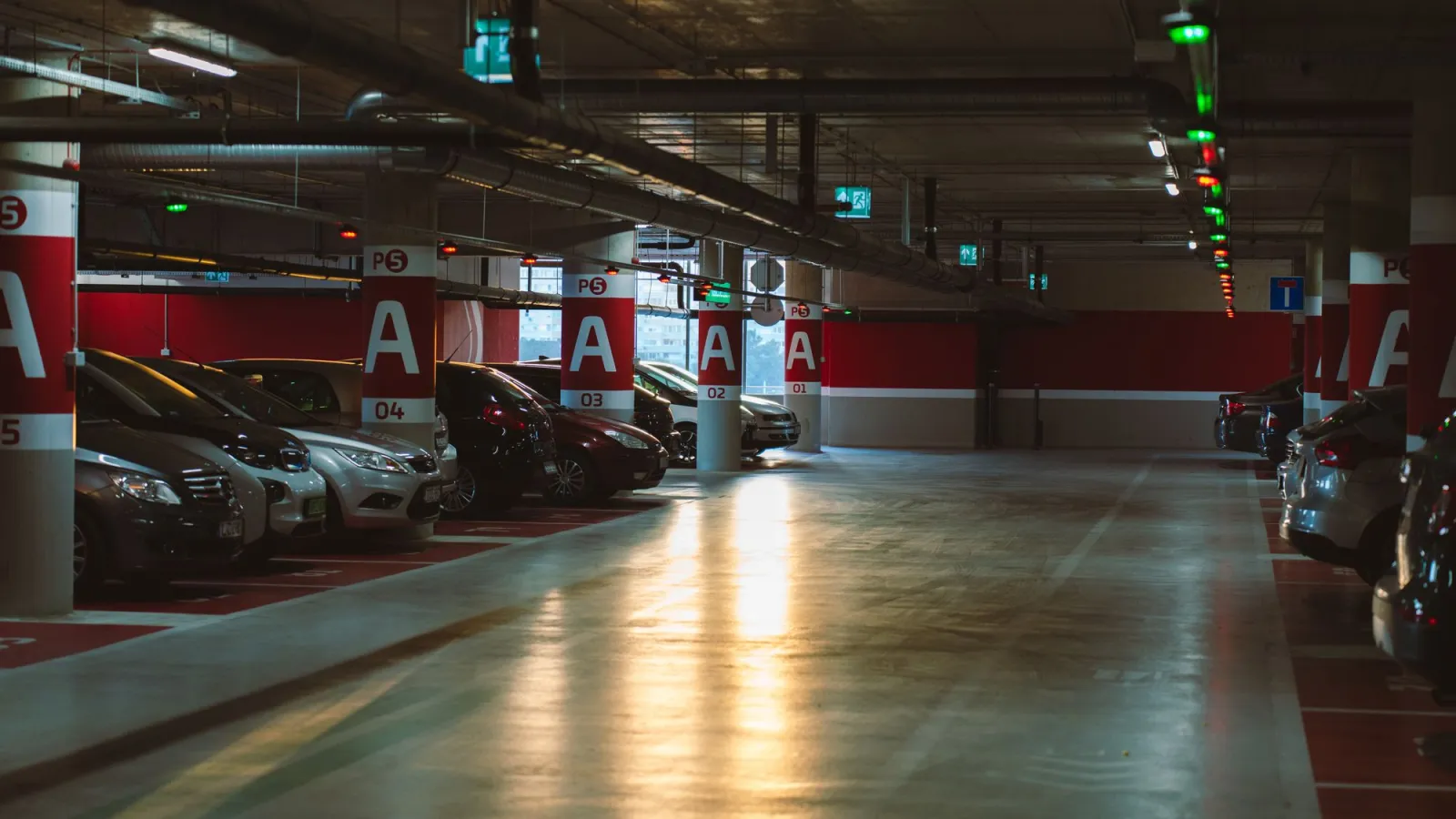
A garage collision does not automatically make the driver, pedestrian, or property operator responsible. Relevant questions can include where each person was, what each could see, whether a safe route was provided, and whether anyone acted unreasonably under the circumstances. Evidence that supports or challenges each account can be important.
Insurance communications may ask for a statement or other information. Be truthful and careful to distinguish what you personally remember from what you later learned. Keep copies of messages and documents, and do not treat an insurer’s early view of fault as a legal determination. If you receive an offer, make sure you understand what it covers and whether accepting it would resolve further claims.
A review of a potential case can compare the available evidence with the applicable rules and identify unanswered questions. No general description can determine the outcome of an individual claim.
What practical steps can you take after a garage accident?
You can take practical steps to protect your health and preserve information after a parking garage pedestrian accident. Focus first on getting appropriate medical attention and recording details that may later be difficult to recall. If you cannot safely gather information yourself, someone you trust may be able to help.

Keep communications with the driver, garage operator, and insurers factual. Save notices, emails, letters, and claim information rather than relying on memory. Avoid posting detailed descriptions of the incident or your injuries publicly while the facts are still being reviewed.
You may also want to learn who owns or operates the garage and who handles its records. That can help direct a request to preserve footage or incident materials. If you are unsure how a statement, release, or insurance offer may affect you, you can ask for an explanation before deciding how to respond. A Consultation can provide an opportunity to discuss the facts and questions you have.
- 1. Attend to your health and follow medical instructions.
- 2. Preserve photos, records, and witness contact details.
- 3. Keep insurance and garage communications organized.
- 4. Ask about applicable claim deadlines and any required notices.
How can state law change a parking garage injury claim?
State law can affect the deadline to bring a claim, how fault is divided, whether damages are limited, and whether special notice rules apply. Rules may also differ depending on whether a potentially responsible party is a private business or a public entity. These requirements can influence what information needs to be preserved and when a claim must be presented.
The applicable rules depend on where the incident occurred and the parties involved. Because deadlines and notice requirements may be short, identify the location and ownership of the garage early when seeking an evaluation. This general information is not a substitute for checking the law that applies to your circumstances.
Frequently Asked Questions
Can a garage owner be responsible if a driver hit me?
Possibly, if a condition the owner or operator controlled contributed to the collision. The driver’s conduct, the condition of the garage, and who was responsible for maintenance or warnings all matter.
What if there were no witnesses?
A claim may still be evaluated using other evidence, such as photographs, medical records, incident reports, and available video. The amount and quality of evidence can affect how clearly the event can be reconstructed.
Should I ask the garage for video footage?
You can promptly ask the garage operator to preserve any footage covering the location and time of the incident. Recording systems and retention practices vary, and footage may not capture every relevant detail.
What if I did not feel injured right away?
Some symptoms may become apparent after the incident, so pay attention to changes in your condition and seek appropriate medical care. Tell your provider when symptoms began and what you remember about the collision.
Can I bring a claim if an insurer says I was partly at fault?
An insurer’s view is not necessarily a final decision about legal responsibility. The effect of shared fault depends on the applicable state rules and the facts supporting each person’s account.
Next Steps
If you were injured in a parking garage, gather any photos, medical records, and insurance communications you have. Contact us for a free case evaluation to discuss the circumstances, review an insurance offer, or check which deadlines and notice rules may apply. Request a free case evaluation

Related Articles

Rideshare Accidents Involving Food Delivery Drivers
A crash involving a rideshare driver and a food delivery driver can raise questions about fault, app status, and which insurance policies may apply. Learn what evidence can help clarify your options.
Arbitration Clauses in Rideshare Terms of Service
A rideshare arbitration clause may affect how you pursue certain injury claims, but its reach depends on the agreement, the parties, and the facts. Learn what to check after a crash.

Robotaxi and Driverless Ride Accidents: Liability Questions
Responsibility for a robotaxi crash depends on what caused it and who had a role in the vehicle’s operation, design, or upkeep. Learn which evidence may help clarify your options.
