

In this article
- How does visibility affect a nighttime pedestrian accident?
- What duties may matter for drivers and pedestrians?
- How is fault evaluated after a nighttime crash?
- What evidence can help explain visibility and fault?
- What can you do if an insurer disputes fault?
- How can state law change a nighttime pedestrian claim?
- Frequently Asked Questions
- Next Steps
Visibility can matter in a nighttime pedestrian accident, but darkness or dark clothing does not automatically determine who is at fault. Responsibility depends on the circumstances, including where the crash happened, what each person could see, applicable traffic rules, and how each acted. Evidence about lighting, sight lines, signals, and timing can help explain what occurred.
Key Facts
- Nighttime conditions can affect visibility, but they do not decide fault on their own.
- The crash location, signals, road design, and actions of both parties may matter.
- Photographs, witness accounts, and lighting details can help document conditions.
- Fault rules and deadlines depend on the state and circumstances.
How does visibility affect a nighttime pedestrian accident?
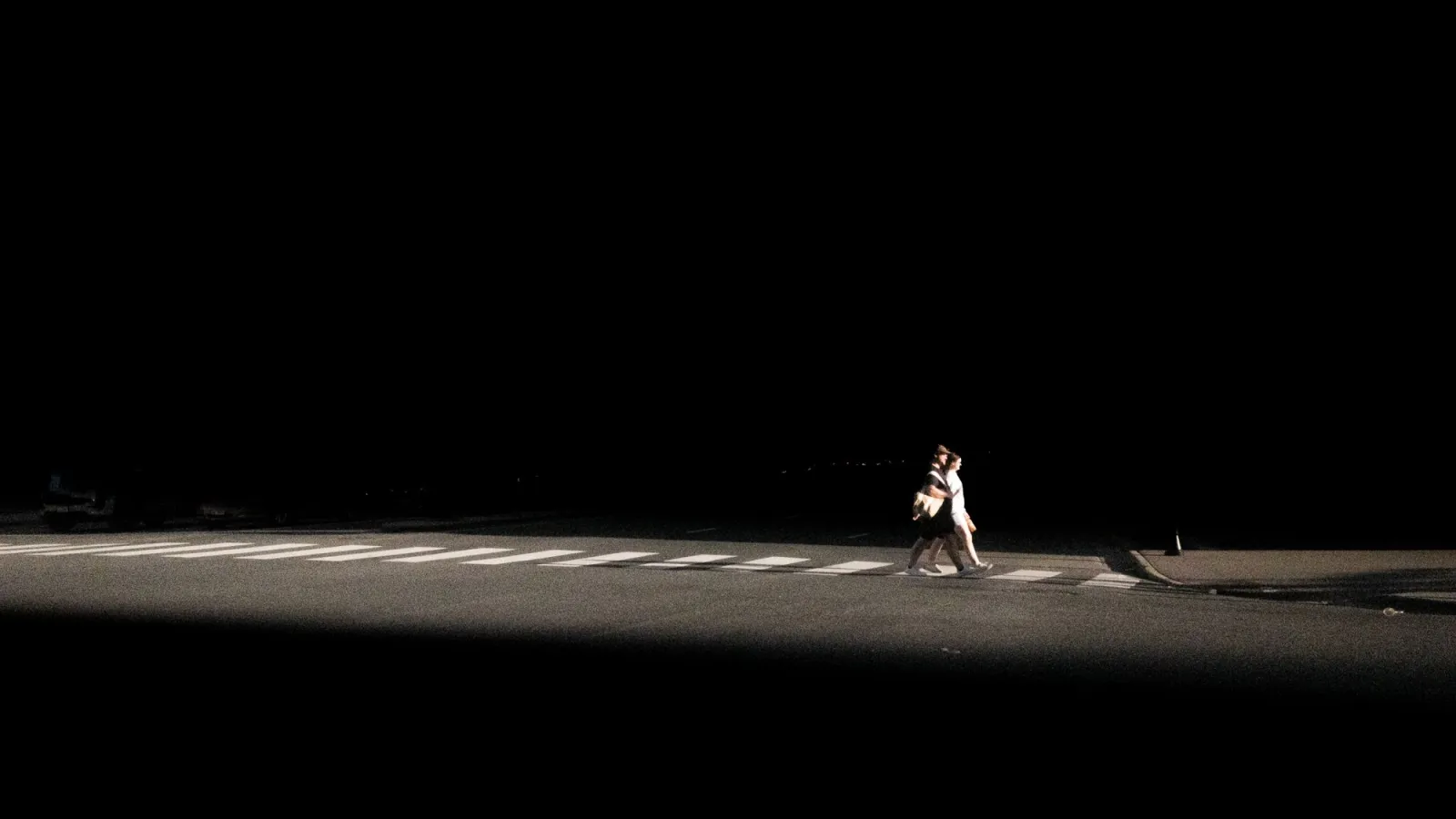
Visibility can help explain what a driver and pedestrian could reasonably see before a nighttime crash, but it is only one part of the fault analysis. Darkness, glare, weather, shadows, headlights, streetlights, and the contrast between a person and the background may all affect visibility. The relevant conditions are those at the time and place of the collision, not simply whether it was night.
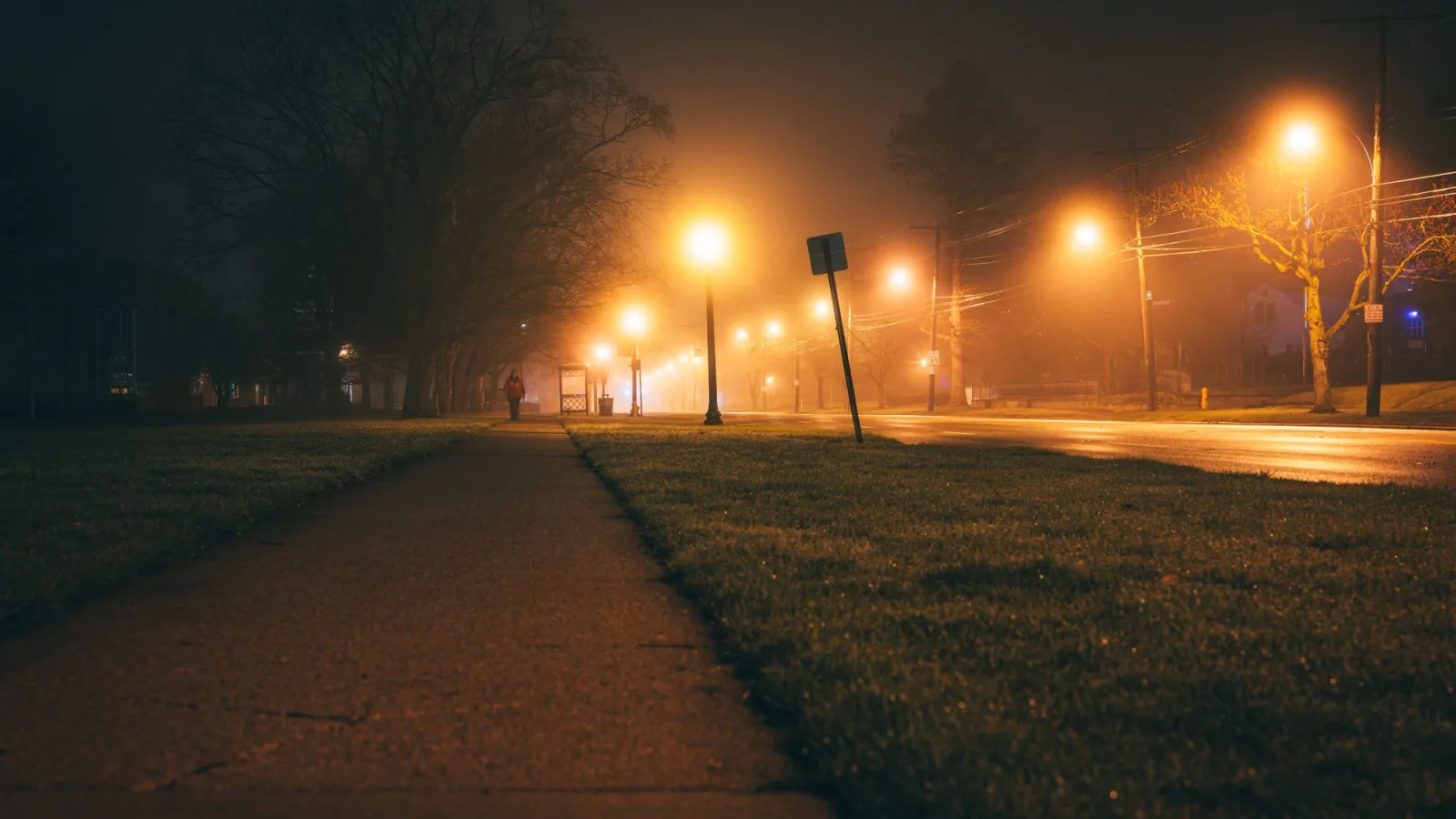
A driver's view may be affected by a curve, parked vehicles, landscaping, or a vehicle's windshield and headlights. A pedestrian's ability to see traffic may also depend on lighting, the direction of approaching vehicles, and whether the crossing area was clear. A general statement like “the pedestrian was hard to see” may leave out important details about the road and the driver's view.
Clothing can be part of the evidence, but wearing dark clothing does not automatically make a pedestrian responsible. The same is true of a driver's claim that they did not see someone: investigators may consider whether the driver was attentive and responding to conditions. Learn about the broader issues involved in Pedestrian Accidents.
What duties may matter for drivers and pedestrians?
The responsibilities of both the driver and the pedestrian can matter, and the rules depend on the location and circumstances of the crash. Drivers generally need to pay attention and respond to hazards, while pedestrians may have duties concerning crossings, signals, and traffic. The precise requirements come from state and local law, so a single rule does not fit every nighttime collision.
A marked crosswalk, an unmarked crossing at an intersection, a signal-controlled crossing, and a location between intersections may raise different questions. Investigators may examine whether a signal was operating, whether the pedestrian entered the roadway lawfully, and whether the driver had time and space to react. Road design and visibility can also affect what actions were practical.
A crosswalk can be important evidence, but its presence alone does not settle who was responsible. The crossing location, signal phase, vehicle speed, sight lines, and conduct of each person still matter. For more on crossing locations, read about Crosswalk Accidents and Intersection Pedestrian Accidents.
How is fault evaluated after a nighttime crash?
Fault is evaluated by looking at the sequence of events and the evidence supporting each person's account. The analysis may include where the pedestrian was, how the driver approached, whether traffic controls were followed, and whether either person had a reasonable opportunity to avoid the collision. Poor visibility may inform those questions, but it does not answer them by itself.
A driver may say that a pedestrian entered the road suddenly or outside a marked crossing. Other evidence might indicate that a pedestrian had a signal, that the driver did not notice a crossing, or that the vehicle was traveling too quickly for the conditions. These are possibilities to investigate, not conclusions that can be drawn from the time of day alone.
A person's share of responsibility can affect recovery under state fault rules. Some states allow recovery when an injured person shares fault, while others apply different limits or approaches. The applicable rule depends on the state and the facts. An insurer may offer an early interpretation of fault, but that position is not necessarily a final determination.
The evidence should be considered together rather than in isolation. For instance, a witness description may be more useful when compared with the signal timing, road layout, and photographs of the scene. A careful review can help identify what is known, what remains disputed, and which conclusions are based on assumptions.
What evidence can help explain visibility and fault?
A police report can provide useful information, but it may not resolve every disputed fact. It may contain statements from people at the scene and observations made by responding officers, while leaving out details about lighting or the driver's view. Review it for errors and keep a record of information that may need clarification.
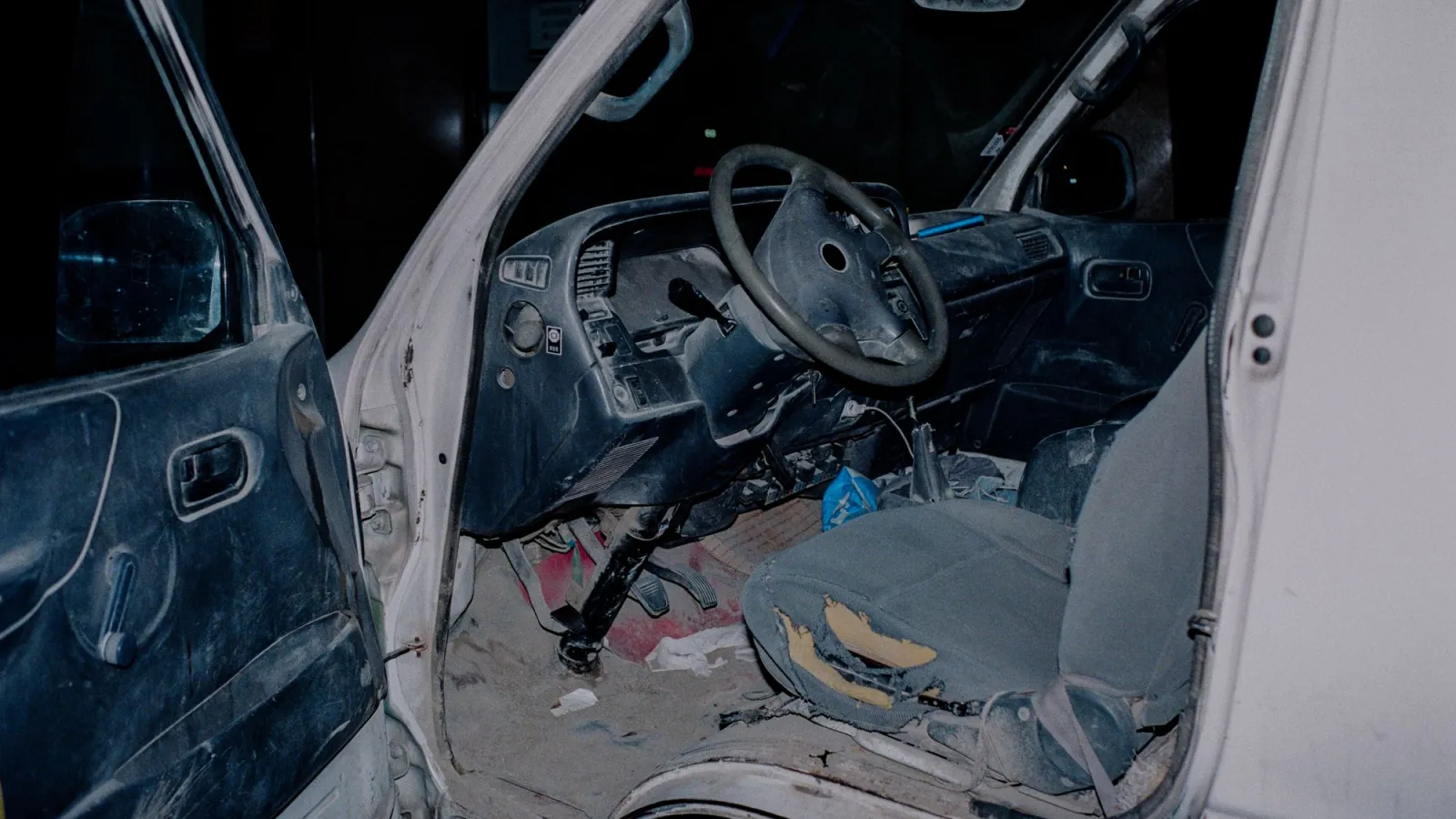
Do not put yourself in danger to gather evidence or return to a hazardous roadway. If your injuries make it difficult to manage records, a trusted person may be able to help preserve them. Information about Consultation can help you understand what materials may be relevant to a case review.
- Record the location, direction of travel, crossing point, and nearby traffic controls. Note whether the area was lit and whether anything blocked the view.
- Take photographs or video of the scene from relevant viewpoints, if it is safe to do so. Include streetlights, signs, signals, parked vehicles, road markings, and sight lines.
- Collect contact information for witnesses and write down what each person observed in their own words. Avoid guessing about details you did not see.
- Keep documents related to the crash, including the police report, medical records, and communications from insurers. Ask whether nearby businesses or public agencies may have relevant footage or records.
What can you do if an insurer disputes fault?
If an insurer disputes fault, you can ask what facts and records support its position and compare that explanation with the available evidence. Insurers may focus on details such as where the pedestrian crossed, clothing, lighting, or statements made after the crash. A disagreement about one detail does not necessarily resolve the entire claim.
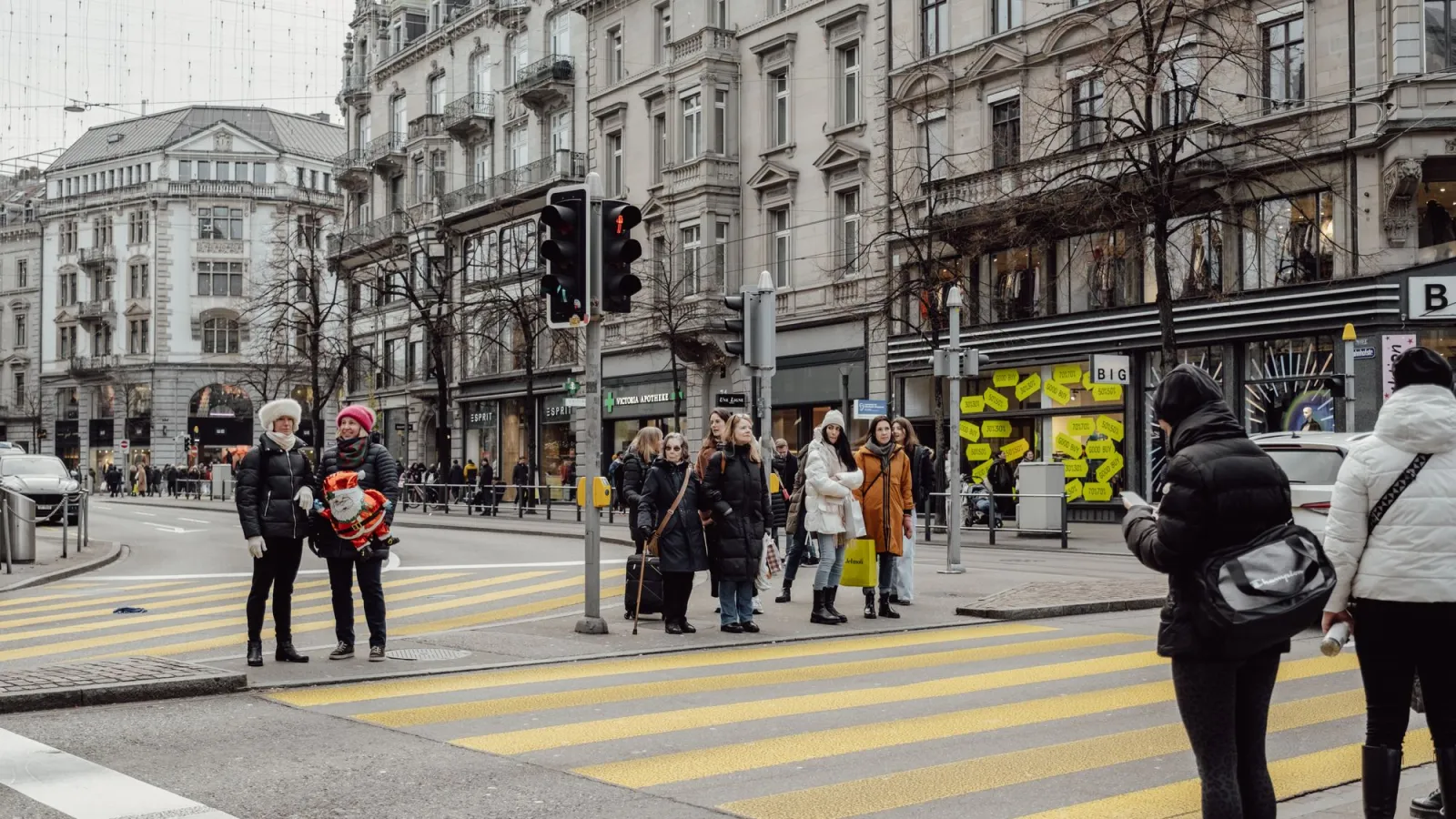
Keep communications organized and avoid treating an initial insurance statement as the final word. You can make a timeline of what happened, preserve photos and witness details, and note which parts of the insurer's account you believe are incomplete or incorrect. Do not alter original records or fill gaps in your memory with guesses.
An insurer may request a recorded statement, medical information, or other documents. Before responding, understand what is being requested and how the information may be used. You can ask for the request in writing and keep copies of what you provide. If you are unsure about the effect of a request, a case review can help you identify questions to ask.
Whether a claim is viable depends on the evidence, the applicable law, and the nature of the injuries and losses. A review can assess strengths, uncertainties, and possible next steps without assuming that a claim will succeed. If there is a dispute about how visibility or crossing conditions affected the crash, focus on the specific facts that can be checked.
How can state law change a nighttime pedestrian claim?
State law can affect how fault is assigned, what damages may be available, and how long you have to take action. Some claims may also involve special notice requirements, such as when a public entity or government-controlled roadway is involved. Those rules vary, and the location of the crash can matter.
The applicable fault rule may affect whether and how a person's share of responsibility changes recovery. Damage limits and procedural requirements can also differ. These issues cannot be determined from darkness or the crash location alone; they require checking the law that applies to the particular claim.
Because deadlines and notice rules can be strict, do not assume that an insurance discussion pauses or replaces a legal deadline. A local review can help identify which rules apply and whether additional records or notices may be needed.
Frequently Asked Questions
Does wearing dark clothing make a pedestrian at fault?
Not by itself. Clothing may be considered alongside lighting, sight lines, the crossing location, and the actions of the driver and pedestrian. The overall circumstances and applicable state rules matter.
Can a pedestrian bring a claim if they were outside a crosswalk?
Possibly, depending on the facts and the law where the crash happened. The location may affect the duties and evidence considered, but it does not automatically answer whether a driver or pedestrian was at fault.
What if there were no streetlights at the crash location?
Limited lighting may be relevant to what each person could see and how they responded. Other factors, such as headlights, road layout, weather, and obstructions, may also help explain visibility.
Does a police report decide who is legally responsible?
A police report may document observations and statements, but it does not necessarily resolve every issue of legal responsibility. Other records, witness accounts, and the applicable law may also be considered.
What if I cannot remember every detail of the crash?
That can happen after a frightening event or an injury. Preserve records you do have, avoid guessing, and note which details are uncertain; other evidence may help fill in parts of the timeline.
Next Steps
If you were injured in a nighttime pedestrian crash, you can request a free case evaluation to discuss the visibility evidence, disputed fault, and possible state-specific deadlines. Contact the firm through its consultation page to ask about a review of your situation.

Related Articles

Rideshare Accidents Involving Food Delivery Drivers
A crash involving a rideshare driver and a food delivery driver can raise questions about fault, app status, and which insurance policies may apply. Learn what evidence can help clarify your options.
Arbitration Clauses in Rideshare Terms of Service
A rideshare arbitration clause may affect how you pursue certain injury claims, but its reach depends on the agreement, the parties, and the facts. Learn what to check after a crash.

Robotaxi and Driverless Ride Accidents: Liability Questions
Responsibility for a robotaxi crash depends on what caused it and who had a role in the vehicle’s operation, design, or upkeep. Learn which evidence may help clarify your options.
