


In this article
- What factors most affect a pedestrian accident settlement?
- How do injuries and medical care affect settlement value?
- What evidence helps establish responsibility for the crash?
- How can shared fault change a pedestrian settlement?
- How does insurance coverage influence settlement value?
- How can you prepare to evaluate a settlement offer?
- How can state law change a pedestrian settlement?
- Frequently Asked Questions
- Next Steps
A pedestrian accident settlement’s value usually depends on the severity and duration of your injuries, related medical costs and lost income, evidence of who was at fault, and available insurance coverage. Future effects, shared responsibility, and state law may also matter. There is no single formula, and each claim depends on its facts.
Key Facts
- Injury severity and expected future care can affect a claim’s value.
- Medical records, crash evidence, and witness accounts may help establish what happened.
- Lost income and limits on daily activities can be relevant to damages.
- Shared fault may reduce or bar recovery depending on state law.
- Insurance coverage can affect what funds are available to resolve a claim.
What factors most affect a pedestrian accident settlement?
A pedestrian accident settlement is influenced by the harm you experienced, how clearly the evidence shows responsibility, and what insurance coverage may apply. The value is not set by a standard schedule or a single calculation. Claims involving similar crashes can differ because injuries, recovery, and proof are different.

The assessment may include medical expenses already incurred, reasonably supported future care, income lost during recovery, and reduced ability to work. It can also account for pain, limitations in daily activities, and other non-economic harm where allowed. The facts of your Pedestrian Accidents claim matter more than a broad estimate based on someone else’s result.
Insurance limits, disputed liability, and any allegation that you contributed to the crash can affect negotiations. A claim may also involve more than one potentially responsible party or policy. These factors shape the practical range of a resolution, but they do not determine a particular result.
How do injuries and medical care affect settlement value?
Injuries can affect settlement value through their seriousness, treatment needs, recovery time, and lasting effects on your life. A short-lived injury and an injury requiring ongoing care create different kinds of documented losses. The extent of any future effects may remain uncertain while treatment is underway.

Keep records of appointments, diagnoses, treatment recommendations, prescriptions, and bills. Records can help connect the crash to your condition and show how your symptoms change over time. If a provider recommends follow-up care, the recommendation and its medical basis may be relevant when evaluating future costs.
A settlement discussion may consider more than bills alone. You can document missed work, changes to household tasks, difficulty walking or commuting, and other practical limitations. Be accurate and consistent when describing these effects; avoid treating a projected cost or diagnosis as certain if the available medical information does not support that conclusion.
- 1. Save bills, treatment records, and written recommendations.
- 2. Keep a simple record of missed work and daily limitations.
- 3. Ask providers to explain ongoing symptoms and recommended care in your medical record.
What evidence helps establish responsibility for the crash?
Evidence helps show how the collision happened and whether a driver, pedestrian, or another party may have contributed. Useful material can include photographs of the scene, vehicle damage, traffic signals, crosswalk markings, and visible injuries. The value of any item depends on whether it is clear, reliable, and connected to the event.

Witness accounts, a police report, available video, and records about the driver or vehicle may also help. A report can be informative, but it does not necessarily resolve every disputed issue. In a Crosswalk Accidents claim, details such as signal timing, sightlines, and the pedestrian’s location may be important to understanding the evidence.
Preserve what you already have and note where additional records may exist. Video can be overwritten, and memories can become less precise, so the timing of evidence collection may matter. Do not alter images or recordings, and keep original files when possible. Gaps or conflicts in the evidence can affect negotiations even when you have a serious injury.
How can shared fault change a pedestrian settlement?
Shared fault can reduce or, under some state rules, prevent recovery, so the facts about each person’s conduct can matter. An insurer may argue that a pedestrian crossed outside a marked area, entered the roadway unexpectedly, or did not follow a signal. Those are allegations to assess against the available evidence, not automatic conclusions about responsibility.

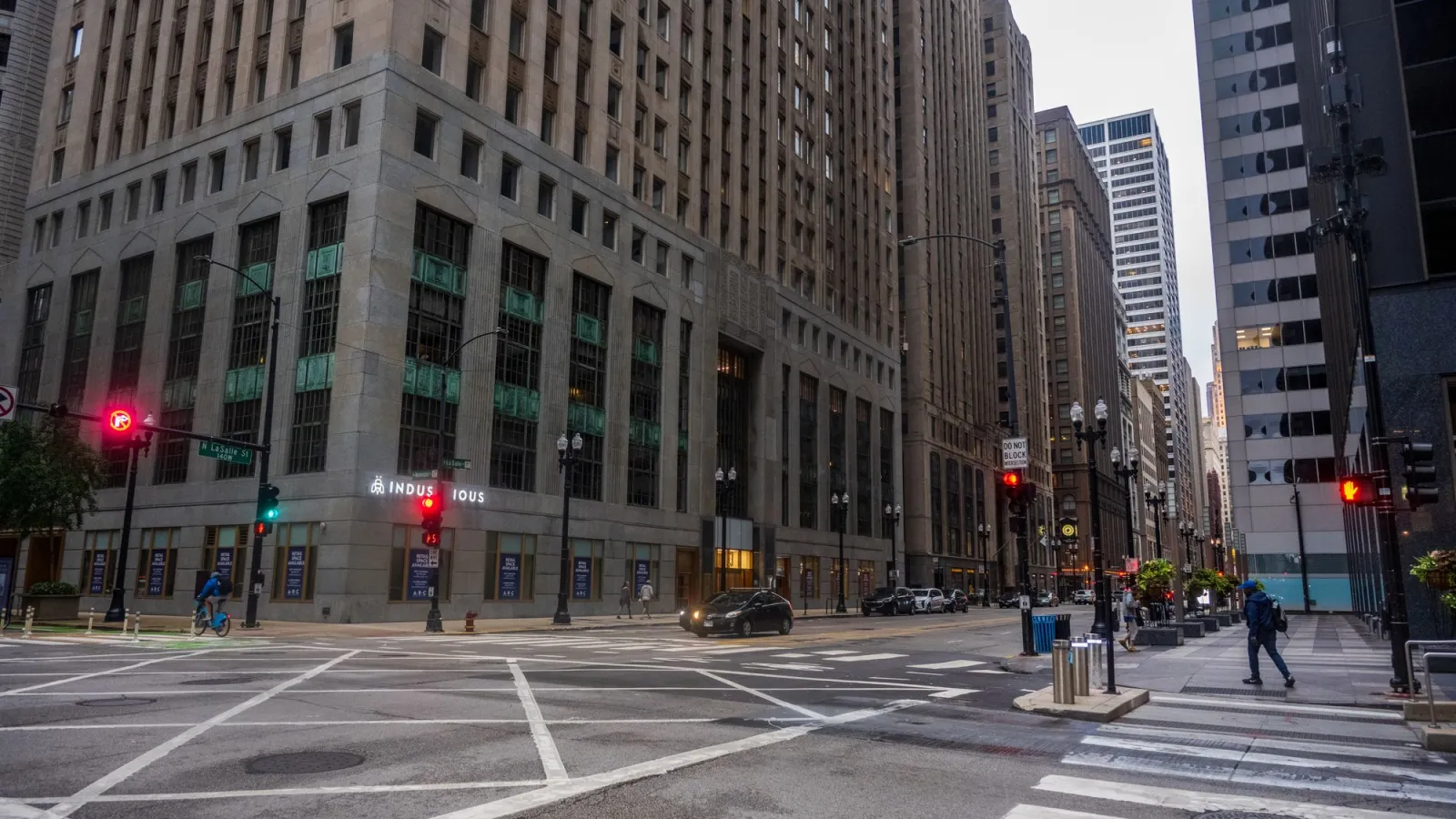
The location and circumstances of the crash may help clarify what happened. For example, records and photographs can show the intersection layout, visibility, traffic controls, and where the impact occurred. In Intersection Pedestrian Accidents, the timing of a crossing signal or a driver’s turn may be part of the liability analysis.
State rules determine how a finding of shared responsibility affects a claim. The insurer’s position is not the same as a final legal determination, and you can ask what facts support its position. Compare the explanation with the report, photographs, witness accounts, and any available video before deciding how to respond.
How does insurance coverage influence settlement value?
Insurance coverage can shape the funds available to resolve a claim, but coverage is only one part of evaluating its value. Potentially relevant policies may include the driver’s coverage or other coverage that applies under the circumstances. Which policies are available depends on the facts and the policy terms.
An insurer may review liability, medical records, claimed losses, and policy terms before making or evaluating an offer. A settlement offer may not account for every loss you believe is connected to the crash, and an initial offer is not automatically a measure of the claim’s full value. Ask for a clear explanation of how the offer was calculated and which losses it addresses.
Before accepting a resolution, understand what claims it releases and whether it is intended to end the matter. A signed release can affect your ability to seek additional payment later. If future treatment or disputed bills remain, consider how those issues are handled before agreeing to settle. Coverage questions and release language can be difficult to assess without reviewing the actual documents.
How can you prepare to evaluate a settlement offer?
You can evaluate an offer more carefully by organizing your losses, reviewing the evidence, and identifying what remains unresolved. A clear record helps you compare the offer with documented expenses, income loss, treatment needs, and the effects on everyday life. It also makes it easier to identify questions about fault or insurance coverage.

Gather medical bills and records, proof of missed work, receipts for related expenses, and any crash evidence you have preserved. Make a list of symptoms or limitations that continue and any care still recommended. Incomplete information does not mean a claim has no value, but it can make a reliable assessment harder.
Check whether the offer includes all claimed losses and whether it requires a release. Ask how the insurer assessed responsibility, what coverage it considered, and whether any bills or liens remain outstanding. For a review of an insurance offer, deadline check, or consultation, you can Contact the firm and provide the documents you want reviewed. A review can help clarify questions; it cannot predict a particular outcome.
- 1. Organize medical, wage, expense, and crash records.
- 2. List unresolved treatment, bills, and questions about fault or coverage.
- 3. Read the offer and release carefully before deciding how to respond.
How can state law change a pedestrian settlement?
State law can affect the deadline to bring a claim, how shared fault is treated, whether damage caps apply, and whether special notice rules govern a claim. These rules differ by state and may depend on who is involved, where the crash occurred, or whether a public entity is implicated.

Because no state is specified here, no particular deadline or rule can be stated. The applicable rules can affect both the steps available to you and the time for taking them. Confirm which law applies to your circumstances promptly, especially if a notice requirement or filing deadline may be involved.
Frequently Asked Questions
Can I estimate my settlement from my medical bills?
Medical bills are one part of a claim, not a complete estimate of settlement value. The assessment may also involve future care, lost income, non-economic harm, responsibility for the crash, and available coverage. A bill total alone cannot account for those issues.
Does an insurance offer mean the insurer accepts fault?
Not necessarily. An offer may be made while the insurer disputes some or all responsibility, and its terms may address only certain losses. Review the insurer’s explanation and any proposed release to understand what it is offering.
Can I settle before finishing medical treatment?
It may be possible, but unresolved treatment can make it harder to understand future costs and the extent of your recovery. A settlement may require you to release claims even if symptoms continue. Review the offer’s terms and consider what remains unknown before agreeing.
What if the driver has little or no insurance?
The options may depend on the facts, applicable policies, and state law. Other coverage might be relevant in some circumstances, but it is not available in every case. Policy documents and the crash details need to be reviewed to identify potential sources of coverage.
Do settlement negotiations pause a legal deadline?
Do not assume that negotiations pause a deadline. Filing and notice rules vary by state and may depend on the parties involved. Confirm the applicable deadline promptly rather than relying on ongoing discussions with an insurer.
Next Steps
Use our free case-evaluation calculator to organize the details of your pedestrian crash and request a review of an insurance offer or deadline questions. You can also request a consultation to discuss what records may help assess your claim. Talk with an attorney about your claim's value

Related Articles

Rideshare Accidents Involving Food Delivery Drivers
A crash involving a rideshare driver and a food delivery driver can raise questions about fault, app status, and which insurance policies may apply. Learn what evidence can help clarify your options.

Arbitration Clauses in Rideshare Terms of Service
A rideshare arbitration clause may affect how you pursue certain injury claims, but its reach depends on the agreement, the parties, and the facts. Learn what to check after a crash.

Robotaxi and Driverless Ride Accidents: Liability Questions
Responsibility for a robotaxi crash depends on what caused it and who had a role in the vehicle’s operation, design, or upkeep. Learn which evidence may help clarify your options.
