


In this article
- Who can be at fault in a parking lot pedestrian accident?
- What driver actions can contribute to a parking lot collision?
- When might a parking lot owner share responsibility?
- What evidence can help show what caused the accident?
- How do injuries and causation affect a claim?
- Can fault be shared between the driver, owner, and pedestrian?
- How can state law change a parking lot pedestrian claim?
- Frequently Asked Questions
- Next Steps
After a parking lot pedestrian accident, the driver may be responsible for unsafe driving, while the property owner may be responsible for a dangerous condition the owner knew about or should have addressed. Responsibility can be shared, and the outcome depends on the circumstances, available evidence, and state law.
Key Facts
- A driver may be at fault for failing to watch for pedestrians or yield where required.
- An owner is not automatically responsible just because a collision happened on the property.
- A hazardous layout, poor maintenance, or inadequate warnings may be relevant to an owner’s responsibility.
- Evidence such as video, photographs, witness accounts, and incident reports can help clarify what happened.
- State laws may affect shared fault, available damages, and filing or notice requirements.
Who can be at fault in a parking lot pedestrian accident?
A driver, property owner, or both may be at fault, depending on what caused the collision and who had the ability to prevent it. A driver’s conduct may be a factor when the driver was moving too fast for the conditions, failed to look for pedestrians, or did not yield when required.

An owner or another party responsible for maintaining the lot may also be involved if a dangerous condition contributed to the crash. Examples can include obstructed sightlines, confusing traffic flow, damaged walking surfaces, or missing warnings about a known hazard. Responsibility depends on evidence of the condition, who controlled it, and what they knew or reasonably could have known.
A collision on private property does not by itself establish that the owner was negligent. The driver’s actions, the pedestrian’s actions, the layout, and the maintenance history may all matter. For a broader overview of pedestrian injury claims, see Pedestrian Accidents.
What driver actions can contribute to a parking lot collision?
A driver may be responsible when their driving fails to account for pedestrians and the conditions in the lot. Parking areas often include vehicles backing out, people walking between cars, and drivers turning or searching for spaces, so a driver’s attention and speed can be important facts.
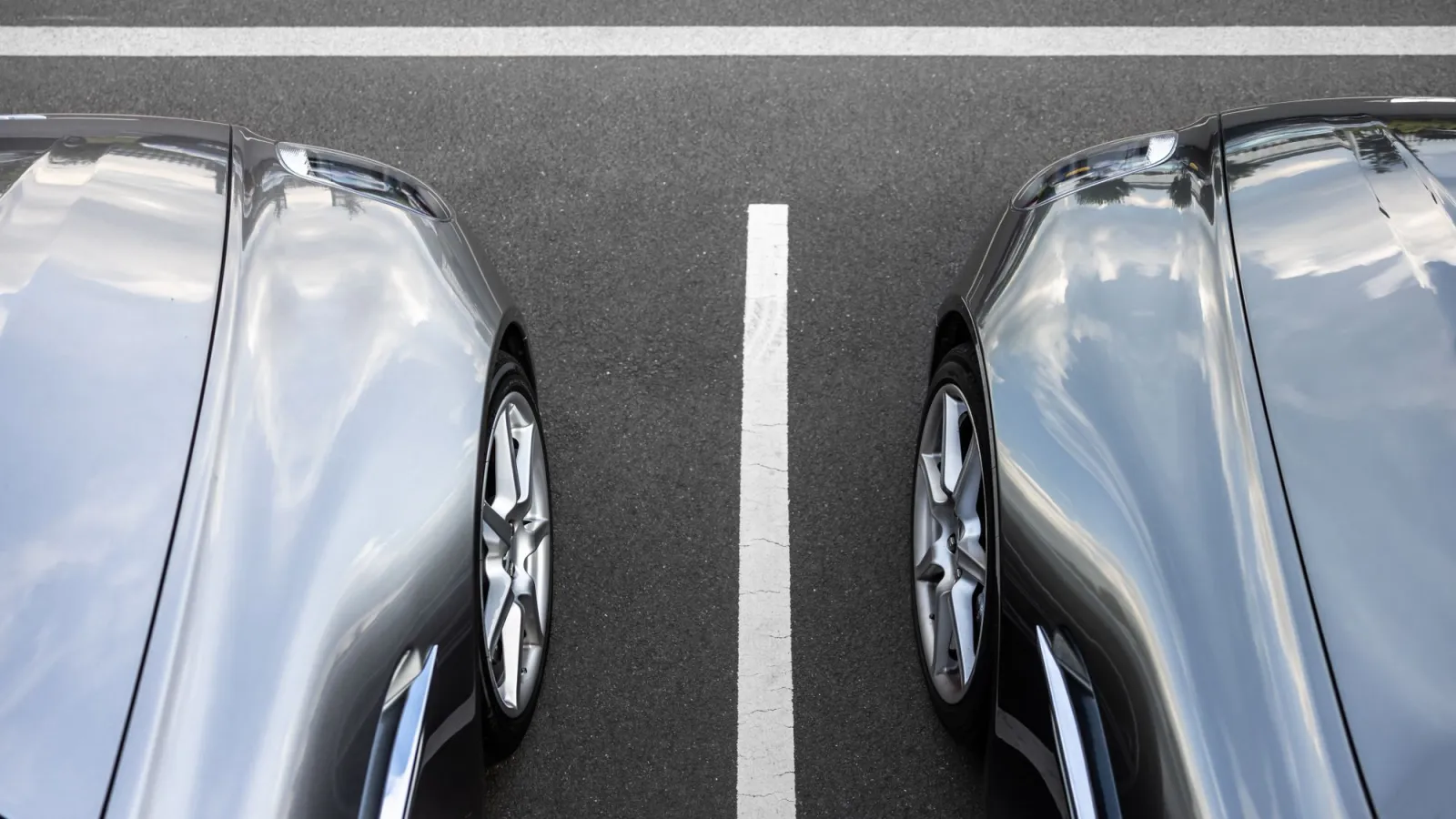
Potentially relevant conduct may include backing without checking behind the vehicle, turning across a pedestrian’s path, driving while distracted, or failing to slow near a walkway or busy entrance. Whether any conduct violates a legal duty depends on the circumstances and applicable law; a particular mistake is not automatically proof of liability.
The direction and speed of the vehicle, visibility, lighting, parked cars, signs, pavement markings, and the pedestrian’s location can help explain how the impact occurred. A marked crosswalk may be relevant, but the absence of one does not necessarily resolve fault. Details about marked crossings are covered in Crosswalk Accidents.
When might a parking lot owner share responsibility?
A property owner or manager may share responsibility if a dangerous condition within their control contributed to the injury and the law recognizes a duty to address it. The owner’s relationship to the property matters: a tenant, maintenance company, or other party may control the area where the hazard existed.
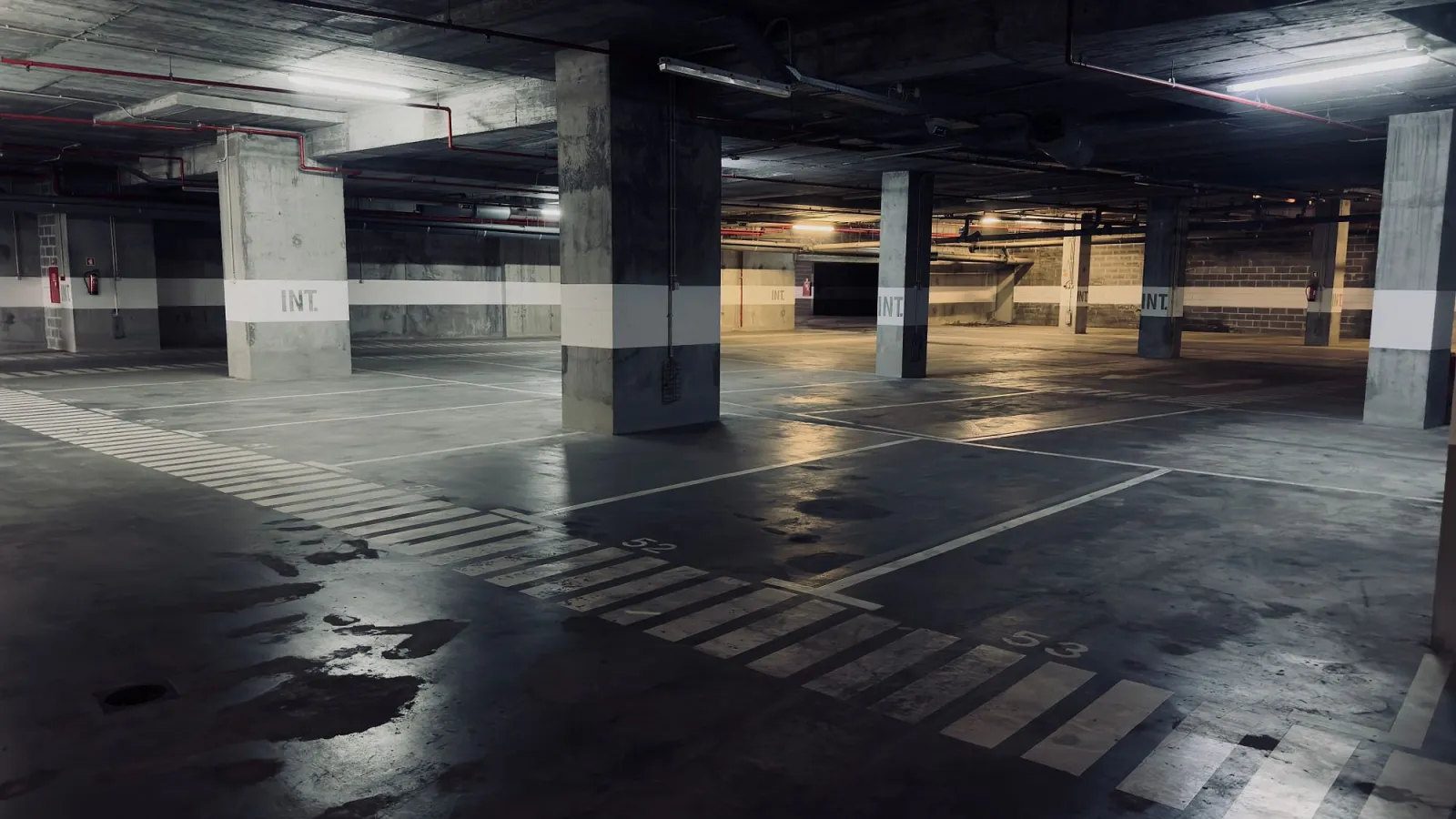
Relevant conditions might include a broken walking surface, poor lighting, vegetation or objects blocking a driver’s view, confusing lane markings, or an unsafe pedestrian route. A claim involving a condition may depend on whether the responsible party created it, knew about it, or had a reasonable opportunity to discover and address it. The precise test varies by state.
Ownership alone does not establish fault. A property owner may dispute responsibility if the condition was not known, was outside the owner’s control, or did not cause the collision. Records about repairs, complaints, inspections, maintenance contracts, and the property’s layout may help establish who managed the area and what steps were taken.
What evidence can help show what caused the accident?
Evidence that records the scene and the events around the collision can help identify responsible parties. If you can do so safely, photographs may capture vehicle positions, the walking area, signs, lighting, visibility, surface conditions, and any markings before the scene changes.
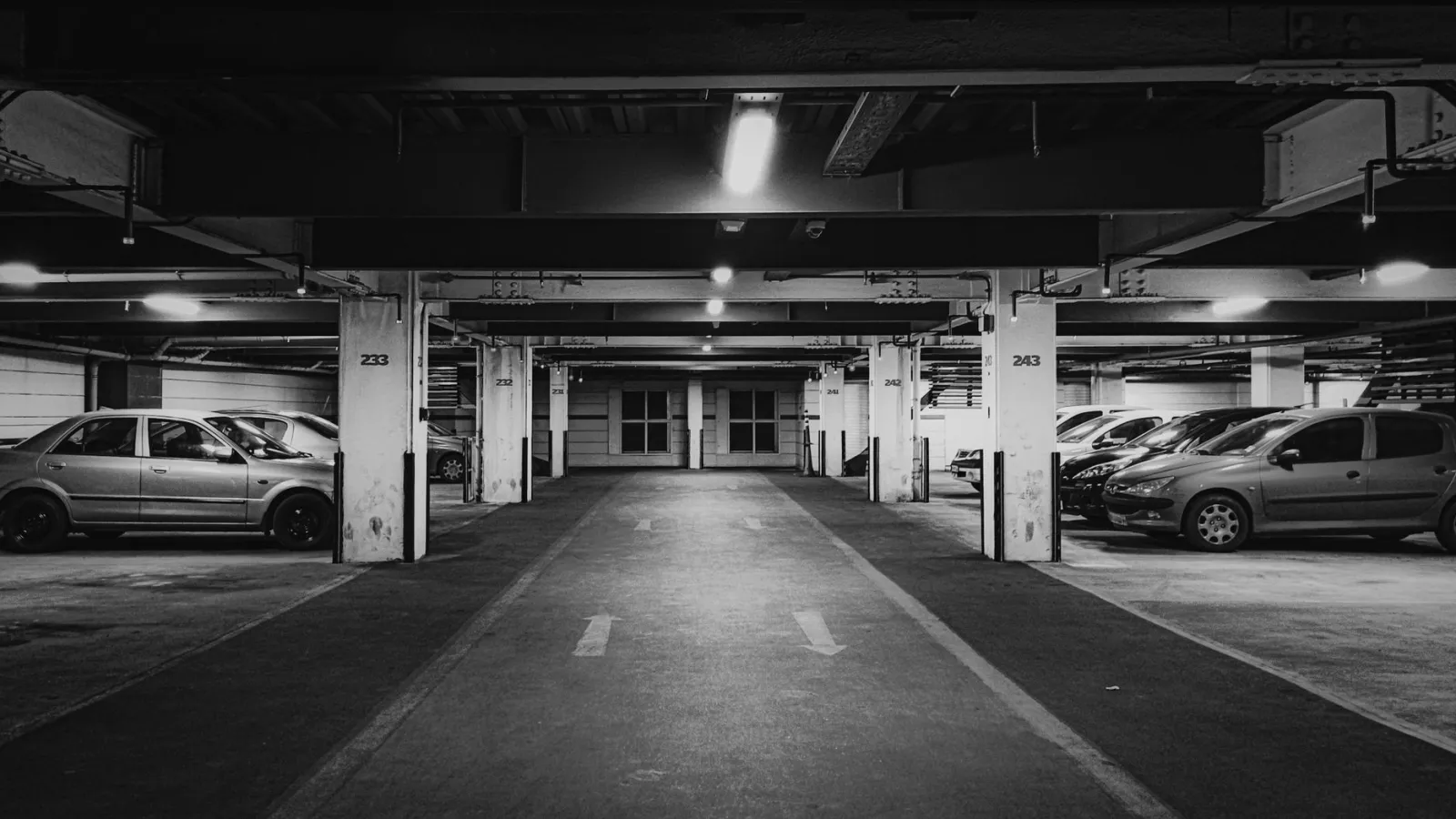
Other useful information may include contact details for witnesses, the driver’s and vehicle’s identifying information, an incident report, and medical records documenting your injuries and care. A nearby business or property manager may have security footage, but recordings may not be kept indefinitely. Promptly asking that relevant footage be preserved can help avoid losing it.
Keep copies of communications with insurers and any documents you receive about the incident. Do not alter original photos or recordings. If you are not able to gather evidence at the scene, a witness, family member, or investigator may be able to help later. The Parking Lot Pedestrian Accidents page offers more information about these collisions.
How do injuries and causation affect a claim?
A claim generally needs evidence connecting another party’s conduct or a dangerous condition to the collision and your injuries. The fact that you were struck does not, by itself, establish who was legally responsible or what losses may be recoverable.
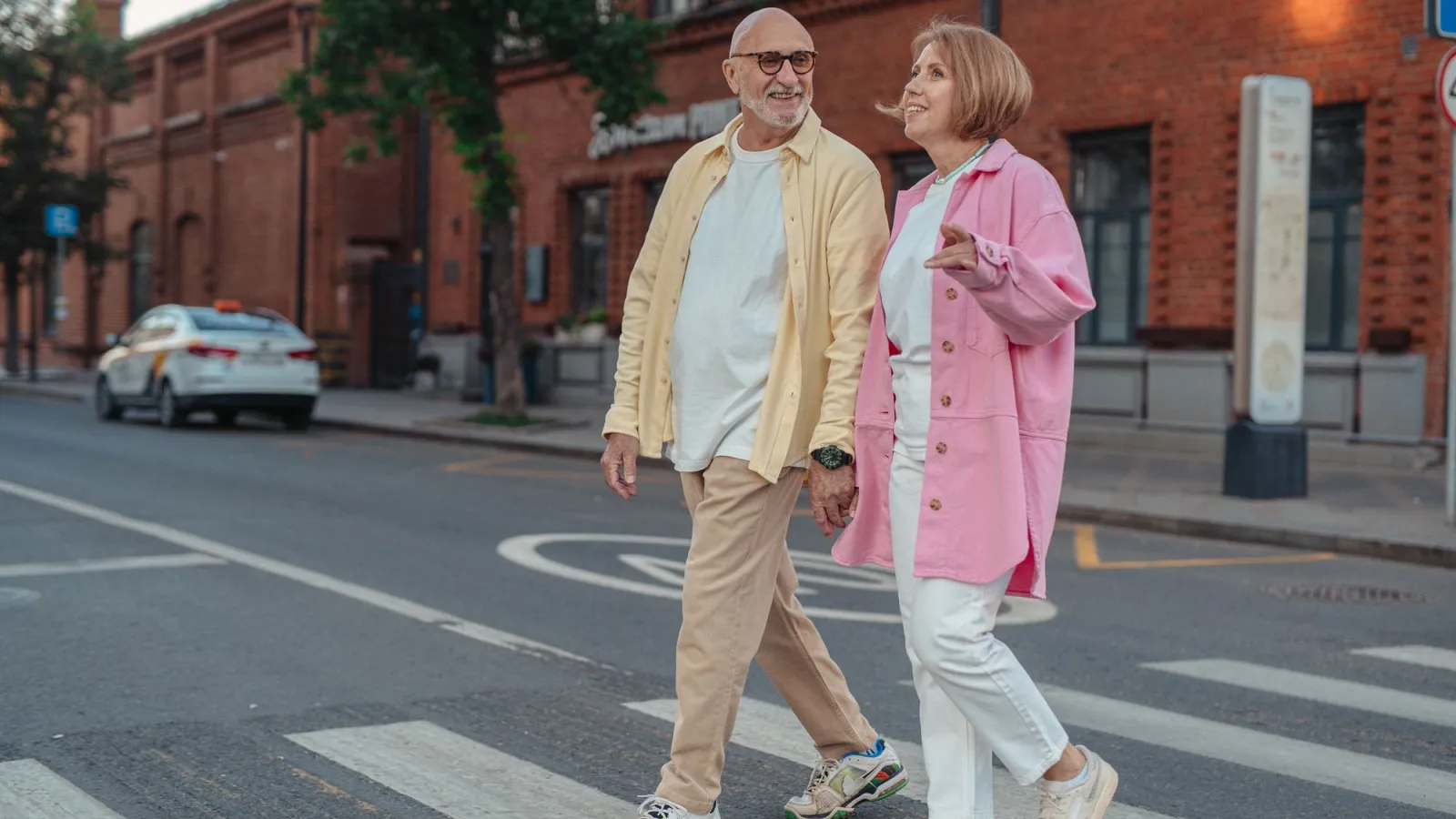
Medical records can document the nature of an injury, the care received, and how symptoms developed. Keep records of treatment, prescriptions, related expenses, and any work or daily activities affected by the injury. Tell medical providers about symptoms and follow their care instructions; a gap or inconsistency in records may raise questions, though it does not automatically defeat a claim.
The nature and duration of the injury, the available liability evidence, and insurance coverage may all affect discussions with an insurer. An adjuster may ask for statements or records, and a request for information does not decide fault. Review any proposed resolution carefully because accepting it can affect what claims remain available, depending on its terms and applicable law.
Can fault be shared between the driver, owner, and pedestrian?
Yes, more than one party may share responsibility, and a pedestrian’s conduct may also be considered under state law. For example, evidence about where someone walked, what they could see, or whether they noticed a warning may be considered alongside the driver’s conduct and any property condition.
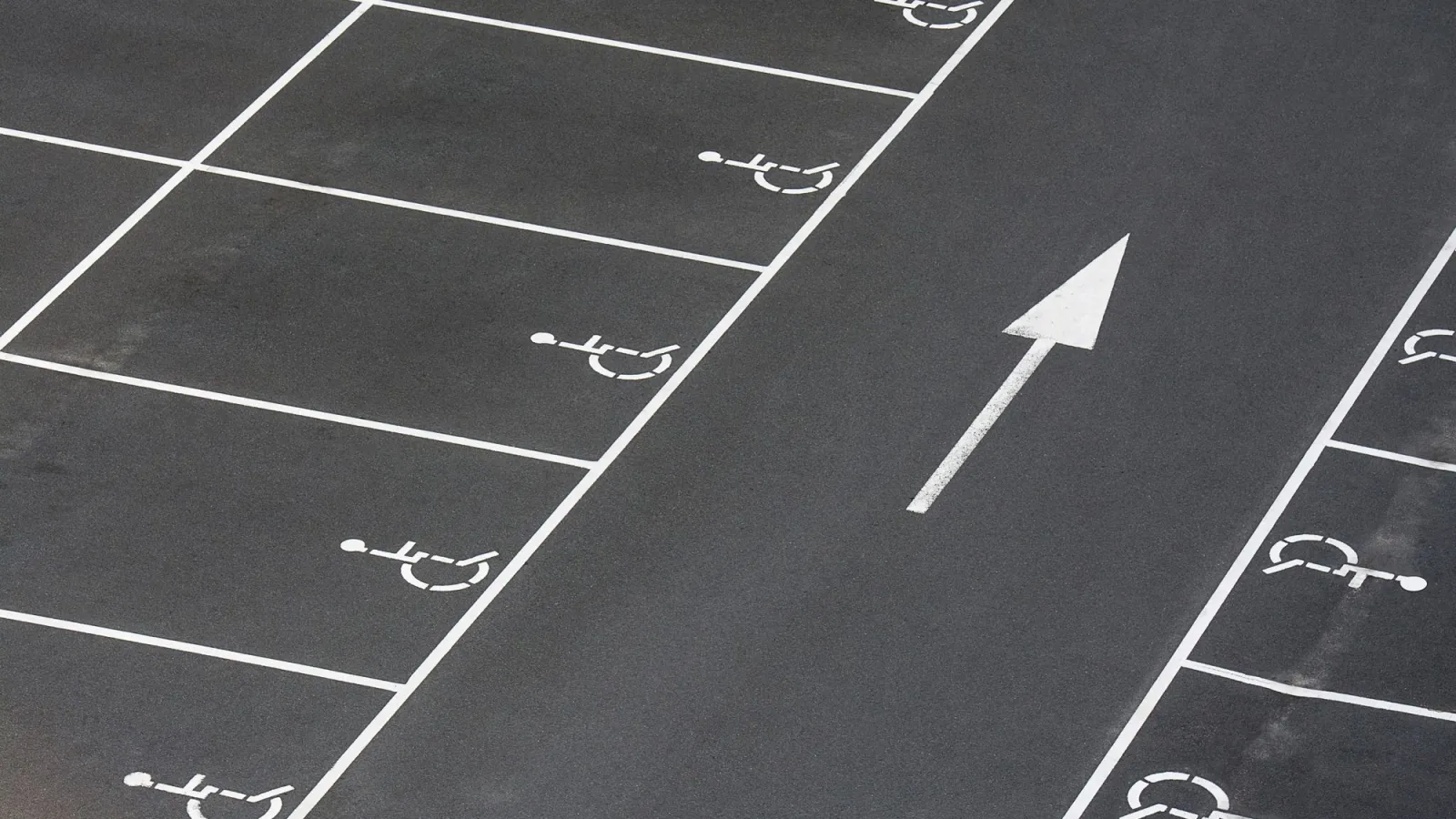
States use different rules for shared fault, and those rules can affect whether a claim may proceed and how damages are assessed. The driver and property owner may also disagree about which party controlled the relevant area or caused the danger. These are fact-specific questions, not conclusions that can be reached from the location of the crash alone.
Insurance companies may investigate different versions of events and may ask you for a recorded statement or documents. You can ask what information is being requested and how it may be used before responding. A lawyer can review the available facts and explain how the rules that apply to your situation may affect a claim, without treating an insurer’s position as the final word.
How can state law change a parking lot pedestrian claim?
State law can affect the deadline for bringing a claim, how fault is divided, what damages may be available, and whether special notice rules apply. The rules may differ depending on whether a claim is against a private owner, a business, or a government entity.
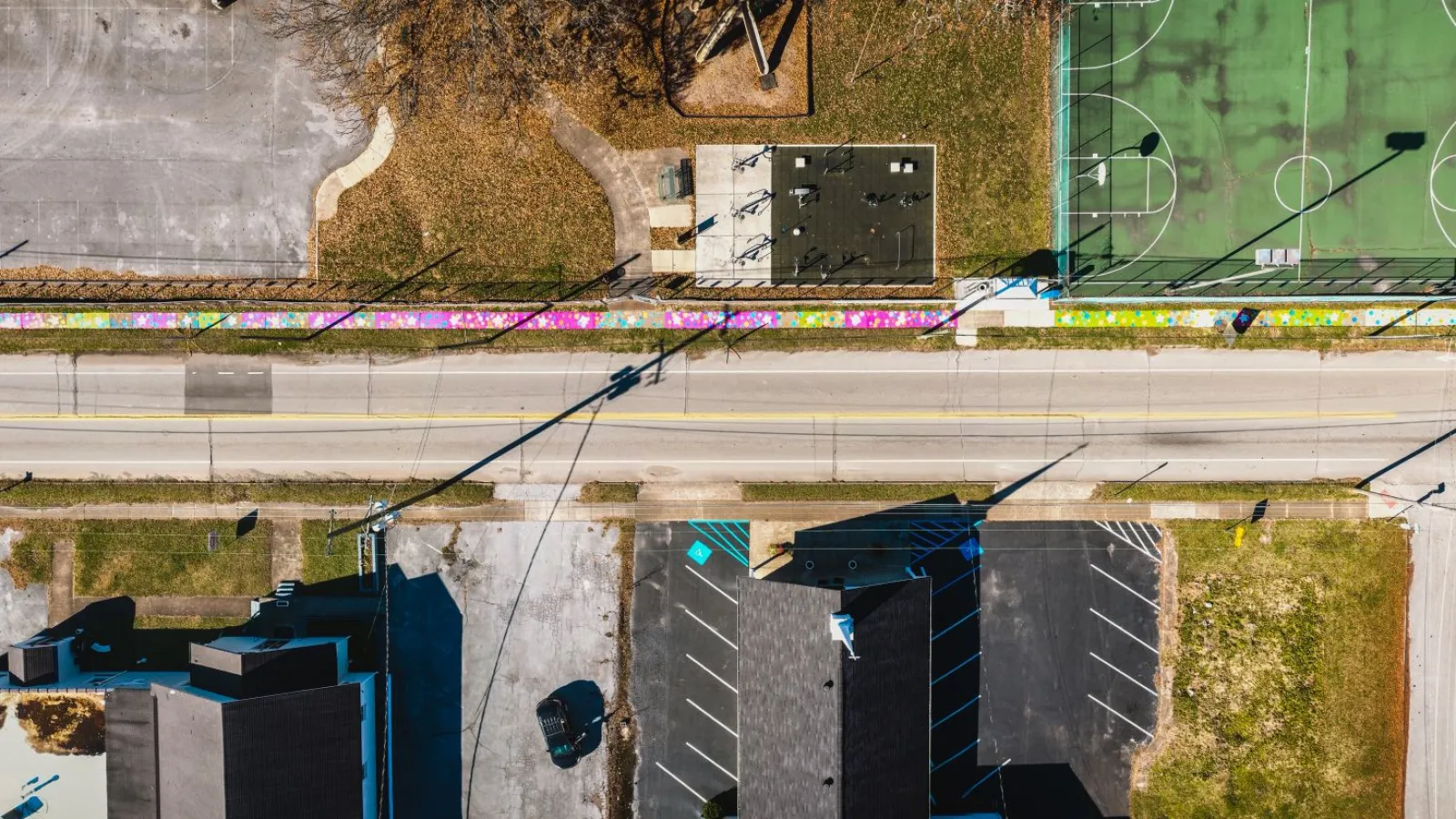
A parking lot’s location alone may not tell you which rules apply; ownership and control can matter. Because deadlines and notice requirements can be short, check the rules for the particular circumstances promptly. This article provides general information, not a state-specific assessment.
Frequently Asked Questions
What if the driver was backing out of a parking space?
The driver’s visibility, speed, attention, and efforts to check for people behind the vehicle may be relevant. The pedestrian’s position and the surrounding layout may also matter. Evidence from witnesses, photos, or video can help clarify the sequence of events.
Does a parking lot need marked pedestrian walkways?
Requirements can depend on local rules, property conditions, and the circumstances. The presence or absence of markings may be relevant to how people were expected to move through the lot, but it does not alone determine fault.
Should an accident be reported to the property manager?
An incident report may create a record of what was reported and when. If you report it, keep a copy or note who received the report and how to contact them. Reporting an incident does not by itself establish who is responsible.
What if the property owner says the driver is solely responsible?
That position does not settle the question of fault. The driver’s actions, the property’s condition, and who controlled or maintained the area may all be relevant. Evidence and applicable state law help determine whether another party may share responsibility.
Can an insurance company ask me for a recorded statement?
An insurer may request a statement while investigating a claim. You can ask which insurer it represents, what topics it wants to cover, and how the recording may be used. Consider getting advice before providing a statement if you are unsure about the request.
Next Steps
Request a free case evaluation to discuss what happened, identify evidence that may matter, and ask how state rules could affect your options. You can arrange a Consultation to have your questions reviewed without any promise about the outcome.

Related Articles

Rideshare Accidents Involving Food Delivery Drivers
A crash involving a rideshare driver and a food delivery driver can raise questions about fault, app status, and which insurance policies may apply. Learn what evidence can help clarify your options.
Arbitration Clauses in Rideshare Terms of Service
A rideshare arbitration clause may affect how you pursue certain injury claims, but its reach depends on the agreement, the parties, and the facts. Learn what to check after a crash.

Robotaxi and Driverless Ride Accidents: Liability Questions
Responsibility for a robotaxi crash depends on what caused it and who had a role in the vehicle’s operation, design, or upkeep. Learn which evidence may help clarify your options.
