


In this article
- When can a motorcycle failure support a defect claim?
- What brake, tire, or throttle problems may matter?
- What evidence can help show the failure caused the crash?
- How can you protect evidence after a suspected failure?
- Who may be responsible for a motorcycle defect?
- How do insurance and injury claims fit into the process?
- How can state law affect a motorcycle defect claim?
- Frequently Asked Questions
- Sources
- Next Steps
A brake, tire, or throttle failure may support a motorcycle defect claim if evidence shows a problem with the motorcycle or a component contributed to the crash and your injuries. A failure alone does not prove a defect: maintenance, wear, crash damage, and other causes may matter. Preserving the motorcycle and documenting its history can help clarify what happened.
Key Facts
- A breakdown and a product defect are not necessarily the same thing.
- A defect may involve how a component was made, designed, or accompanied by warnings.
- The failure must generally be connected to the crash and claimed injuries.
- Maintenance, wear, modifications, and crash damage may affect the investigation.
- State rules can affect deadlines, fault, damages, and required notices.
When can a motorcycle failure support a defect claim?
A motorcycle failure may support a defect claim when evidence points to a problem in the motorcycle or a component that contributed to the crash. A sudden loss of braking, a tire failure, or an unintended acceleration event can be important facts, but the event alone does not establish legal responsibility.
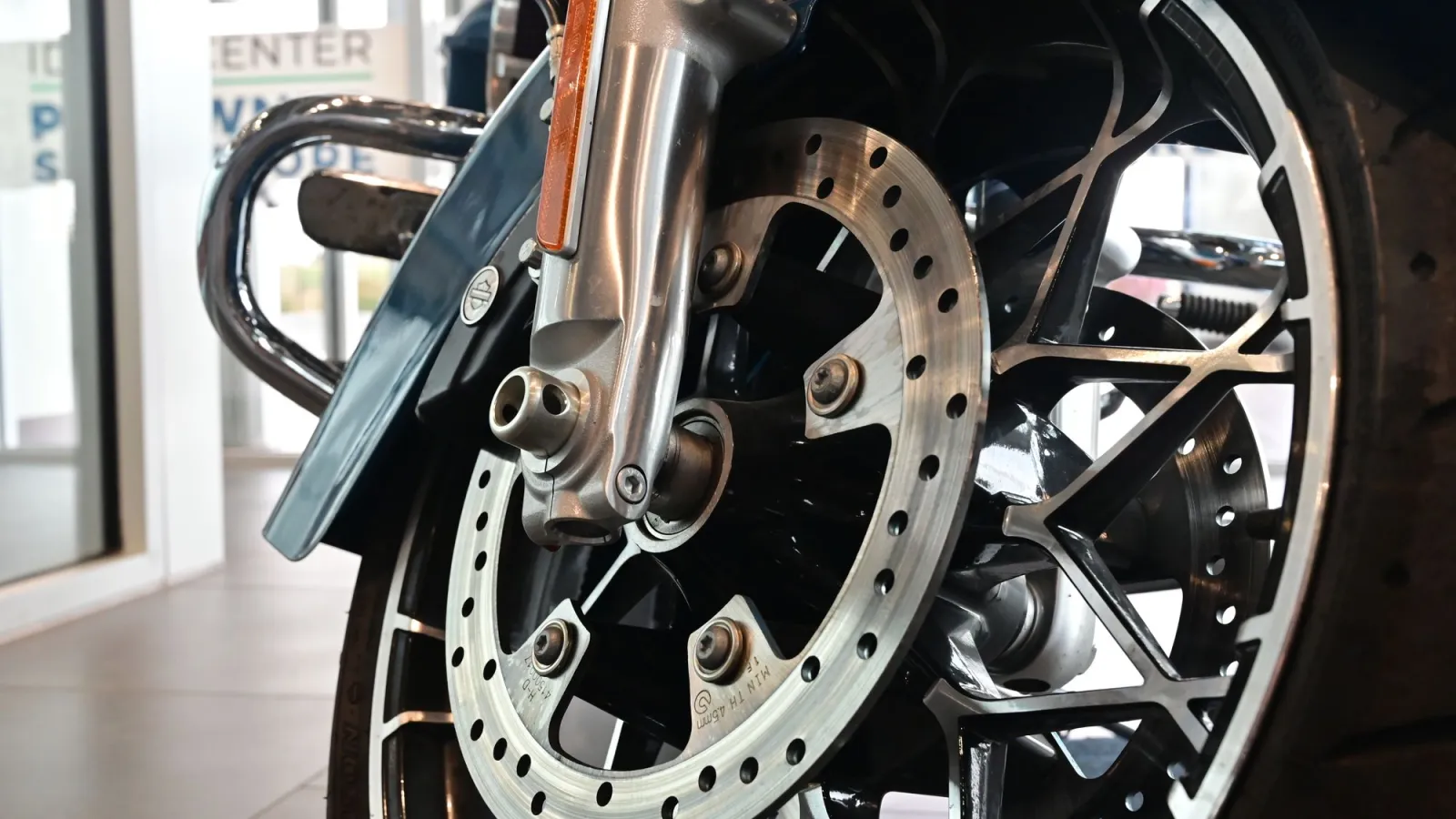
Investigators may distinguish a product problem from ordinary wear, poor maintenance, improper installation, or damage caused during the crash. They may also consider whether the motorcycle was used in a way its maker reasonably expected and whether alterations changed how a part worked. The cause can be disputed, so early impressions are not a substitute for examining the evidence.
A defect claim is different from a claim focused on another road user’s conduct, although the same crash may involve both. Your motorcycle accident claim may involve questions about a driver, road conditions, and a suspected product problem at the same time. The facts and applicable state law determine which claims may be available.
What brake, tire, or throttle problems may matter?
Brake, tire, and throttle problems may matter when a component does not perform as intended and that failure contributes to a crash. The details are important: a reported symptom is a starting point for investigation, not proof that a particular part was defective.
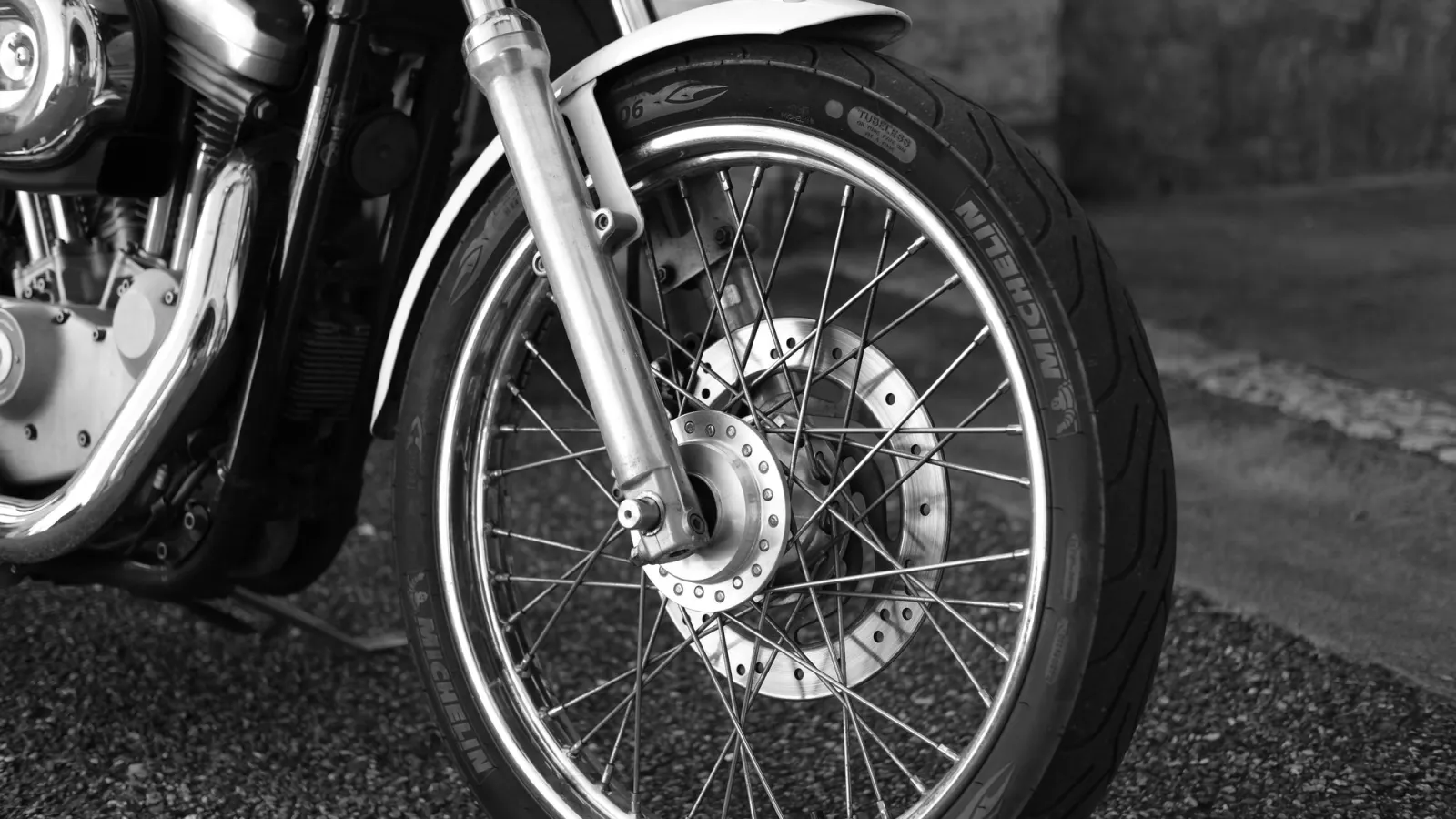
For brakes, relevant questions can include whether the system lost pressure, failed to respond, locked unexpectedly, or had a component break or separate. The inspection may look at the parts, installation, service records, and any warning signs before the crash. A rider’s description of braking behavior can help, but physical evidence and other records may also be needed.
For tires, investigators may examine tread condition, pressure, age, damage, mounting, and the failure pattern. A tire can also be affected by a road hazard or impact. For a throttle concern, useful details may include whether it stuck, failed to respond, or behaved differently after an adjustment or repair.
The same symptom can have different causes. A mechanic’s prior notes, photographs, and the condition of the relevant parts may help distinguish a product issue from wear, maintenance, or crash damage.
What evidence can help show the failure caused the crash?
Evidence can help connect a suspected defect to the crash by showing what failed, when it failed, and how it affected the motorcycle’s operation. The investigation may consider the physical condition of the motorcycle alongside your account and other information about the ride.
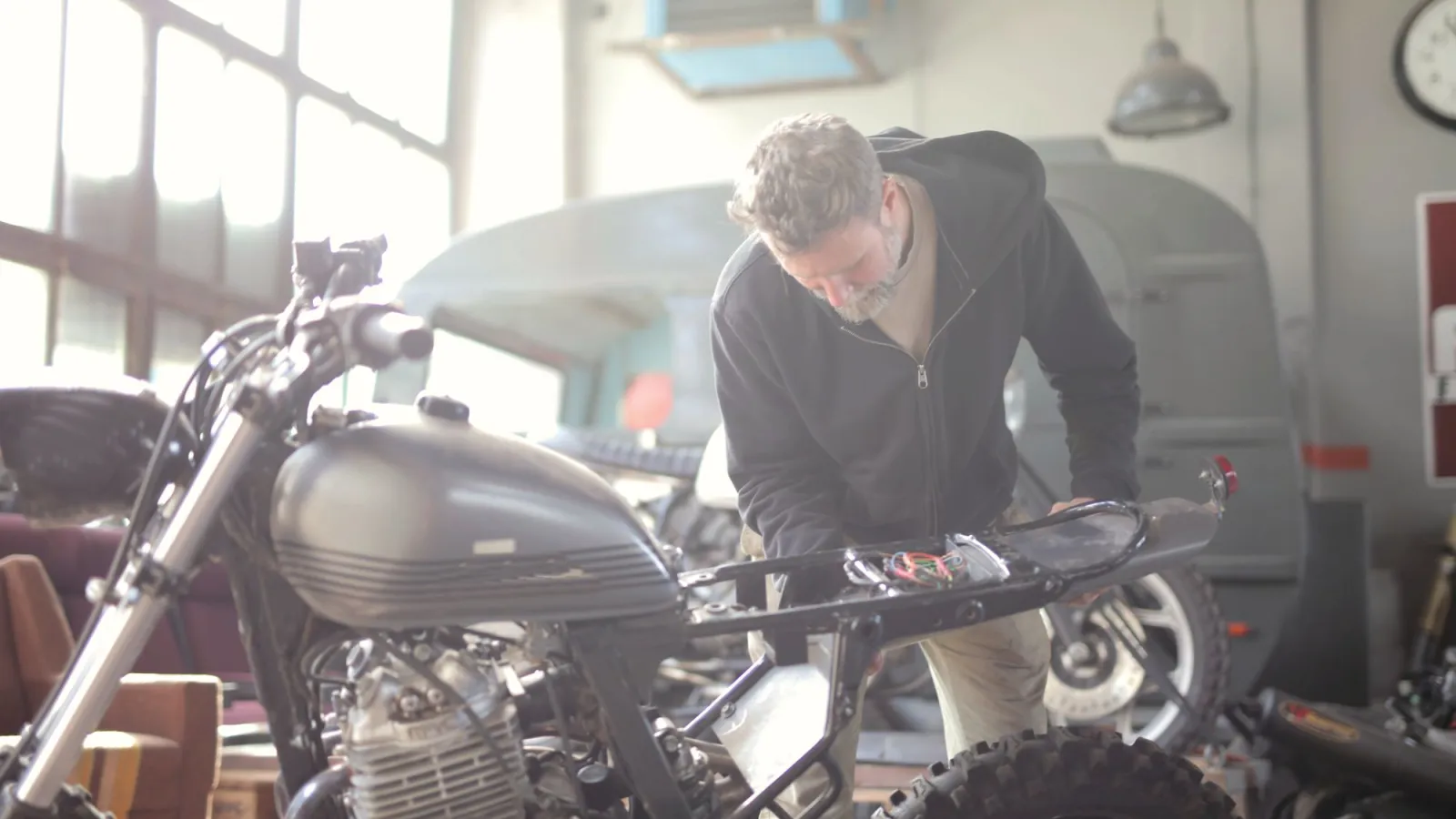
Useful evidence may include the motorcycle and failed components, maintenance and repair records, purchase documents, photographs, crash reports, witness accounts, and available video. Medical records can document injuries, while repair or inspection records may help explain the mechanical condition. Keep original records where possible, and write down what you remember while the details are fresh.
Technical inspection may be needed to assess a part or rule out other causes. The motorcycle can also be altered or further damaged during repairs, transport, or storage, so evidence handling matters. Do not operate an unsafe motorcycle to recreate a problem; safety comes first.
- Record the reported failure, the ride conditions, and what happened immediately before and after the crash.
- Photograph the motorcycle, damaged parts, tire condition, and any visible warning indicators when it is safe to do so.
- Keep repair, maintenance, purchase, and inspection records, and note who has possession of the motorcycle or components.
- Before authorizing repairs or disposal, consider how the parts and motorcycle can be documented and inspected.
How can you protect evidence after a suspected failure?
You can protect useful evidence by keeping the motorcycle and relevant components from being discarded, changed, or repaired without documentation. Storage and inspection arrangements should also account for safety, insurance requirements, and the practical need to secure the vehicle.
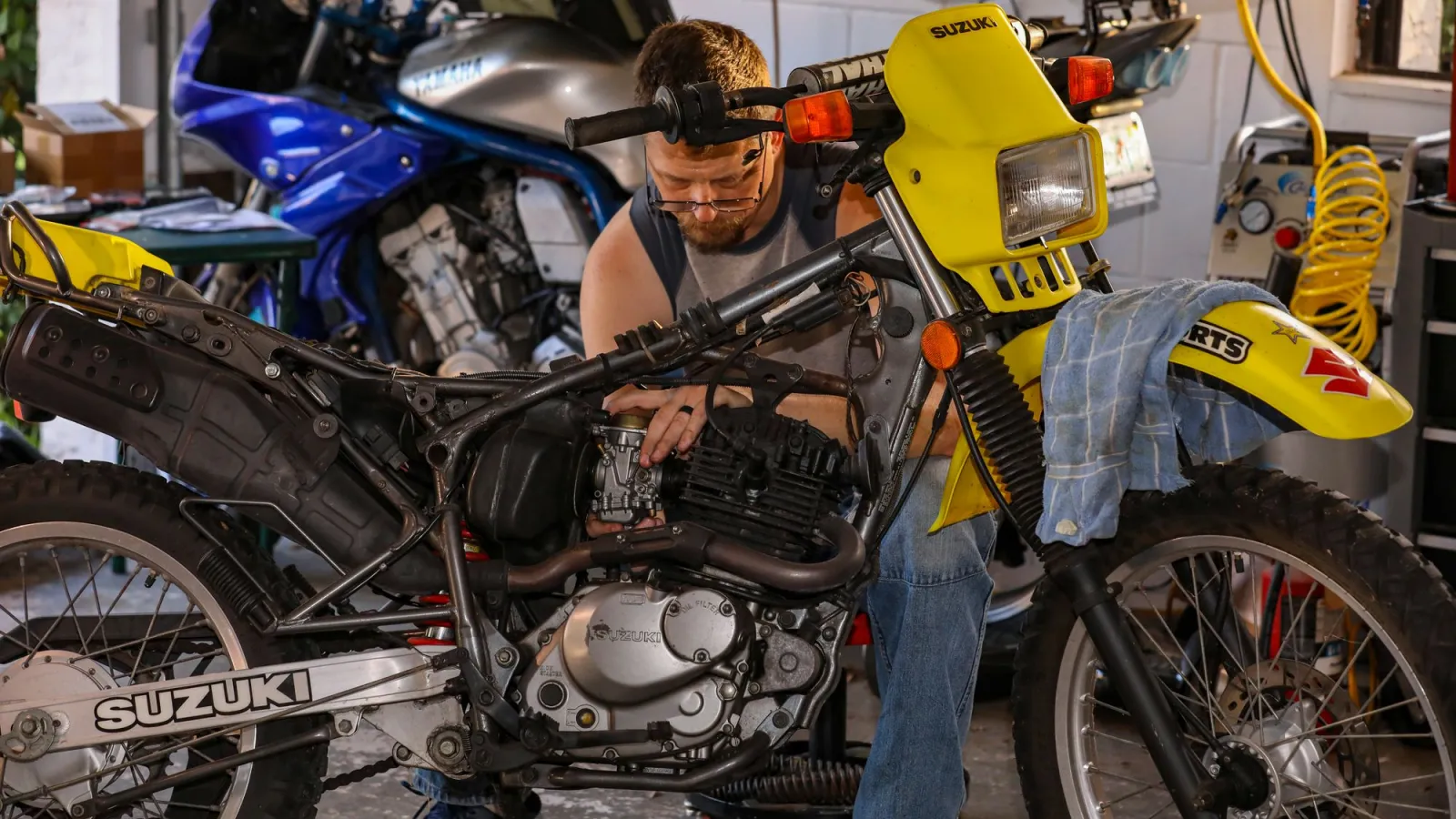
Tell the repair shop, insurer, or storage provider that a mechanical failure may be involved, and keep a record of those communications. Ask what inspection or documentation is planned before work begins. A shop may need to make the motorcycle safe, but photographs and notes about its condition before and during repairs can preserve details.
Avoid cleaning or disassembling a suspected failed component unless needed for safety or directed through an appropriate inspection process. Keep removed parts, invoices, and written findings together. If the motorcycle cannot be retained, document its condition and where each relevant part went before it is moved or disposed of.
- Make a written list of the motorcycle, parts, records, and photographs that may relate to the failure.
- Ask the shop or insurer to document the condition before repair, replacement, or disposal.
- Save copies of messages, work orders, inspection notes, and records showing who handled the motorcycle or parts.
- Get legal guidance about evidence preservation if a product claim is being considered.
Who may be responsible for a motorcycle defect?
Depending on the facts and state law, responsibility may involve a motorcycle maker, component maker, distributor, or seller. The correct parties and legal theories depend on how the product entered the market, what part allegedly failed, and the evidence connecting that failure to the crash.
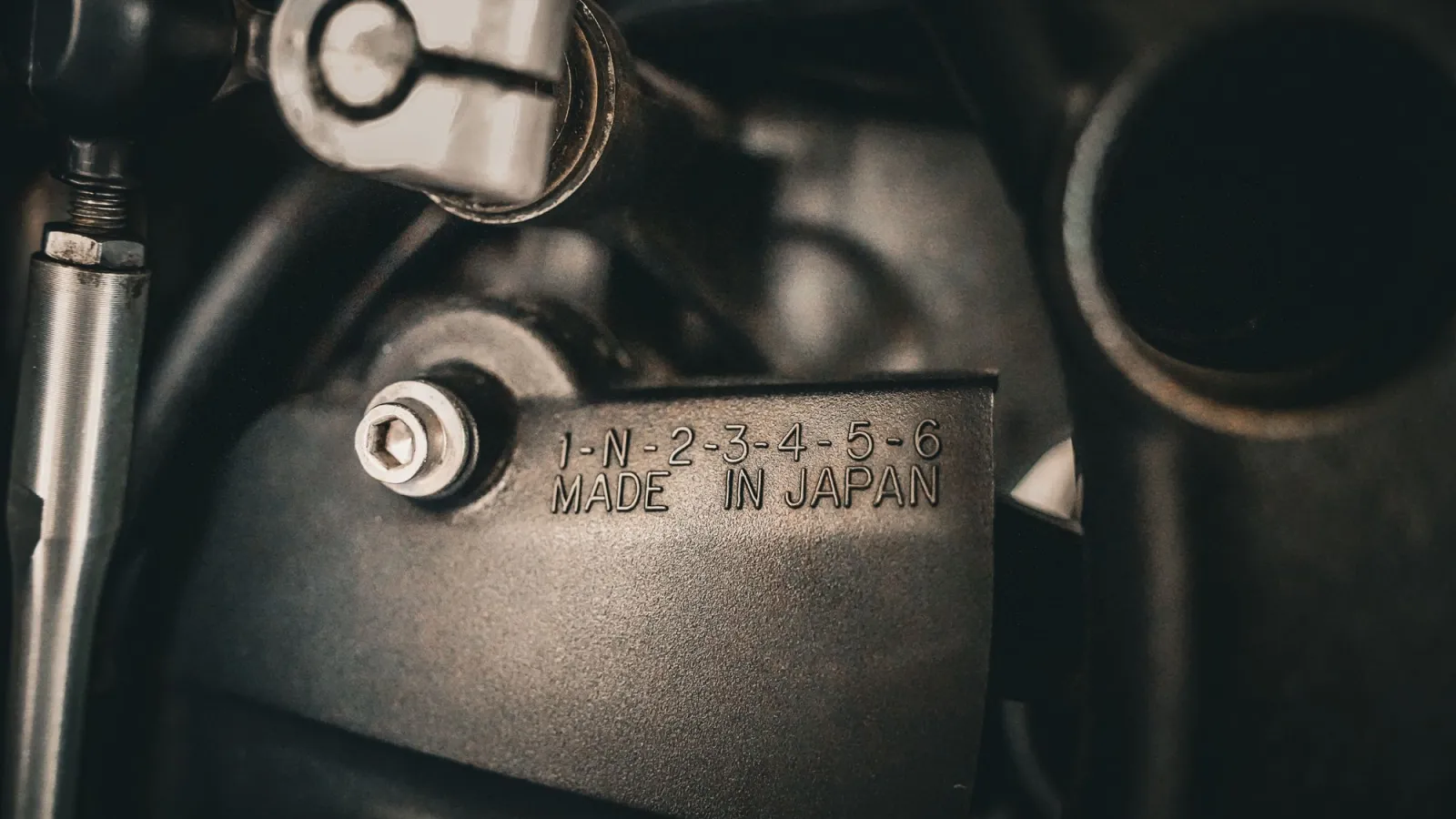
A claim may involve an alleged manufacturing problem, a design that was unreasonably unsafe, or inadequate instructions or warnings. Those are general categories, not conclusions about a particular motorcycle. The investigation may compare the failed component with its specifications and consider warnings, repair history, and how the product was used.
More than one factor or party may be involved. A road user’s actions, maintenance work, a modification, road conditions, and a product issue can all be examined. The presence of a potential product claim does not automatically establish that a manufacturer or seller is liable, and state rules can affect how responsibility is assessed.
How do insurance and injury claims fit into the process?
Insurance claims and a possible product defect claim can involve different parties and questions. Your own insurer or another driver’s insurer may address coverage or crash responsibility, while a product investigation focuses on whether a defect contributed to the incident and injuries. What coverage applies depends on the policy and circumstances.

Keep communications and documents organized, including claim correspondence, repair estimates, medical records, and requests to inspect the motorcycle. Be accurate when describing what you experienced, and distinguish what you personally observed from what someone else told you. An insurer’s position on a claim does not, by itself, resolve every potential claim arising from the crash.
Injuries may require ongoing care, and their effects can change over time. A review of the available records can help identify questions about medical expenses, lost income, and other claimed losses without assuming a particular result. If you also have a helmet-related injury issue, motorcycle helmet-related injury claims may involve separate factual and legal questions.
If another driver was uninsured, that may raise a separate coverage issue under your policy; it does not establish or rule out a product defect. You can learn more about uninsured motorist motorcycle claims when that issue is relevant.
How can state law affect a motorcycle defect claim?
State law can affect the deadline to bring a claim, how fault is allocated, what damages may be available, and whether special notice rules apply. Product-liability standards and rules about evidence or responsibility can also differ. These issues may depend on where the crash occurred and other case details.

Because no state is specified here, this guide does not give a deadline or determine which rules apply. A timely review of the location, crash circumstances, and potential parties can help identify the relevant state requirements.
Frequently Asked Questions
Does a product recall prove that a motorcycle defect caused my crash?
A recall may be relevant, but it does not by itself prove that the recalled issue caused a particular crash or injury. The motorcycle, component, recall details, and crash evidence need to be considered together.
Can I explore a claim if there is no recall?
A recall is not the only way a possible defect can come to light. A component inspection, repair history, or other evidence may raise questions, but the cause and legal requirements still need to be assessed.
Does regular maintenance rule out a defect claim?
Not necessarily. Maintenance records can help establish the motorcycle’s condition, but they do not automatically prove or disprove a product defect. The records should be considered with the parts and other evidence.
Can a used motorcycle be involved in a defect claim?
A used motorcycle may still be examined for a possible product problem, but ownership history, repairs, modifications, and state law can matter. Those facts may affect both the investigation and who could be responsible.
What if the motorcycle was changed or repaired after the crash?
Repairs or modifications may make it harder to determine the original condition, but records, photographs, retained parts, and inspection notes may still help. Keep documentation of what was changed, when, and by whom.
Sources
Next Steps
Request a free case evaluation to discuss the reported failure, available evidence, and any insurance communications. You can also ask for a review of an insurance offer or a deadline check through our consultation page.

Related Articles

Rideshare Accidents Involving Food Delivery Drivers
A crash involving a rideshare driver and a food delivery driver can raise questions about fault, app status, and which insurance policies may apply. Learn what evidence can help clarify your options.

Arbitration Clauses in Rideshare Terms of Service
A rideshare arbitration clause may affect how you pursue certain injury claims, but its reach depends on the agreement, the parties, and the facts. Learn what to check after a crash.

Robotaxi and Driverless Ride Accidents: Liability Questions
Responsibility for a robotaxi crash depends on what caused it and who had a role in the vehicle’s operation, design, or upkeep. Learn which evidence may help clarify your options.
