

In this article
- Can a construction-zone motorcycle crash support an injury claim?
- Who could be responsible for a crash near roadwork?
- What evidence can help show how the crash happened?
- How can your riding conduct affect responsibility?
- What if a truck, work vehicle, or construction equipment was involved?
- How can you assess whether the available facts support a claim?
- Which state-law differences could affect a construction-zone claim?
- Frequently Asked Questions
- Sources
- Next Steps
A motorcycle crash in a construction zone may support an injury claim if evidence shows that another party’s careless conduct or unsafe work-zone conditions contributed to the collision. Responsibility is not automatic just because the crash happened near roadwork. The facts, records, applicable state law, and your own actions can all matter.
Key Facts
- A construction zone does not automatically make a contractor or public agency liable.
- Road conditions, warning signs, temporary lane markings, and traffic control may be relevant evidence.
- More than one driver, contractor, or other party may have contributed to a crash.
- Your riding conduct may affect how responsibility is assessed under state law.
- Photos, witness details, medical records, and incident reports can help preserve key facts.
Can a construction-zone motorcycle crash support an injury claim?
Yes, a construction-zone motorcycle crash may support an injury claim when evidence connects another party’s careless conduct or unsafe conditions to the collision. The location alone does not establish fault, and a crash can have more than one contributing cause.
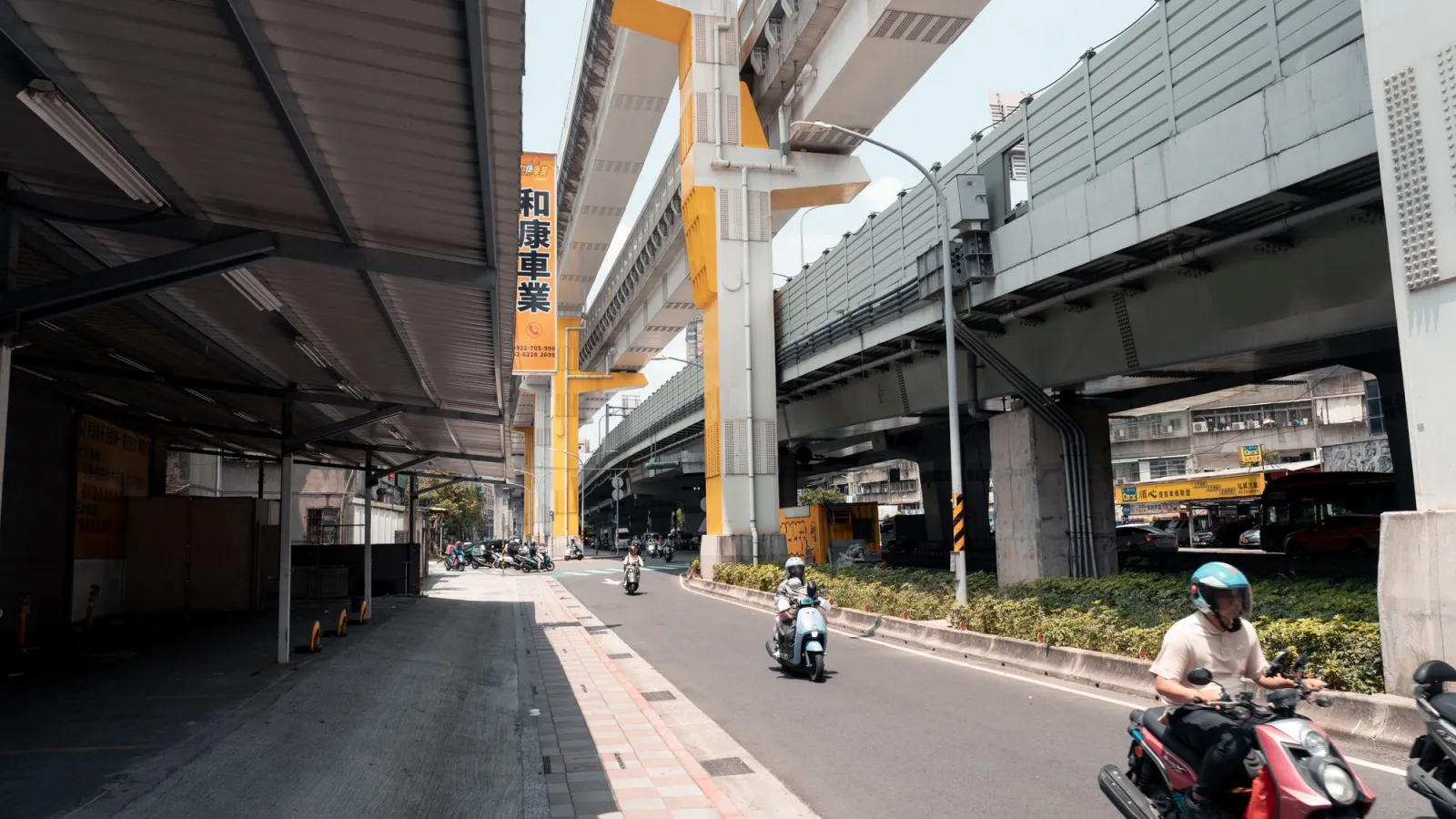
Relevant conditions may include loose gravel, uneven pavement, an abrupt surface change, a blocked lane, unclear temporary markings, or warning signs that were missing or difficult to see. A driver’s conduct may matter too, such as merging without checking for a motorcycle or following too closely. The details and timing of each condition can affect what the evidence shows.
A claim may involve a driver, a company responsible for roadwork, a public agency, or multiple parties. The investigation may need to distinguish who controlled the area, who had responsibility for a particular task, and whether the condition could have been addressed or warned about. The Motorcycle Accidents overview explains common issues in motorcycle injury claims.
A useful starting point is to identify the specific event or condition that led to the crash, rather than assuming that all construction-zone risks point to the same responsible party.
- Write down what you remember about the road, signs, traffic pattern, and vehicles involved.
- Keep any photos, messages, or documents that show the scene or your injuries.
- Avoid altering or discarding damaged riding gear before documenting it.
Who could be responsible for a crash near roadwork?
Responsibility may rest with one or more parties, depending on who caused the collision and who controlled the unsafe condition. A motorist may be responsible for careless driving, while a contractor or another entity may be relevant if its work or traffic setup contributed to the hazard.
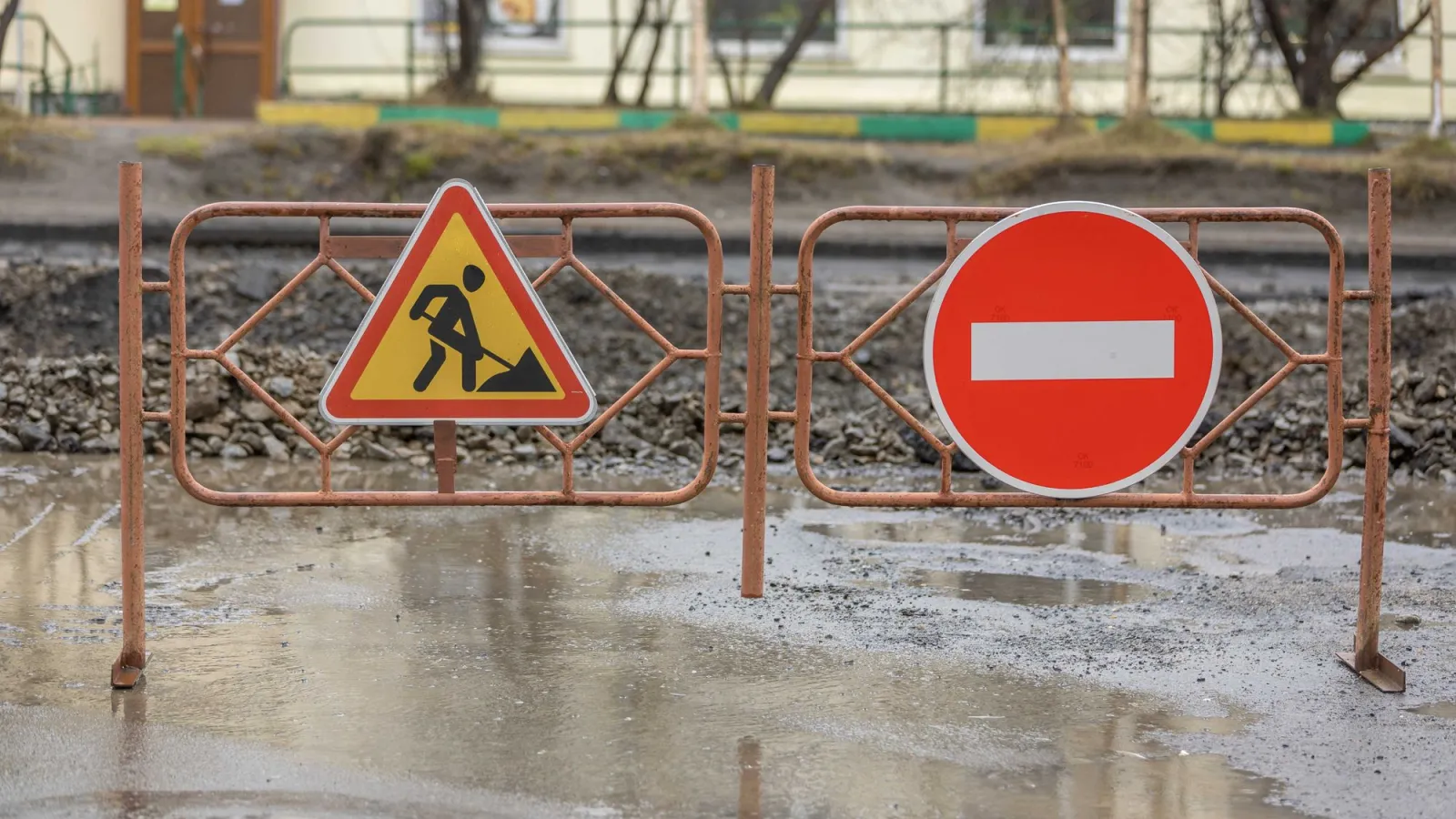
Possible parties include the driver who struck you, a roadwork contractor, a company that placed or maintained traffic controls, or a public agency with a role in the roadway. These roles do not prove liability by themselves. Contracts, work records, inspection logs, and the actual condition of the site may help clarify who had control and what each party was expected to do.
A vehicle collision can involve a driver’s decisions even when roadwork created a difficult setting. For example, a driver may fail to yield while a rider is navigating a temporary lane shift. Read about related issues in Motorcycle and Car Collisions.
In some cases, an employer or vehicle owner may also be considered if the driver was working or using a company vehicle. The available facts determine whether those relationships matter; they do not make an employer automatically responsible for every crash.
- Identify each vehicle, company, and agency connected to the scene.
- Note which party appeared to control signs, barriers, lane markings, or road repairs.
- Keep names and contact details for witnesses and responding personnel.
What evidence can help show how the crash happened?
Evidence that records the scene, the roadwork setup, and the sequence of events can help explain how the crash happened. Useful information may come from your observations, witnesses, photographs, official reports, vehicle damage, and records kept by companies or agencies.
Construction conditions can change quickly as crews move equipment or alter traffic patterns. If it is safe, photographs taken soon after the crash may show pavement, debris, signage, barriers, sight lines, lane markings, and vehicle positions. A witness may also remember whether a warning sign was visible or whether another vehicle made a sudden move.
Some records may be held by a business, a public agency, or a nearby property owner, including work orders, inspection records, or video. Such material may not remain available indefinitely. A personal injury investigation may examine whether records exist and who controls them, without assuming they will establish fault.
Keep your own account factual and separate what you remember directly from what someone else told you. If details are uncertain, say so rather than filling gaps with guesses.
- Get medical attention and follow the instructions of your health-care provider.
- When safe, photograph the roadway, signs, vehicles, and visible injuries.
- Record witness names and contact information, and keep copies of reports and treatment records.
- Save damaged gear and relevant communications, and note where additional video or work records may be held.
How can your riding conduct affect responsibility?
Your riding conduct may be considered alongside the actions of other parties and the condition of the road. Investigators may look at speed, following distance, visibility, lane position, braking, and whether you had a reasonable opportunity to react to a hazard.
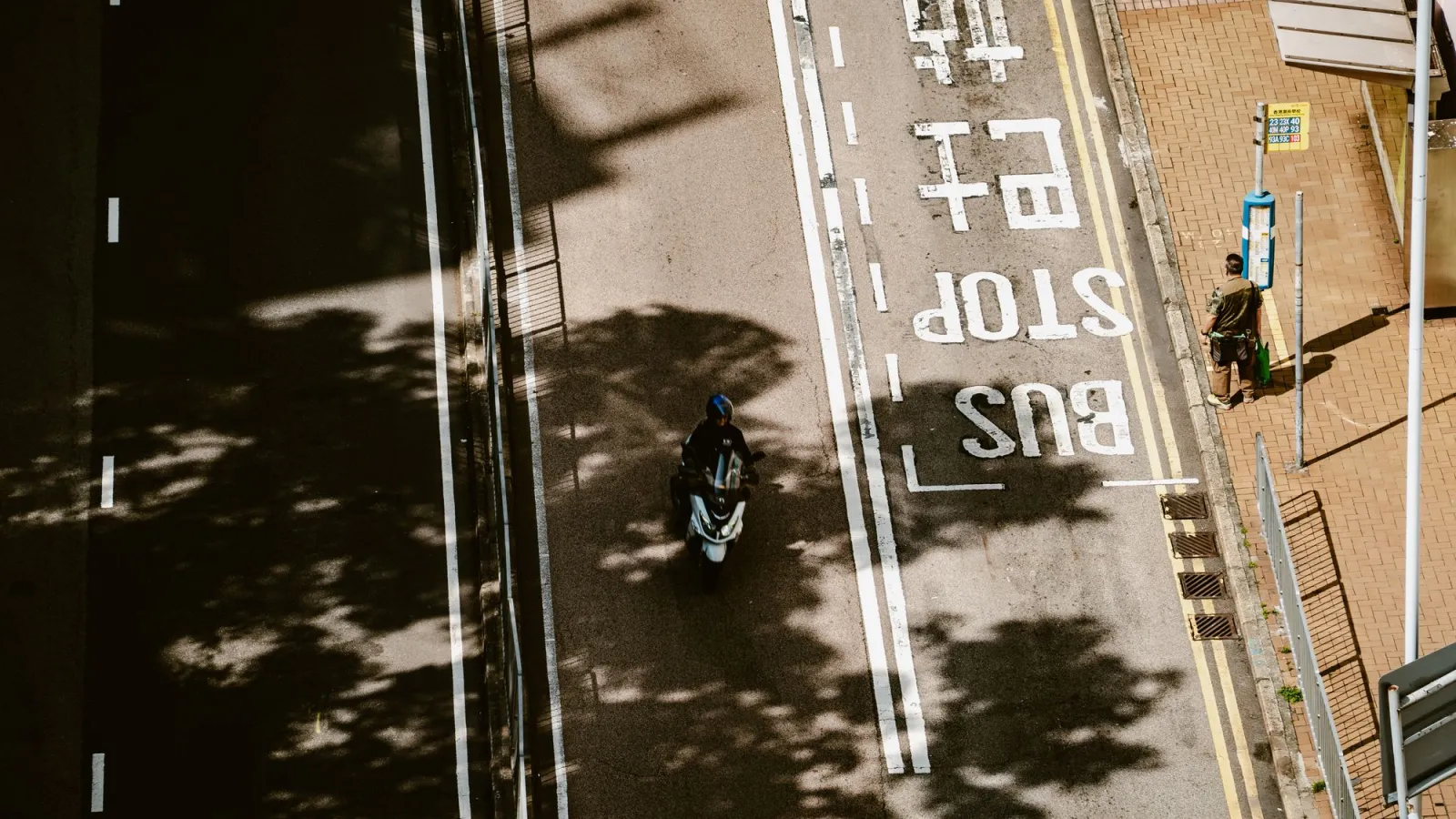
A rider’s presence in a construction zone does not, by itself, establish that the rider caused a crash. Temporary lanes can narrow or shift, and surfaces may differ from the road a rider encountered moments earlier. Evidence about visibility, warning time, traffic flow, and available space can help put a riding decision in context.
The other driver’s actions remain relevant even if someone questions your speed or position. For example, a driver may have changed lanes, turned, or entered your path without noticing you. The Motorcycle and Car Collisions page discusses issues that can arise when a motorcycle and car are involved.
State fault rules differ, and a finding that you share some responsibility may affect a claim in different ways depending on the applicable law. Avoid treating an initial opinion from an insurer or another driver as the final account of what happened.
- Describe your route, speed, lane position, and actions as accurately as you can.
- Preserve helmet, clothing, and motorcycle damage that may help document the impact.
- Do not guess about details you cannot remember.
What if a truck, work vehicle, or construction equipment was involved?
A crash involving a truck or work vehicle may require examining both the driver’s actions and the vehicle’s role in the work zone. Relevant facts can include whether the vehicle was moving, backing, parked, entering traffic, or blocking a rider’s view.
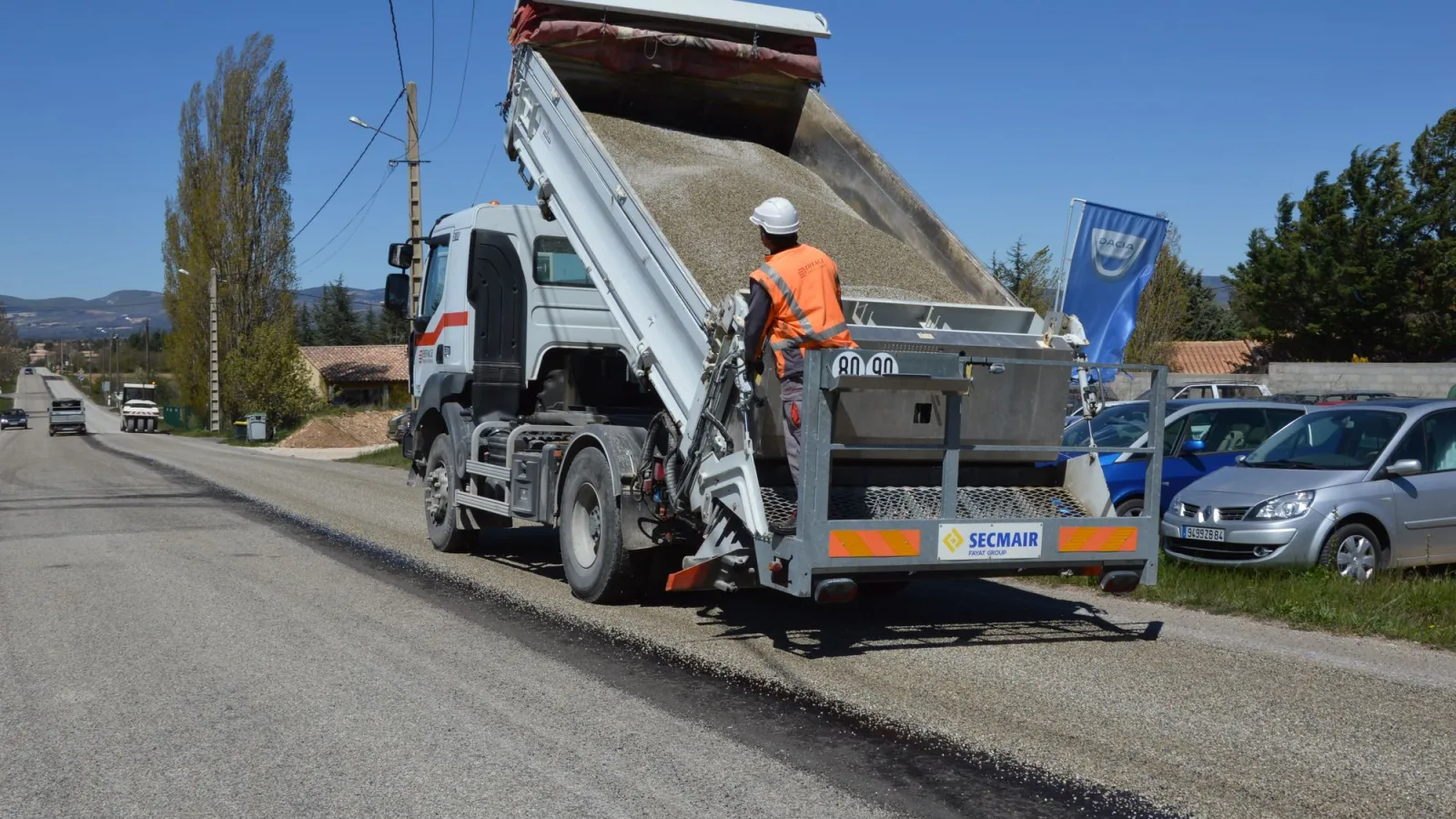
The vehicle’s owner or employer may be relevant if the driver was working at the time, but the relationship and applicable law matter. In a work zone, investigators may also consider whether equipment placement, a temporary closure, or a traffic-control decision contributed to the collision. Those possibilities require evidence; they are not automatic conclusions.
Vehicle damage, photographs, witness accounts, incident reports, and available camera footage may help reconstruct movement and visibility. Work schedules or company records may also matter if they help identify the driver’s role or explain why the vehicle was at the scene.
A collision involving a commercial truck can raise additional questions about the vehicle and the people or companies connected to it. The Motorcycle and Truck Collisions page provides more information about those issues.
- Record the vehicle’s description, identifying information, and direction of travel if available.
- Note whether the vehicle appeared to be working, entering traffic, or obstructing a lane.
- Keep any paperwork or communications that identify the employer, owner, or work site.
How can you assess whether the available facts support a claim?
You can begin assessing a possible claim by organizing evidence about the crash, your injuries, and each party’s connection to the roadway or work zone. The key question is whether reliable information supports a link between another party’s conduct or a hazardous condition and the harm you experienced.

Medical records can document the nature and course of your injuries, while repair estimates and photographs can show motorcycle damage. Keep receipts and records related to the crash, and note changes in your ability to work or carry out daily activities. These materials can help explain the effects of the collision, though they do not by themselves establish who was at fault.
An insurer may ask for a recorded statement, documents, or a release. Before responding, understand what is being requested and consider whether the request is limited to relevant information. Do not assume that an insurer’s view of fault or an early offer accounts for every disputed fact or future consequence.
A case review may examine who controlled the roadwork, what warning or traffic measures were present, how the crash occurred, and which state rules apply. It can also identify missing evidence and issues that remain uncertain. No review can determine the outcome in advance.
- Put reports, photos, medical records, repair documents, and witness details in one place.
- Make a timeline of events using only details you can support.
- List unanswered questions, such as who managed the site or whether video may exist.
- Ask for a case evaluation if you want help reviewing responsibility and next steps.
Which state-law differences could affect a construction-zone claim?
State law can affect how long you have to bring a claim, how responsibility is divided, and what damages may be available. Rules may also differ when a public agency is involved, including notice requirements or special procedures. These rules can depend on the identity of the defendant and the type of claim.
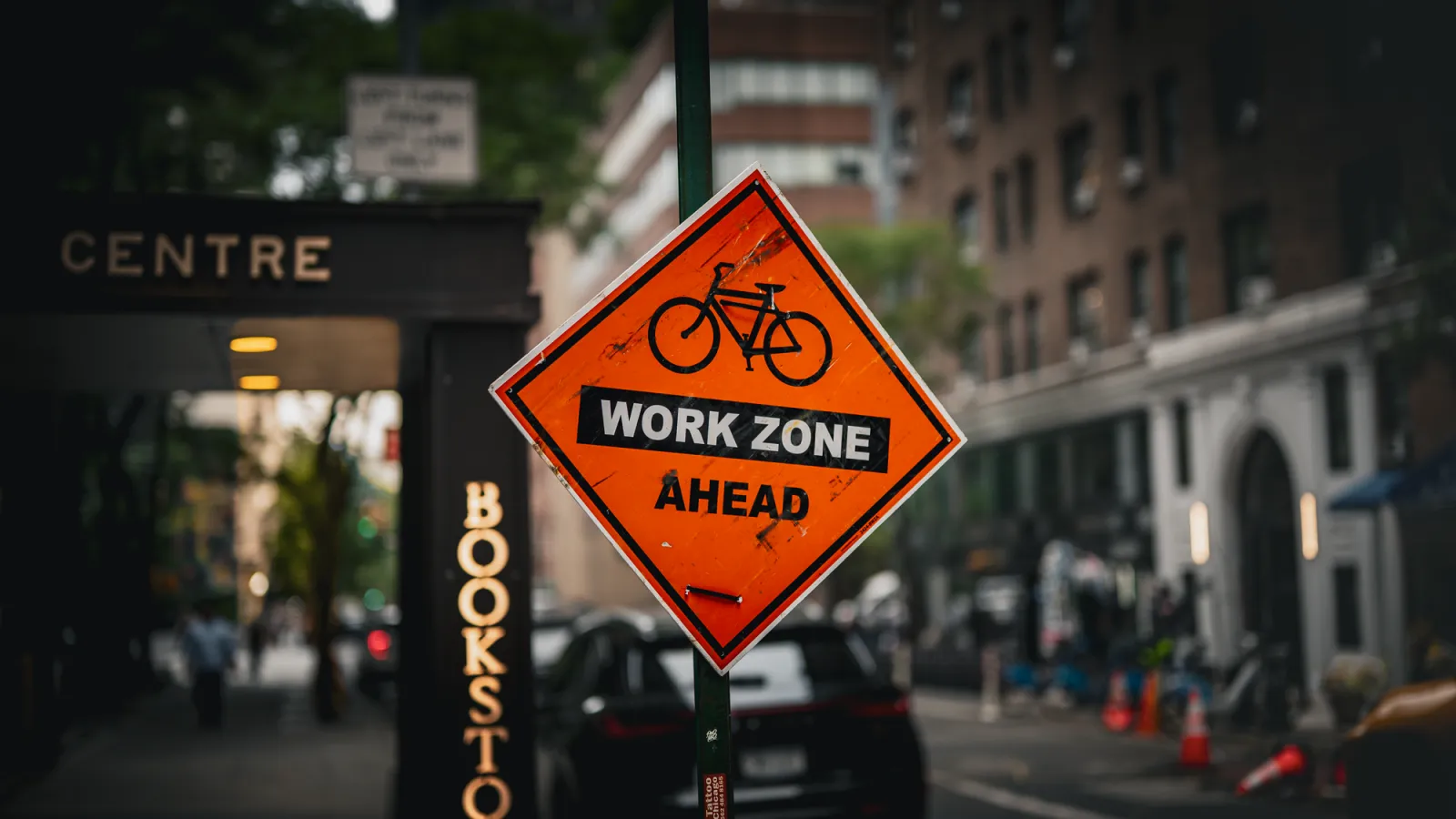
Fault rules may affect a claim if you and another party are both found to have contributed to the crash. Damage limits, the treatment of certain losses, and rules about available evidence can also vary. Roadwork requirements may depend on the project, the parties involved, and applicable state or local rules.
Because these issues are specific to the place and circumstances of the collision, general information cannot determine which rule applies. A state-specific review can help identify relevant deadlines, notice requirements, and fault rules without assuming that the same process applies everywhere.
Frequently Asked Questions
Should you speak with the other driver’s insurance company?
You may receive requests for information or a statement after the crash. Understand what is being requested, keep your answers accurate, and avoid guessing about details you do not remember.
Can roadwork records still matter after the scene has changed?
Yes, records such as work orders, inspection materials, photographs, or video may help show how the site was managed. Whether they exist and can be obtained depends on the people or organizations that control them.
Does wearing a helmet determine who caused the crash?
Helmet use does not, by itself, explain how a collision occurred. Its legal relevance and any effect on a claim can depend on state law and the facts of the injuries.
Can you have a claim if you do not know which company managed the work zone?
Not knowing the company at the outset does not answer whether a claim exists. Reports, signs, witnesses, and project records may help identify the parties connected to the site.
What if your symptoms became clearer after the crash?
Tell your health-care provider about new or changing symptoms and keep records of your care. Medical documentation can help show how your condition developed, but it does not decide legal responsibility.
Sources
Next Steps
Request a free case evaluation to discuss the crash, the evidence you have, and questions about responsibility or deadlines. A review can help you understand possible next steps based on the facts and applicable state law. Request a free case evaluation

Related Articles
Rideshare Accidents Involving Food Delivery Drivers
A crash involving a rideshare driver and a food delivery driver can raise questions about fault, app status, and which insurance policies may apply. Learn what evidence can help clarify your options.
Arbitration Clauses in Rideshare Terms of Service
A rideshare arbitration clause may affect how you pursue certain injury claims, but its reach depends on the agreement, the parties, and the facts. Learn what to check after a crash.
Robotaxi and Driverless Ride Accidents: Liability Questions
Responsibility for a robotaxi crash depends on what caused it and who had a role in the vehicle’s operation, design, or upkeep. Learn which evidence may help clarify your options.
