


In this article
- What is medical payments coverage?
- Which medical expenses might MedPay cover?
- How do you make a MedPay claim?
- Does MedPay depend on who caused the crash?
- How does MedPay interact with health insurance or PIP?
- What should you review before accepting an insurance offer?
- How can state law affect MedPay and related claims?
- Frequently Asked Questions
- Next Steps
Medical payments coverage, often called MedPay, is an optional auto insurance benefit that can pay eligible medical expenses after a crash, up to the limit in your policy. It generally pays without waiting to decide who caused the collision, but covered services, eligible people, coordination with other insurance, and repayment rights depend on the policy and state law.
Key Facts
- MedPay is a benefit under an auto insurance policy, not the at-fault driver’s liability coverage.
- Coverage is subject to your policy’s terms, exclusions, and limit.
- MedPay generally does not pay for vehicle repairs or nonmedical losses such as pain and suffering.
- Using MedPay does not automatically resolve a separate injury claim, but release language and other terms matter.
- Other insurance and state law may affect how medical bills are paid or whether repayment is requested.
What is medical payments coverage?
Medical payments coverage is an auto policy benefit that pays certain medical expenses after a crash, subject to its terms and limit. It is commonly called MedPay and is generally first-party coverage, meaning you make a claim under an auto policy that covers you rather than waiting for another driver’s insurer to accept responsibility.

MedPay is often optional, so having auto insurance does not necessarily mean your policy includes it. Check your declarations page, coverage selections, and policy wording. The listed limit is not a promise that every bill will be paid; eligible expenses and people are defined by the policy.
After a car accident, MedPay may help with medical costs while questions about fault or a liability claim are still unresolved. It is distinct from coverage for damage to your vehicle and from compensation sought for losses such as missed work or pain. A separate bodily injury claim may be available depending on the facts, insurance, and applicable law.
Which medical expenses might MedPay cover?
MedPay may cover eligible, accident-related medical expenses, but the policy controls which services qualify. Depending on its language, covered charges may include emergency care, hospital services, doctor visits, diagnostic tests, follow-up treatment, or other medical care related to the collision.

Do not assume every health-related cost is covered. Policies can define eligible treatment, covered people, documentation requirements, and exclusions differently. Bills for care unrelated to the crash, services outside the policy’s terms, or charges above the available limit may not be paid through MedPay.
MedPay generally is not designed to pay for car repairs, lost income, household help, or pain and suffering. Those losses may involve other coverage or a separate claim, depending on the circumstances. Keep bills and treatment records together, and ask the insurer to explain in writing if it considers a charge ineligible. That explanation can help you identify whether the issue is missing documentation, policy wording, or a dispute about whether treatment relates to the crash.
How do you make a MedPay claim?
To make a MedPay claim, notify the insurer that may provide coverage, confirm what it requires, and submit records connecting the care to the crash. If you have several policies that might apply—for example, your own policy and a household policy—ask the insurers which policy or policies may cover you. Do not assume that one insurer’s response settles whether another policy applies.

Keep your claim focused on accurate information and supporting documents. Give the insurer the crash details it requests, but read forms carefully and keep copies of what you send. For example, the type of impact, whether a rear-end collision or head-on collision, does not by itself establish what a particular policy will pay.
- 1. Locate the policy declarations page and confirm whether MedPay is listed, who is insured, and what limit applies.
- 2. Contact the insurer using the policy’s claim instructions and ask about forms, required records, and how it handles medical bills.
- 3. Collect itemized bills, receipts, treatment records, and relevant claim correspondence; submit copies and keep the originals.
- 4. Track what the insurer pays, what it declines, and any explanation or request for additional information.
Does MedPay depend on who caused the crash?
MedPay generally can pay covered expenses without first deciding which driver caused the crash. That can make it different from a claim against another driver’s liability insurer, which typically involves questions about responsibility and the losses legally recoverable from that driver.

The no-fault feature does not mean payment is automatic. You still need to meet the policy’s requirements, show that expenses are covered and related to the collision, and stay within the available limit. The insurer may review bills or ask for information before deciding what it will pay.
A MedPay payment also does not necessarily decide fault for a separate injury claim. If another driver may be responsible, that claim can involve evidence about the crash, injuries, available insurance, and state law. Keep communications about the MedPay benefit separate from any liability settlement discussions, and read any release or settlement document closely. A document that appears to cover more than a specific bill or benefit may affect other claims, depending on its wording and applicable law.
How does MedPay interact with health insurance or PIP?
MedPay, health insurance, and personal injury protection (PIP) are different types of coverage, and more than one may be relevant after a crash. MedPay is attached to an auto policy and generally addresses eligible medical expenses. Health insurance follows its own plan terms, while PIP can provide benefits under auto coverage where available and applicable.

Which coverage pays first can depend on policy language, coordination-of-benefits provisions, and state law. An insurer or health plan may also assert a right to reimbursement from money recovered from another party in some circumstances. That possibility does not mean repayment is always required; the applicable documents and law matter.
Before agreeing to how a bill will be handled, ask each insurer or plan administrator to explain its position and identify any policy term it relies on. Save explanations of benefits, payment notices, and reimbursement requests. A bill appearing on a statement does not by itself show which coverage is responsible, whether it has been processed, or whether a balance is ultimately owed.
What should you review before accepting an insurance offer?
Before accepting an insurance offer, identify which claim it settles and what rights you would release. A payment under your own MedPay coverage and an offer from another driver’s liability insurer may address different things, so do not assume that accepting one has the same effect as accepting the other.

Read the entire offer, release, and any payment authorization. Look for language about injury claims, future treatment, other insurers, reimbursement, and whether the agreement is limited to particular expenses. Ask the adjuster to explain unclear terms in writing, and keep that response with the offer documents.
Compare the offer and the bills already received with the treatment and expenses you know about. Consider whether you have pending care, unpaid charges, or a coverage question that has not been answered. A settlement document can have lasting effects, and its meaning depends on the exact wording and applicable law. If you are unsure what a document covers, a lawyer can review it and explain possible issues without promising a particular result.
How can state law affect MedPay and related claims?
MedPay terms and state rules can affect how coverage works, which policies pay first, and whether an insurer or health plan may seek reimbursement. Rules for a separate injury claim can also vary, including deadlines, fault rules, damage caps, and notice requirements. These differences may matter even when the crash and medical expenses are similar.
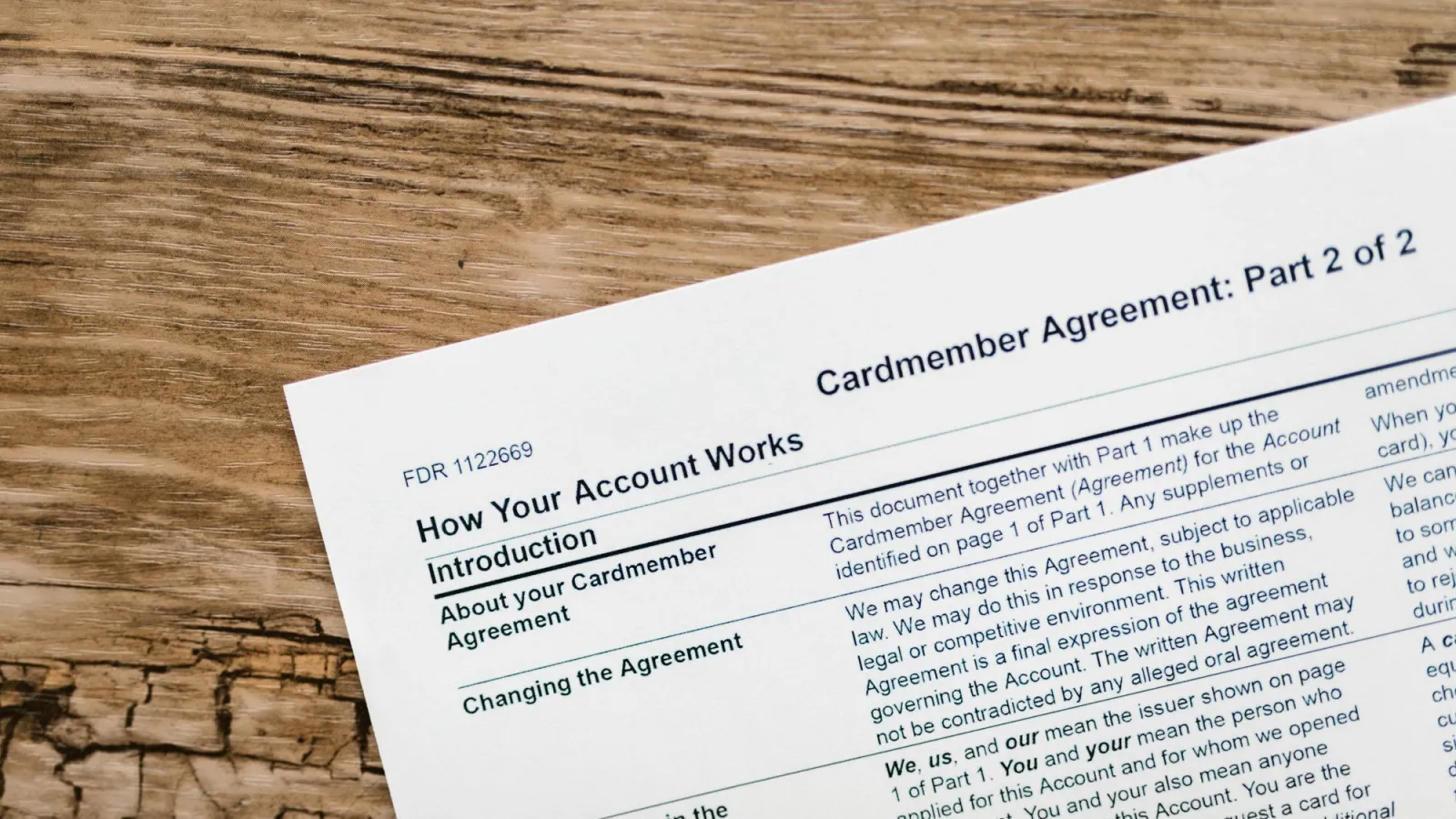
Your policy, claim documents, and the law that applies to the incident all deserve attention; a general explanation cannot determine your rights in a particular case. If an offer or deadline is involved, a lawyer can review the documents and explain what issues may need attention.
Frequently Asked Questions
Can MedPay cover passengers in my car?
It may, depending on the policy’s definition of insured people and its other terms. Check the policy or ask the insurer to confirm whether a particular passenger is covered.
Are ambulance and emergency-room bills eligible?
They may qualify when they are accident-related and meet the policy requirements. Send itemized bills and ask the insurer to identify any charge it does not consider covered.
Does MedPay cover damage to my vehicle?
MedPay is for eligible medical expenses, not vehicle repairs. Vehicle damage is usually addressed under a different type of auto coverage or a claim against a responsible party.
Can I make a MedPay claim if I was a passenger?
Possibly. Coverage can depend on the policies involved, who is insured under each policy, and applicable state law, so ask the relevant insurers to review the circumstances.
Can a MedPay payment affect a later injury settlement?
It may be relevant if an insurer or health plan claims a right to reimbursement, or if you sign a broad release. Review payment documents and any settlement language to understand what they cover.
Next Steps
If you have an insurance offer, a free case evaluation can help you review what it covers, identify documents to check, and discuss any deadline concerns. Request a consultation to talk through your situation.

Related Articles

Rideshare Accidents Involving Food Delivery Drivers
A crash involving a rideshare driver and a food delivery driver can raise questions about fault, app status, and which insurance policies may apply. Learn what evidence can help clarify your options.

Arbitration Clauses in Rideshare Terms of Service
A rideshare arbitration clause may affect how you pursue certain injury claims, but its reach depends on the agreement, the parties, and the facts. Learn what to check after a crash.

Robotaxi and Driverless Ride Accidents: Liability Questions
Responsibility for a robotaxi crash depends on what caused it and who had a role in the vehicle’s operation, design, or upkeep. Learn which evidence may help clarify your options.
