


In this article
- What is a Medicaid lien after a car accident?
- Which medical costs may be included in the claim?
- How can a Medicaid claim affect your settlement?
- How do you check whether the amount is accurate?
- What should you do before settlement funds are distributed?
- How is a Medicaid lien different from other reimbursement claims?
- Why can Medicaid lien rules vary by state?
- Frequently Asked Questions
- Sources
- Next Steps
Medicaid may seek repayment from a car accident recovery for medical care connected to your injuries, but the amount and process depend on applicable federal and state rules. A claim is not automatically equal to every benefit you have received. Review the claimed expenses, settlement details, and any allocation before distributing settlement funds.
Key Facts
- Medicaid may have recovery rights when another party is responsible for injury-related medical costs.
- The claim may be handled by a state agency, a contractor, or a Medicaid managed care plan.
- A claimed amount may be reviewed for accuracy and how it relates to the accident.
- Settlement allocation and reimbursement rules can depend on state law.
- A Medicaid claim is distinct from a medical provider bill or other insurance reimbursement claim.
What is a Medicaid lien after a car accident?
A Medicaid lien is a claim for repayment that may attach to money you recover from someone responsible for your accident-related medical care. Federal law requires states to pursue payment from liable third parties in certain circumstances, and state rules govern how recovery claims are handled. The claim may be asserted against a settlement or other recovery, but its existence does not automatically determine the amount you must repay.

The agency or plan may identify benefits it paid for treatment related to the collision. That can include services such as emergency care, hospital treatment, or follow-up care, depending on the claim and applicable rules. A claim for repayment is not the same thing as a lawsuit against you, and it does not establish who caused the crash.
If you are learning how a settlement works in a car accident, keep the Medicaid claim in view alongside liability, damages, and other reimbursement interests. It can affect the net amount available after a settlement, so the gross settlement figure alone may not show what you ultimately receive.
Which medical costs may be included in the claim?
A Medicaid repayment claim generally focuses on benefits connected to the injuries and care involved in the accident, but the items included should be checked rather than assumed. A benefits list may contain services that are unrelated to the collision, billed incorrectly, duplicated, or otherwise subject to review. Ask for an itemized accounting that identifies the services, dates, and amounts the program says it paid.

Also confirm who is asserting the claim. The state Medicaid agency may handle recovery directly, or a contractor or managed care plan may communicate on its behalf. If you received care through a managed care plan, find out whether the asserted amount includes plan payments and how the plan says its claim is calculated.
Do not treat every medical bill as a Medicaid lien. A hospital, doctor, health insurer, or other entity may assert a separate claim under different rules. For example, a provider bill and a government reimbursement claim can involve different parties and procedures. Keeping each demand separate makes it easier to question an incorrect amount and understand what remains unresolved.
How can a Medicaid claim affect your settlement?
A Medicaid claim can reduce the portion of a settlement left for you if repayment is owed, but the settlement amount is not necessarily paid entirely to the program. The effect depends on the claimed benefits, the injuries and expenses covered, the settlement terms, and the applicable state rules. Do not assume that the first amount requested is final or that a settlement figure alone tells you the net recovery.

The claim may need to be addressed before settlement funds are distributed. If you release funds without resolving a valid repayment interest, you may face a later dispute about who was entitled to the money. On the other hand, a demand that includes unrelated care or uses an incorrect accounting may warrant review.
The facts of the crash can affect the overall settlement analysis, but they do not by themselves resolve the Medicaid claim. Whether your collision involved a rear-end crash or another type of accident, keep documentation of your injury, treatment, settlement discussions, and any repayment notices together. Your settlement paperwork and the agency's records should be reviewed as related but distinct parts of the process.
How do you check whether the amount is accurate?
You can check a Medicaid demand by comparing its itemized payment history with your accident records and asking the program to explain any unclear entries. A summary total may not show which services are included, whether they relate to the collision, or how the amount was calculated. Request enough detail to identify the claimed payments and the basis for seeking repayment.

Compare the list with your treatment timeline, medical records, and bills. Mark charges that appear to concern a different condition, fall outside the accident-related care, or do not match the documents you have. If the amount seems wrong, ask how to dispute it and what information or form the program requires. Keep copies of your requests, responses, and supporting records.
Settlement allocation may also matter. When a recovery covers different kinds of losses, the way the settlement is described can affect how a reimbursement claim is evaluated under applicable law. Do not assume that a label in a settlement document will control on its own. A careful review may help identify whether the proposed allocation is supported by the facts and the governing rules.
What should you do before settlement funds are distributed?
Before settlement funds are distributed, identify every Medicaid reimbursement notice and find out whether the amount is final, disputed, or still being updated. Early attention can help prevent a delay at the point when the settlement is ready to close. If the accident involved a road condition, such as a defective road design, preserve the evidence about the crash as well as the records relevant to the repayment claim.

A practical review can help you track the moving pieces. Keep the agency or plan informed if it requests information, and save proof of what you send. Avoid treating silence, an old balance, or a phone estimate as confirmation that the claim has been resolved.
- 1. Gather Medicaid notices, benefit statements, medical bills, and accident-related treatment records.
- 2. Request an itemized claim and the instructions for correcting or disputing entries.
- 3. Compare the claimed services with your records and document any questions in writing.
- 4. Ask how the claim will be handled under the proposed settlement and what must happen before funds are released.
- 5. Keep written confirmation of the final amount, any adjustment, and the claim's resolution.
How is a Medicaid lien different from other reimbursement claims?
A Medicaid lien is one possible repayment interest, not a catchall term for every bill or insurance claim connected to your accident. A medical provider may seek payment for unpaid treatment, and a private health insurer may have its own reimbursement or subrogation rights. Those claims can have different legal bases, records, and dispute processes.
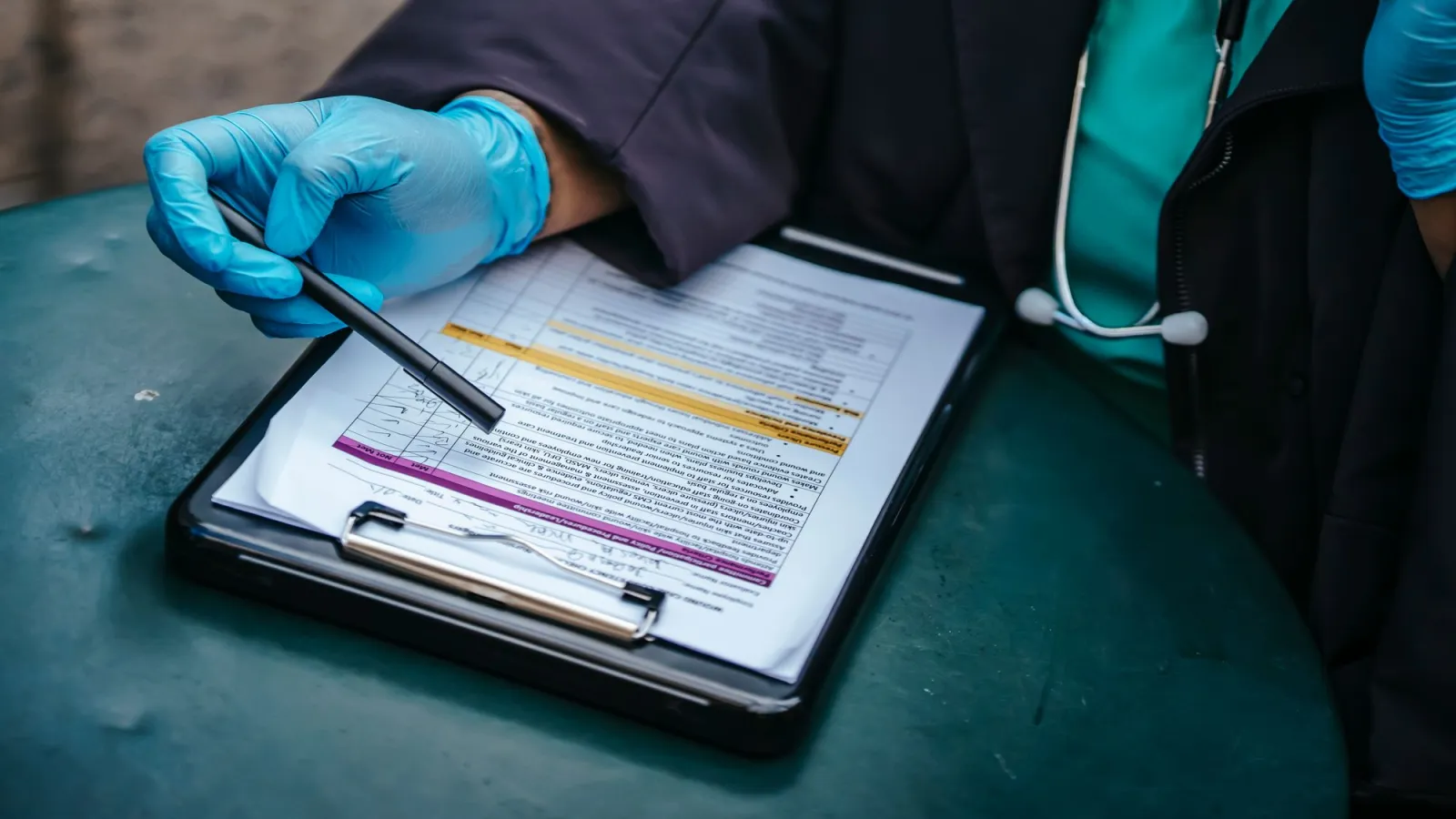
Medicare is also separate from Medicaid, even though both are government health coverage programs. If more than one program or insurer paid for your care, identify each one and request a separate accounting. The fact that one claim has been resolved does not necessarily mean the others have been addressed.
This distinction matters when estimating what may remain from a settlement. Review each demand independently, check that it relates to the accident, and confirm its status before funds are allocated. If you are unsure who issued a notice, look at the sender, the program or plan named, and the payment history it references. A single settlement can involve several interests that need to be coordinated.
Why can Medicaid lien rules vary by state?
Medicaid lien and reimbursement procedures can vary because states administer their programs under federal requirements and state law. Rules may affect how a claim is calculated, what part of a recovery may be subject to repayment, how settlement proceeds are allocated, and which agency or plan handles the process. State procedures can also set the steps for requesting information or challenging a demand.

The law that applies may depend on where the claim is handled and the details of your coverage and settlement. Avoid relying on a general description as though it settles your individual claim. Ask the agency or plan for its current procedures, and have the specific demand and settlement terms reviewed under the law that applies to your situation.
Frequently Asked Questions
Does Medicaid automatically take the full car accident settlement?
No. A repayment claim does not automatically mean the entire settlement goes to Medicaid. The amount, covered expenses, and rules for applying the claim depend on the circumstances and applicable law.
Can you question a Medicaid repayment demand?
You can ask for an itemized accounting and raise questions about charges that appear unrelated, duplicated, or incorrect. Follow the agency or plan's process for submitting records or a dispute, and keep copies of your communications.
What if the Medicaid notice arrives after settlement discussions begin?
Tell the people handling the settlement that a repayment claim has been asserted or may be pending. Request the current claim details and clarify how it must be resolved before funds are distributed.
Is a Medicaid lien the same as a hospital lien?
No. A Medicaid recovery claim and a hospital or provider claim come from different entities and may follow different rules. Identify each notice separately and verify what services and amounts it covers.
Can the Medicaid claim include treatment unrelated to the crash?
A demand should be reviewed to see whether its listed payments relate to the accident and the recovery. If entries appear to concern another condition or do not match your records, ask for an explanation and learn how to dispute them.
Sources
Next Steps
Use our free case evaluation to discuss your settlement, review a Medicaid repayment demand, or check what issues may need attention before funds are distributed. Contact us to request a review; the information you provide can help identify questions to raise about the claim and next steps.

Related Articles

Rideshare Accidents Involving Food Delivery Drivers
A crash involving a rideshare driver and a food delivery driver can raise questions about fault, app status, and which insurance policies may apply. Learn what evidence can help clarify your options.

Arbitration Clauses in Rideshare Terms of Service
A rideshare arbitration clause may affect how you pursue certain injury claims, but its reach depends on the agreement, the parties, and the facts. Learn what to check after a crash.

Robotaxi and Driverless Ride Accidents: Liability Questions
Responsibility for a robotaxi crash depends on what caused it and who had a role in the vehicle’s operation, design, or upkeep. Learn which evidence may help clarify your options.
