


In this article
- What must you show to prove a driver failed to yield?
- What evidence can help explain how the crash happened?
- How can the intersection and vehicle damage support your account?
- How do you respond when the driver disputes fault?
- What can affect whether you have a viable injury claim?
- What practical steps can help protect the evidence?
- How can state law change a left-turn motorcycle claim?
- Frequently Asked Questions
- Next Steps
You may be able to show a driver failed to yield by connecting the driver’s left turn to the collision with evidence such as scene photos, vehicle damage, witness accounts, traffic-camera footage, and crash records. The key is to establish the circumstances at the intersection, what each person could see, and whether the driver’s actions caused your injuries.
Key Facts
- The turn signal, intersection layout, and traffic controls can affect how a left-turn crash is assessed.
- Photos, video, vehicle damage, and witness accounts may help show where each vehicle was before impact.
- A police report can provide useful information, but it may not settle fault or include every relevant fact.
- Insurers may dispute visibility, speed, or whether the motorcyclist had time to react.
- Fault rules and claim deadlines vary by state.
What must you show to prove a driver failed to yield?
You generally need evidence that the driver’s left turn created an unsafe conflict with your motorcycle and caused the crash. At many intersections, a driver making a left turn must yield to approaching traffic, but the applicable rule depends on the location, signal, and circumstances. A claim is stronger when the evidence explains not only that the vehicles collided, but how the turn and approach led to impact.
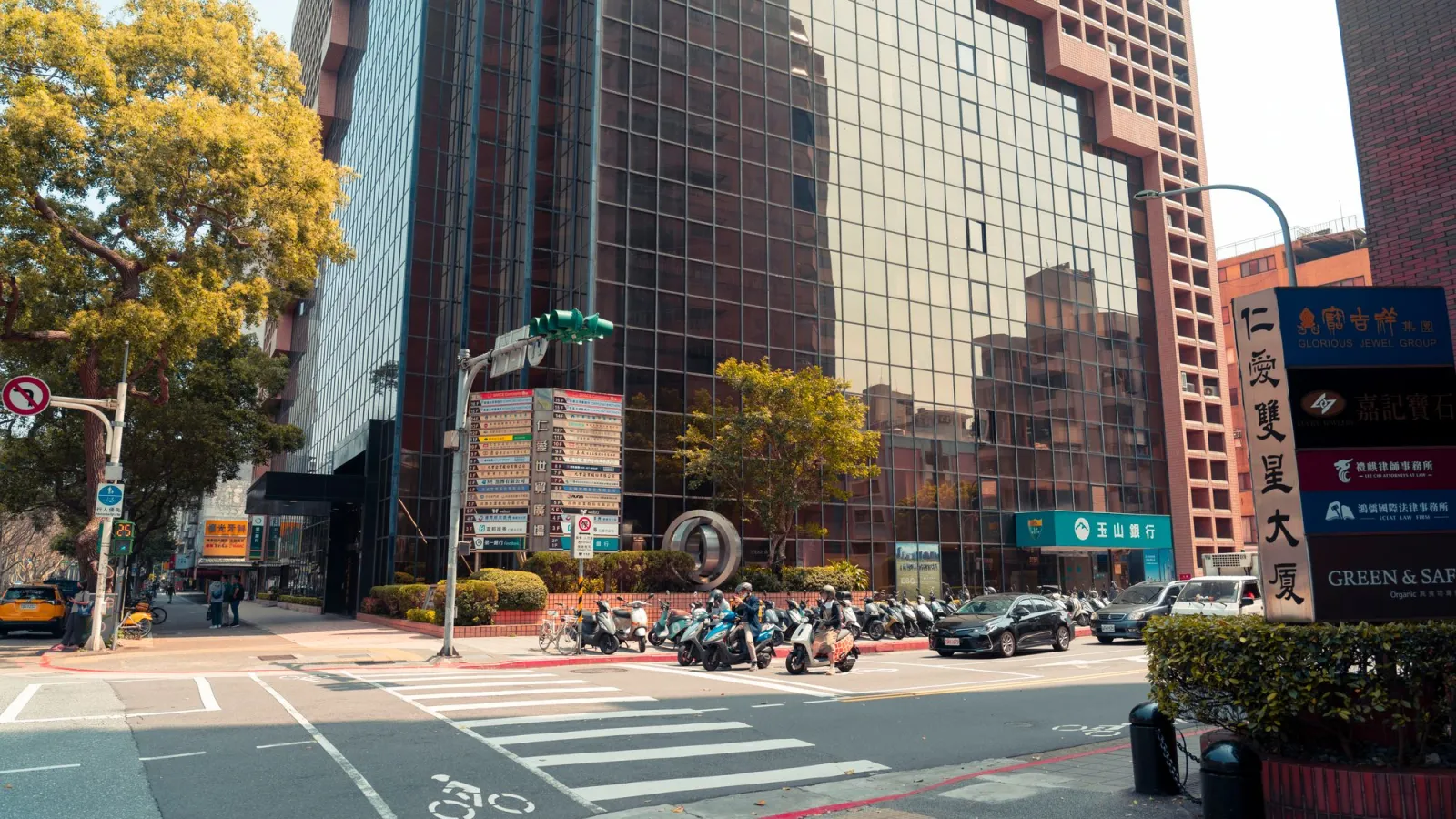
Useful details include which direction each vehicle was traveling, the position of the motorcycle when the driver began turning, whether either vehicle had a traffic signal, and whether the driver had a clear view. The point of impact and the vehicles’ final positions may help explain the sequence. Your account matters, but it is most persuasive when supported by independent evidence.
A crash involving a turning vehicle can raise different questions from other Motorcycle Accidents. The focus is on the driver’s decision to turn, the available space and time, and the conditions affecting visibility. Evidence may also show whether another factor contributed, so avoid assuming that the collision alone proves fault.
What evidence can help explain how the crash happened?
Evidence gathered close to the crash can help reconstruct where the vehicles were and what each person could see. If you are able, preserve photographs of the intersection, traffic signs and signals, skid marks, debris, vehicle damage, and sight obstructions. Images taken from different approaches can show whether buildings, parked vehicles, or landscaping blocked a driver’s view.
Video from nearby businesses, residences, or traffic systems may capture the approach and turn, but it may not remain available indefinitely. Witnesses can describe the vehicles’ positions, signals, and timing from a separate perspective. Keep their contact information and note what they observed without trying to shape or rehearse their accounts.
A police crash report may record statements, observations, diagrams, and contact details. It is a source to review, not necessarily the final word on responsibility: an officer may not have seen the collision, and the report may leave out details. Medical records and photographs of your injuries can document the harm, while repair or inspection records can help explain impact locations and damage.
How can the intersection and vehicle damage support your account?
The roadway layout and damage patterns may help test whether the driver’s version fits the physical evidence. A careful review can compare the motorcycle’s direction of travel, the car’s turning path, the point of impact, and any marks or debris on the road. Those details may support or challenge accounts about when the turn began and where the motorcycle was.
An intersection may have a dedicated turn lane, multiple through lanes, a protected signal phase, or limited sightlines. Those features matter because they affect what movements were permitted and what a driver could see. Weather, lighting, road surface, and temporary obstructions can also be relevant. Photos, video, diagrams, and measurements can help preserve these conditions for later review.
Vehicle damage should be documented before repairs change or remove evidence. Photographs from several angles can show the location and extent of damage, and an inspection may identify details that are not obvious in pictures. In some cases, a qualified crash analyst can compare damage and scene evidence with competing explanations. That analysis is most useful when it relies on preserved facts rather than assumptions about what must have happened.
How do you respond when the driver disputes fault?
You can address a fault dispute by testing each explanation against the available evidence rather than relying on labels or assumptions. A driver may say the motorcycle was hard to see, was traveling too fast, or appeared only after the turn began. The evidence can help clarify the motorcycle’s location, visibility, speed-related claims, and whether the driver had a reasonable opportunity to wait.
Motorcycles can be less conspicuous than larger vehicles, but that does not by itself establish who caused a particular crash. Relevant facts may include lighting, contrast, traffic, the driver’s sightline, and the timing of the turn. A signal, witness, or video may help, while scene evidence can reveal whether the driver’s account fits the vehicles’ paths and damage.
A dispute about your conduct does not automatically end a claim. In some states, a person’s share of fault can reduce or limit recovery; the rules differ by state. Keep your account consistent and factual, and avoid guessing about distance or speed if you are unsure. Motorcycle and Car Collisions often involve competing accounts that need to be checked against physical evidence.
What can affect whether you have a viable injury claim?
A claim may be more supportable when evidence connects the driver’s turn to the collision, documents your injuries, and identifies the losses caused by those injuries. These are related but separate questions: evidence of a dangerous turn addresses fault, while medical and financial records help show the effect on you. A crash report alone may not answer either question completely.

Follow-up care and records can document symptoms, diagnoses, treatment, and changes in your ability to work or manage daily activities. Keep copies of bills, prescription information, wage records, and communications about missed work. If symptoms change, tell your medical provider; avoid minimizing problems in records or making public statements that could be taken out of context.
The specific injuries and recovery process vary. Your records may need to distinguish conditions caused by the crash from earlier health issues, and an insurer may question whether particular care was related. Preserve relevant records and provide accurate information. Reviewing Left-Turn Motorcycle Accidents can help you understand why the turning driver’s conduct, the collision evidence, and the resulting harm are assessed together.
What practical steps can help protect the evidence?
You can protect a potential claim by organizing the evidence, keeping records, and being careful with insurance communications. Start with what you already have: photographs, the crash report, witness details, medical records, repair documents, and messages from insurers. Make a simple timeline of events while your recollection is fresh, separating what you personally remember from what you learned later.
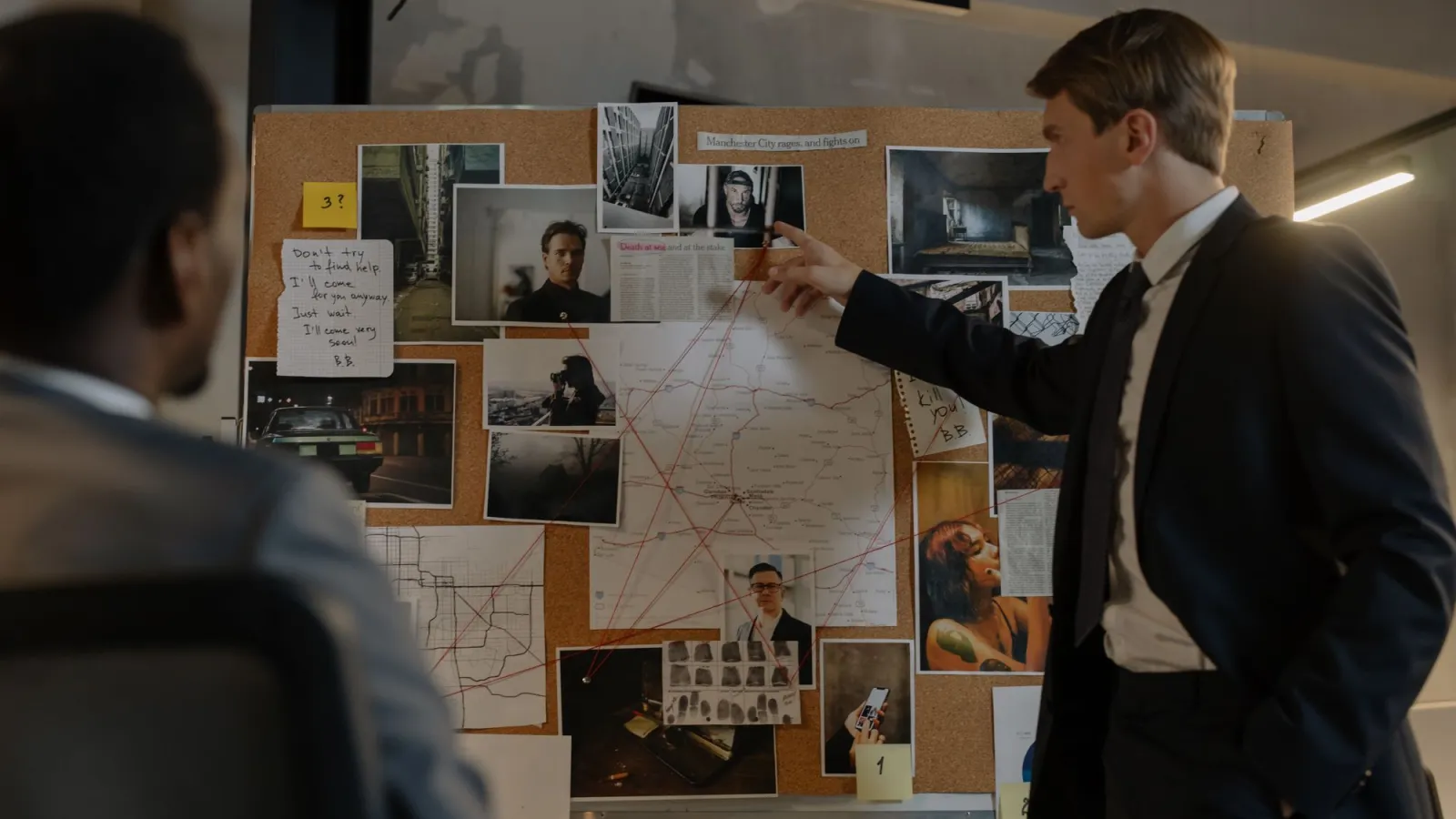
If video may exist, identify the camera location and ask the owner or custodian how to preserve relevant footage. Keep damaged equipment and clothing if available, and photograph them before cleaning or disposal. Save original image and video files when possible; edits or missing context may make material harder to assess. Do not trespass or put yourself at risk to collect evidence.
Before giving a recorded statement or signing a broad medical-record authorization, make sure you understand what is being requested and how it may be used. You can ask the insurer to explain its request and keep a copy of communications. A Consultation may help you understand evidence gaps and state-specific issues, especially if fault is disputed or your injuries need ongoing care.
How can state law change a left-turn motorcycle claim?
State law can affect who must yield, how shared fault changes a claim, which damages may be available, and how long you have to act. Some claims also involve special notice procedures, such as when a public agency or government-owned vehicle may be responsible. These rules and deadlines differ by state and can depend on the facts.
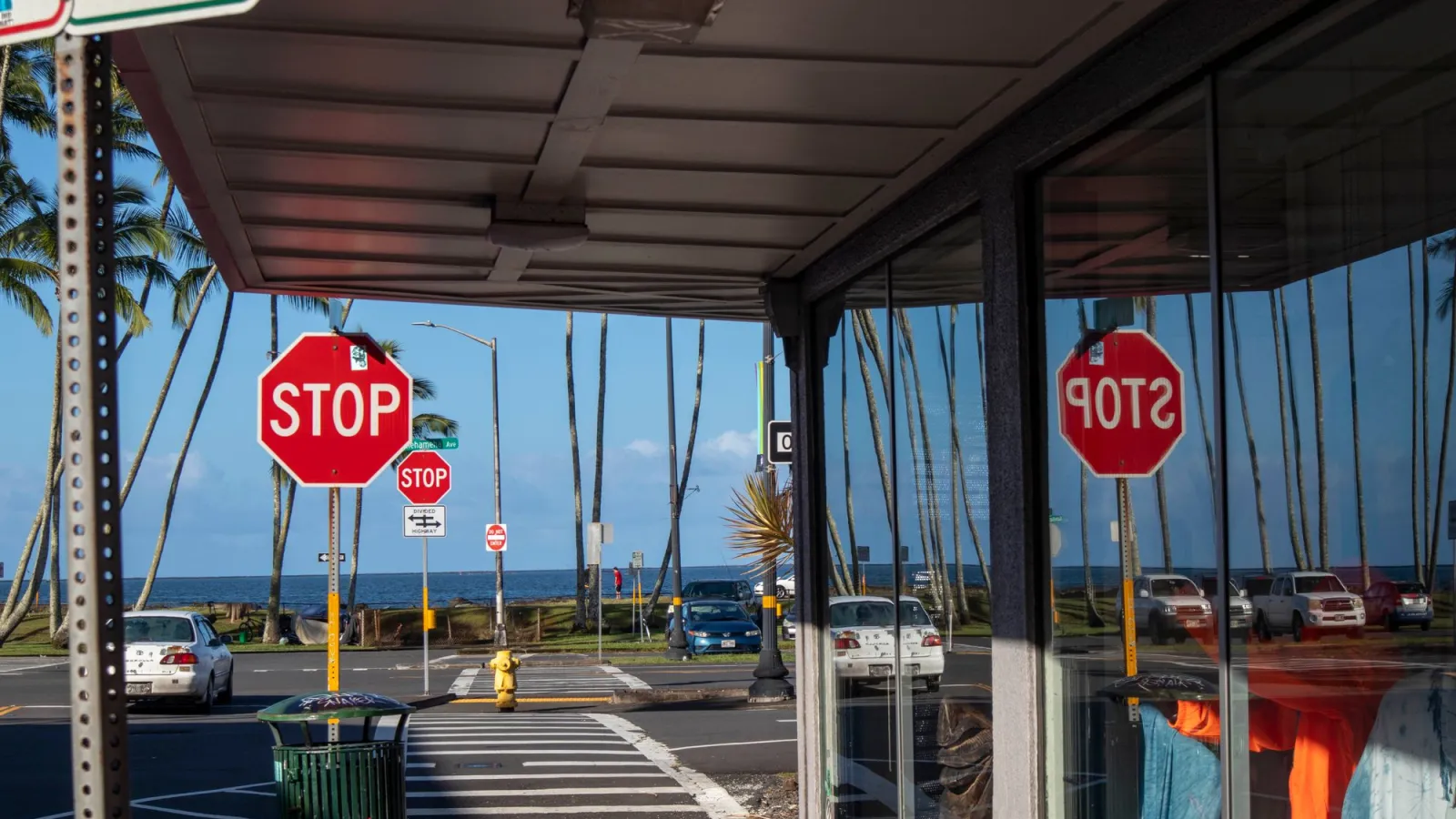
The intersection’s traffic controls and local rules may also matter when assessing a driver’s obligations. Because no state was specified, this guide cannot identify the governing rule or deadline for your situation. Check the law that applies where the crash happened and get timely guidance if a deadline or notice requirement may apply.
Frequently Asked Questions
Does a police report decide who was at fault?
No. A report may contain useful observations, statements, and a diagram, but it does not necessarily resolve liability. Other evidence may clarify or challenge what the report records.
Can I make a claim if there were no witnesses?
Possibly. Photos, video, vehicle damage, road marks, and medical records may help explain the crash even without an eyewitness. The available evidence and state law matter.
What if I cannot remember every detail of the collision?
Do not guess. Share what you remember, identify what you are unsure about, and rely on available records and physical evidence to fill in the picture.
Can wearing a helmet affect my claim?
Helmet requirements and the effect of helmet use on an injury claim can depend on state law and the type of injury. Keep relevant helmet and medical information, and have the issue assessed under the law that applies.
Should I give the other driver’s insurer a recorded statement?
You can ask what information the insurer is seeking and how it will be used before responding. A recorded statement may be reviewed later, so be accurate and avoid guessing about details you do not know.
Next Steps
If you are unsure whether the evidence supports a claim, request a free case evaluation to discuss the crash, your injuries, and any fault dispute. You can also ask about reviewing an insurance offer or checking a deadline that may apply. Request a free case evaluation

Related Articles

Rideshare Accidents Involving Food Delivery Drivers
A crash involving a rideshare driver and a food delivery driver can raise questions about fault, app status, and which insurance policies may apply. Learn what evidence can help clarify your options.
Arbitration Clauses in Rideshare Terms of Service
A rideshare arbitration clause may affect how you pursue certain injury claims, but its reach depends on the agreement, the parties, and the facts. Learn what to check after a crash.

Robotaxi and Driverless Ride Accidents: Liability Questions
Responsibility for a robotaxi crash depends on what caused it and who had a role in the vehicle’s operation, design, or upkeep. Learn which evidence may help clarify your options.
