

In this article
- Is lane splitting legal where you were riding?
- How is fault assessed after a lane-splitting crash?
- Can a driver be liable if the motorcycle was lane splitting?
- Does lane splitting automatically prevent you from recovering compensation?
- What evidence can help explain how the crash happened?
- How can you respond to an insurer’s lane-splitting argument?
- Which state-law differences can affect a lane-splitting claim?
- Frequently Asked Questions
- Next Steps
Lane splitting can affect liability after a motorcycle crash, but it does not automatically determine who caused the collision or prevent you from recovering compensation. The rules vary by state, and investigators may consider the circumstances, each person’s actions, and available evidence. The specific facts and applicable state law matter.
Key Facts
- Lane-splitting rules differ among states.
- A rider’s lane position alone does not establish who caused a crash.
- Insurers may examine the actions of both the rider and other drivers.
- Photos, video, witness accounts, and crash records may help clarify what happened.
- State fault rules can affect whether and how you may recover compensation.
Is lane splitting legal where you were riding?
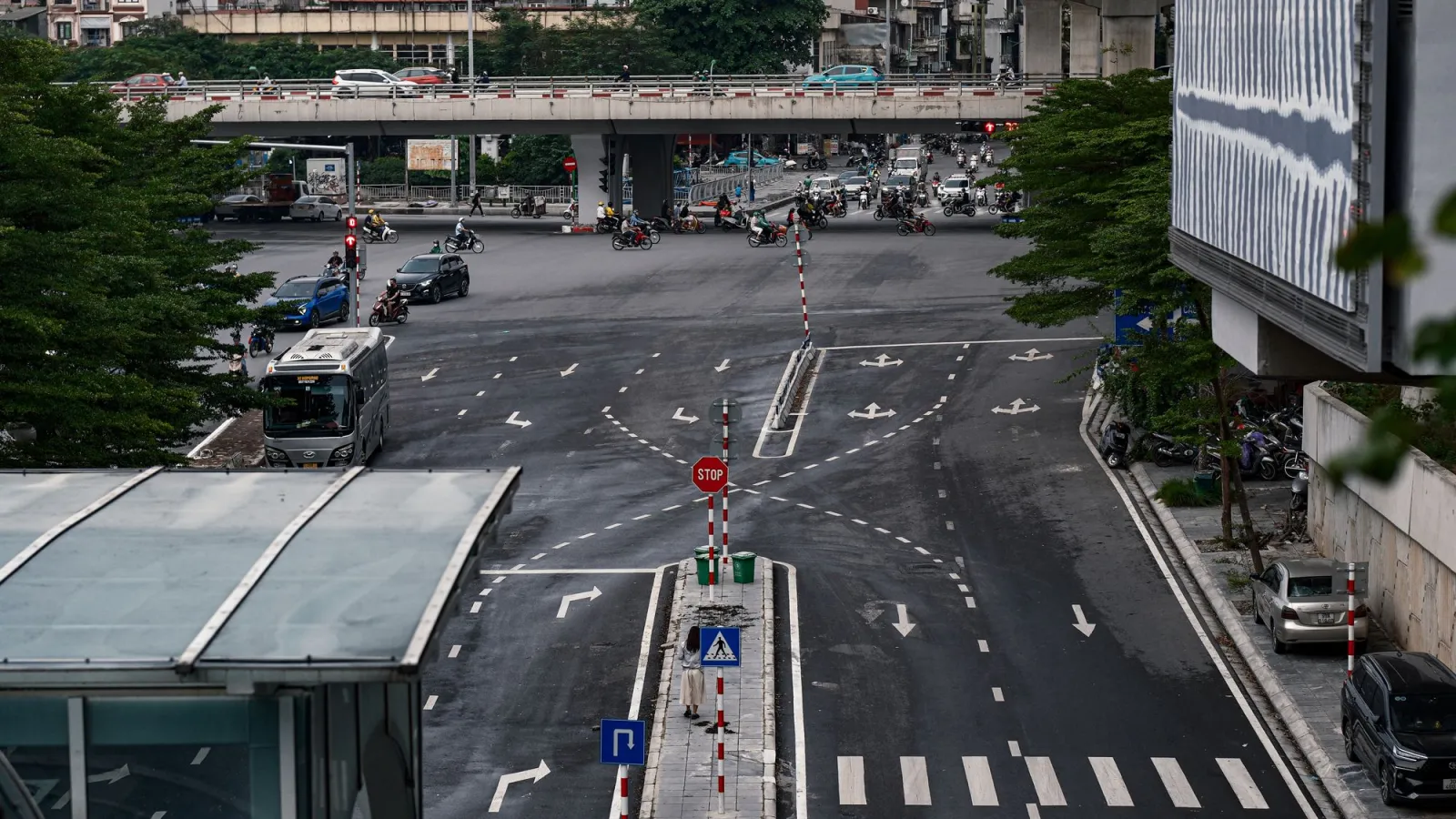
Whether lane splitting is lawful depends on the state and the circumstances of the ride. States may allow it, restrict it, prohibit it, or leave parts of the issue unclear, so a general online description may not answer what rules applied at the crash location.

The details can matter: the roadway, traffic conditions, the way the motorcycle moved between lanes, and any relevant traffic controls may be part of the analysis. Even where lane splitting is restricted, that fact alone may not answer every question about how a collision happened or whether another road user contributed.
For a broader overview of motorcycle crash claims, see Motorcycle Accidents. For a collision involving a vehicle changing lanes, Lane-Change Motorcycle Accidents may provide useful context. Neither a general article nor an insurer’s initial position replaces a review of the law that applies to your particular location.
How is fault assessed after a lane-splitting crash?
Fault is assessed by looking at the available evidence and the applicable state rules, not simply by labeling the rider’s position as lane splitting. The review may consider how each person moved, what each could see, the timing of the collision, and whether an action contributed to the impact.
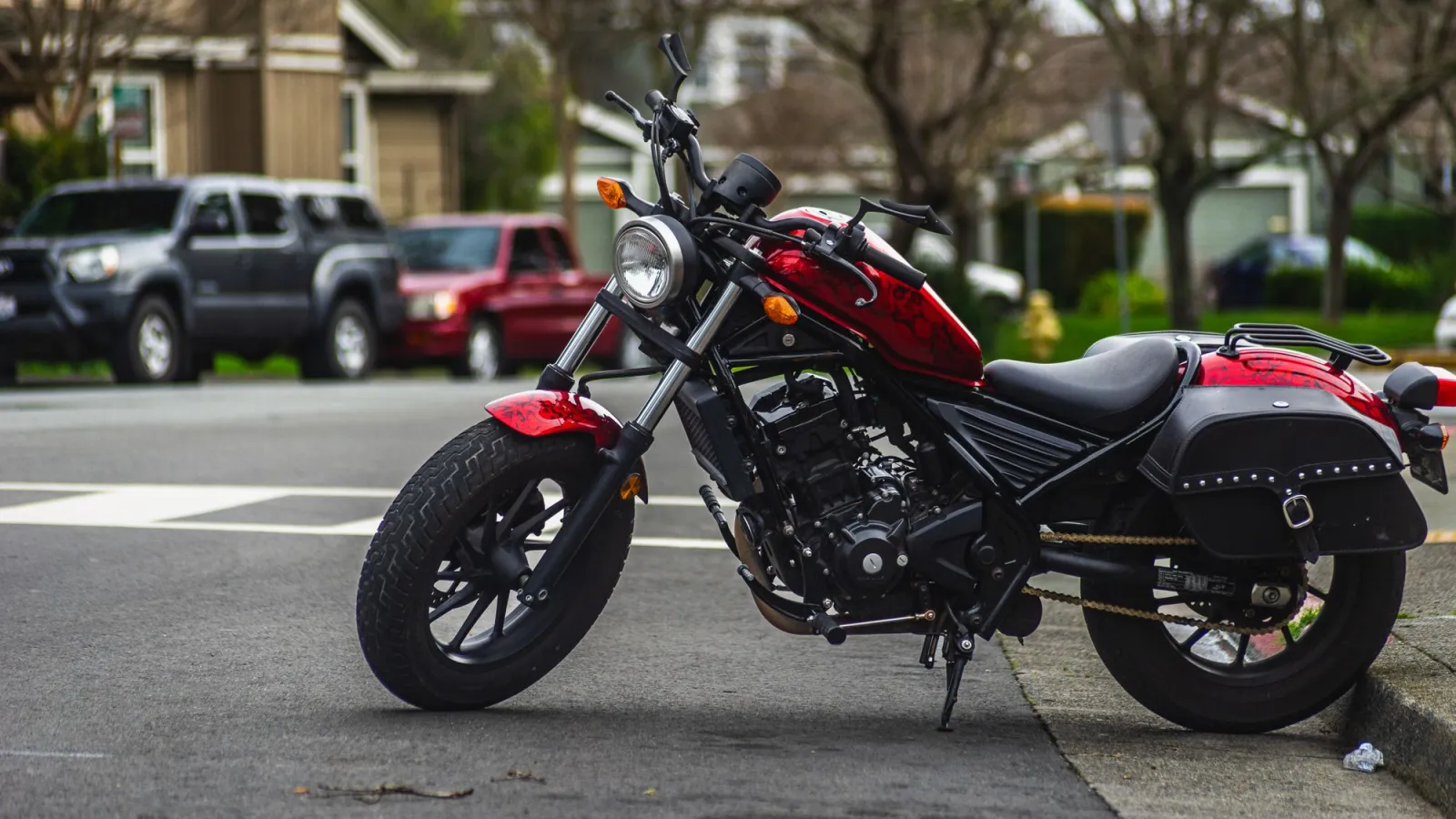
For example, investigators may examine whether a driver moved into the motorcycle’s path, whether the rider had room to respond, and whether either person’s movements were consistent with traffic conditions. These are questions to investigate, not conclusions that can be drawn from the collision alone. A crash report may record observations, but it may not resolve every disputed detail.
State law can also determine how fault is assigned when more than one person may have contributed. Depending on that law, a finding about your share of responsibility may affect your ability to recover or the amount available. An insurer’s fault decision is not necessarily the final legal assessment, especially when evidence is incomplete or accounts conflict.
Can a driver be liable if the motorcycle was lane splitting?
A driver may still bear responsibility if evidence shows that the driver’s actions contributed to the collision, even when the motorcycle was traveling between lanes. The rider’s conduct and the driver’s conduct are separate parts of the factual review; one does not automatically erase the other.

Relevant issues may include whether a vehicle moved across the motorcycle’s path, whether the driver could see the rider, and whether the driver’s movement or timing played a role. The rider’s speed, visibility, position, and available opportunity to avoid the crash may also be examined. The evidence must support the account of what happened; assumptions based on stereotypes about motorcyclists do not establish the facts.
If the collision involved a car and motorcycle, Motorcycle and Car Collisions explains related issues. Keep in mind that the specific legal duties and fault rules depend on the location and circumstances. A careful review should consider all involved road users rather than treating lane splitting as the only relevant fact.
Does lane splitting automatically prevent you from recovering compensation?
No single label about lane splitting automatically settles whether you can recover compensation. The result depends on the law where the crash happened, the evidence about how it occurred, and how state law treats fault shared among people involved.
In some places, a person’s own share of fault may reduce recovery; in others, the rules may limit recovery differently. The details and legal effect vary, so avoid assuming that an insurer’s statement about your lane position is the final answer. It may be important to understand what evidence supports that position and whether other contributing conduct was considered.
An insurer may ask for a recorded account, medical information, or other documentation while assessing a claim. You can ask what facts and rules the insurer is relying on, and take time to understand a document before agreeing to it. Keep copies of communications and claim materials. If fault is disputed, a focused review of the collision facts and applicable state law can help you understand the issues involved.
What evidence can help explain how the crash happened?
Evidence that records the roadway, vehicle movements, and timing may help explain a lane-splitting collision. Preserve what you can safely access, because images and recordings can provide context that may be difficult to recall later.

Useful material may include photographs of the scene, motorcycle and vehicle damage, lane markings, traffic controls, and visible road conditions. Helmet-camera, vehicle-camera, or nearby surveillance footage may exist, but it can be overwritten or otherwise become unavailable. Witness names and contact details, the police report, and relevant messages or insurer correspondence may also help establish what happened.
Write down your own recollection while it is fresh, separating what you directly remember from what someone later told you. Keep records of medical visits and expenses, and save damaged riding gear if available. Do not alter original files; retain copies and note where they came from. Organized records can make it easier to identify disputed facts and assess competing accounts.
- Save photographs, recordings, and documents in their original form.
- Record witness contact information and where any video may be held.
- Keep crash, medical, and insurance records together.
How can you respond to an insurer’s lane-splitting argument?
You can ask the insurer to identify the evidence and legal basis for its position before accepting its conclusion about fault. A clear explanation may show whether the dispute concerns the rider’s conduct, the driver’s actions, the applicable law, or missing information.

Compare the insurer’s account with the crash report, photographs, witness statements, and any available video. Correct factual errors with supporting information when possible, and keep copies of what you send. Be accurate when describing the crash; do not guess about speed, distance, or timing if you do not know. If you are asked to sign a release or accept an offer, understand what the document covers and what rights it may affect.
A claim review can consider liability alongside documented injuries, treatment, and other losses. The insurer’s assessment is not a court ruling, and an unresolved disagreement may require further evaluation under state law. If your injuries or the fault dispute are significant, a legal consultation can help you understand the process and the issues specific to your situation without assuming that a claim will succeed.
Which state-law differences can affect a lane-splitting claim?
State law can change both whether lane splitting is permitted and how fault affects a claim. States may also differ in filing deadlines, notice requirements, rules for shared fault, and limits on certain damages. Those rules can depend on who is involved and the type of claim, so a general explanation cannot establish which requirements apply to your accident.

Because no state or crash location is specified here, this guide cannot identify a particular deadline or rule. Confirm the law for the place where the crash occurred and consider whether any notice or filing requirement may apply. Keep relevant documents and dates organized while you seek a location-specific review.
Frequently Asked Questions
What if the police report says I was lane splitting?
A police report can be relevant, but it may not include every detail or resolve disputed questions of fault. Review its factual statements against photographs, witness accounts, video, and other available information. The applicable state law also matters.
Should I give the other driver’s insurer a recorded statement?
You may be asked to provide a statement, but you can first ask what information is being requested and how it will be used. Be accurate and avoid guessing about details you do not remember. Consider getting a legal review if you are unsure about the request or the questions.
Can helmet-camera video help with my claim?
It may help show traffic conditions and movement before a collision, depending on its quality and what it captures. Preserve the original recording and note when and how it was made. Video is one piece of evidence and may need to be considered with other records.
What if there were no witnesses?
A claim may still be assessed using other evidence, such as vehicle damage, photographs, scene conditions, crash records, and available recordings. The absence of a witness does not itself establish who was at fault. The strength of the available evidence will depend on the circumstances.
Does an insurer’s fault decision settle my legal claim?
An insurer’s decision reflects its assessment of the claim and is not necessarily a final determination by a court. You can ask what evidence and rules support the decision and compare them with the available records. Disputes may require further review under the law that applies.
Next Steps
If you have questions about fault, state rules, or an insurer’s position, request a consultation to discuss the facts of your crash. A case evaluation can help identify what information may be relevant and what issues to clarify next.

Related Articles

Rideshare Accidents Involving Food Delivery Drivers
A crash involving a rideshare driver and a food delivery driver can raise questions about fault, app status, and which insurance policies may apply. Learn what evidence can help clarify your options.
Arbitration Clauses in Rideshare Terms of Service
A rideshare arbitration clause may affect how you pursue certain injury claims, but its reach depends on the agreement, the parties, and the facts. Learn what to check after a crash.

Robotaxi and Driverless Ride Accidents: Liability Questions
Responsibility for a robotaxi crash depends on what caused it and who had a role in the vehicle’s operation, design, or upkeep. Learn which evidence may help clarify your options.
