


In this article
- Does jaywalking automatically prevent a pedestrian accident claim?
- What do you need to show to support a claim?
- How can your share of fault affect the claim?
- What evidence can help explain what happened?
- What losses may be considered in a pedestrian claim?
- What can you do after a jaywalking-related pedestrian crash?
- Which state rules can affect a jaywalking claim?
- Frequently Asked Questions
- Next Steps
Jaywalking does not automatically prevent you from making a pedestrian accident claim. A claim may still be possible if the driver’s actions contributed to the crash, but your own conduct can affect how fault is assigned and whether compensation is available. The outcome depends on the evidence and the rules that apply where the collision happened.
Key Facts
- Jaywalking alone does not determine who caused a pedestrian crash.
- Evidence about the driver’s conduct and the collision can affect fault.
- State rules differ on how a pedestrian’s share of fault affects recovery.
- Photos, witness details, and medical records may help document what happened.
- Deadlines and other claim rules vary by state.
Does jaywalking automatically prevent a pedestrian accident claim?
No, jaywalking does not automatically prevent you from bringing a pedestrian accident claim. A driver may still have contributed to a crash through actions such as failing to watch for pedestrians, driving too fast for conditions, or not responding to a visible hazard. The specific facts matter more than the label applied to your crossing.
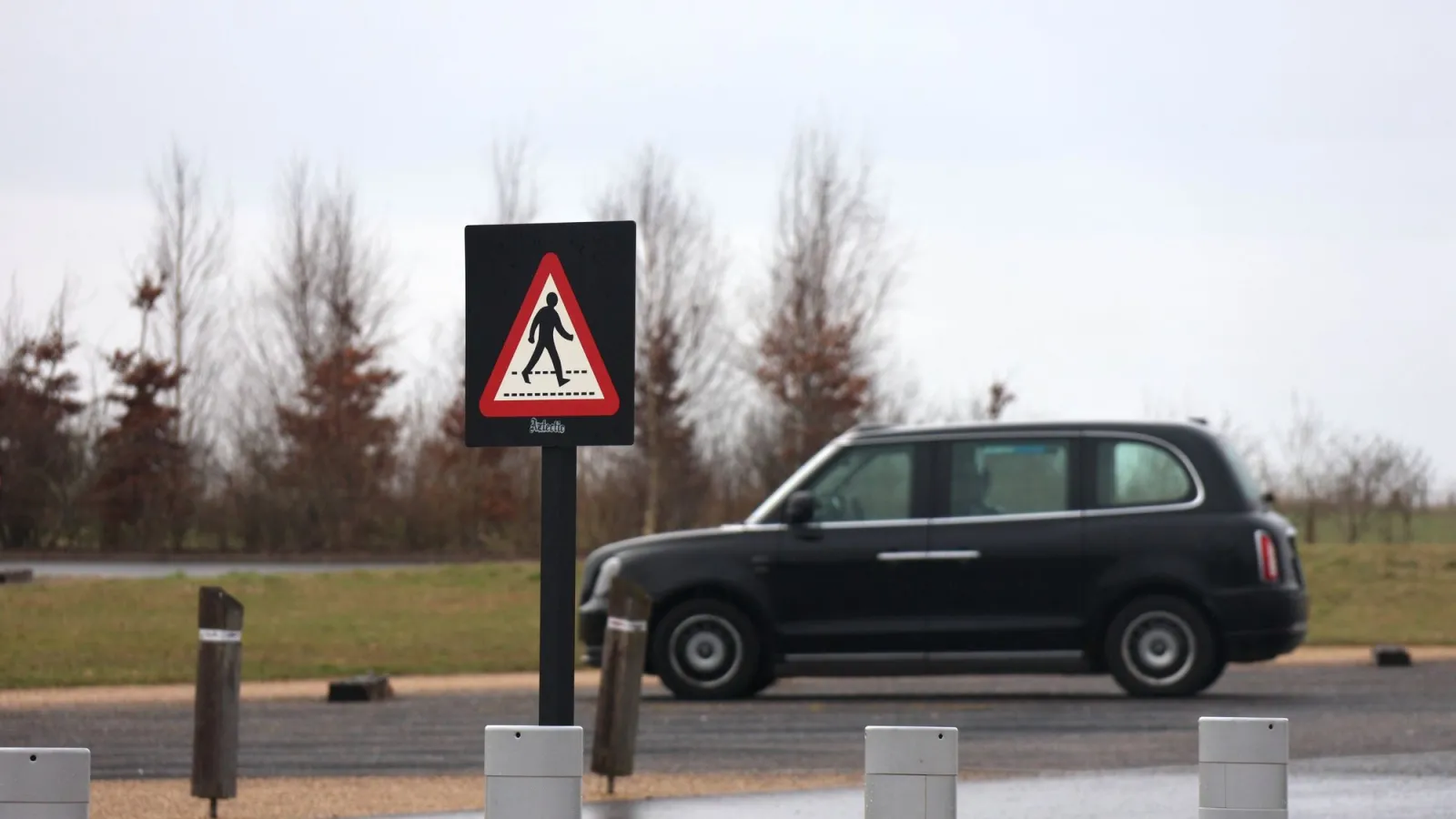
Your crossing location and conduct can still be important. Investigators may consider whether you crossed between intersections, entered the roadway suddenly, obeyed a signal, or were visible to the driver. They may also look at the driver’s speed, attention, and opportunity to avoid the collision.
A claim involving a crossing outside a marked crosswalk can raise different factual questions from a case involving Crosswalk Accidents. But the absence of a marked crosswalk does not, by itself, answer whether the driver acted carelessly or whether your conduct contributed to the crash. If you are assessing a Pedestrian Accidents claim, focus on the full sequence of events and the available evidence.
What do you need to show to support a claim?
A pedestrian accident claim generally requires evidence connecting the driver’s conduct to the collision, your injuries, and the losses you experienced. The precise legal requirements vary, but a claim often turns on whether the driver failed to use reasonable care and whether that failure played a part in causing harm.

Relevant facts may include where you crossed, what the driver could see, the traffic and lighting conditions, and whether either person had time to react. For example, a driver’s failure to notice a pedestrian may matter even if the pedestrian was not crossing at a marked location. Conversely, evidence that a person entered the roadway unexpectedly may affect how the collision is evaluated.
You do not have to resolve every factual disagreement on your own before asking about your options. Records, photographs, witness accounts, and the vehicles’ positions may help clarify competing descriptions. For crashes near a junction, the circumstances may resemble those involved in Intersection Pedestrian Accidents, where signals, turning movements, and sightlines can be relevant. An assessment depends on the particular evidence, not just a brief description of the incident.
How can your share of fault affect the claim?
Your share of fault can affect a pedestrian accident claim, but the effect depends on the law that applies in the state where the crash occurred. Some states reduce a person’s potential recovery based on that person’s share of responsibility; other rules may restrict or bar recovery in certain circumstances. There is no single nationwide approach.

Fault is not necessarily all-or-nothing. The driver and pedestrian may each have contributed in different ways, and the evidence may support more than one account of the collision. A conclusion that you crossed improperly does not automatically establish that you caused the crash or that the driver bears no responsibility.
Insurers may emphasize your crossing conduct when evaluating a claim. Their position is not the same as a final legal determination, and the available evidence may support a different assessment. Avoid relying only on an early assumption about fault; consider the whole scene, the driver’s actions, and any independent accounts. Because fault rules vary, a local review can help explain how the rules apply to the facts you have.
What evidence can help explain what happened?
Evidence that records the scene, the collision, and your injuries can help explain how the crash happened and who may have contributed to it. Useful information can include photographs, witness contact details, a police or incident report if one exists, medical records, and notes about your recollection while it is fresh.
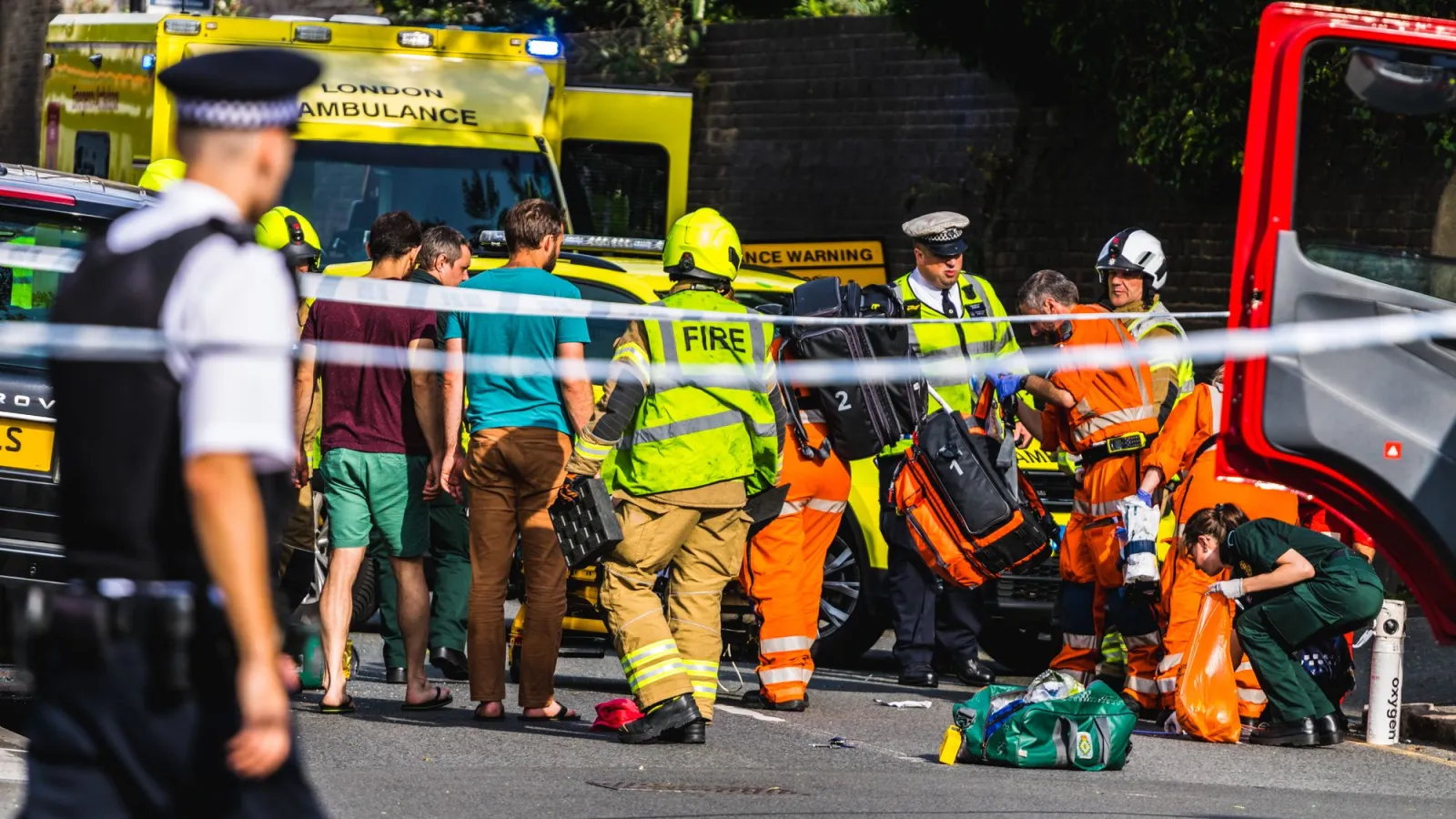
If you can do so safely, keep copies of photographs showing the crossing area, traffic signals, lighting, road conditions, and any visible damage. Write down what you remember about the driver’s direction, the vehicle’s movements, and what happened immediately before impact. Do not alter or discard messages, records, or other materials related to the incident.
Ask witnesses for their names and contact information, but do not pressure them to adopt a particular account. Medical records can document your treatment and symptoms; follow-up care may also create a clearer record of how your condition develops. Preserve communications with insurers and keep a record of calls. Video footage or other scene evidence may not remain available indefinitely, so prompt attention to preserving it can matter.
What losses may be considered in a pedestrian claim?
A pedestrian accident claim may involve losses related to your injuries, but what can be claimed and what may be recoverable depends on the facts and state law. The nature of the injury, the treatment you receive, the effect on your work and daily activities, and the evidence supporting each loss can all matter.

Records of medical care and related expenses may help document injury-related costs. If the collision affected your ability to work, employment and wage records may help show that impact. Notes about pain, limitations, and changes to everyday activities can also help describe effects that are not captured by bills alone.
Do not assume that an insurer’s initial description of your losses covers every relevant impact. At the same time, avoid treating an estimate as certain before the available information is reviewed. Rules about damages, including possible limits and how fault affects recovery, differ by state. The strength of any claim depends on support for the losses as well as evidence about how the collision occurred.
What can you do after a jaywalking-related pedestrian crash?
After a jaywalking-related crash, prioritize your immediate safety and preserve information that may help explain the collision. If you are injured, seek appropriate medical care and follow the instructions of your medical providers. Keep records of treatment and any symptoms or activity limits you experience.
If it is safe and practical, take these steps:
- Record the location, conditions, and your recollection of the events while they are fresh.
- Save photographs, witness contact details, reports, and relevant communications.
- Keep receipts and records related to treatment, time away from work, and other injury-related effects.
- Be accurate when communicating with insurers, and do not guess when you are unsure of an answer.
You can ask an attorney to review the available information and explain how local fault rules may affect your options. An early review may also help identify records or footage that could be lost with time. If you want a case-specific assessment, request a Consultation and bring the information you have gathered.
Which state rules can affect a jaywalking claim?
State law can affect how jaywalking is evaluated and what options may be available after a pedestrian crash. Rules differ on how a pedestrian’s share of fault affects recovery, what deadlines apply, whether damages are limited, and whether special notice requirements apply in particular situations.

The crossing rules and the way fault is assigned can also depend on the location and circumstances of the collision. Because no state was specified here, this guide cannot identify the rules or deadlines that apply to your situation. A local review can help you understand which state’s law governs and whether any time-sensitive requirements may apply.
Frequently Asked Questions
Can a driver still be responsible if I crossed outside a crosswalk?
Possibly. The driver’s actions, your visibility, traffic conditions, and the timing of the crossing may all be relevant. Crossing outside a crosswalk does not alone establish that the driver had no responsibility.
Should I speak with the driver’s insurance company?
You may receive questions from an insurer, and you should be accurate in any communications. If you are unsure how a question may affect your claim, you can ask for time to review the request or seek an explanation of your options.
What if there were no witnesses?
A claim may still be assessed using other evidence, such as photographs, reports, medical records, vehicle damage, and available video. The absence of an independent witness does not by itself determine fault.
Do I need medical records to make a claim?
Medical records can help document your injuries, treatment, and symptoms. Keep records of care you receive and describe your symptoms accurately to your medical providers.
When should I check the deadline for a claim?
Deadlines vary by state and may depend on the parties and circumstances involved. Because missing a deadline can affect your options, ask for a prompt deadline check rather than relying on a general guide.
Next Steps
If you were hurt while crossing outside a crosswalk, request a free case evaluation to discuss the facts, evidence, and state rules that may affect your options. You can also ask for a review of an insurance offer or a deadline check. Request a free case evaluation

Related Articles

Rideshare Accidents Involving Food Delivery Drivers
A crash involving a rideshare driver and a food delivery driver can raise questions about fault, app status, and which insurance policies may apply. Learn what evidence can help clarify your options.
Arbitration Clauses in Rideshare Terms of Service
A rideshare arbitration clause may affect how you pursue certain injury claims, but its reach depends on the agreement, the parties, and the facts. Learn what to check after a crash.

Robotaxi and Driverless Ride Accidents: Liability Questions
Responsibility for a robotaxi crash depends on what caused it and who had a role in the vehicle’s operation, design, or upkeep. Learn which evidence may help clarify your options.
