

In this article
- What evidence can show who ran the red light?
- How can you preserve video and other time-sensitive evidence?
- How do witness accounts and driver statements affect the investigation?
- What can vehicle damage and crash-scene details establish?
- What if the drivers disagree about the signal?
- How can you organize evidence for an insurance claim?
- How can state law affect a red-light crash claim?
- Frequently Asked Questions
- Next Steps
To prove who ran a red light, gather evidence that shows the signal and each vehicle’s movements at the moment of impact. Witness accounts, traffic or nearby business video, vehicle damage, photographs, and official records may help. No single item automatically establishes fault, and conflicting evidence can make the investigation more difficult.
Key Facts
- A driver’s account is only one piece of evidence about the signal.
- Video may be overwritten or deleted, so prompt preservation requests can matter.
- Witnesses may recall vehicle movements and signal colors, but memories can differ.
- Damage patterns and roadway evidence can help investigators assess how a crash happened.
- Fault rules and claim procedures vary by state.
What evidence can show who ran the red light?
Evidence that records or helps reconstruct the vehicles’ movements can show who entered the intersection against a red light. Useful sources may include traffic-camera footage, nearby business or doorbell video, dashcam recordings, independent witness accounts, photographs, and physical evidence from the scene.
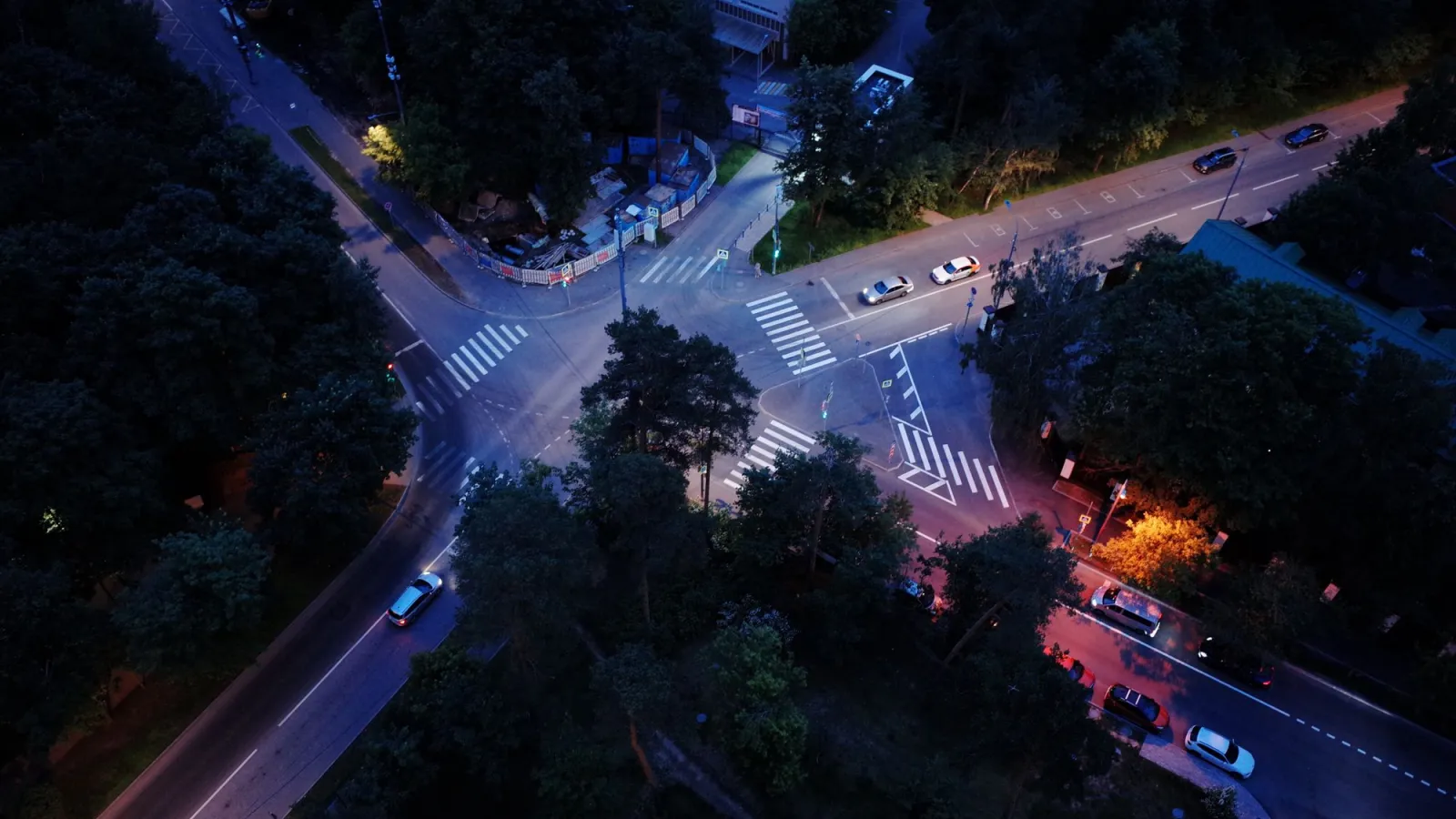
A complete picture often comes from comparing several sources rather than relying on one person’s recollection. For example, video may show vehicle positions but not the signal itself; a witness may remember the signal but have a limited view of the approach. Damage locations, debris, skid marks, and the final positions of vehicles can help assess whether the accounts fit the physical scene.
The signal’s operating records or timing information may also be relevant in some investigations. Whether those records are available, who maintains them, and how they can be obtained depend on the location and circumstances. An investigation may consider these details alongside other evidence, not as automatic proof of fault.
For an overview of related collision issues, see Intersection Accidents. The strength of a claim depends on the evidence available and how consistently it supports a version of events.
How can you preserve video and other time-sensitive evidence?
You can help preserve evidence by documenting what exists and making prompt, specific requests to the people or organizations that may control it. Some cameras record over older footage, and a private owner may not know that a recording could matter unless someone contacts them.
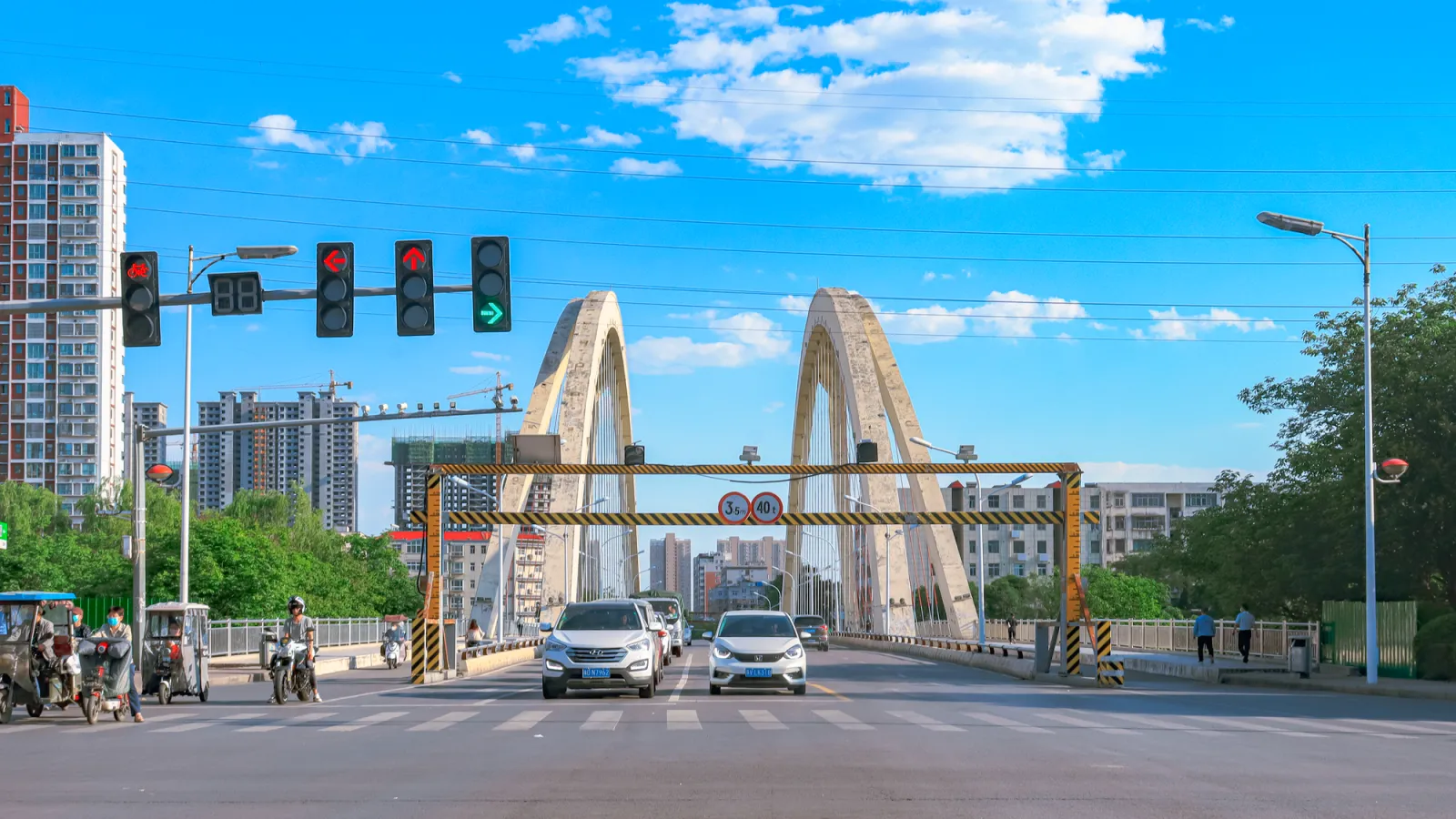
Start by noting the exact intersection, each vehicle’s direction of travel, and the approximate time of the collision. Photograph the signal, lanes, signs, sight lines, vehicle damage, debris, and any nearby cameras when it is safe to do so. Keep original photos and recordings when possible, and avoid editing the files.
Then identify possible sources: traffic-management agencies, nearby businesses, homes, transit vehicles, or vehicles with dashcams. A request can ask the owner to preserve relevant footage from the location and time period, but it does not necessarily require the owner to provide a copy. Be polite and keep a record of whom you contacted and when.
Also retain relevant messages, repair records, and claim correspondence. Avoid posting detailed theories about fault online; comments may be incomplete or misunderstood outside their context. If you need help with the broader process after a crash, the Car Accidents page explains common issues that can arise in these claims.
- Write down the location, time, travel directions, and possible camera locations.
- Save original photos, videos, and messages in a secure place.
- Contact likely video owners promptly and ask them to preserve relevant footage.
- Keep a record of requests and any responses.
How do witness accounts and driver statements affect the investigation?
Witness accounts can help establish what each vehicle did and which signal was visible, particularly when a witness had a clear view of the intersection. Their usefulness depends on where they were, what they could see, and how well they remember the event. A passenger may have relevant information too, though an insurer or investigator may consider their relationship to a driver when weighing the account.
If someone witnessed the crash, ask for their name and contact information without pressuring them to agree with your version. Write down what you personally remember as soon as practical, including where you were looking and what you saw before impact. Keep direct observations separate from conclusions; “the other car entered from my left” is different from “the other driver ran the red light.”
Be accurate and consistent when speaking with insurers or investigators. If you do not remember a detail, say so rather than guessing. A statement made while shaken or without a clear view may not capture the whole event, and later evidence can clarify or challenge an early account.
For more on crashes involving signal and stop-control disputes, review Red-Light and Stop-Sign Accidents. Witness evidence is strongest when it can be checked against recordings, photographs, and the physical scene.
What can vehicle damage and crash-scene details establish?
Vehicle damage and scene details can help explain how the collision occurred, but they do not always identify who had a green light. Investigators may examine the locations and direction of damage, vehicle positions, debris, tire marks, roadway layout, and visibility to see whether the evidence fits the drivers’ accounts.
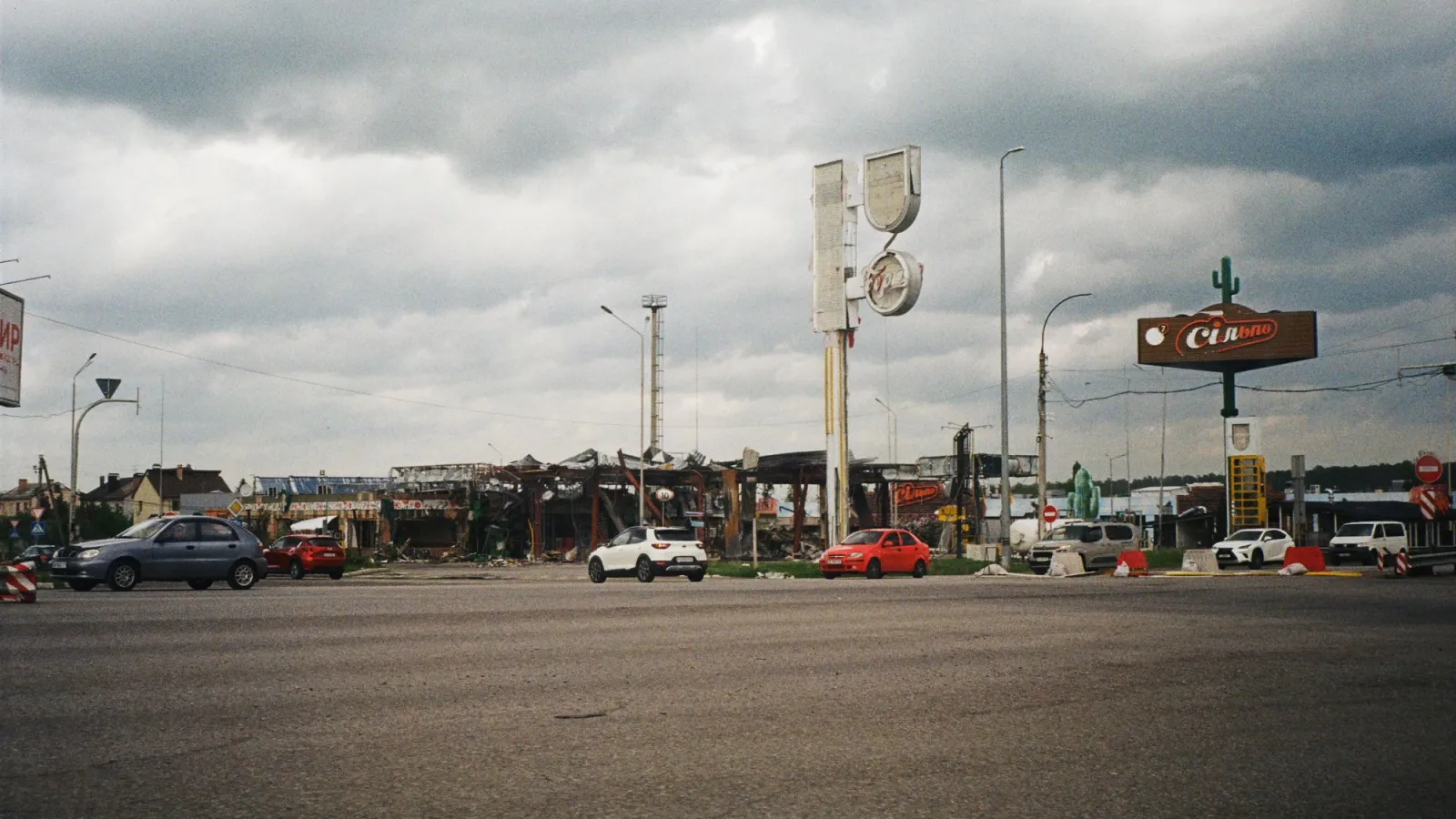
Photograph damage from several angles, including close views and wider images that show where it is on the vehicle. If you can do so safely, record the intersection layout, lane markings, signal placement, obstructions, lighting, and weather conditions. Do not enter traffic or disturb evidence to get a picture.
Repair estimates, inspection records, and vehicle data may also be considered, depending on what is available and relevant. Such information can help assess speed, movement, or impact, but it may not directly record the traffic signal. A technical interpretation may require qualified analysis, and different evidence can support more than one explanation.
Keep damaged parts or related records available if an insurer or investigator asks to inspect them. Before disposing of a vehicle or authorizing significant repairs, consider whether an inspection may be requested and ask how to document its condition. The purpose is to preserve useful information, not to treat any single mark as conclusive proof.
What if the drivers disagree about the signal?
When drivers give conflicting accounts, fault may depend on the whole evidence record rather than on which person speaks more confidently. An insurer may compare statements with witness observations, video, scene photographs, vehicle damage, official reports, and any other reliable information available.
An officer’s report can document observations, statements, and scene details, but it may not contain a final determination of civil fault. Ask how to obtain the report through the appropriate agency, and check it for factual errors. If something is incorrect, provide a clear, factual explanation and any supporting material rather than assuming the report can be changed on request.
Insurers may reach different conclusions based on the evidence they receive and the rules that apply. Preserve your own records and keep copies of communications, claim documents, and evidence submissions. If an insurer disputes your account or makes an offer, ask what evidence and reasoning support its position before deciding how to respond.
A disagreement does not by itself show that you have no claim, nor does an initial decision settle every possible question. A review can consider whether important footage or witnesses were missed and whether the available evidence was interpreted consistently. The outcome depends on the particular facts and applicable law.
How can you organize evidence for an insurance claim?
You can make the claim easier to assess by organizing evidence in a clear timeline and keeping original records. A concise account of what happened, supported by labeled photographs and identified witnesses, can help an adjuster understand the sequence without confusing observations with assumptions.
Keep a folder with the crash report, claim number, insurer contacts, photographs, video, witness details, medical and repair records, and copies of any preservation requests. Note when and where each photo or recording was made. Keep a copy of anything you send, and use a method that confirms delivery when possible.
When speaking with an adjuster, answer questions truthfully and avoid guessing about the signal, speed, or distance if you do not know. You can ask what evidence the insurer has reviewed and whether it has tried to obtain nearby video. If you receive an offer or fault decision, compare its explanation with the evidence you have collected.
If you want to discuss the evidence and possible next steps, you can request a Consultation. An evaluation can help you understand what information may still be needed, but no review can promise a particular result.
How can state law affect a red-light crash claim?
State law can affect how fault is evaluated, what damages may be available, and how long you have to take certain steps. Rules can also differ for claims involving a government agency, including notice requirements, so the location and parties involved may matter.
Because no state is specified here, this guide cannot identify the rules or deadlines that apply to your situation. Deadlines may be short, and the relevant period can depend on the type of claim and who may be responsible. Confirm the applicable requirements promptly using reliable, state-specific information or a qualified legal professional.
Frequently Asked Questions
Does a police report prove which driver had the green light?
A report may include observations, statements, diagrams, or other useful details, but it may not conclusively establish which driver had the right of way. Review it alongside video, witness accounts, and physical evidence. If it contains a factual error, provide a clear explanation and supporting information to the relevant insurer or agency.
Can a nearby business refuse to share its video?
A private business may control its recordings and may not be required to provide them just because you request them. Promptly asking the business to preserve footage can still be useful because recordings may be overwritten. Keep a record of your request and response.
What if there were no witnesses to the crash?
A claim may still be assessed using other evidence, such as video, photographs, vehicle damage, scene details, and available records. The absence of an independent witness does not automatically resolve the fault question. How persuasive the remaining evidence is depends on the circumstances.
Can both drivers share responsibility for an intersection crash?
Depending on the evidence and applicable state rules, responsibility may be disputed or shared rather than assigned solely to one driver. Factors beyond the signal may also be considered, such as vehicle movements and the surrounding conditions. The effect of shared fault varies by state.
Should you give an insurer a recorded statement?
A request for a recorded statement is not the same as a legal requirement to provide one in every situation. The consequences can depend on who is requesting it, your policy, and the circumstances of the claim. You can ask what the statement will cover and how it may be used before responding.
Next Steps
If you are unsure whether the evidence supports a claim, request a free case evaluation to discuss the crash and available records. You can also ask for a review of an insurance offer or a deadline check based on the state and parties involved. Request a free case evaluation

Related Articles

Rideshare Accidents Involving Food Delivery Drivers
A crash involving a rideshare driver and a food delivery driver can raise questions about fault, app status, and which insurance policies may apply. Learn what evidence can help clarify your options.
Arbitration Clauses in Rideshare Terms of Service
A rideshare arbitration clause may affect how you pursue certain injury claims, but its reach depends on the agreement, the parties, and the facts. Learn what to check after a crash.
Robotaxi and Driverless Ride Accidents: Liability Questions
Responsibility for a robotaxi crash depends on what caused it and who had a role in the vehicle’s operation, design, or upkeep. Learn which evidence may help clarify your options.
