


In this article
- What does a trucking company’s insurer do after a crash?
- How does the insurer investigate a truck injury claim?
- How does the insurer assess responsibility and company involvement?
- How can you respond to an adjuster’s questions and requests?
- What should you consider before accepting an insurance offer?
- How can you keep your claim organized while the insurer reviews it?
- How can state law affect a trucking injury claim?
- Frequently Asked Questions
- Next Steps
A trucking company’s insurer typically investigates the crash, reviews information about responsibility and your injuries, and decides whether to make or negotiate an offer. The insurer represents its policyholder’s interests, so its evaluation may differ from yours. Keep records, be careful with statements and releases, and understand the offer before deciding how to respond.
Key Facts
- The insurer may contact you to ask about the crash and your injuries.
- Investigation can involve driver, vehicle, company, and crash-scene information.
- The insurer’s evaluation may change as evidence and medical information become available.
- A settlement release may affect your ability to pursue further compensation.
- Legal rules and deadlines depend on where the crash happened.
What does a trucking company’s insurer do after a crash?
A trucking company’s insurer investigates the reported crash, evaluates the company’s potential responsibility, and reviews the losses claimed by injured people. An adjuster may be assigned to gather information, communicate with the parties, and assess whether the insurer will make or negotiate an offer.

The insurer works for the policyholder, not for you. Its view of what happened, how much responsibility the company bears, and what your injuries are worth may not match yours. That difference does not by itself establish that either side is correct; it means the claim is being evaluated from separate perspectives.
A truck collision can involve more than a driver’s actions. The investigation may look at the trucking company’s hiring, supervision, or maintenance practices, depending on the facts. You can learn more about the types of issues that may arise in Truck Accidents, including claims involving a company as well as a driver.
The insurer may request records or ask you questions while you are still dealing with treatment and other consequences of the crash. You can keep communications organized and ask what information is being requested and why. A claim may take time to evaluate, particularly when responsibility, injuries, or the company’s role are disputed.
How does the insurer investigate a truck injury claim?
The insurer investigates by collecting and comparing information about the collision, the people and businesses involved, and the injuries being claimed. The exact work depends on the circumstances, and different insurers may use different methods.
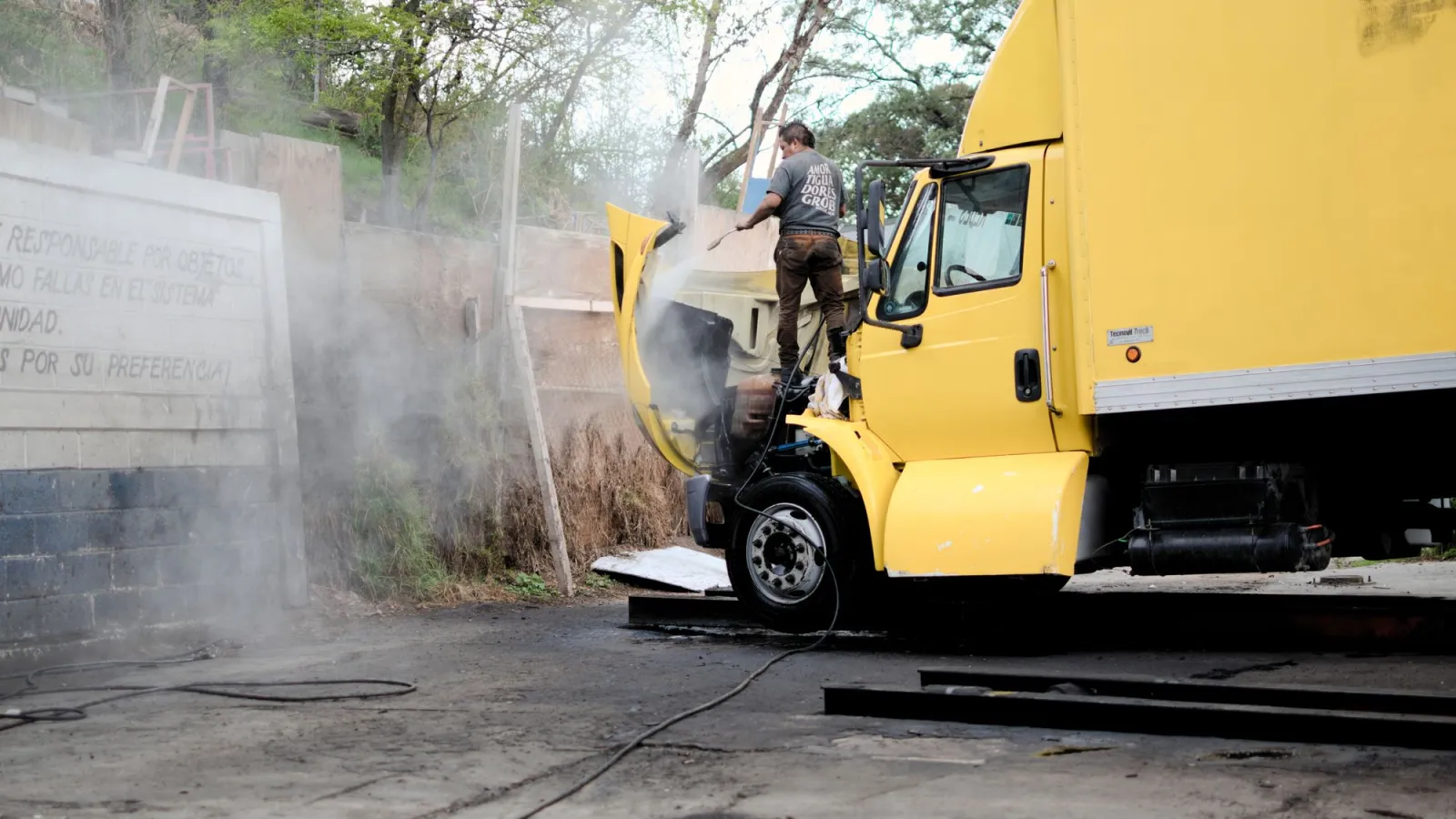
An adjuster may review crash reports, photographs, witness accounts, vehicle damage, and available records about the truck or driver. The insurer may also request medical records or bills to understand the reported injuries and treatment. These materials can help the insurer form an initial view, but early information may be incomplete or later supplemented.
In a commercial truck case, company records may be relevant. Depending on the facts, issues could include driver hiring or supervision, training, dispatch practices, or vehicle maintenance. A concern about maintenance may call for examining records or evidence related to the vehicle; Negligent Truck Maintenance Claims describes that type of issue. Records may be held by different people or businesses, so they are not always available to you directly.
If the insurer’s account conflicts with yours, note the specific disagreement and keep copies of relevant communications. Do not assume that an adjuster’s initial description is a final finding. Evidence can be reviewed as the investigation develops, and an insurer may revise its position when it receives additional information.
How does the insurer assess responsibility and company involvement?
The insurer assesses responsibility by comparing available evidence with the legal rules that apply to the claim. It may consider the driver’s conduct, the actions of other road users, and whether the trucking company’s own conduct contributed to the crash or your injuries.

A company’s potential role is not established just because it owns the truck or employs the driver. Relevant facts may include the company’s hiring and supervision decisions, the driver’s work-related conduct, or whether vehicle upkeep played a part. For example, concerns about a hiring decision may raise different questions from concerns about a vehicle defect. See Negligent Trucking Company Hiring Claims for more information about hiring-related allegations.
The insurer may dispute fault, argue that another party contributed, or conclude that the available evidence does not support a particular allegation. It may also investigate whether more than one person or business could be involved. Those are positions taken during claim evaluation, not a court’s final decision.
You can help keep the discussion grounded by preserving documents, photographs, and contact details for witnesses, and by correcting factual errors when you identify them. Avoid treating a preliminary insurance position as the only possible account of the crash. If important facts are contested, the evidence and applicable law matter.
How can you respond to an adjuster’s questions and requests?
You can respond more carefully by keeping communications factual, documenting requests, and taking time to understand what you are being asked to provide. An adjuster may request a conversation, documents, a recorded statement, or permission to obtain records; a request does not mean you need to respond without understanding its scope.

Before a conversation, write down the basic facts you recall and distinguish what you personally remember from what you learned later. If you do not know an answer, it is safer to say so than to guess. If you need to check a date, document, or medical detail, explain that you want to verify it before answering.
Organize your claim materials so you can track what was requested and what you sent. Keep copies of emails, letters, forms, and any documents you provide. Be especially attentive to broad medical-record requests or forms that may authorize the release of information beyond the crash-related care at issue.
You can use this sequence when a request arrives:
- Record the adjuster’s name, insurer, contact details, and the date of the request.
- Ask what information is requested, the purpose of the request, and whether there is a deadline to respond.
- Review any statement, authorization, or other document before signing or returning it, and keep a copy.
What should you consider before accepting an insurance offer?
Before accepting an offer, understand what it covers, what claims or parties it addresses, and what rights you may give up by signing a release. A payment can resolve some or all of a claim depending on the agreement’s terms, so the amount alone does not tell you whether the offer addresses your situation.

Compare the offer with the information you have about your injuries, treatment, expenses, missed work, and other losses. If treatment is ongoing or the effects of the injury remain uncertain, you may not yet have a complete picture of the consequences. An insurer may ask for supporting records, and you can keep a clear file of bills, appointment information, and other relevant documents.
Read proposed settlement documents closely. Pay attention to who is being released, which claims are covered, and whether the agreement includes terms beyond payment. Ask for an explanation of language you do not understand and take time to consider the effect before signing. Once a release is signed, it may limit your ability to seek additional compensation for the claims it covers.
You can ask the insurer to explain how it reached its offer and what information it considered. The insurer may not agree with your assessment, and it may not change its offer. If you are unsure about the terms or how they relate to your circumstances, an independent review can help you understand the document before making a decision.
How can you keep your claim organized while the insurer reviews it?
You can keep a claim organized by preserving relevant evidence, tracking expenses and treatment, and maintaining a clear record of communications with the insurer. Good organization can make it easier to answer questions accurately and identify what information is still missing.

Keep copies of photographs, crash-related documents, medical bills, explanations of benefits, and communications about time missed from work. A brief dated note about symptoms or changes in daily activities may help you remember details later. Store records securely and share only information relevant to the request you are addressing.
Write down when the insurer contacts you, what it requests, and how you respond. If you send documents, keep a copy and note what was included. If the insurer gives you a position or offer verbally, ask for the key terms in writing so you can review them carefully.
Company-related questions can make a truck claim more involved than a straightforward vehicle-damage dispute. For example, the investigation may need to distinguish a driver’s conduct from a company’s hiring, supervision, or maintenance decisions. If you want help understanding a claim or an insurance offer, you can request a Consultation to discuss the facts and the documents involved. The review can help identify questions to consider; no outcome can be promised.
How can state law affect a trucking injury claim?
State law can affect the deadlines and rules that apply to a trucking injury claim. Depending on where the crash occurred, rules may differ for filing deadlines, how fault is allocated, limits on certain damages, and notice requirements when a government entity may be involved.

These differences can affect how an insurer evaluates a claim and how much time is available to take required steps. The location of the crash, the parties involved, and the type of claim may matter. Do not assume that information from another state applies to your situation.
A deadline check can help clarify which rules may apply to your circumstances. If you are communicating with an insurer, keep track of any dates it gives you, but remember that an insurer’s requested response date may not be the same as a legal filing deadline.
Frequently Asked Questions
Can the trucking company’s insurer contact me directly?
An adjuster may contact you to ask about the crash, your injuries, or supporting documents. You can ask who the adjuster represents and what information is being requested. Keep a record of the contact and take time to review documents before signing them.
Does giving the insurer a statement mean I have settled the claim?
A conversation or statement is not necessarily a settlement. Settlement terms are generally documented separately, and a release may have important effects. Read any proposed agreement carefully before signing.
Why might the insurer ask for medical records?
The insurer may seek medical information to evaluate the injuries and treatment connected to the claim. Check the scope of any authorization before signing, because a request may cover more information than you intended to provide.
Can the insurer change its position after its first review?
An insurer may revise its evaluation as it receives additional evidence or information about injuries and losses. Its initial position is not necessarily its final one. Keep copies of new records you provide and note any changes in the insurer’s explanation.
What if more than one business or driver may be responsible?
The insurer may investigate the conduct of multiple people or businesses, and different insurers may become involved. Responsibility depends on the facts and applicable law. Keep records of communications from each insurer so you can distinguish their requests and positions.
Next Steps
If you have received an insurance offer or are unsure what the insurer’s request means, request a free case evaluation to review the documents and discuss possible next steps. You can also ask for a deadline check based on where the crash happened. Have an attorney review your insurance offer

Related Articles

Rideshare Accidents Involving Food Delivery Drivers
A crash involving a rideshare driver and a food delivery driver can raise questions about fault, app status, and which insurance policies may apply. Learn what evidence can help clarify your options.

Arbitration Clauses in Rideshare Terms of Service
A rideshare arbitration clause may affect how you pursue certain injury claims, but its reach depends on the agreement, the parties, and the facts. Learn what to check after a crash.

Robotaxi and Driverless Ride Accidents: Liability Questions
Responsibility for a robotaxi crash depends on what caused it and who had a role in the vehicle’s operation, design, or upkeep. Learn which evidence may help clarify your options.
