


In this article
- What factors determine a car accident claim’s value?
- How do medical costs and lost income affect claim value?
- How are pain and other personal effects considered?
- How can fault and insurance coverage change the amount?
- What records can help you assess an insurance offer?
- How can state law affect a car accident claim’s value?
- Frequently Asked Questions
- Next Steps
A car accident claim’s value depends on the losses connected to the crash, the seriousness and duration of your injuries, how clearly the evidence supports your account, and the insurance available. There is no standard payout or reliable shortcut; an estimate requires reviewing the specific facts, documents, and state rules.
Key Facts
- There is no standard amount for a car accident claim.
- Medical expenses and lost income can be part of a claim’s financial losses.
- The effects of an injury on daily life may also be considered.
- Fault rules and insurance coverage can affect how much compensation is available.
- Records and consistent evidence help explain the losses connected to a crash.
What factors determine a car accident claim’s value?
A claim’s value depends on the losses the crash caused, the evidence connecting those losses to the crash, and the insurance available. The injury’s severity, treatment needs, time away from work, and effect on everyday activities can all matter. No single factor sets the value by itself.
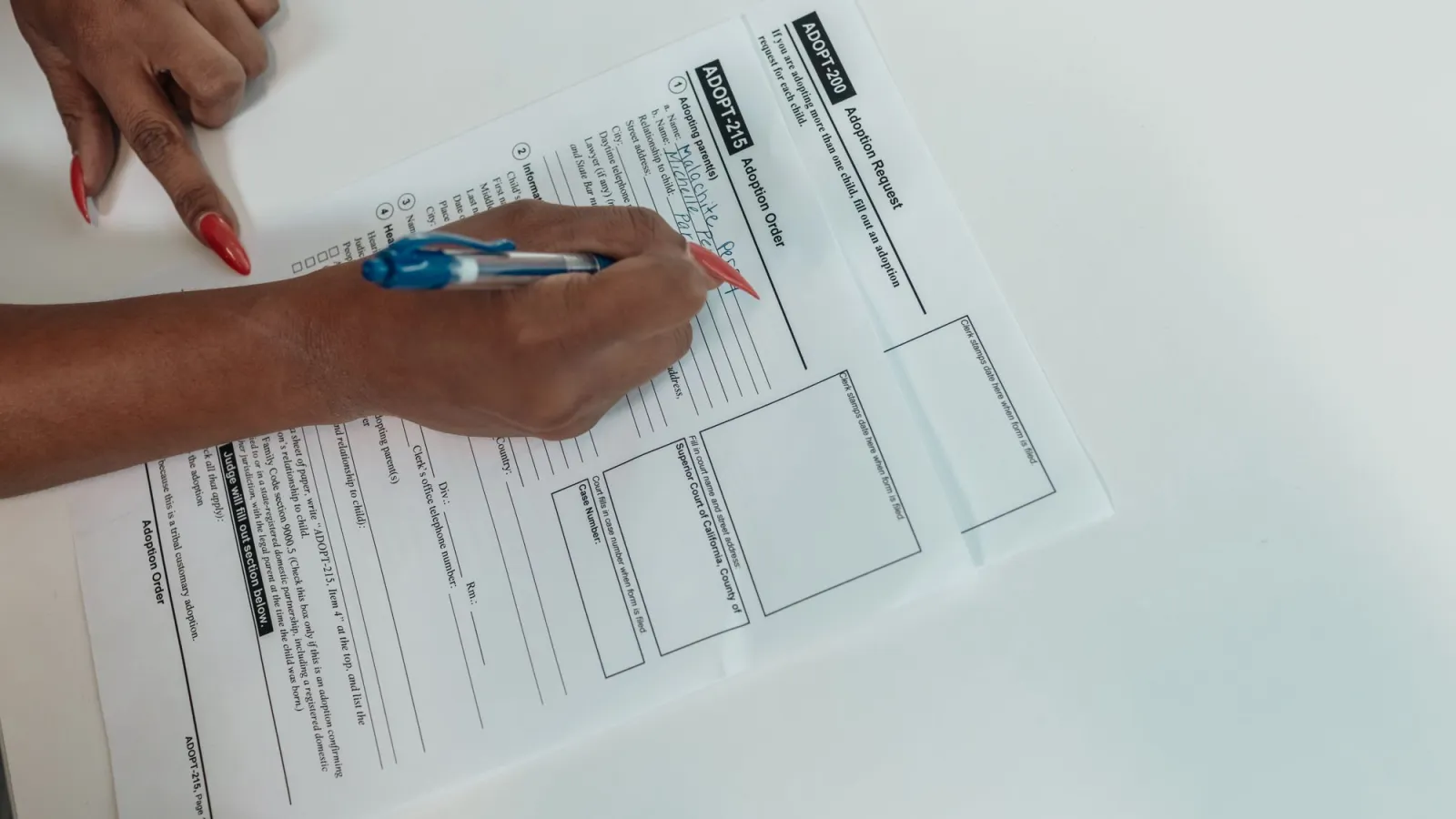
A claim may include financial losses, such as medical bills and income you could not earn, as well as nonfinancial effects, such as pain or limits on normal activities. The facts of each crash also matter. For example, evidence from a rear-end collision may include vehicle damage, witness accounts, and records of the events leading up to the impact.
The insurer may assess the evidence differently from you or your treating providers. The amount of available coverage can also limit what an insurer can pay, even when the losses appear substantial. A broad overview of crash claims is available in our guide to Car Accidents.
How do medical costs and lost income affect claim value?
Medical costs and lost income can help show the financial impact of a crash. Relevant medical expenses may include emergency care, follow-up visits, medication, rehabilitation, and other treatment related to the injuries. Records can also help explain why care was needed and how the injuries changed over time.

Lost income may include wages missed while you could not work. If an injury affects your ability to do your job or earn income in the future, records and qualified assessments may help explain that effect. The details depend on your work, the injury, and the evidence available; an estimate should not assume that every claimed loss will be accepted.
Keep documents that connect the costs and work changes to the crash. Useful records may include bills, payment statements, appointment information, pay records, and written information from an employer about missed work. If treatment or symptoms continue, keep an organized record of changes and follow-up care. Clear records make it easier to review what has been incurred and what may still need assessment.
- Collect bills, receipts, and records of medical care related to the crash.
- Keep pay records and information about time missed or changes to your work.
- Note expenses or work effects that are continuing, and retain supporting documents.
How are pain and other personal effects considered?
A claim may account for effects that do not appear as a bill, including pain, discomfort, and limits on everyday activities. These effects can be difficult to value because they are personal and may change over time. Their significance depends on the injury, its duration, and how it affects your life.

Records can help describe those effects without reducing them to a formula. Medical notes may document symptoms and limitations, while your own account can explain what activities became harder, whether you needed help, or how your usual routine changed. Information from people who have observed those changes may also provide context.
Descriptions should be accurate and consistent with the available records. A short, regular note of symptoms and activity limits may be more useful than trying to recreate everything much later. An insurer may challenge how an injury relates to particular difficulties, so the connection between the crash, the symptoms, and the effect on daily life matters.
- Record changes in ordinary activities, such as household tasks, exercise, or sleep.
- Keep notes focused on what you experienced and when, rather than guessing at a monetary value.
- Save relevant treatment records and other documents that show ongoing effects.
How can fault and insurance coverage change the amount?
Fault rules and insurance coverage can affect whether compensation is available and how much may be recoverable. An insurer may investigate who contributed to the crash, and the evidence could include reports, photographs, witness accounts, and vehicle or roadway conditions. The effect of shared fault varies under state law.

The available insurance matters too. A responsible driver’s policy may have limits, and other coverage may or may not apply depending on the people involved and the policy terms. A claim’s estimated losses and the amount that can be collected are not always the same.
The cause of a crash may involve more than one factor. In some situations, roadway design or maintenance may be relevant, as discussed in Defective Road Design Accident Claims. Identifying potentially responsible parties and applicable coverage requires reviewing the facts and policies; it cannot be determined from the type of crash alone.
What records can help you assess an insurance offer?
A careful review of an offer compares it with the documented losses, the evidence about fault, and the coverage available. A number on its own does not show whether an offer accounts for the full situation. The review may also need to consider ongoing treatment or losses that have not yet been fully assessed.

Organize the materials that explain the crash, your injuries, and their financial and personal effects. These may include photographs, witness details, medical records, bills, work information, and communications from the insurer. Keep copies of documents and note when you receive or send important correspondence.
Before deciding how to respond, read the offer and any release carefully. A release may affect the ability to seek additional compensation for the same crash, depending on its terms and applicable law. If you are unsure what an offer covers, a review of the documents can help clarify the issues and identify questions about valuation, coverage, or timing.
- Gather the offer, any release, and insurer correspondence.
- Compare the offer with documented medical expenses, work losses, and other effects.
- Identify unresolved questions about future care, fault, coverage, or state deadlines.
How can state law affect a car accident claim’s value?
State law can affect both the value of a claim and the time and process for bringing it. States may use different rules for shared fault, impose different limits on certain damages, or require notice when a claim involves a government entity. Deadlines also vary, so the applicable rule depends on where the crash occurred and the circumstances.

These differences can affect whether a claim may proceed, which losses may be considered, and how an insurer evaluates responsibility. The relevant rules may depend on who was involved, where the crash happened, and what kind of claim is being made. A general estimate cannot resolve those state-specific questions.
Keep any correspondence that refers to a deadline or required notice, and confirm which rules apply to your situation. Do not assume that the time available is the same everywhere or that discussions with an insurer change a legal deadline.
Frequently Asked Questions
Can I estimate my claim using a multiplier?
A multiplier is sometimes used as a rough informal estimate, but it is not a universal rule or dependable calculation. It may leave out important details such as coverage, fault, future losses, and the evidence supporting the claim. A document-based review is more useful than relying on a single formula.
Does an estimate include future medical care?
Potential future care may be relevant when it is supported by information about your injury and treatment needs. Its cost and connection to the crash may require further assessment. Do not treat a projected expense as certain without appropriate supporting records.
Can I pursue compensation if I was partly at fault?
Possibly, but the effect of shared fault depends on the rules that apply to your claim. An insurer may dispute how responsibility is divided, so evidence about the crash can be important. State law determines how fault affects potential recovery.
What if the insurance offer does not cover all my bills?
An offer may not reflect every claimed loss, and the policy’s available coverage can affect what an insurer can pay. Review the offer, any release, the supporting records, and other potentially applicable coverage before deciding how to respond. The specific options depend on the facts and applicable law.
Does accepting an offer end my claim?
A settlement may include a release that limits or ends claims related to the crash. The effect depends on the release’s wording and applicable law. Read the full document carefully and clarify what it covers before signing.
Next Steps
Request a free case evaluation, an insurance-offer review, or a deadline check to discuss the documents and questions that may affect your claim. Contact our team to learn about the next steps.

Related Articles

Rideshare Accidents Involving Food Delivery Drivers
A crash involving a rideshare driver and a food delivery driver can raise questions about fault, app status, and which insurance policies may apply. Learn what evidence can help clarify your options.

Arbitration Clauses in Rideshare Terms of Service
A rideshare arbitration clause may affect how you pursue certain injury claims, but its reach depends on the agreement, the parties, and the facts. Learn what to check after a crash.

Robotaxi and Driverless Ride Accidents: Liability Questions
Responsibility for a robotaxi crash depends on what caused it and who had a role in the vehicle’s operation, design, or upkeep. Learn which evidence may help clarify your options.
