


In this article
- How can an hours-of-service violation affect truck accident liability?
- What hours-of-service rules may apply to a truck driver?
- What evidence can show an HOS violation?
- Who may be responsible when an HOS violation is involved?
- How do you connect an HOS violation to the crash?
- What can you do if the insurer disputes fatigue or fault?
- How can state law change an HOS-related claim?
- Frequently Asked Questions
- Sources
- Next Steps
An hours-of-service violation may support a truck accident claim if evidence shows that a driver or company failed to follow applicable work and rest rules, and that failure contributed to the crash. The violation alone does not prove fault. Records, crash evidence, and the law where the collision happened all matter.
Key Facts
- Hours-of-service rules generally regulate commercial drivers’ work, driving, and rest periods.
- A violation may be evidence of negligence, but it does not automatically establish liability.
- Electronic logs, dispatch records, and vehicle data may help show a driver’s schedule.
- A company may face liability depending on its role and the facts of the crash.
- State rules can affect fault standards, deadlines, and available damages.
How can an hours-of-service violation affect truck accident liability?
An hours-of-service (HOS) violation can support a claim by helping show that a driver or motor carrier failed to follow safety requirements and that the failure contributed to a crash. For example, records may indicate that a driver continued working or driving when required rest rules applied. That evidence can be relevant to whether fatigue affected attention, reaction time, or judgment.

A violation does not automatically make the driver or company legally responsible. The claim still needs evidence connecting the conduct to the collision and your injuries. Other causes, such as road conditions, vehicle defects, or another driver’s actions, may also matter. Liability is assessed from the full set of facts, not one log entry alone.
If you are learning about Truck Accidents, keep the distinction clear: a rule violation may be important evidence, but causation and responsibility must still be shown. The driver’s records, the crash investigation, and applicable state law can each affect how much the violation matters.
What hours-of-service rules may apply to a truck driver?
Federal hours-of-service requirements generally govern how covered commercial drivers manage driving time, on-duty work, and rest. The rules are intended to reduce fatigue, but the specific requirements depend on the driver’s operation and circumstances. Exceptions or different provisions may apply in some situations, so a general description cannot determine whether a particular schedule complied.
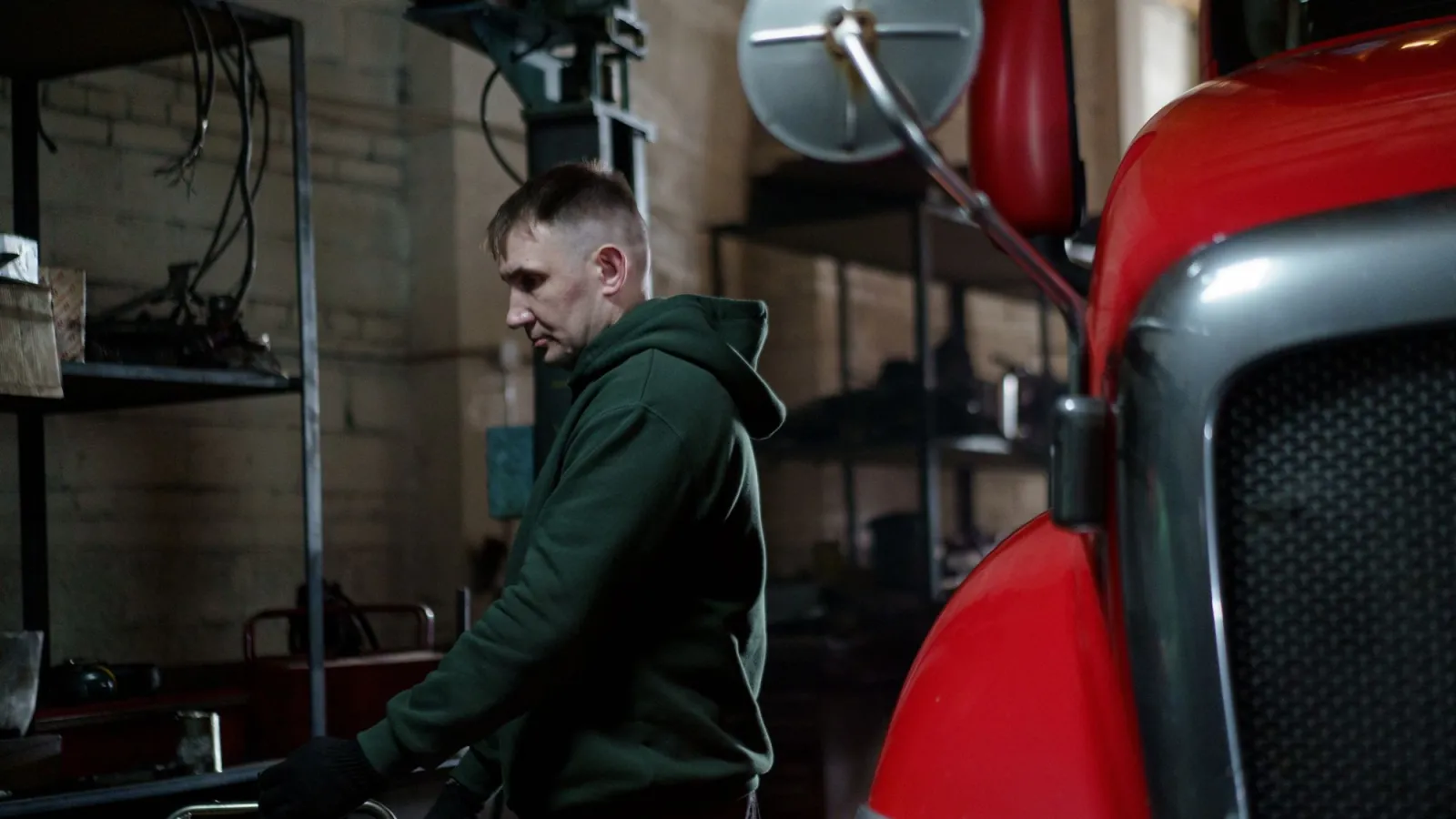
Drivers and carriers may keep records through electronic logging devices or other required records. Those records can help reconstruct when a driver was working, driving, or off duty, but they may not tell the whole story. A log entry can be inaccurate, incomplete, or inconsistent with other evidence such as dispatch messages or location data.
The type of truck and the work being performed can also matter. A crash involving Semi-Truck Accidents or 18-Wheeler Accidents may involve federal requirements, state rules, and company procedures. Identifying which requirements applied calls for examining the operation and records from the time of the collision.
What evidence can show an HOS violation?
A combination of records and crash evidence can help show whether an HOS violation occurred and whether fatigue may have contributed. Records may be held by the driver, motor carrier, or other businesses, and some digital information may be overwritten or become harder to obtain over time. Preserve what you have and keep a record of where it came from.

- 1. Save documents already available to you, such as the crash report, photographs, medical records, and any messages from the trucking company or insurer.
- 2. Write down your recollection of the crash and any observations about the truck’s movement or the driver’s conduct, while details are fresh.
- 3. Identify potential records, including electronic logs, dispatch communications, GPS or vehicle data, fuel and toll records, and delivery paperwork.
- 4. Ask that relevant evidence be preserved. A lawyer can help identify records to request and communicate with the carrier or other record holders.
Who may be responsible when an HOS violation is involved?
Responsibility may involve the driver, the motor carrier, or more than one party, depending on what each did and how that conduct contributed to the crash. A driver may be responsible for operating a truck while fatigued or for inaccurate records. A carrier’s actions may also matter if evidence shows it encouraged an unsafe schedule, failed to monitor compliance, or otherwise contributed to the risk.
A company is not automatically liable just because it employs the driver or owns the truck. The legal basis for responsibility depends on the relationship between the parties, the company’s conduct, and the law that applies. Other businesses may be relevant if their role in scheduling or coordinating the trip is connected to the facts, but their involvement alone does not establish fault.
More than one cause can contribute to a collision. For example, an HOS issue may be considered alongside vehicle maintenance, cargo conditions, road hazards, or another motorist’s conduct. Identifying potentially responsible parties means examining the evidence and each party’s connection to the crash, rather than assuming the driver is the only possible source of liability.
How do you connect an HOS violation to the crash?
To connect an HOS violation to a crash, evidence must help establish both a failure to follow an applicable requirement and a meaningful link between that failure and the collision. A record suggesting excessive work or inadequate rest may raise a question, but it does not by itself prove that fatigue caused the driver to miss a signal, drift from a lane, or respond too slowly.

The investigation may compare the driver’s schedule and logs with the crash time, route, dispatch instructions, and available vehicle or location data. Witness accounts, photographs, physical evidence, and the crash report may help explain how the collision happened. Medical records document your injuries, while other evidence can help establish whether the conduct caused or contributed to them.
The strength of the connection depends on the complete evidence. A driver may have been compliant with log requirements yet still been fatigued for other reasons; conversely, a recordkeeping violation may exist without proof that fatigue affected the crash. Applicable law may also treat regulatory violations differently, so the legal effect can depend on the jurisdiction.
What can you do if the insurer disputes fatigue or fault?
If an insurer disputes fatigue or fault, you can focus on preserving records and understanding the reasons for its position. Ask for the basis of the decision and keep copies of letters, forms, and messages. Avoid guessing about information you do not know; an incomplete statement can make it harder to resolve differences about the crash later.

An insurer may rely on a crash report, the driver’s account, or selected records. Those materials may not include the full electronic log, dispatch history, vehicle data, or other evidence relevant to the driver’s schedule. A careful review can identify what is missing, whether records conflict, and whether the insurer’s explanation addresses how the collision occurred.
Before responding to an offer or a request for a recorded statement, understand what information is being requested and what the document says. You can seek a case evaluation to discuss the available evidence, possible responsible parties, and timing concerns. For information about next steps, request a Consultation with a lawyer familiar with truck collision claims.
How can state law change an HOS-related claim?
State law can affect how fault is assigned, how a regulatory violation is used as evidence, and whether damage limits or special notice rules apply. Deadlines also vary by jurisdiction and by the parties involved. The state where the collision happened, and sometimes other legal details, can influence which rules control.

Because no state or crash location is specified here, this guide cannot identify a particular deadline or legal standard. A review of the location, parties, and claim circumstances can help clarify which state rules may apply.
Frequently Asked Questions
Can a driver be within logged limits but still be fatigued?
Yes. Compliance with log requirements does not necessarily establish that a driver was alert or safe to operate a truck. Other evidence about the schedule, sleep, dispatch demands, and driving can be relevant.
Do inaccurate logs prove that fatigue caused the collision?
No. Inaccurate logs may raise concerns about compliance or recordkeeping, but they do not alone prove that fatigue caused the crash. The evidence must connect the records and the driver’s condition to how the collision happened.
What if the crash report does not mention hours of service?
A crash report may not address every issue relevant to a civil claim. Other records, including logs and dispatch communications, may help answer questions about the driver’s schedule. The report is one source of information, not necessarily the complete record.
Can an HOS issue matter if another factor also contributed?
Yes. A collision can have multiple contributing causes, and an HOS issue may still be relevant if the evidence connects it to the crash. How responsibility is divided depends on the facts and applicable law.
Can I review an insurance offer before accepting it?
You can ask a lawyer to review an offer and explain what it may cover, along with any release or other terms. The value and effect of an offer depend on the evidence, your losses, and the law that applies.
Sources
Next Steps
If you were injured in a truck crash, request a free case evaluation to discuss the records, insurance response, and deadlines that may affect your claim. You can also ask for a review of an insurance offer or a consultation about your options. Request a free case evaluation

Related Articles

Rideshare Accidents Involving Food Delivery Drivers
A crash involving a rideshare driver and a food delivery driver can raise questions about fault, app status, and which insurance policies may apply. Learn what evidence can help clarify your options.

Arbitration Clauses in Rideshare Terms of Service
A rideshare arbitration clause may affect how you pursue certain injury claims, but its reach depends on the agreement, the parties, and the facts. Learn what to check after a crash.

Robotaxi and Driverless Ride Accidents: Liability Questions
Responsibility for a robotaxi crash depends on what caused it and who had a role in the vehicle’s operation, design, or upkeep. Learn which evidence may help clarify your options.
