


In this article
- What is ELD data in a truck accident claim?
- What information can an ELD record?
- How can ELD data help show what happened?
- What can ELD data not prove by itself?
- How can relevant ELD evidence be preserved?
- How is ELD data evaluated with other evidence?
- How can state law affect an ELD-related truck accident claim?
- Frequently Asked Questions
- Sources
- Next Steps
Electronic logging device (ELD) data can help explain a truck driver’s duty status, driving activity, and vehicle movement around a crash. It may support or challenge accounts of what happened, but it rarely tells the whole story by itself. Its value depends on the records available and how they fit with other evidence.
Key Facts
- ELDs record driver duty-status information and certain vehicle-operation data.
- ELD records may help assess a timeline, but they do not automatically establish why a crash happened.
- The data can be incomplete, disputed, or difficult to interpret without supporting records.
- Other evidence may include dispatch messages, inspection records, witness accounts, and vehicle data.
- Preserving relevant records early can matter because some evidence may not remain available indefinitely.
What is ELD data in a truck accident claim?
ELD data is information recorded by an electronic logging device used in a commercial truck. The device tracks a driver’s duty-status record and connects with vehicle systems to capture certain information about vehicle operation. After a crash, these records may help investigators and claim reviewers understand what the driver was doing and when.

An ELD is not the same as a camera or a complete crash-reconstruction system. It may provide a useful timeline, but it does not necessarily record everything needed to explain a collision. What is available depends on the device, its configuration, the truck, and the records retained by the company or driver.
If you are learning about a possible claim, ELD evidence is one part of a broader investigation into the driver, carrier, vehicle, and circumstances of the crash. The Truck Accidents page explains other issues that can arise when a commercial vehicle is involved.
What information can an ELD record?
An ELD can record a driver’s duty-status changes and certain information related to the truck’s movement and operation. Depending on the system and available records, the data may help show when a driver was on duty, driving, or off duty, as well as the vehicle’s location at recorded points. This can help establish a sequence of events for review.

The records may also include information connected to the driver, vehicle, or device, and may show changes or annotations made to a record. Those details can be relevant when questions arise about whether an entry is complete or whether the timeline needs explanation. A record should be read in context rather than treated as a standalone answer.
ELD data is different from other electronic evidence. A truck may also have engine-control or event data, GPS records, dash-camera footage, or communications kept by the trucking company. Those sources may record different details, so investigators may compare them rather than assume one system contains the full account.
How can ELD data help show what happened?
ELD data can help test a driver’s account and build a timeline, but it does not prove fault on its own. For example, records may help show whether a truck was moving at a particular time, where it was recorded, or what duty status the driver reported. That information may be compared with the crash report, witness statements, and other records.

A timeline can matter when the parties disagree about a truck’s route, stops, or the driver’s activity before the collision. Data may also raise questions about whether records are consistent with dispatch information, delivery schedules, or the physical evidence. A discrepancy is a reason to investigate further, not automatic proof that someone acted improperly.
ELD evidence may support a claim involving driver conduct or a trucking company’s practices when connected to other reliable evidence. For example, maintenance concerns may require inspection and service records in addition to electronic logs. Learn more about Negligent Truck Maintenance Claims and the records that may be relevant to that issue.
What can ELD data not prove by itself?
ELD data usually cannot establish the complete cause of a truck crash by itself. A duty-status entry, location point, or vehicle movement record may provide context, but it does not necessarily show a driver’s attention, the road conditions, another vehicle’s actions, or the precise sequence of impact. Other evidence is needed to assess those questions.
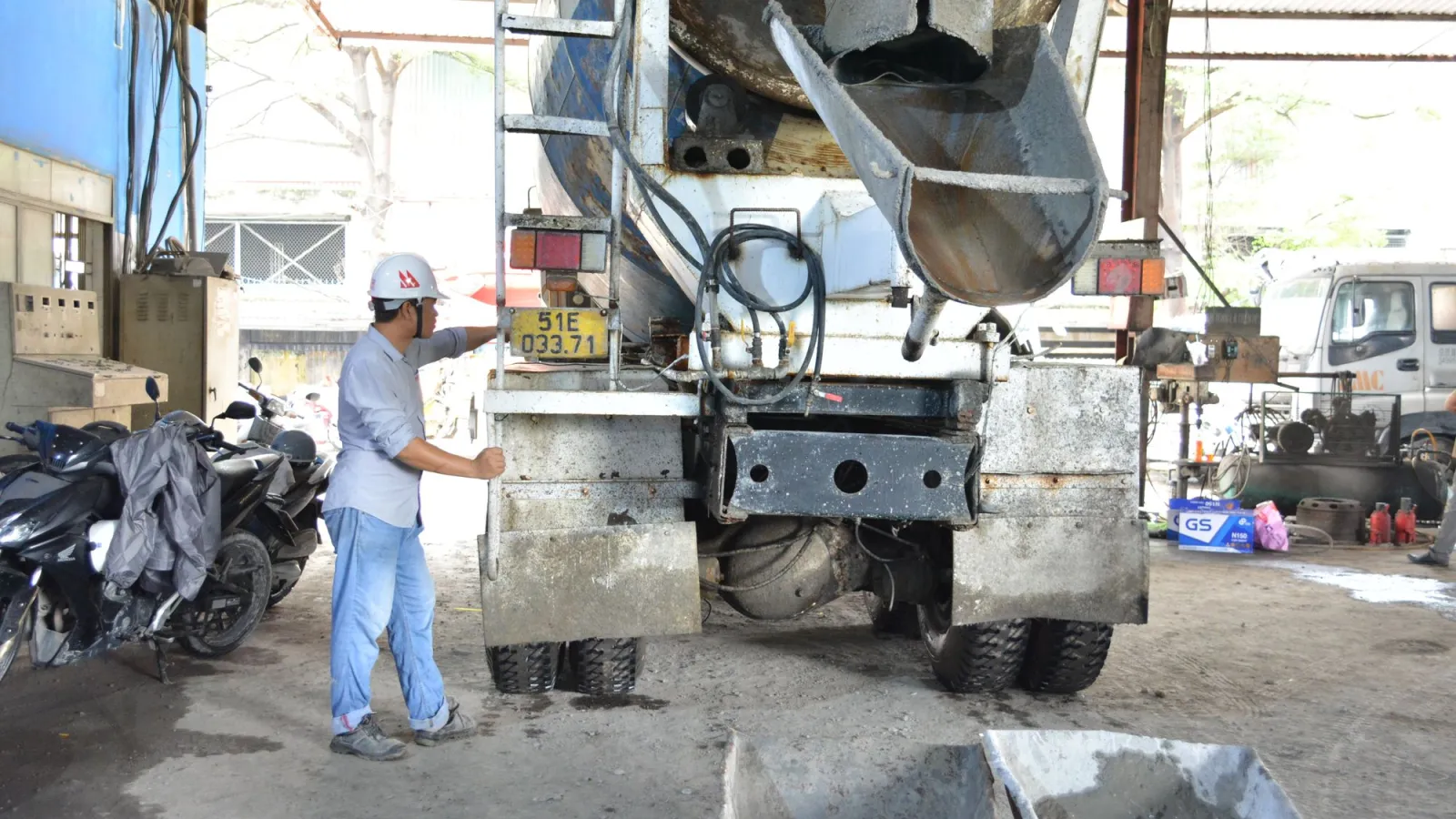
The data may have gaps, unclear entries, or a limited level of detail. A location record, for instance, may not pinpoint the truck’s position with the precision needed to resolve a disputed maneuver. Some records may also be affected by device configuration, a malfunction, a late entry, or a later correction. These possibilities need to be checked against the underlying records and surrounding facts.
A company or driver may explain a discrepancy, and that explanation may be supported or contradicted by other evidence. A careful review considers how the data was generated, who had access to it, and whether it matches documents, physical evidence, or independent accounts. Avoid treating a single log entry as a final answer about responsibility.
How can relevant ELD evidence be preserved?
Preserving ELD evidence means identifying the records that may matter and making a timely, clear request that they not be lost or overwritten. Retention practices and available records can vary by system and company, so delay may make it harder to obtain a complete picture. Keep any documents or messages you already have about the crash and the people or vehicles involved.

A preservation request can identify relevant categories of evidence, such as ELD records, associated driver logs, dispatch communications, and records explaining edits or device issues. Other evidence may include vehicle inspection and maintenance files, GPS information, and available camera footage. A focused request can help identify material beyond the ELD itself.
If you are dealing with an insurance claim, keep copies of correspondence and avoid assuming that an insurer’s file contains every record held by the carrier. An investigation may also consider whether hiring or supervision issues are relevant; see Negligent Trucking Company Hiring Claims. The specific records to request depend on the facts, and missing data does not by itself establish why it is missing.
- Write down the crash details you know, including the truck or carrier information available to you.
- Save photographs, messages, insurance letters, and contact information for witnesses.
- Ask that relevant electronic and paper records be preserved, and keep a copy of the request.
- Have the available records reviewed alongside other evidence rather than in isolation.
How is ELD data evaluated with other evidence?
ELD data is evaluated by comparing it with other records and the physical evidence, then assessing whether the combined information supports a consistent account. The review may consider who created or maintained each record, when it was collected, and whether there are gaps or conflicting details. The goal is to understand what the evidence can reliably establish, not to assume it answers every question.

A fuller investigation may compare electronic logs with the police crash report, photographs, witness statements, inspection records, dispatch messages, and available vehicle data. Medical records can document injuries, while vehicle inspections and scene evidence may help explain how the collision occurred. Each source has limits, and a conflict between records may need further investigation.
The role of ELD data depends on the issues in the claim. It may be important to a disputed timeline, but less useful to a question that the device did not record. A case review can identify which records are available, what they appear to show, and what other information may be needed before assessing responsibility.
How can state law affect an ELD-related truck accident claim?
State law can affect how a truck accident claim is handled even when ELDs are governed by federal requirements. Rules about filing deadlines, fault, recoverable damages, and notice procedures may differ by state and by the circumstances of the claim. ELD data may help explain the facts, but it does not replace those legal requirements.

The relevant state can depend on where the crash occurred and other details. If more than one state is connected to the accident, determining which rules apply may require legal analysis. Because no state-specific facts are provided here, this article does not give a deadline or describe a particular state’s rules.
Frequently Asked Questions
Can ELD records show a truck’s exact speed at the time of a crash?
Not necessarily. ELDs record certain vehicle and duty-status information, but the available detail depends on the device and records. Other vehicle systems or evidence may be needed to assess speed.
Can a driver change or correct ELD entries?
Records may include edits or annotations, and the device may preserve information about changes. The circumstances and significance of any change should be assessed alongside the underlying records and other evidence.
Does an ELD violation automatically prove the driver caused the crash?
No. A disputed or noncompliant record may be relevant, but it does not automatically establish that the conduct caused the collision. The surrounding evidence and the applicable legal rules matter.
Who may have access to a truck’s ELD records?
The driver and trucking company may have access to records, and investigators or parties involved in a claim may seek relevant evidence through appropriate processes. What can be obtained depends on the records available and the circumstances.
What if the ELD data is missing or incomplete?
Missing or incomplete data can make the timeline harder to assess, but it does not by itself explain why information is unavailable or prove fault. Other records, such as dispatch communications, inspection files, and witness accounts, may still help establish what happened.
Sources
Next Steps
If you have questions about ELD records after a truck crash, request a free case evaluation to discuss the available evidence and possible next steps. You can also use the Consultation page to arrange a review of your situation.

Related Articles

Rideshare Accidents Involving Food Delivery Drivers
A crash involving a rideshare driver and a food delivery driver can raise questions about fault, app status, and which insurance policies may apply. Learn what evidence can help clarify your options.

Arbitration Clauses in Rideshare Terms of Service
A rideshare arbitration clause may affect how you pursue certain injury claims, but its reach depends on the agreement, the parties, and the facts. Learn what to check after a crash.

Robotaxi and Driverless Ride Accidents: Liability Questions
Responsibility for a robotaxi crash depends on what caused it and who had a role in the vehicle’s operation, design, or upkeep. Learn which evidence may help clarify your options.
