


In this article
- What is a driver qualification file?
- How can a qualification file relate to negligent hiring?
- Which records may matter in a claim?
- Does a missing or incomplete file prove negligent hiring?
- How must hiring concerns connect to the crash?
- What can you do to help preserve evidence?
- How can state law affect a negligent hiring claim?
- Frequently Asked Questions
- Sources
- Next Steps
Driver qualification files document a motor carrier’s review of a driver’s eligibility and qualifications. If a truck crash injured you, those records may help show whether the company checked required information or ignored warning signs. A file alone does not prove negligent hiring; the evidence must connect the company’s conduct to the crash and your injuries.
Key Facts
- A driver qualification file is generally maintained by a motor carrier for a driver it employs or uses.
- The file may contain application information, driving-record checks, and evidence of qualifications, depending on applicable rules and the driver’s circumstances.
- An incomplete or missing record can raise questions, but it does not automatically establish negligent hiring.
- A claim may depend on what the company knew or reasonably could have learned before assigning the driver.
- State law can affect the legal standards, deadlines, and available damages.
What is a driver qualification file?
A driver qualification file is a collection of records a motor carrier keeps to document a driver’s qualifications and eligibility to operate a commercial vehicle. For many interstate motor carriers, federal rules govern parts of this process, though requirements can depend on the carrier, driver, and type of operation.

The file may include a driver’s employment application, driving-record information, inquiries about prior employment, and records showing that the driver met applicable qualification requirements. Some information may be kept in related systems or records rather than in one physical folder. The exact contents can vary, so a missing document is not automatically proof that the company acted improperly.
These files are different from the truck’s inspection and maintenance records, which may be relevant to a separate issue. If your concerns involve a vehicle defect or repair history, negligent truck maintenance claims describes that distinct type of claim. A driver’s qualification records focus on the company’s process for selecting and monitoring the person behind the wheel.
How can a qualification file relate to negligent hiring?
A qualification file may help show whether a trucking company reasonably screened a driver before hiring or assigning them. A negligent hiring claim generally concerns whether the company failed to use reasonable care in selecting a person whose conduct later caused harm. The specific legal test depends on the law that applies to your claim.
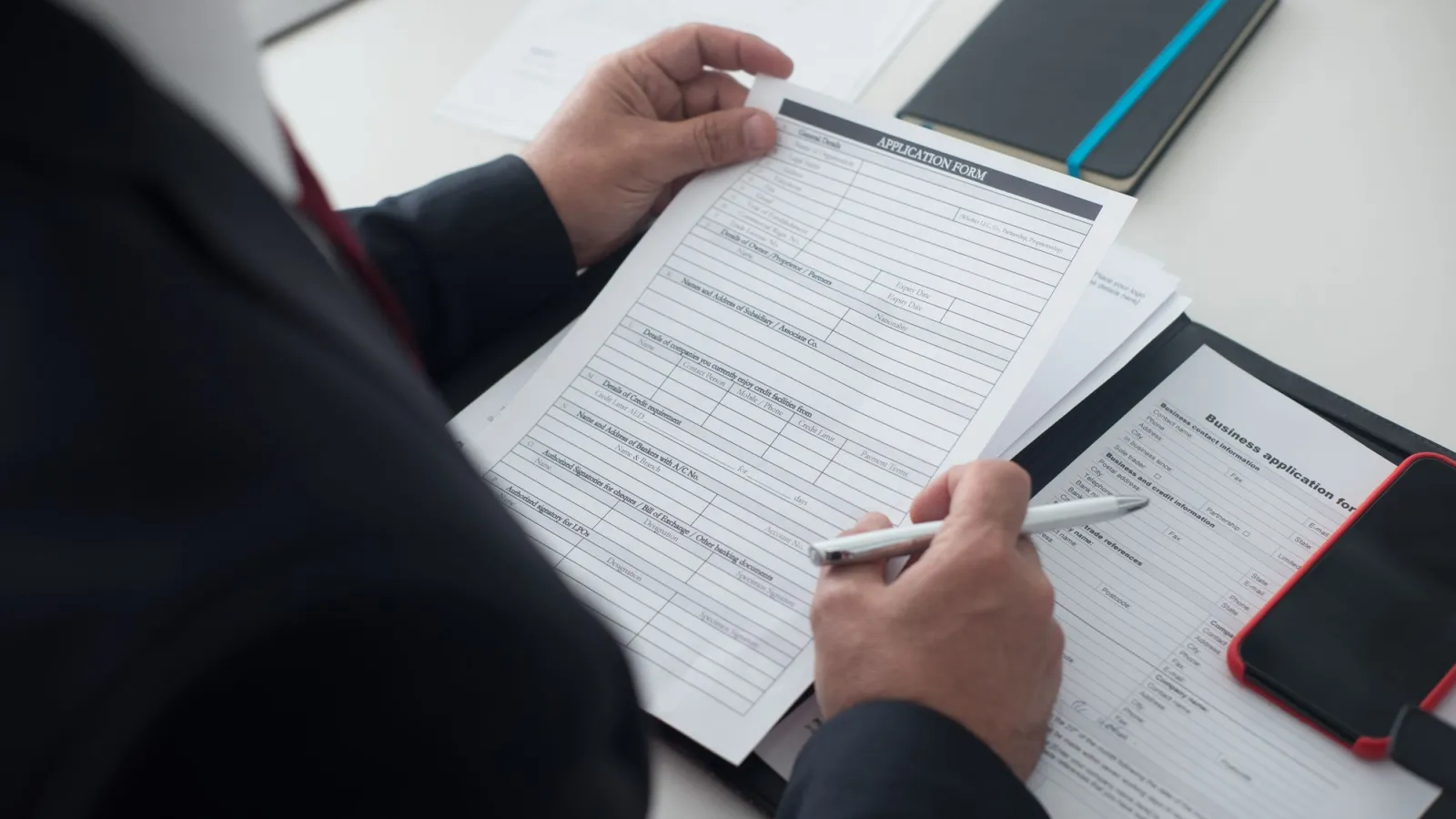
Records may show what information the company collected, when it reviewed that information, and whether anything raised a concern about the driver’s ability or fitness for the work. For example, a record of a prior driving issue could matter if the company knew about it, had a duty to investigate it, or failed to follow up on information it received. Context matters: a past issue does not by itself establish that a driver was unfit or that the company was negligent.
The file is one part of a broader investigation into the carrier’s conduct and the crash. A negligent trucking company hiring claim may involve hiring, screening, supervision, or other company practices. Evidence must also connect the alleged failure to the collision and the injuries for which you seek compensation.
Which records may matter in a claim?
The most useful records are those that help explain what the company knew, when it knew it, and what it did in response. A lawyer investigating a truck crash may examine the driver’s application, driving history, prior-employer inquiries, qualification or road-test records, and relevant communications within the company. The records that matter depend on the facts and the requirements that applied to the carrier.

Other evidence may provide context for the file. This can include company hiring policies, training and supervision records, dispatch information, crash reports, witness accounts, and available vehicle or electronic data. A file entry may appear complete but still raise questions if related records show that information was missing, outdated, or not reviewed. Conversely, a gap in paperwork may have an explanation that does not establish careless hiring.
Because trucking records can be held by different people or systems, identifying where relevant information is kept can be important. A carrier may also have records that are not part of the qualification file but help clarify its screening process. The goal is to assess the records together rather than treating one page, omission, or notation as conclusive.
Does a missing or incomplete file prove negligent hiring?
No, a missing or incomplete driver qualification file does not automatically prove negligent hiring. It may raise questions about whether the carrier followed applicable requirements, but the legal significance depends on the circumstances, the records that were required, and the connection to the crash.

An apparent gap might reflect a record kept elsewhere, a rule that did not apply to that driver or operation, or a record that was not preserved. It could also point to a failure to perform or document an important screening step. Investigation may be needed to distinguish among those possibilities and determine whether the company had notice of a relevant concern.
A claim ordinarily requires more than showing that paperwork was imperfect. The evidence must support the applicable legal elements, including a link between the company’s conduct, the driver’s conduct, and your injury. If the driver’s qualifications appear proper on paper, other evidence may still matter; if the file has gaps, other evidence may explain them. In truck accident cases, the full record is more informative than any single document.
How must hiring concerns connect to the crash?
A negligent hiring theory must connect the company’s alleged failure to the driver’s conduct and the harm you experienced. A concern in a driver’s history matters most when evidence supports that it was relevant to the risk that led to the crash and that reasonable hiring or assignment practices could have made a difference.

For instance, evidence about a driver’s prior conduct may be relevant if it relates to the type of unsafe behavior involved in the collision. But a past incident that has no meaningful connection to the crash may carry less weight. The investigation also considers what the carrier knew or could reasonably have discovered, whether the driver’s actions caused the collision, and what evidence links the collision to your injuries.
Other legal theories may apply to the same event, including a claim based on the driver’s conduct or a separate claim about the carrier’s own actions. These issues can be fact-sensitive and may depend on state law. Medical records, crash-scene evidence, witness statements, and company records can each help establish different parts of the factual picture.
What can you do to help preserve evidence?
You can help an investigation by keeping information about the crash organized and sharing it with a lawyer who evaluates truck accident claims. Driver qualification records may be controlled by the carrier and are not necessarily available to you directly. A formal legal process may be needed to obtain and examine company records.

Preserve documents you already have, such as insurance letters, photographs, medical records, and contact information for witnesses. Keep notes about communications with insurers and the trucking company, and avoid editing original images or documents. Do not assume that an insurance company’s file contains every record relevant to the carrier’s hiring practices.
An attorney can assess what records may be relevant, identify who may hold them, and consider steps to preserve evidence. The investigation may also look beyond hiring records to the driver’s actions, the carrier’s policies, and the truck’s condition. If you want to discuss the records and facts in your situation, you can request a consultation for a case evaluation.
How can state law affect a negligent hiring claim?
State law can affect the legal standards for negligent hiring, how fault is allocated, and what damages may be available. It can also set deadlines for filing a claim and, in some situations, notice requirements that apply before a claim against a public entity. Those rules differ by jurisdiction and may affect which claims are practical to pursue.

The location of the crash, the parties involved, and other facts can affect which law applies. Federal motor-carrier requirements may also be relevant, but they do not replace every state-law issue. A lawyer can review the applicable rules and the available evidence; do not rely on a general article to determine a deadline or legal outcome.
Frequently Asked Questions
Who keeps the driver qualification file?
The motor carrier generally maintains qualification records for drivers it employs or uses, subject to applicable requirements. Records may be stored in different formats or systems, so a file may not appear as one paper folder.
Can you get the file directly from the trucking company?
You may not have direct access to a carrier’s internal personnel and qualification records. A lawyer can assess whether and how those records may be requested through the appropriate legal process.
Is a driver qualification file the same as a driving record?
No. A driving record is one type of information that may be reviewed or kept as part of qualification-related records. The broader file can include other documents about the carrier’s screening and the driver’s eligibility.
Can a carrier be responsible even if it has a complete file?
A complete file does not by itself resolve whether the company acted reasonably. The contents, timing, and follow-up on any concerning information may matter, along with other evidence about the crash and the company’s conduct.
Should you save communications from the insurance company?
Keeping letters, emails, and notes of calls can help you track what the insurer has requested or offered. Avoid assuming that an insurance discussion resolves questions about the carrier’s hiring practices or your legal rights.
Sources
Next Steps
If a truck crash injured you and you have questions about the carrier’s hiring practices, request a free case evaluation to discuss the available evidence. You can also ask about reviewing an insurance offer or checking which deadlines may apply to your situation. Request a free case evaluation

Related Articles

Rideshare Accidents Involving Food Delivery Drivers
A crash involving a rideshare driver and a food delivery driver can raise questions about fault, app status, and which insurance policies may apply. Learn what evidence can help clarify your options.

Arbitration Clauses in Rideshare Terms of Service
A rideshare arbitration clause may affect how you pursue certain injury claims, but its reach depends on the agreement, the parties, and the facts. Learn what to check after a crash.

Robotaxi and Driverless Ride Accidents: Liability Questions
Responsibility for a robotaxi crash depends on what caused it and who had a role in the vehicle’s operation, design, or upkeep. Learn which evidence may help clarify your options.
