


In this article
- What is diminished value after a car accident?
- What kinds of diminished value may apply?
- Who may be able to make a diminished value claim?
- What evidence can support a diminished value claim?
- How do insurers evaluate a diminished value claim?
- What can you do if the insurer disputes your claim?
- How can state rules affect a diminished value claim?
- Frequently Asked Questions
- Next Steps
A diminished value claim seeks compensation for the reduction in your car’s market value after an accident, even after repairs. Whether you can pursue one depends on factors such as fault, the car’s condition and history, the quality of repairs, and applicable insurance terms. Evidence of the car’s value before and after the crash can help support your position.
Key Facts
- Diminished value is a possible loss in a vehicle’s market value after accident damage.
- A repair invoice alone may not show how much value the vehicle lost.
- Claim options can depend on fault, insurance coverage, and state rules.
- Vehicle history, condition, repair records, and valuation evidence may be relevant.
- An insurer’s assessment is not necessarily the only possible valuation.
What is diminished value after a car accident?
Diminished value is the difference between what your car would have been worth without the accident and what it is worth after the accident, including after repairs. A vehicle history showing significant damage may make some buyers less willing to pay the price they would offer for a similar car with no accident record.
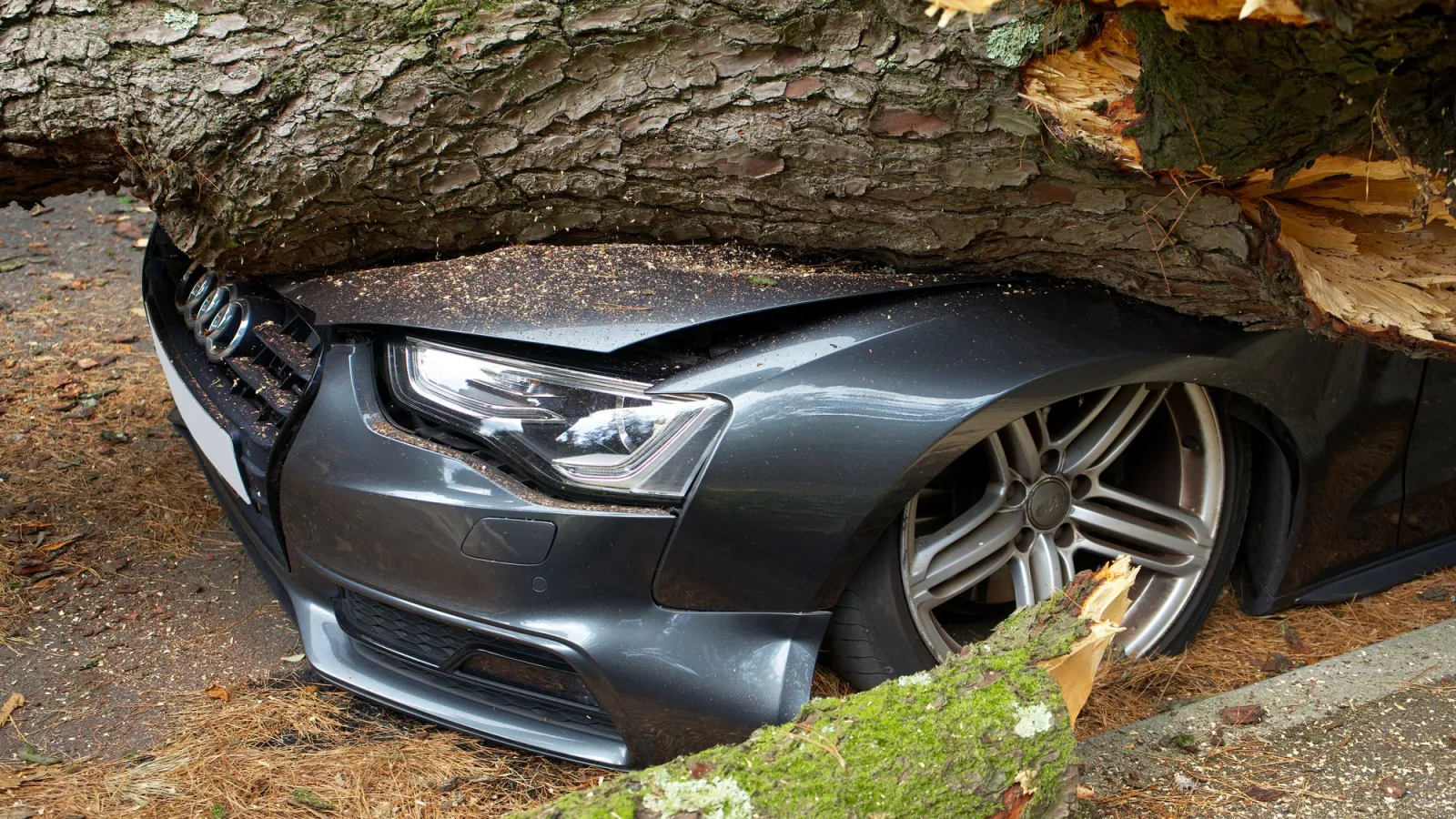
This loss is separate from the cost to repair physical damage. A repair payment may restore the vehicle’s function and appearance, but that does not automatically establish whether its resale or trade-in value has changed. The amount, if any, depends on the vehicle and the evidence rather than on a standard figure that applies to every crash.
The phrase can also refer to different points in the process. Immediate diminished value describes a vehicle’s value after damage but before repair; repair-related diminished value concerns value affected by incomplete or poor-quality repairs. In many claims, the focus is inherent diminished value: a possible reduction that remains because the vehicle has an accident history, even when repairs are complete.
What kinds of diminished value may apply?
The type of diminished value at issue depends on whether the car has been repaired and whether repair problems remain. Identifying the kind can help you explain what loss you are claiming and avoid treating repair costs and market-value loss as the same damage.
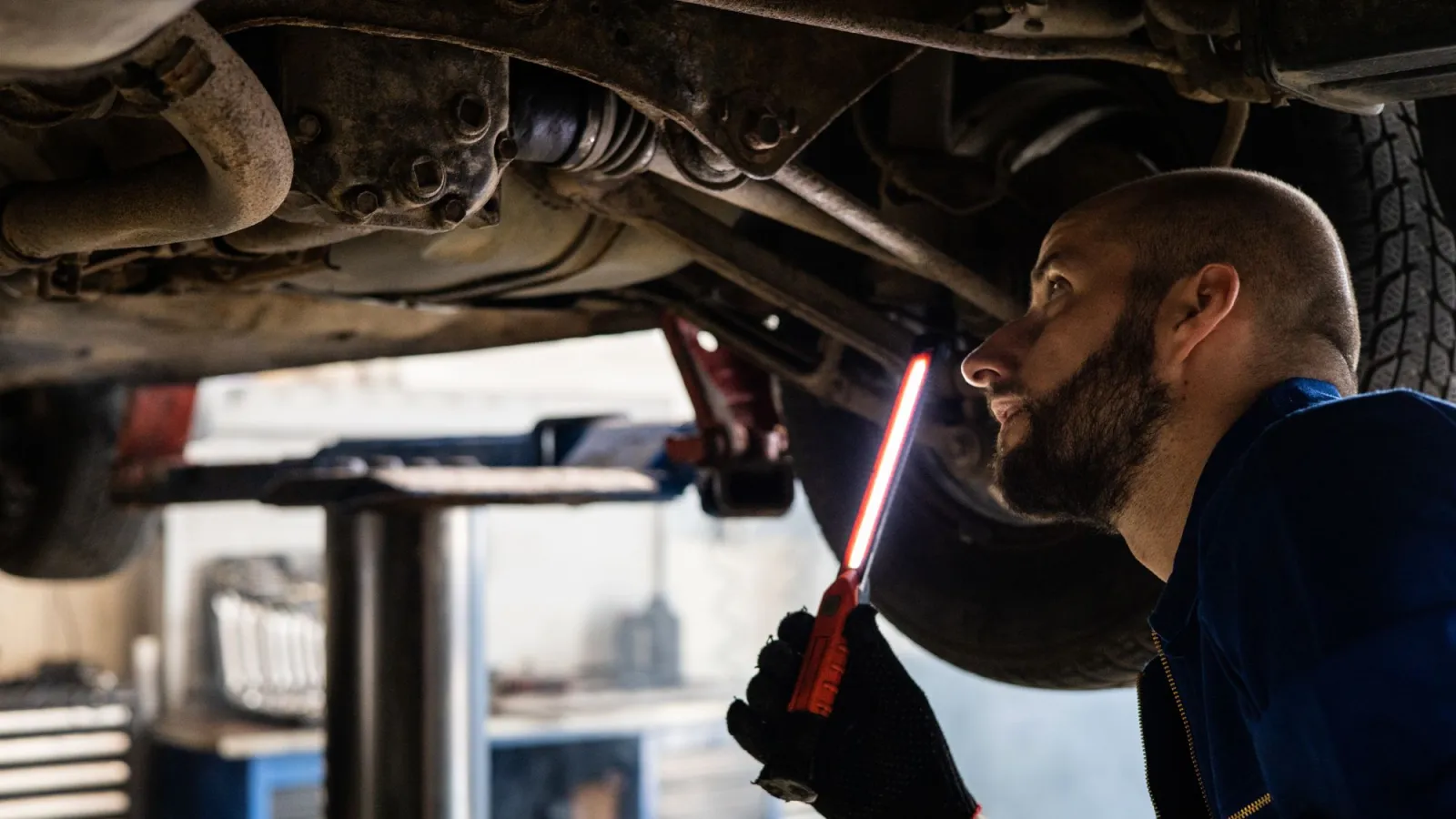
Immediate diminished value is the estimated value loss while the vehicle is still damaged and unrepaired. It may be relevant when considering the vehicle’s condition before repairs, but a claim focused on post-repair value usually looks at the vehicle after repair work is finished.
Inherent diminished value is the potential loss that remains after proper repairs because the accident is part of the car’s history. Repair-related diminished value may arise if work is incomplete, parts are mismatched, or damage was not properly corrected. Those concerns may call for a repair inspection or a request to address the work itself, rather than relying only on a general market-value estimate.
These categories are ways to describe different issues, not automatic entitlements. A claim still depends on the facts, available evidence, who is responsible, and the applicable coverage or legal rules.
Who may be able to make a diminished value claim?
You may be able to seek diminished value when another driver is responsible for the crash, but the available claim and proof requirements depend on the circumstances and state law. A claim against the responsible driver’s insurer is generally different from a claim under your own policy.

For a third-party claim, the insurer may assess whether its policyholder is responsible and whether the claimed loss is supported. The insurer may also consider the vehicle’s condition before the collision, damage severity, repairs, and valuation evidence. A dispute over fault or the amount of loss can affect whether the claim is accepted or how it is evaluated.
For a first-party claim, your own policy language matters. Some policies may limit or exclude diminished value, while others may address losses under specific coverage terms. Review the relevant policy and any written coverage decision rather than assuming that collision coverage includes this type of loss.
If the at-fault driver has limited insurance, the options may involve additional coverage questions. Information about Underinsured Motorist Claims can help you understand that coverage category, but it does not mean diminished value is covered under every policy.
What evidence can support a diminished value claim?
Evidence that documents the car’s condition, repairs, and market value can help explain whether an accident caused a measurable loss. Keep records from before and after the collision where available, and make sure your valuation materials identify the vehicle and the assumptions behind the estimate.

Useful documents may include the repair estimate and final invoice, photographs of the damage, inspection or repair-quality reports, maintenance records, and a vehicle history report. Records showing the car’s pre-accident mileage, options, condition, and prior damage can also help distinguish the crash-related change from other factors affecting value.
A valuation report may compare your vehicle with similar vehicles and explain adjustments for condition, mileage, equipment, accident history, and repair quality. A broad online estimate or a single asking price may be less persuasive if it does not explain how the comparison fits your car. Keep copies of insurer communications and any offer so you can understand what evidence the insurer considered.
A practical way to organize your materials is to gather them in order:
- Collect pre-accident records and photographs that show the vehicle’s condition.
- Keep the collision, repair, inspection, and vehicle-history documents together.
- Request a written explanation of any valuation and compare its assumptions with your records.
How do insurers evaluate a diminished value claim?
Insurers may evaluate diminished value by considering the vehicle’s pre-crash condition, the extent of damage, repair quality, accident history, and evidence of current market value. There is no single calculation that necessarily fits every vehicle or every claim, so the method and assumptions behind an estimate matter.

An adjuster may use a company formula, valuation tool, market comparisons, or information from an appraiser. The result can differ depending on what the method accounts for, such as prior damage, mileage, vehicle demand, or whether structural components were affected. Ask for the reasoning behind the figure and review whether the details match your vehicle.
A low offer is not, by itself, proof that the insurer’s estimate is wrong. Likewise, an estimate prepared for you is not automatically conclusive. Compare both assessments, identify factual differences, and provide documents that address them. For broader information about handling an injury or property-damage matter, see Car Accidents.
Keep communication factual and in writing where practical. A clear record of the insurer’s position, your supporting materials, and any revised offer can help you evaluate the dispute and decide what questions remain.
What can you do if the insurer disputes your claim?
If the insurer disputes diminished value, first find out whether the disagreement is about responsibility, coverage, the vehicle’s condition, or the amount of loss. The next useful step depends on the reason given, so request a clear explanation before responding to the figure alone.

Review the policy or claim letter and compare the insurer’s assumptions with your repair and valuation records. If the insurer relied on incorrect mileage, options, prior damage, or repair information, point out the specific issue and provide documentation that addresses it. If the disagreement concerns repair quality, an inspection may help clarify whether the vehicle was properly restored.
A written response can summarize the loss you are claiming, explain how the supporting evidence relates to your car, and ask the insurer to reconsider. Keep copies of documents and notes of calls. Avoid treating a valuation estimate as a promise of payment; coverage, responsibility, and evidence remain relevant.
If you are unsure what an offer includes or whether a release would affect other parts of a claim, get the terms explained before accepting. You can also ask a lawyer to review the documents and explain possible next steps. A Consultation can provide an opportunity to discuss the claim and your questions.
How can state rules affect a diminished value claim?
State rules can affect whether and how you may pursue diminished value, so a general explanation cannot resolve every claim. Rules may differ on deadlines, fault, available damages, insurance requirements, and notice procedures. Policy language and the path for making a claim can also matter.

The state where the collision happened may affect the rules that apply, and the state connected to an insurance policy may also be relevant. Deadlines can be short, and some claims may involve notice requirements or specific procedures. Do not rely on a general article to calculate a deadline or decide which rules govern your situation.
When reviewing an offer, confirm what damage it covers and whether accepting it involves a release. If the insurer has denied coverage or disputed responsibility, the reason for that decision may shape the available options. A local legal professional can review the facts and applicable rules.
Frequently Asked Questions
Can I claim diminished value if my car was fully repaired?
Possibly. A claim may focus on a loss in market value that remains because the vehicle has an accident history, despite completed repairs. Whether that loss is covered or recoverable depends on the facts, insurance terms, and applicable law.
Does every car accident cause diminished value?
No. A vehicle may have little or no measurable loss in value, depending on its age, prior condition, damage, repairs, and market. Evidence is needed to show that the accident caused a loss.
Can I make a claim if I was partly at fault?
Possibly, but fault rules vary by state and can affect recovery. The insurer may also apply policy terms or dispute responsibility. The specific effect depends on the circumstances and applicable rules.
Can I use an online calculator as proof?
An online calculator can be a starting point, but it may not account for your car’s condition, repair details, local market, or prior history. Review the method and consider supporting the claim with records and a vehicle-specific valuation.
Is diminished value part of my personal injury claim?
Diminished value concerns damage to your vehicle, while a personal injury claim concerns harm to you. They may arise from the same collision but can involve different evidence, insurance coverage, and handling.
Next Steps
If you have received an insurance offer or are unsure what it covers, request a free case evaluation to review the documents and discuss possible next steps. You can also ask about a deadline check for your situation. Have an attorney review your insurance offer
Related Guides

Related Articles

Rideshare Accidents Involving Food Delivery Drivers
A crash involving a rideshare driver and a food delivery driver can raise questions about fault, app status, and which insurance policies may apply. Learn what evidence can help clarify your options.

Arbitration Clauses in Rideshare Terms of Service
A rideshare arbitration clause may affect how you pursue certain injury claims, but its reach depends on the agreement, the parties, and the facts. Learn what to check after a crash.

Robotaxi and Driverless Ride Accidents: Liability Questions
Responsibility for a robotaxi crash depends on what caused it and who had a role in the vehicle’s operation, design, or upkeep. Learn which evidence may help clarify your options.
