

In this article
- When can a delivery company be responsible for a driver’s crash?
- How does the driver’s work status affect your claim?
- What evidence can help show who is responsible?
- How do you handle the company’s insurance claim?
- What if the company denies responsibility?
- What losses may be part of a delivery-crash claim?
- How can state law change a claim against a delivery company?
- Frequently Asked Questions
- Next Steps
You may have a claim against a delivery company if its driver caused a crash while working, or if the company’s own conduct contributed to it. Responsibility depends on facts such as the driver’s employment status, whether the driver was carrying out company work, and the available evidence. A company’s insurance may also be involved.
Key Facts
- A driver’s work relationship with a company can affect whether the company may be responsible.
- The driver’s activity at the time of the crash may matter to a company-liability claim.
- A company may face a separate claim based on its own actions or omissions.
- Delivery records, driver information, and crash evidence can help clarify what happened.
- Insurance coverage and liability rules vary by policy and state.
When can a delivery company be responsible for a driver’s crash?
A delivery company may be responsible when its employee causes a crash while performing work for the company, depending on the facts and applicable law. This type of claim is often based on the company’s responsibility for an employee’s conduct within the scope of the job. The details matter: a driver heading to a delivery, making a company-directed stop, or returning from a route may be treated differently from someone using a vehicle for a personal errand.
The driver’s label alone does not settle the question. A company may call a driver an independent contractor, but the actual working arrangement and state law can affect how that classification is treated. Relevant facts may include who controlled the route, schedule, equipment, and manner of work. A contract is one piece of evidence, not necessarily the entire answer.
The company may also be named if its own conduct contributed to the collision. For example, evidence might raise questions about hiring, training, supervision, vehicle maintenance, or delivery practices. A claim based on the company’s own conduct is distinct from a claim that simply attributes an employee’s driving to the company. A car accident claim can involve one or more potentially responsible parties.
How does the driver’s work status affect your claim?
The driver’s work status can affect whether the company is legally responsible, but the label used in a contract or app is not the only relevant fact. Companies may use employees, contractors, staffing agencies, franchisees, or third-party delivery services. The relationship between the driver and each business involved may need closer review before you know which parties or insurers could be relevant.
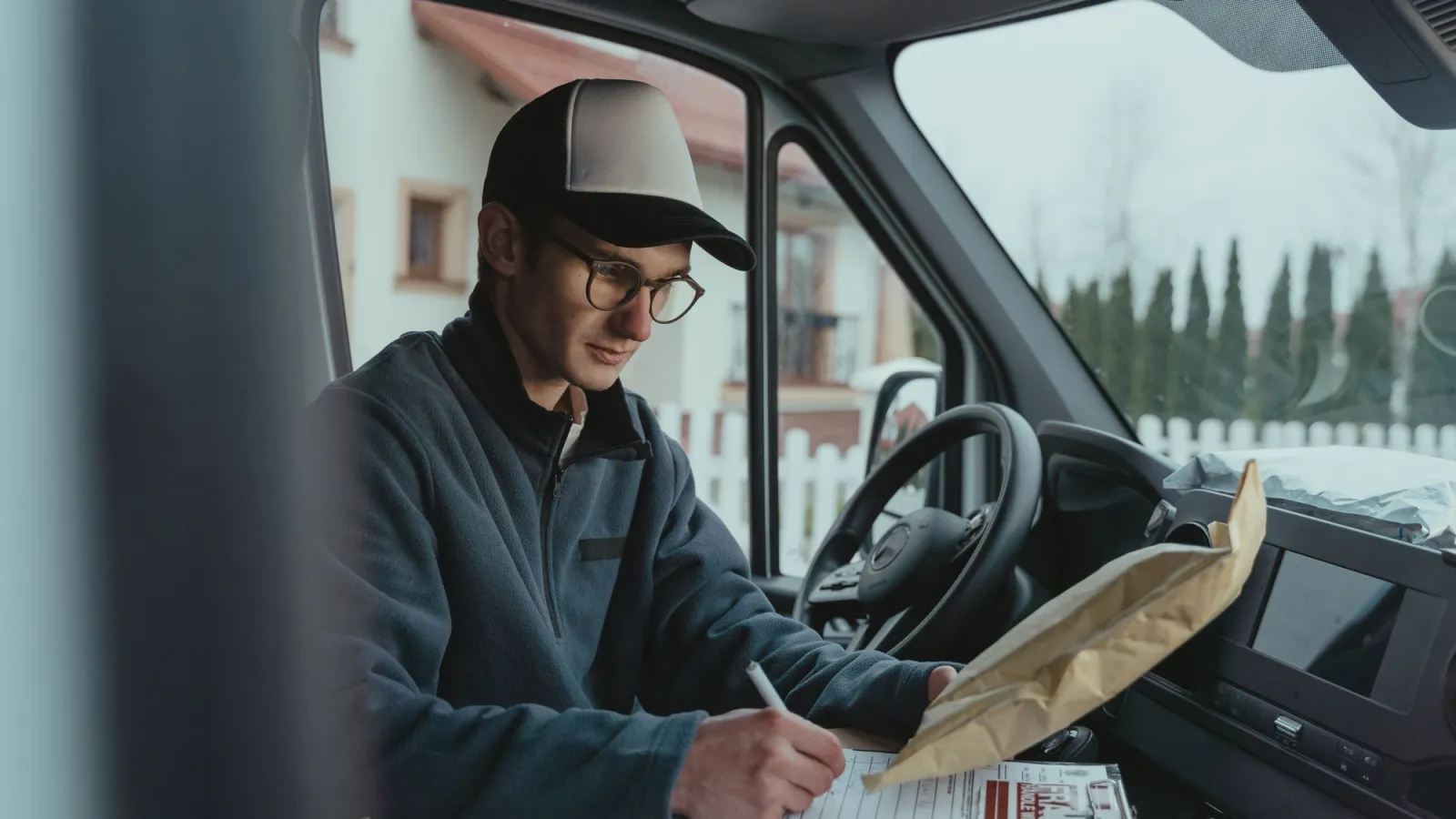
A company may argue that the driver was an independent contractor, was not working at the time, or had departed from the assigned delivery. Those arguments do not automatically resolve the issue. The available evidence may show whether the driver had an active assignment, was carrying goods, followed a company route, or had finished work. Different rules may apply depending on your state and the particular relationship.
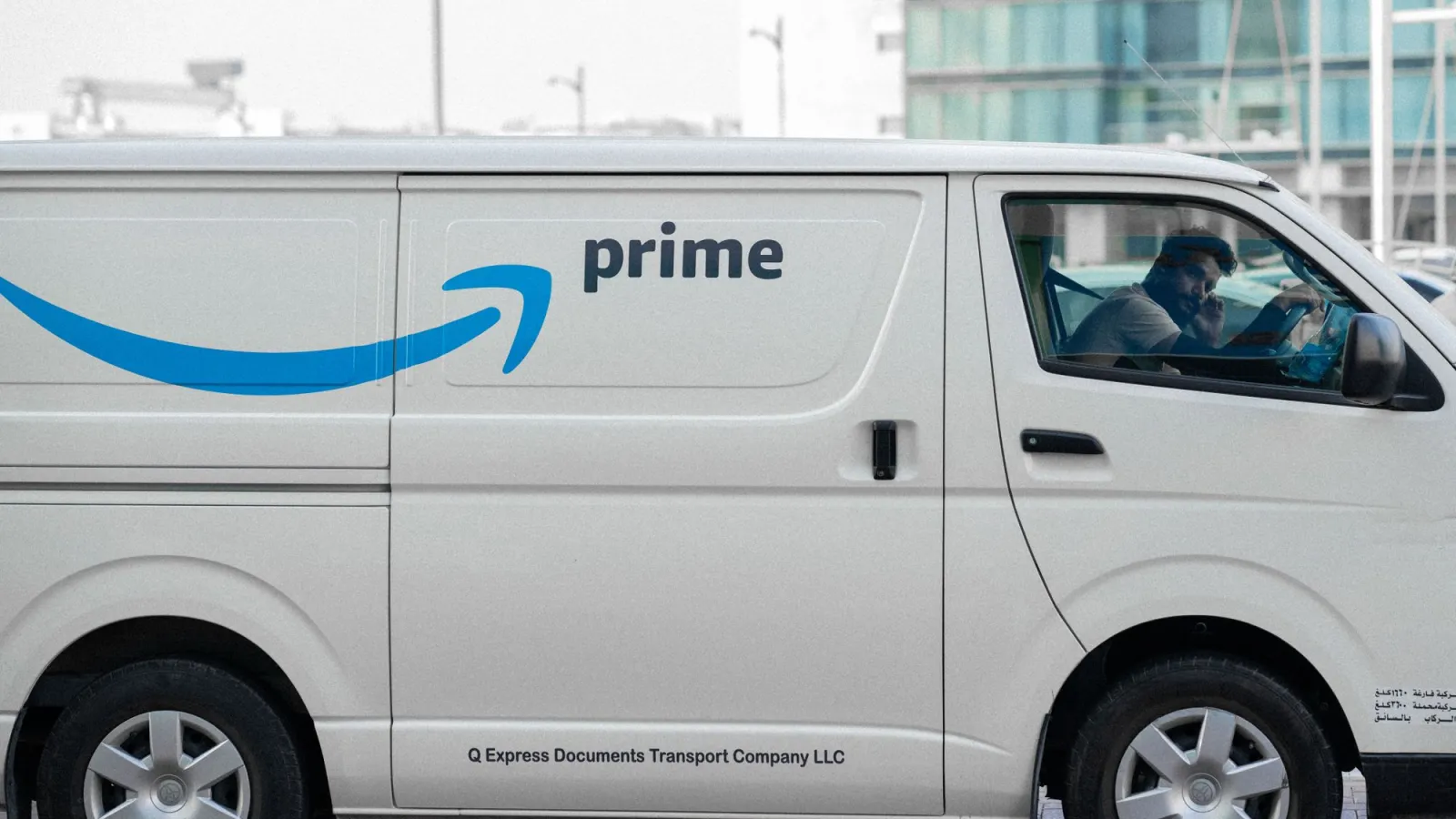
You can begin by recording what you know about the driver, vehicle, company name, and delivery activity. Keep any delivery receipt, order confirmation, messages, or photographs, and note where the driver appeared to be going if you know. Avoid treating a logo on a vehicle as proof of who employed the driver; it may identify a brand, contractor, or fleet operator rather than the responsible business.
- Write down the company, vehicle, and driver details you observed.
- Save delivery-related messages, receipts, and photographs.
- Ask the insurer or company to identify the relevant business and claim contact.
What evidence can help show who is responsible?
Evidence that connects the driver to a delivery and explains how the crash happened can help assess a claim against the company. The useful records depend on the situation and may be held by the driver, a delivery platform, a fleet operator, or an insurer. Some digital information may not remain available indefinitely, so documenting what you know and asking about relevant records can be important.

Potentially useful evidence includes the crash report, photographs of the vehicles and scene, witness contact information, delivery or dispatch records, route information, and communications about an active order. Vehicle inspection or maintenance records may matter if a mechanical problem is suspected. If a company vehicle or camera system was involved, there may also be vehicle or video records, though availability and access can vary.
Keep original files when possible and make copies of important documents. Write a clear account of what you remember while details are fresh, separating what you saw from what someone else told you. Do not assume that a company will preserve every record automatically. A qualified representative can help identify relevant evidence and communicate with the company or insurer about its preservation.
- Crash report and scene photographs
- Witness names and contact details
- Delivery, dispatch, or route communications
- Vehicle, inspection, or maintenance information when relevant
- Medical and repair records connected to the collision
How do you handle the company’s insurance claim?
You can report the crash to the relevant insurer and ask which company or policy is handling the claim, while keeping your statements accurate and limited to what you know. A delivery driver may have personal auto coverage, commercial coverage, or coverage arranged through a platform or another business. The policies and the order in which they may apply depend on their terms and the facts.
A company or insurer may ask for a recorded statement, medical authorization, or other documents. Read requests carefully and keep copies of what you send. You can ask who the insurer represents, what coverage it is reviewing, and whether it needs particular records. Do not assume that an initial coverage position answers every question about responsibility or other available policies.
If the responsible party’s coverage is not enough to address your losses, your own policy may have relevant protection, depending on its terms and state law. Learn more about underinsured motorist claims if you are trying to understand that possible route. Keep track of insurer names, claim numbers, dates of contact, and any written decisions so you can follow the claim’s progress.
What if the company denies responsibility?
A company’s denial does not by itself prove that you have no claim, but it does mean the reasons and supporting evidence deserve attention. The company might dispute that the driver was working, challenge the driver’s relationship to the business, or argue that someone else caused the crash. It may also rely on the driver’s account, internal records, or policy terms that you have not yet seen.

Read the denial carefully and note whether it concerns fault, the driver’s work status, insurance coverage, or another issue. These are separate questions and may involve different evidence. A company can dispute its responsibility even when another party’s insurer is reviewing the crash. You do not need to accept a conclusion simply because it appears in a letter, but responses and next steps depend on the particular facts and applicable rules.
Organize the documents that address the stated reason for denial, such as delivery records, witness accounts, photographs, or a crash report. Keep communications professional and factual, and avoid guessing about details you cannot confirm. If you receive a settlement offer or a request to sign a release, understand what claims it may resolve before responding. A consultation can help you discuss the facts and questions raised by a denial.
What losses may be part of a delivery-crash claim?
A delivery-crash claim may involve medical expenses, lost income, vehicle damage, and other losses recognized under the law that applies. Which categories can be claimed, how they are assessed, and what documentation is useful depend on the nature of your injuries, the evidence, the insurance policy, and state rules. A claim is not valued by a company’s involvement alone.
Keep bills, appointment records, repair estimates, pay information, and receipts connected to the crash. If your injuries affect everyday tasks or work, notes about those effects may help explain the impact. Do not rely on estimates or assumptions when you can obtain a record from a provider, employer, or repair shop. The insurer may request documentation and may question whether particular expenses relate to the collision.
Responsibility may be shared among more than one person or business, and that can affect how a claim is evaluated. The rules for assigning fault and reducing damages differ by state. A company’s insurance limit may also affect what coverage is available, but it does not determine the full value of every possible claim. Keep the evidence organized while you learn which parties, policies, and state rules may apply.
How can state law change a claim against a delivery company?
State law can affect how a delivery-crash claim is evaluated, including rules about employer responsibility, shared fault, available damages, and notice requirements. Deadlines for filing claims can also differ, and certain claims involving public entities may require special notice. The driver’s work status and the company’s role may be analyzed under rules that vary by jurisdiction.
The location of the crash, the parties involved, and the kind of claim can affect which rules apply. If more than one state is connected to the crash, that may raise additional questions. Do not assume that an insurer’s timing or a company’s internal review changes a legal filing deadline. Because no state-specific facts are provided here, check the rules that apply to the place and circumstances of your crash with a qualified legal professional.
Frequently Asked Questions
Can I make a claim if the delivery driver used a personal vehicle?
Possibly. The vehicle’s ownership does not by itself determine whether a company may be responsible. The driver’s work status, activity at the time, available insurance, and state law can all matter.
Does a company logo on the vehicle prove the company is liable?
No. A logo may help identify a business connection, but it does not establish who employed or controlled the driver or whether the driver was working. Other records and the actual work arrangement may be important.
Can more than one company be involved?
Yes. A driver, delivery platform, fleet operator, staffing business, or another company may have a role. The relevant parties depend on the facts, contracts, and applicable law.
What if I do not know which company employed the driver?
Save the information you have, such as the vehicle details, delivery materials, and any contact information provided after the crash. You can ask the insurer or business to identify the relevant company and claim handler.
Can I still explore a claim if I may have contributed to the crash?
Possibly. States use different rules for shared fault, and a finding that you share responsibility may affect recovery. The evidence and the law that applies to your crash are important.
Next Steps
If you were injured in a delivery-driver crash, gather the records you have and request a free case evaluation to discuss possible responsible parties and insurance coverage. You can also ask for a review of an insurance offer or a deadline check. Request a free case evaluation
Related Guides

Related Articles

Rideshare Accidents Involving Food Delivery Drivers
A crash involving a rideshare driver and a food delivery driver can raise questions about fault, app status, and which insurance policies may apply. Learn what evidence can help clarify your options.

Arbitration Clauses in Rideshare Terms of Service
A rideshare arbitration clause may affect how you pursue certain injury claims, but its reach depends on the agreement, the parties, and the facts. Learn what to check after a crash.

Robotaxi and Driverless Ride Accidents: Liability Questions
Responsibility for a robotaxi crash depends on what caused it and who had a role in the vehicle’s operation, design, or upkeep. Learn which evidence may help clarify your options.
