


In this article
- What can make a motorcycle helmet defective?
- What must you show to connect a helmet defect to your injuries?
- What evidence should you preserve after a helmet-related crash?
- Does a DOT label prove that a helmet was safe or defective?
- Who could be responsible for a defective motorcycle helmet?
- What can you expect when a helmet product claim is investigated?
- How can state law affect a motorcycle helmet product claim?
- Frequently Asked Questions
- Sources
- Next Steps
A defective motorcycle helmet may support a product-liability claim if evidence shows that a problem with its design, manufacture, or warnings contributed to your injuries. A crash or serious injury alone does not establish that the helmet was defective. The helmet’s condition, crash details, medical evidence, and state law can all affect whether a claim is viable.
Key Facts
- A helmet may have a design flaw, a manufacturing defect, or inadequate warnings or instructions.
- You generally need evidence connecting the alleged defect to an injury, not just proof that a crash occurred.
- Helmet fit, fastening, age, damage, and use can be relevant to an investigation.
- A DOT label does not, by itself, establish that a helmet complied with every applicable requirement or caused a particular injury.
- State law can affect who may be liable, how fault is considered, and how long you have to take action.
What can make a motorcycle helmet defective?
A motorcycle helmet may be defective if a design, manufacturing problem, or inadequate warning makes it unreasonably unsafe under the law that applies. A design claim concerns the helmet’s overall design; a manufacturing claim concerns a flaw in a particular helmet or batch; and a warning claim concerns information that was missing or unclear.

Potential concerns can include a shell or liner that separates, a retention strap that fails, or a visor or other component that breaks in a way that contributes to injury. A helmet may also raise questions if it does not perform as its instructions or safety representations indicate. These are possible lines of inquiry, not proof that any particular helmet is defective.
A helmet is not automatically defective because you were hurt while wearing it. Helmets have limits, and the severity and location of an injury can depend on the collision, the point of impact, and other circumstances. If your crash involved another vehicle, the surrounding Motorcycle and Car Collisions or Motorcycle and Truck Collisions facts may also matter when the incident is assessed.
What must you show to connect a helmet defect to your injuries?
A product-liability claim generally requires evidence of a defect and a meaningful connection between that defect and the harm you experienced. The specific legal test varies, but the central question is not simply whether the helmet failed to prevent every injury; it is whether an alleged product problem contributed to a particular injury.

The investigation may compare the injuries you sustained with the protection the helmet was intended to provide. For example, an expert may examine whether a component failed in the area of impact and whether that failure could have affected the injury. Medical records can help document the nature and timing of your injuries, while crash evidence may help explain how the impact occurred.
Other explanations must also be considered. The helmet may have performed as intended, the injury may have resulted from forces beyond its protective limits, or another factor may have contributed. Product engineers, medical professionals, or crash-reconstruction specialists may be asked to analyze those questions. The available evidence and the applicable legal rules determine whether a claim has support; an injury by itself does not settle the issue.
What evidence should you preserve after a helmet-related crash?
Preserving the helmet and related records can help an investigation assess its condition and history. If possible, keep the helmet, visor, straps, liner, packaging, instructions, and purchase or repair records. Avoid cleaning, repairing, modifying, or discarding the helmet before its condition has been documented.
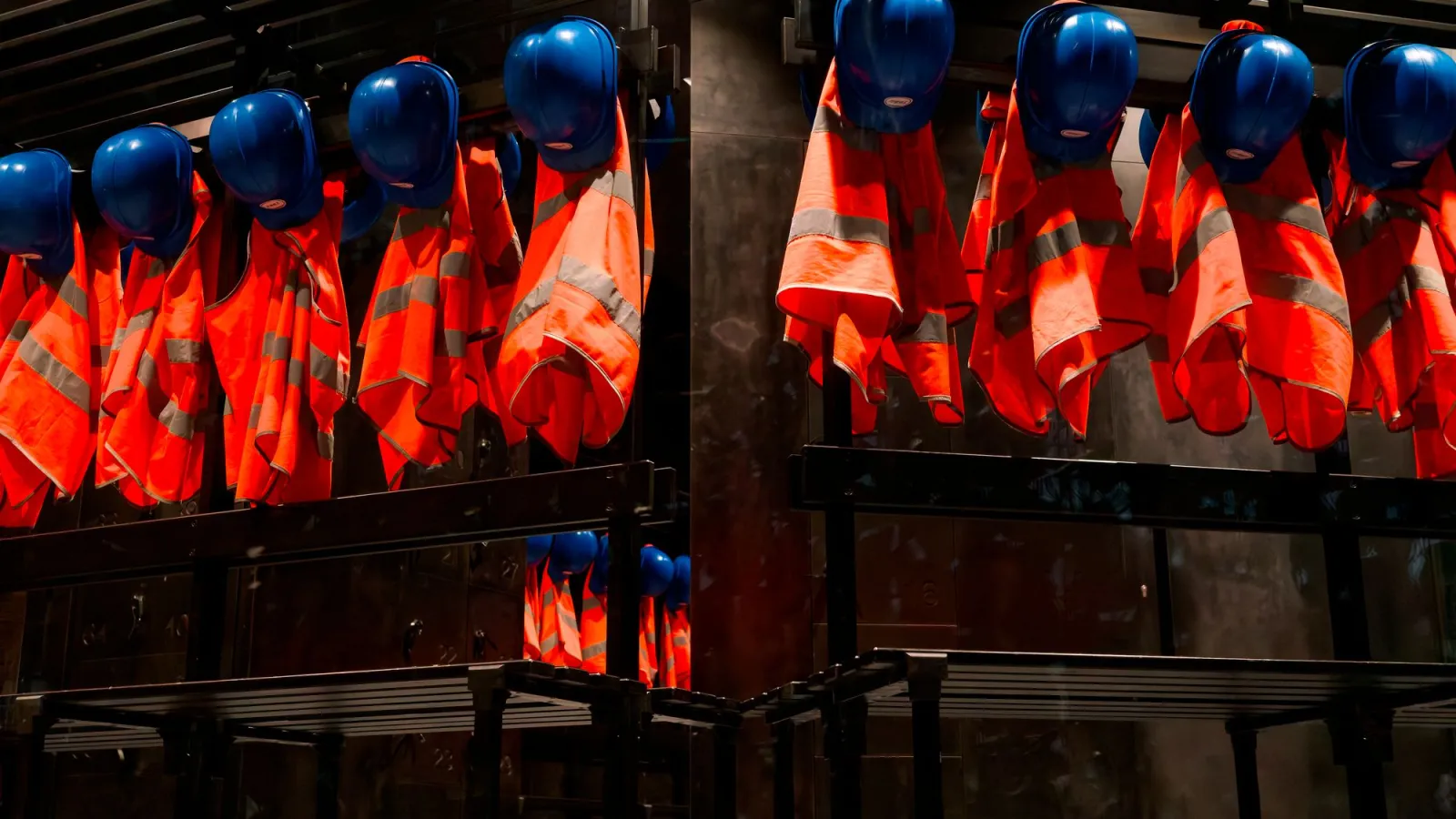
Take photographs of the helmet from multiple angles, including visible cracks, detached parts, worn areas, labels, and the interior. Keep the photos in their original form and record when they were taken. If the helmet is being stored, protect it from further impact or changes and keep a record of who handles it. A qualified investigator may need to document and examine the product using a careful process.
Keep relevant medical records, bills, crash reports, photographs of the scene and motorcycle, and communications with insurers or product sellers. Write down what you recall about the helmet’s fit, how its strap was fastened, and whether it had been damaged or involved in a prior crash. Do not guess when you are unsure; distinguish what you remember from what you learned later. These steps can help preserve information, but they do not establish that a defect caused an injury.
Does a DOT label prove that a helmet was safe or defective?
A DOT label is relevant information, but it does not by itself prove that a helmet was safe in every circumstance or that it was defective. Federal motor-vehicle safety standards set performance requirements for motorcycle helmets. The label indicates that the manufacturer represents the helmet as meeting the applicable standard; it is not a finding about how that particular helmet performed in your crash.

An investigation may examine the label, model, manufacturing details, condition, and test evidence. It may also consider whether the helmet was altered, damaged, improperly fitted, or used in a way that differed from its instructions. A label that is missing or appears questionable can be a useful fact to document, but it does not resolve liability on its own.
Product safety and legal responsibility are separate questions. A helmet can carry a label and still be subject to questions about a specific unit, component, warning, or product representation. Likewise, a helmet’s failure to prevent an injury does not automatically show that it failed to meet a safety requirement. Testing and expert review may be needed to evaluate what happened.
Who could be responsible for a defective motorcycle helmet?
Depending on the facts and the law that applies, responsibility may extend to a helmet manufacturer, a maker of a defective component, an importer, or another business involved in placing the product in the market. The potential parties depend on the product’s supply chain and on what evidence links a particular business to the alleged defect.

The cause of the crash and the cause of the injury are related but distinct issues. Another driver may have contributed to the collision, while a helmet defect may be alleged to have worsened an injury. A motorcycle crash investigation can consider both questions; information about Motorcycle Accidents may help explain the broader issues that can arise after a crash.
Your own conduct may also be considered under the rules in your state. For example, evidence about fit, fastening, product maintenance, or use may be relevant, but its legal effect varies. It does not automatically answer whether a product was defective or whether another party may have responsibility. Avoid assuming that one potentially relevant fact decides the claim; the full record and applicable law matter.
What can you expect when a helmet product claim is investigated?
A helmet product claim is typically assessed by collecting records, identifying the product and businesses involved, examining the helmet, and evaluating how any alleged defect relates to your injuries. The investigation may also consider the crash circumstances, medical findings, product instructions, and applicable safety requirements.

Keep a timeline of the crash, your medical care, and communications about the helmet. Save receipts, online order confirmations, product packaging, and any warranty or registration materials you still have. If an insurer, seller, or manufacturer asks to inspect or take possession of the helmet, document the request and the helmet’s condition before any transfer. An inspection can affect important evidence, so understand what is being requested and keep copies of related communications.
A product claim may involve more than one type of case, including a claim relating to the collision itself. The available records can help clarify which issues are supported and what additional information may be needed. If you are considering a legal review, a Consultation can help you discuss the helmet, the crash, your injuries, and questions about preserving evidence. No particular result can be assumed from the fact that an investigation is underway.
How can state law affect a motorcycle helmet product claim?
State law can affect the time allowed to bring a claim, the rules for assigning fault, available damages, and any required notice to a public entity or other party. The rules can also differ on who may be held responsible in a product case and how a person’s conduct affects recovery. These differences make the location and circumstances of the crash important.
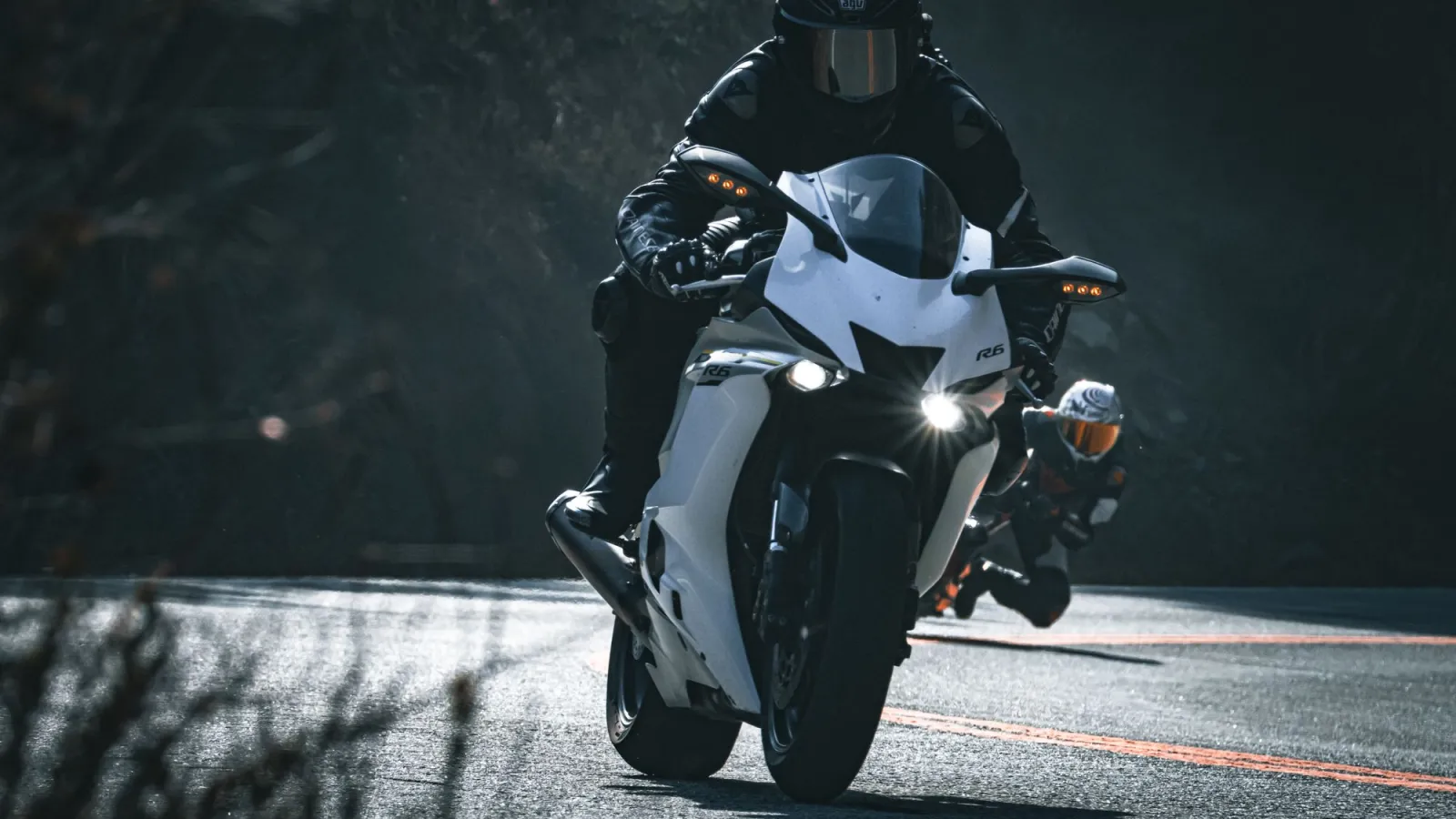
A general explanation cannot determine which deadline or rule applies to your situation. The relevant law may depend on where the crash happened, where the parties are located, and the type of claim involved. Keep records of the crash and product, and get a state-specific review promptly because deadlines can be short and evidence can change or disappear.
Frequently Asked Questions
Can a helmet be defective even if it was new?
Yes, age alone does not rule out a possible design or manufacturing problem. Evidence about the model, production, condition, and performance would be needed to assess the concern. A new helmet is not automatically defective just because an injury occurred.
Does a cracked helmet prove that it failed?
A crack can be important evidence, but it does not by itself establish a defect. The impact may have caused the damage, and an examination may be needed to understand when and how it occurred. Photograph the condition and preserve the helmet if you can.
Can I still ask about a claim if I was partly at fault for the crash?
Possibly. State rules determine how a person’s share of fault affects a claim, and a collision-related issue can be separate from whether a helmet defect worsened an injury. The facts and law in the relevant state matter.
What if I do not know the helmet’s brand or model?
Keep the helmet and photograph its labels, markings, and components. Purchase records, online order history, packaging, or statements from someone who saw the helmet may help identify it. Do not rely on a guess if you cannot confirm the model.
Can I make a claim if the helmet reduced some injuries but not others?
That possibility depends on evidence about the helmet, the crash, and the injuries. An investigation may consider whether an alleged defect contributed to a specific harm even if the helmet provided protection in another respect. Medical and product evidence can help address that question.
Sources
Next Steps
If you have questions about a helmet, your injuries, or an insurance request, gather the product and crash records you have and request a free case evaluation. You can discuss whether a review of the evidence or a deadline check may help clarify your next steps.

Related Articles

Rideshare Accidents Involving Food Delivery Drivers
A crash involving a rideshare driver and a food delivery driver can raise questions about fault, app status, and which insurance policies may apply. Learn what evidence can help clarify your options.
Arbitration Clauses in Rideshare Terms of Service
A rideshare arbitration clause may affect how you pursue certain injury claims, but its reach depends on the agreement, the parties, and the facts. Learn what to check after a crash.

Robotaxi and Driverless Ride Accidents: Liability Questions
Responsibility for a robotaxi crash depends on what caused it and who had a role in the vehicle’s operation, design, or upkeep. Learn which evidence may help clarify your options.
