


In this article
- Who has the right-of-way in a crosswalk?
- When can a driver be liable for a crosswalk accident?
- Can a pedestrian share responsibility for the collision?
- What evidence can help show how the crash happened?
- How do insurance and a potential claim fit together?
- What if the crosswalk was unmarked or the pedestrian was crossing nearby?
- Which state-law differences can affect a crosswalk claim?
- Frequently Asked Questions
- Next Steps
In a crosswalk accident, driver liability often depends on whether the driver failed to yield, drove unsafely, or otherwise caused the collision. Crosswalk markings, signals, the pedestrian’s actions, and local law all matter. A pedestrian’s share of fault may affect a claim, but it does not automatically rule one out.
Key Facts
- Right-of-way rules can depend on whether the crosswalk is marked, the signal, and where the pedestrian is crossing.
- Drivers may have duties to watch for pedestrians and take reasonable care, even when a pedestrian makes a mistake.
- A pedestrian’s conduct can affect how responsibility is divided under state law.
- Photos, witness accounts, video, and incident records may help establish what happened.
- State laws differ on fault rules, filing deadlines, damage limits, and notice requirements.
Who has the right-of-way in a crosswalk?
A pedestrian may have the right-of-way when crossing in a crosswalk, but the exact rule depends on the location, traffic control, and state law. A marked crosswalk, an unmarked crossing at an intersection, and a crossing controlled by a signal may each have different rules. The right-of-way is not a license for either a driver or pedestrian to ignore safety.

Signals matter. A pedestrian crossing with a walk indication may have different protections from someone entering after the signal changes. Drivers may also have duties when turning across a crosswalk, including watching for people already crossing. At a crossing without a signal, local law may describe when a driver must yield and what a pedestrian must do before entering the roadway.
The scene can help clarify which rules apply: look for crosswalk paint, curb ramps, signs, stop lines, and signal equipment. Note which direction each person was traveling and whether a vehicle was turning, stopping, or passing another stopped vehicle. A Crosswalk Accidents overview can help you understand the kinds of circumstances involved, but the governing rule comes from the law where the collision happened.
When can a driver be liable for a crosswalk accident?
A driver may be liable when a failure to use reasonable care contributes to a pedestrian’s injuries. Examples can include failing to yield when required, turning without checking for people crossing, speeding for conditions, driving while distracted, or not responding in time to a visible hazard. The key question is usually whether the driver’s conduct helped cause the collision and resulting harm.
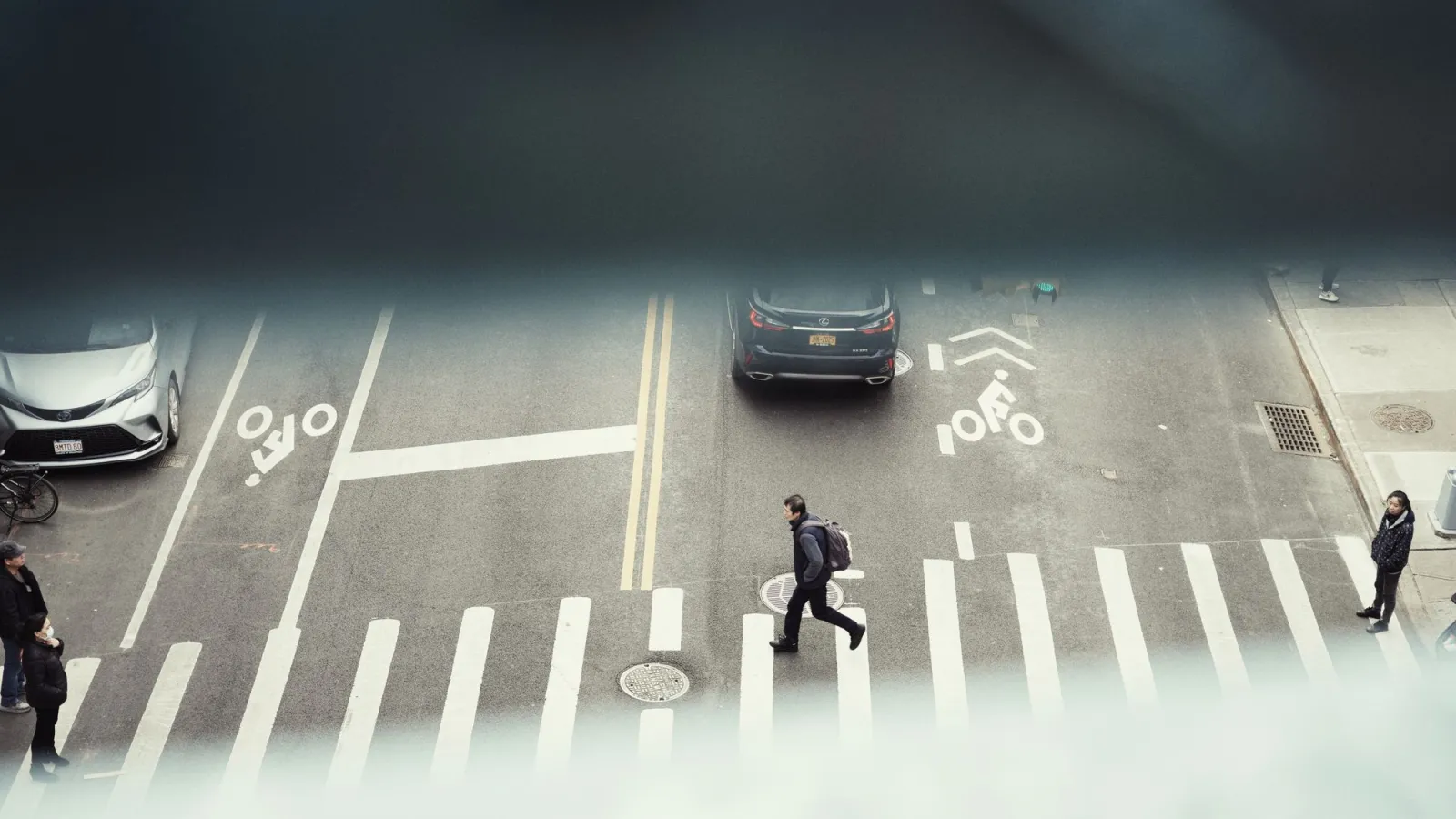
A traffic violation can be important evidence, but it does not by itself answer every question about civil responsibility. Investigators may consider visibility, lighting, weather, road layout, vehicle speed, braking, and whether the driver had time to react. A driver may also raise questions about the pedestrian’s conduct or argue that another factor caused the crash. Responsibility can be shared rather than assigned entirely to one person.
A police report may record observations, statements, and citations, but it is not always a complete account or a final decision on civil liability. Medical records can help document the injuries, while scene photographs and vehicle damage may help explain how the impact occurred. If the collision happened at a junction, the details may overlap with an intersection pedestrian accident, where turning movements and signal phases can be especially relevant.
Can a pedestrian share responsibility for the collision?
Yes, a pedestrian’s actions may be considered when deciding how responsibility should be divided. Depending on local rules, factors might include crossing outside a crosswalk, entering against a signal, stepping into traffic without looking, or being difficult to see. Those facts do not automatically establish that the pedestrian caused the crash; the full sequence and the driver’s conduct still matter.
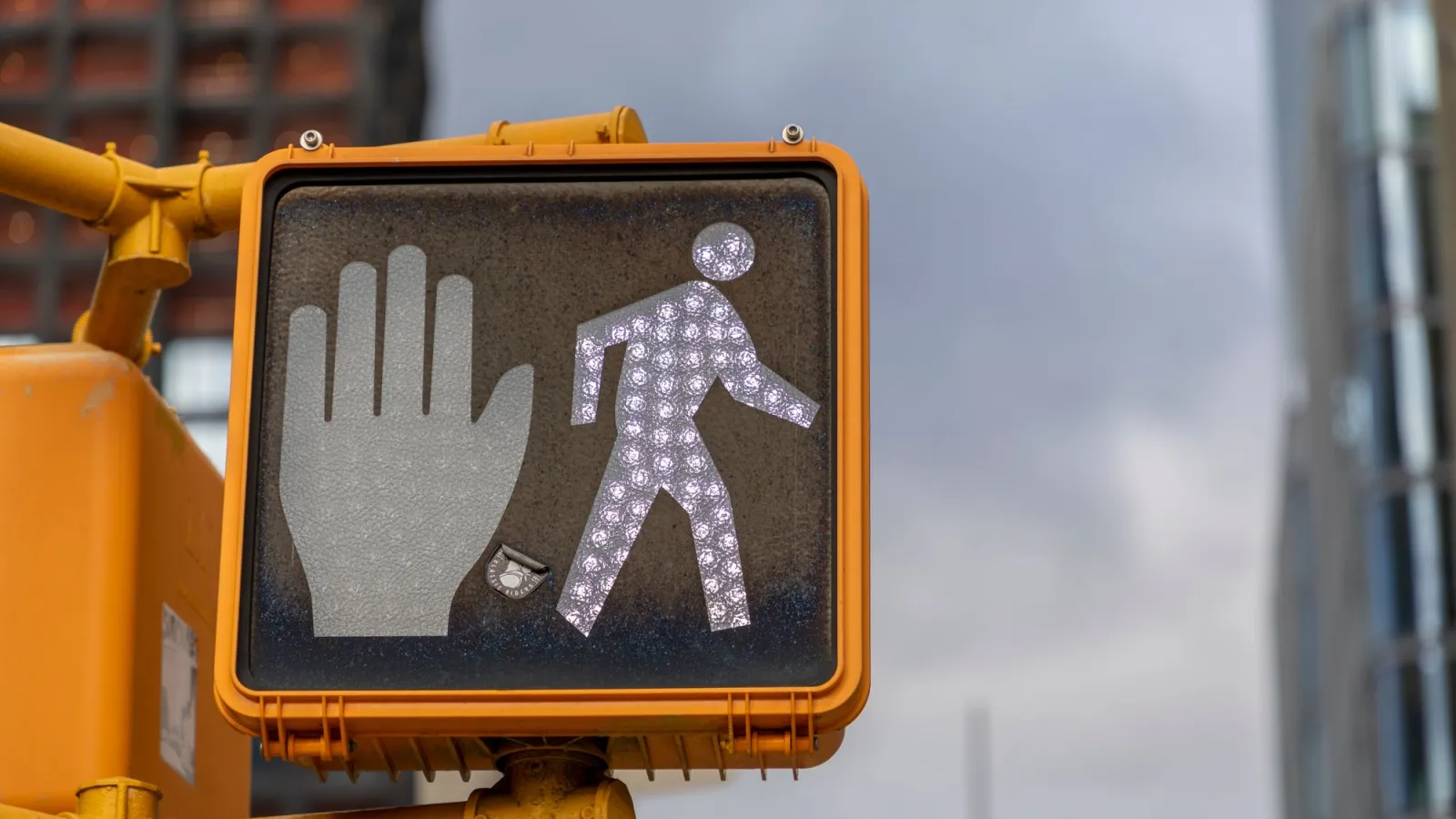
States use different approaches to shared fault. In some places, a person’s share of responsibility can reduce compensation; in others, it can limit or prevent recovery under particular circumstances. The way a factfinder assigns responsibility may also depend on evidence about visibility, distance, speed, and each person’s opportunity to avoid the impact. Avoid assuming that a traffic mistake makes a claim impossible.
Write down what you remember while the events are fresh, including where you entered the crossing, what the signal showed, and what you could see or hear. If you are unsure of a detail, identify it as uncertain rather than filling in gaps. Be cautious about giving recorded statements or signing documents before you understand what they ask and how your account may be used. A lawyer familiar with Pedestrian Accidents can explain how the applicable fault rules may affect your situation.
What evidence can help show how the crash happened?
Evidence that preserves the scene, the people involved, and the timing can help establish how a crosswalk collision occurred. Useful material may include photographs of the crossing and traffic controls, contact details for witnesses, nearby business or traffic-camera footage, vehicle damage, and records of calls to emergency services. Video can be overwritten, so prompt requests may matter.
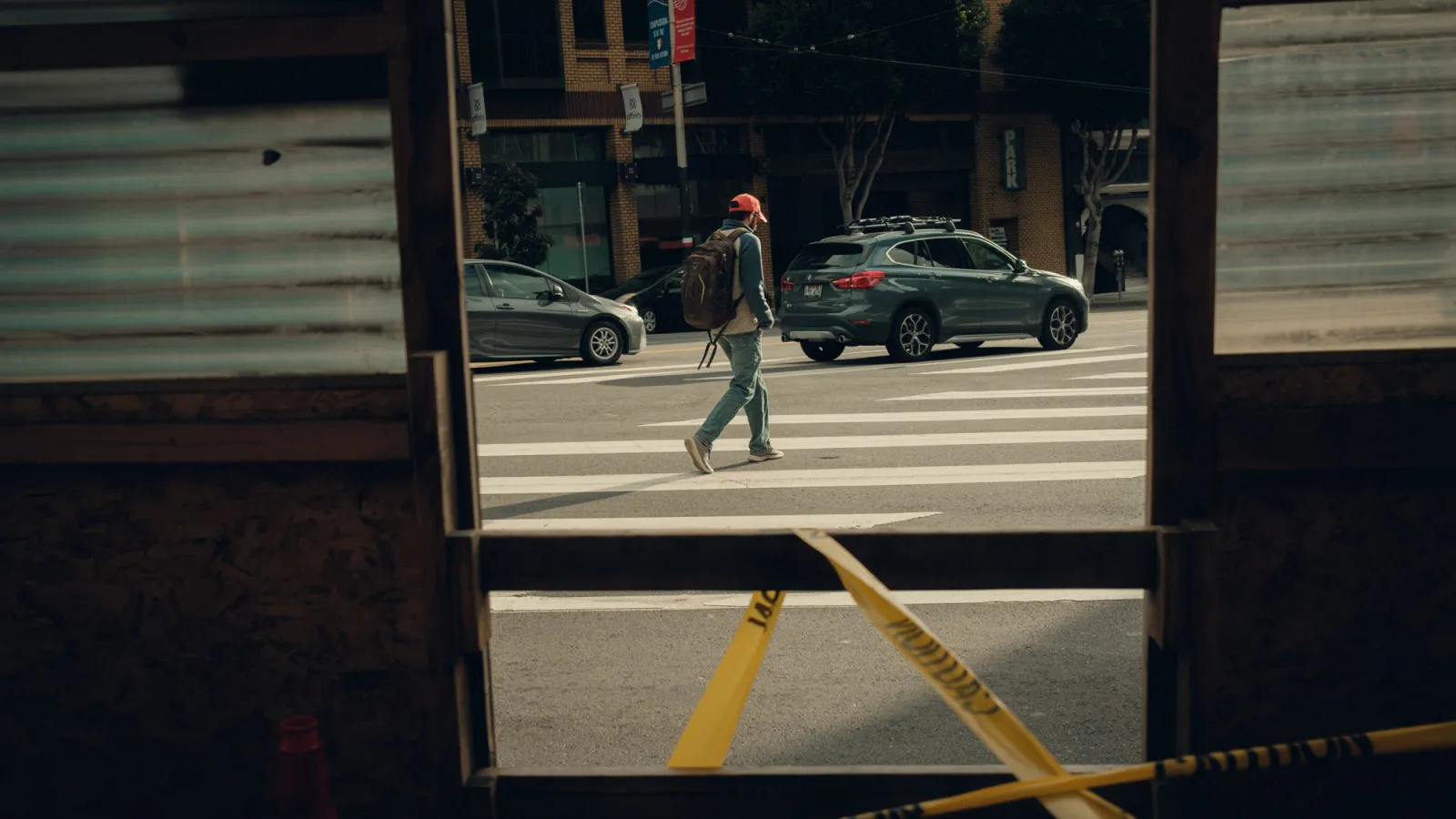
Take these steps when it is safe and practical:
- Photograph the crossing, signals, signs, sight lines, and visible damage from several angles.
- Record the names and contact information of witnesses and note what each person observed.
- Keep copies of incident reports, medical records, bills, and communications from insurers.
- Ask promptly whether nearby cameras recorded the collision, and preserve any available footage.
Keep original files and note when and where images or notes were created. Do not alter photographs or post detailed assumptions about fault online. A report may contain errors or incomplete information, so compare it with your own records and other evidence. If you have injuries, follow-up care can also create a clearer record of symptoms and treatment, though medical documentation does not by itself determine who was at fault.
How do insurance and a potential claim fit together?
An insurance claim generally asks whether someone’s conduct caused harm and what losses can be supported, but an insurer’s position is not a court ruling. An adjuster may request a statement, records, or permission to review medical information. You can ask what the request covers and keep copies of what you provide. Be accurate and avoid guessing about details you do not remember.
Potential losses can include medical expenses, lost income, and the effects of an injury on everyday activities. Which losses may be recoverable, what proof is needed, and how fault affects payment depend on the facts and state law. A settlement offer may require you to release claims, so understand its terms and what future care or expenses may remain before deciding how to respond.
Organize documents by date and keep a simple record of treatment, missed work, expenses, and communications. Do not assume that a police report or an insurer’s first explanation settles the issue. If you want help reviewing the circumstances, a Consultation can provide a chance to discuss the evidence, possible responsibility, and questions about the claims process.
What if the crosswalk was unmarked or the pedestrian was crossing nearby?
The absence of painted crosswalk lines does not necessarily mean there was no legal crossing or that a driver had no duty to use care. Some intersections may have unmarked crosswalks under local law, while rules for crossing between intersections can differ. The location of the pedestrian, nearby intersections, signs, signals, and road design may all affect the analysis.
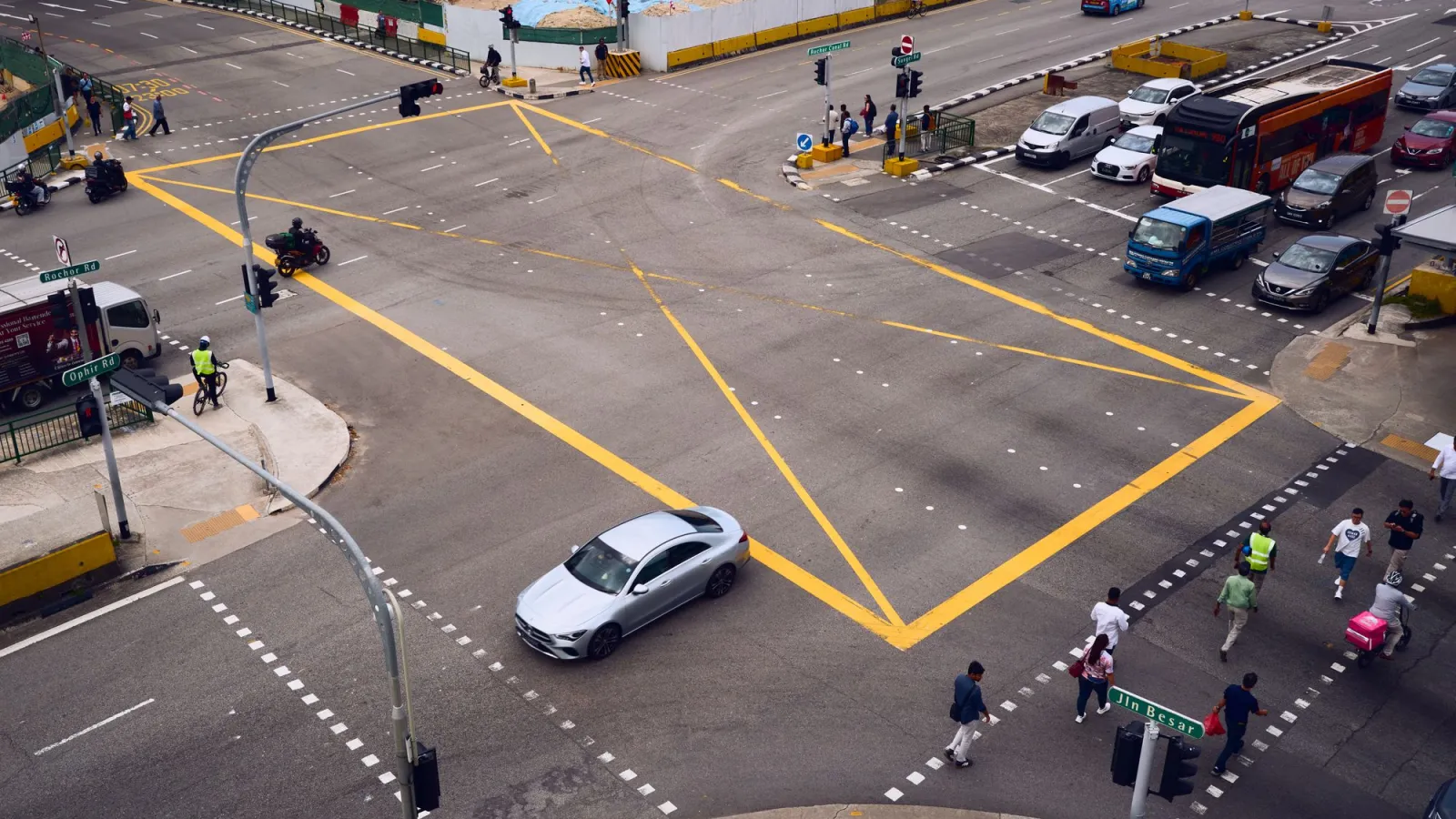
A person crossing outside a marked area may still have a potential claim if a driver’s unsafe conduct caused the collision. At the same time, the pedestrian’s choice of crossing location may be considered under the relevant fault rules. Investigators may look at whether the crossing was visible, whether obstacles blocked sight lines, and whether either person had a reasonable opportunity to avoid impact.
Record the exact location rather than describing it only as “near the corner.” Note nearby driveways, medians, parked vehicles, bus stops, construction, and other features that could have affected visibility or movement. If you can do so safely, take photos showing the broader roadway as well as the immediate impact area. Because crossing definitions can be technical and vary by jurisdiction, the markings alone may not resolve who had the right-of-way or whether a driver is responsible.
Which state-law differences can affect a crosswalk claim?
State law can affect how a crosswalk accident claim is evaluated, including what counts as a crosswalk and when a driver or pedestrian must yield. States also differ in how they divide fault, whether a person’s own conduct limits recovery, and what damages may be available. Those differences can change the significance of the same facts from one jurisdiction to another.

Filing deadlines, damage caps, and special notice rules may also apply. The deadline can depend on who may be responsible, the type of claim, and whether a public entity or government vehicle is involved. A notice requirement may come before a lawsuit deadline, so identifying the correct process matters. Do not rely on a general online summary to determine the deadline for a particular collision.
The law that applies is usually tied to where the crash occurred, though other facts may matter in unusual situations. Keep records of the collision date and location, all involved parties, and any communications from a public agency or insurer. If you are unsure which rules control, a local attorney can review the jurisdiction and explain how its requirements relate to your circumstances.
Frequently Asked Questions
Does a traffic citation decide who is responsible?
A citation may be relevant evidence, but it does not necessarily decide civil liability or the full division of fault. The circumstances, available evidence, and applicable law also matter.
What if there were no witnesses to the collision?
A claim may still be assessed using other evidence, such as scene photographs, vehicle damage, medical records, video, and the accounts of the people involved. The absence of an independent witness can make some details harder to establish, but it does not automatically end the inquiry.
Can I make a claim if I was not hit directly by the vehicle?
Possibly. The relevant questions include how the incident happened, whether someone’s conduct caused your injury, and what evidence supports that connection. The details and applicable law will determine whether a claim is available.
Why might an insurer ask for a recorded statement?
An insurer may seek your account to evaluate the collision and the claimed injuries. You can ask who the insurer represents, what topics it wants to cover, and whether the statement is voluntary before agreeing.
What information should I keep after the crash?
Keep records of treatment, expenses, missed work, photographs, witness contacts, and communications about the collision. A dated timeline can help you organize what happened and identify details that still need to be confirmed.
Next Steps
If you were injured in a crosswalk accident, request a free case evaluation to discuss the location, available evidence, and how state rules may affect your options. You can also ask for a review of an insurance offer or help checking applicable deadlines. Request a free case evaluation

Related Articles

Rideshare Accidents Involving Food Delivery Drivers
A crash involving a rideshare driver and a food delivery driver can raise questions about fault, app status, and which insurance policies may apply. Learn what evidence can help clarify your options.
Arbitration Clauses in Rideshare Terms of Service
A rideshare arbitration clause may affect how you pursue certain injury claims, but its reach depends on the agreement, the parties, and the facts. Learn what to check after a crash.

Robotaxi and Driverless Ride Accidents: Liability Questions
Responsibility for a robotaxi crash depends on what caused it and who had a role in the vehicle’s operation, design, or upkeep. Learn which evidence may help clarify your options.
