


In this article
- Why might an insurer deny a car accident claim?
- What should you do after receiving a denial?
- How can you challenge the insurer’s decision?
- What evidence can help address a denial?
- What if the insurer says you caused the crash?
- What options do you have if the denial stands?
- How can state law affect a denied car accident claim?
- Frequently Asked Questions
- Next Steps
If your car accident claim is denied, read the insurer’s written explanation and compare its reasons with your policy, the available evidence, and the claim you filed. Ask for clarification if anything is unclear, keep records of your communications, and check for deadlines that may apply to an appeal, complaint, or legal action.
Key Facts
- A denial may concern coverage, fault, evidence, or a policy requirement.
- The insurer’s explanation can help identify what information or policy language it relied on.
- Keep copies of claim documents and a record of calls, messages, and letters.
- Deadlines and procedures vary by policy and state.
- A denial is different from an offer to settle for less than you requested.
Why might an insurer deny a car accident claim?
An insurer may deny a car accident claim because it believes the policy does not cover the loss, the evidence does not support the claim, or a policy requirement was not met. The reason can differ depending on whether you filed with your own insurer or the other driver’s insurer. For an overview of collision-related claims, see Car Accidents.

Common explanations include a dispute about who caused the crash, a claim that the reported damage or injury is unrelated to the collision, or a disagreement about what the policy covers. The insurer might also say the policy was not active, an exclusion applies, or a required notice or document was missing or late. These are the insurer’s stated positions, not necessarily a final determination of what the facts or policy mean.
A denial can also reflect incomplete information rather than a settled dispute. For example, the adjuster may not have received a medical record, repair estimate, witness account, or other item needed to evaluate the claim. Read the denial carefully to see whether the insurer is refusing the entire claim, denying only part of it, or asking for more information.
What should you do after receiving a denial?
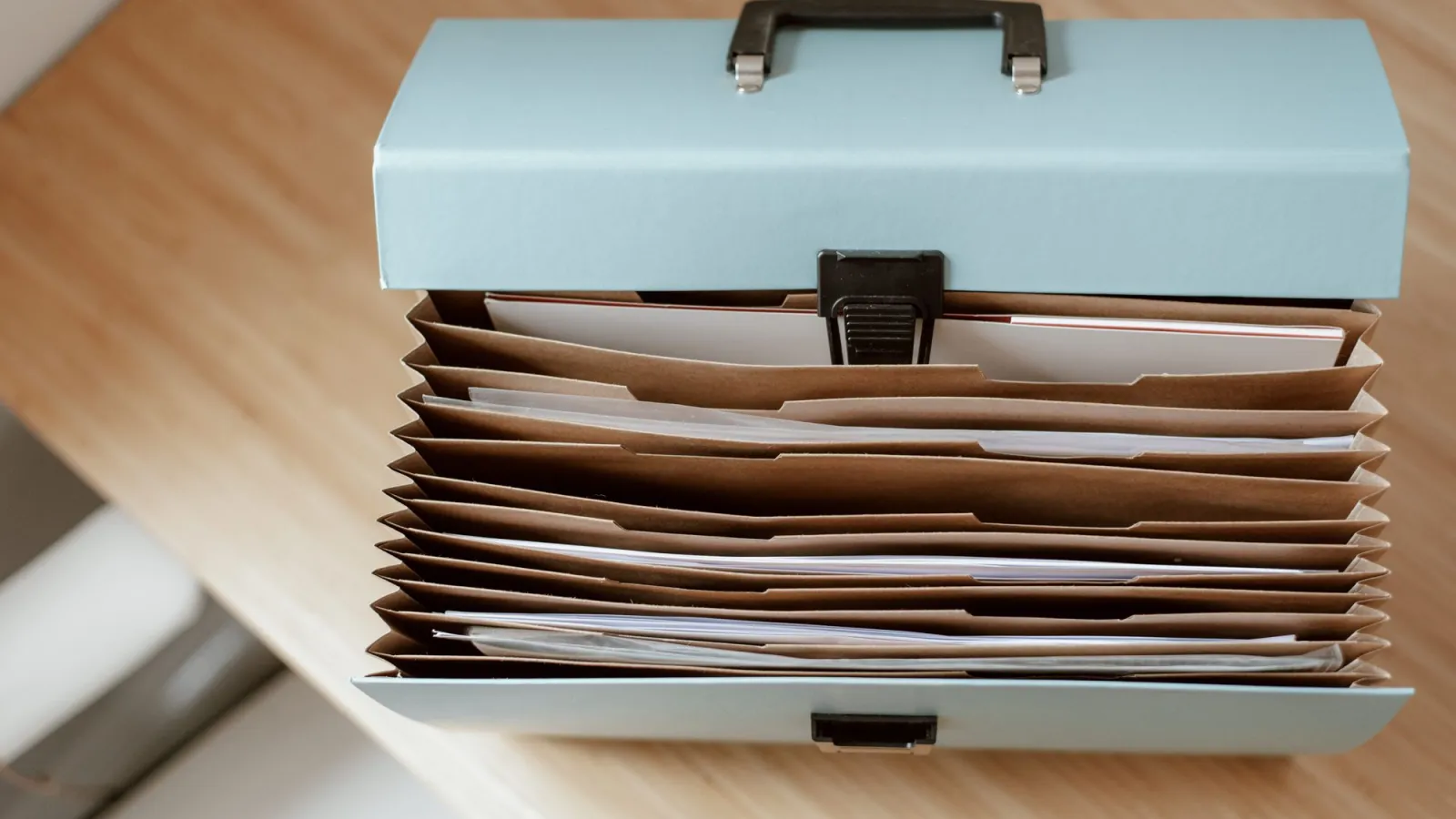
After receiving a denial, preserve the letter and claim file, note any response dates stated by the insurer, and organize the documents connected to the crash. Avoid relying on a phone explanation alone; written records make it easier to understand the stated reason and follow up accurately.
Take these steps in order:
Start by identifying which insurer denied the claim and whether the decision concerns all losses or only particular expenses. Then read the explanation alongside the policy, if it is your insurer, and note any policy terms or facts the insurer cites. If the reason is unclear, ask the adjuster to explain it in writing and identify any missing material.
Keep a dated log of calls and save emails, letters, photos, estimates, bills, and claim forms. Do not discard original documents or alter photos. If you send additional information, keep a copy and make a record of when and how you sent it. This organized file can help you spot factual mistakes, answer the insurer’s concerns, or explain the dispute to a regulator or attorney.
- Save the denial and related claim records.
- Identify the specific reason and scope of the denial.
- Request written clarification and note any stated response dates.
- Keep copies of everything you send or receive.
How can you challenge the insurer’s decision?
You can challenge a denial by responding to the insurer’s stated reasons with relevant policy language, evidence, or a correction of factual errors. Follow any review or appeal process described in the letter or policy, but do not assume that an internal appeal pauses other deadlines that may apply.

Prepare a focused response. Address each reason separately, explain what you believe is inaccurate or incomplete, and attach documents that support your position. If the insurer relied on a missing record, provide it if available; if it relied on an incorrect account of the crash, point to specific evidence that differs. Ask the insurer to confirm receipt and explain what happens next.
If the insurer maintains the denial, ask for its final position and the basis for it in writing. Depending on the issue, you may be able to raise a complaint with your state insurance regulator or seek legal help to review the policy, evidence, and available options. A complaint process is not a substitute for checking any separate deadlines. Keep your communications factual and professional, and avoid signing a release or accepting payment without understanding what claims it may resolve.
- Check the policy and denial letter for review procedures.
- Respond to each stated reason with relevant documents or corrections.
- Keep proof of delivery and request a written response.
- Check for other deadlines even while an appeal is pending.
What evidence can help address a denial?
Evidence that directly addresses the insurer’s reason for denying the claim is most useful. The right material depends on whether the dispute is about how the crash happened, the cause of your injuries, the amount of damage, or what the policy covers.

For a dispute about the collision, potentially relevant records include photos or video, a crash report, witness contact information, vehicle damage documentation, and communications with the insurer. For an injury dispute, medical records and bills may help document treatment and timing; for repair costs, estimates, invoices, and photographs may clarify the claimed damage. A professional’s opinion may be relevant in some disputes, but its usefulness depends on the specific facts.
Keep the source and date of each item clear, and avoid presenting a guess as a fact. If a road condition may have contributed to the crash, preserve relevant photographs and report details; some cases involve questions about Defective Road Design Accident Claims. Do not assume that one document proves the whole claim. The goal is to connect reliable information to the exact issue the insurer identified.
What if the insurer says you caused the crash?
If the insurer says you caused the crash, the dispute is about liability, and the available evidence and state fault rules may affect how responsibility is assessed. An insurer’s position is not automatically the same as a court’s decision, but it can affect whether the insurer accepts or values a claim.
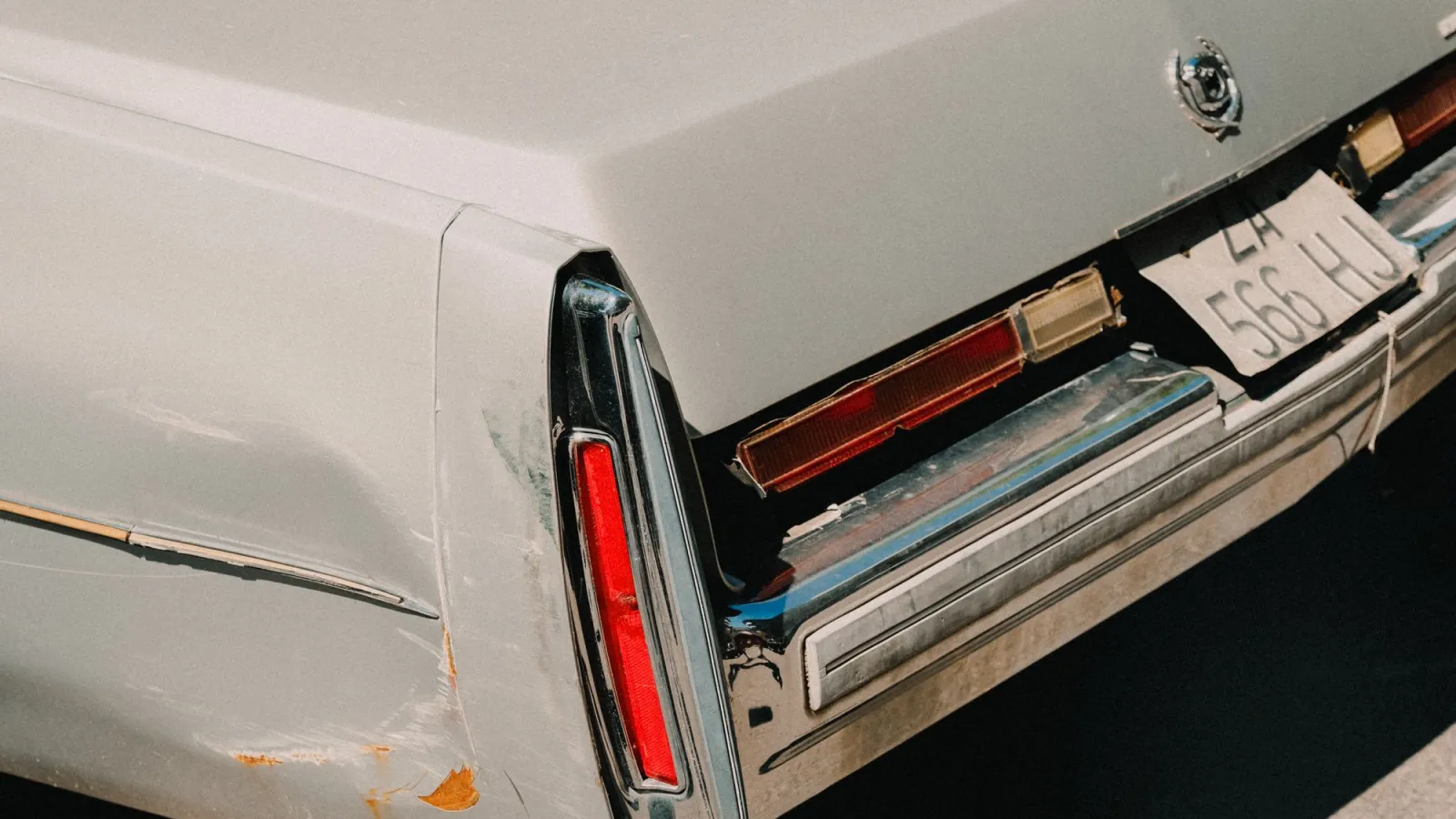
Review the explanation for the facts the insurer relied on, such as vehicle positions, statements, or the timing of events. Compare those points with photographs, witness accounts, the crash report, and other records. If the account contains an error, identify it specifically and provide supporting material where possible. Avoid assuming that a crash type alone settles fault; even a rear-end collision can involve disputed circumstances.
Some states use rules that reduce or limit recovery based on a person’s share of fault, while the details differ. If more than one person or a road condition may have contributed, make that clear in your response without overstating what the evidence shows. Consider getting help to understand the rules that apply to your situation, especially if the insurer’s fault decision affects a significant part of the claim.
What options do you have if the denial stands?
If the insurer maintains its denial, you may be able to request another review, file a complaint with the state insurance regulator, pursue a claim through another applicable source of coverage, or discuss legal options with an attorney. Which routes are available depends on the policy, the facts, and state law.

A regulator may review concerns about an insurer’s handling of a claim, but the regulator’s role and process vary. Follow the regulator’s instructions and provide a concise timeline, the denial, relevant policy pages, and your supporting records. A complaint does not necessarily decide fault, require payment, or extend a deadline for taking other action.
You can also ask an attorney to review the denial, policy language, evidence, and any time limits that may apply. This can be useful if the denial involves disputed fault, a complicated coverage issue, or substantial injury or damage. Before accepting a settlement or signing a release, make sure you understand what claims it covers. Keep copies of all communications and continue documenting expenses and claim developments while you consider your options.
How can state law affect a denied car accident claim?
State law can affect the deadlines, fault rules, damage limits, and notice requirements that apply to a car accident claim. Those rules may differ depending on the type of claim and who you are pursuing, so a general article cannot determine which rules govern your situation.

Check the policy and denial letter for contract-related procedures, and seek state-specific information about legal deadlines and any required notices. Do not assume that an insurer’s appeal process changes a separate legal deadline. A lawyer familiar with the relevant state’s rules can help review how they may apply to your circumstances.
Frequently Asked Questions
Does a denial letter explain the insurer’s reason?
The letter may describe the reason and identify policy terms or facts the insurer relied on. If the explanation is vague or incomplete, ask the insurer to clarify its position in writing and identify any information it says is missing.
Can you reopen a denied insurance claim?
Sometimes an insurer will review a decision after receiving additional information or a request for review, but the process depends on the policy and the insurer. Check the denial letter and policy for instructions, and keep track of any separate deadlines.
Is a low settlement offer the same as a claim denial?
No. A low offer generally means the insurer is willing to pay an amount but disputes the value of the claim; a denial refuses coverage or payment for some or all of it. You can ask how the offer was calculated and what claims it would resolve.
Can you use your own insurance after the other driver’s insurer denies your claim?
Possibly, depending on the coverages in your policy, the circumstances, and any applicable requirements. Review your policy and contact your insurer to ask whether a coverage may apply; a payment under your policy may involve separate terms or procedures.
Should you accept payment while disputing part of a claim?
It depends on what the payment and any related documents mean. Before signing a release or accepting a payment described as a full settlement, clarify in writing which losses or claims it would resolve.
Next Steps
Request a free case evaluation to discuss the denial, review an insurance offer, or check deadlines that may apply. You can arrange a Consultation and bring the denial letter, policy, and claim records for review.

Related Articles

Rideshare Accidents Involving Food Delivery Drivers
A crash involving a rideshare driver and a food delivery driver can raise questions about fault, app status, and which insurance policies may apply. Learn what evidence can help clarify your options.

Arbitration Clauses in Rideshare Terms of Service
A rideshare arbitration clause may affect how you pursue certain injury claims, but its reach depends on the agreement, the parties, and the facts. Learn what to check after a crash.

Robotaxi and Driverless Ride Accidents: Liability Questions
Responsibility for a robotaxi crash depends on what caused it and who had a role in the vehicle’s operation, design, or upkeep. Learn which evidence may help clarify your options.
