


In this article
- Can you sue Uber or Lyft directly after a crash?
- When might a rideshare company be directly responsible?
- How does the driver’s app status affect a claim?
- Who else might be named in a rideshare injury claim?
- What evidence can help show whether the company is responsible?
- What should you expect if you pursue a claim?
- What rules vary by state?
- Frequently Asked Questions
- Next Steps
Sometimes. You may be able to name Uber or Lyft in a lawsuit when facts and applicable law support a claim against the company, not just its driver. A driver’s use of the app alone does not automatically make the company responsible. The driver, other parties, and available insurance may also matter.
Key Facts
- A rideshare company is not automatically liable for every crash involving a driver who uses its app.
- A claim may focus on the driver’s conduct, the company’s own conduct, or both.
- App status at the time of the crash can affect which insurance coverage may apply.
- State laws can affect liability, deadlines, fault rules, and available damages.
- App records, trip details, and crash evidence can help clarify who may be responsible.
Can you sue Uber or Lyft directly after a crash?
Sometimes, you can sue Uber or Lyft directly after a crash, but the facts and applicable law must support a claim against the company. You may also have a claim against the driver or another person or business whose conduct contributed to the collision.

A driver’s use of a rideshare app does not, by itself, establish that the company is legally responsible. The company may argue that the driver was an independent contractor or that the crash resulted from conduct outside the company’s responsibility. Those arguments do not automatically decide the issue; the legal test and evidence matter.
A lawsuit may name more than one party while responsibility is investigated. Naming a company is different from proving it is liable, and having a potential claim is different from knowing what insurance or other resources may be available. The details can depend on what the driver was doing in the app and what caused the crash.
If you were hurt while using a rideshare service, a review of Rideshare and Taxi Accidents can help you understand the types of claims that may arise. The key question is not only whether the driver was connected to a platform, but whether there is a legal basis to hold the platform responsible.
When might a rideshare company be directly responsible?
A rideshare company may face a direct claim if evidence supports the conclusion that the company’s own conduct contributed to the crash or your injuries. This is different from a claim that seeks to hold a company responsible for what its driver did.
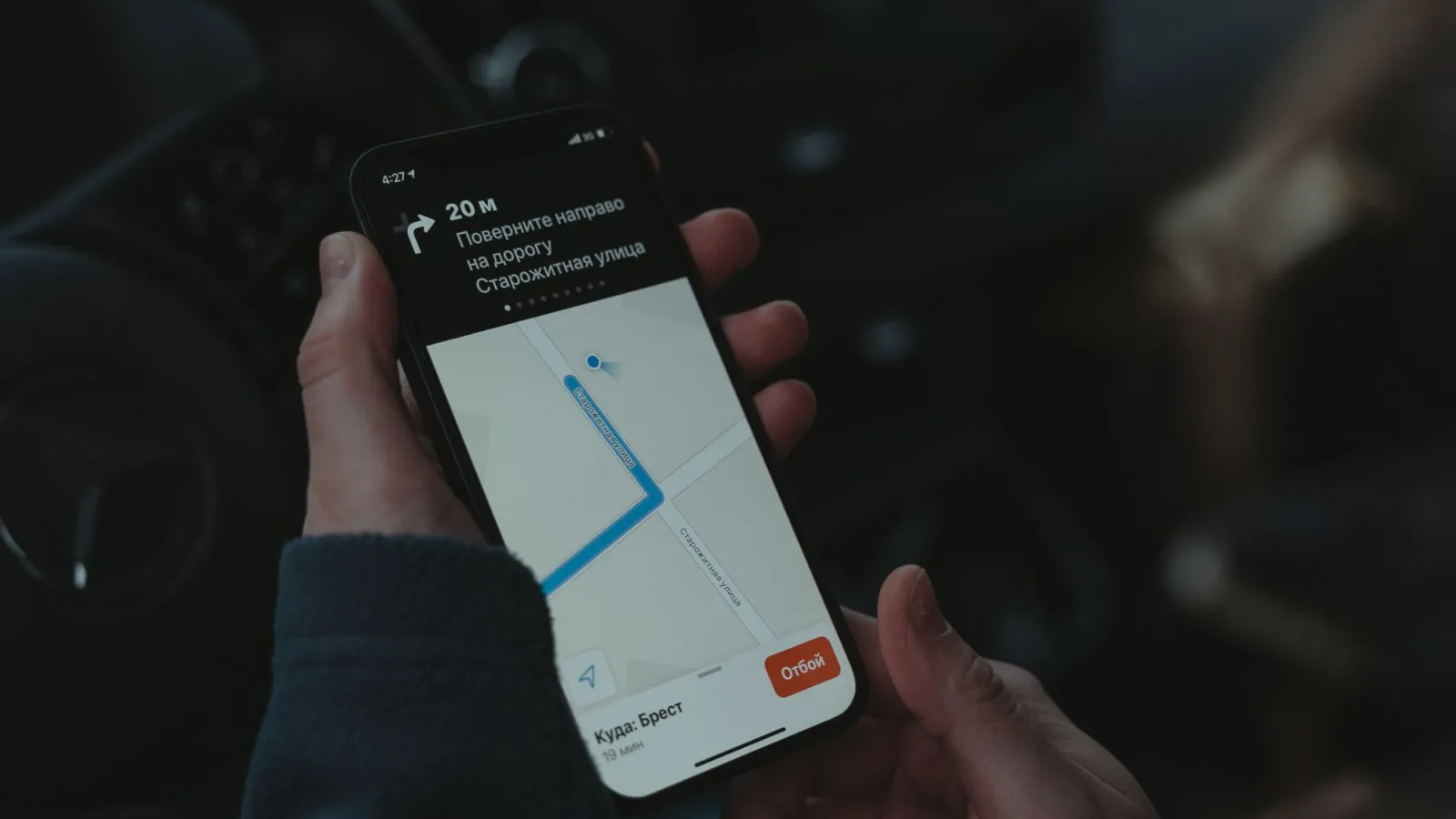
Depending on the facts and local law, a direct-negligence theory might examine company decisions involving driver screening, training, safety procedures, or how the app operates. A claim still needs evidence connecting the alleged failure to the collision or the harm you experienced. A safety concern, by itself, does not establish that connection.
Other legal theories may apply in some situations, but they depend on the relationship between the company, driver, and events. For example, the parties may dispute whether the company had a role or level of control that matters under the governing legal test. Company policies and app records may be relevant, but they do not answer the legal question on their own.
These issues can be difficult to assess from the outside because important information may be held by the company or other parties. A claim involving Uber Accidents, for example, may require examining the driver’s activity, company records, and the circumstances of the crash rather than relying only on the fact that Uber was involved.
How does the driver’s app status affect a claim?
The driver’s app status at the time of the crash can affect which insurance coverage may be available and which parties may be involved in a claim. It does not, by itself, decide whether Uber or Lyft is legally liable for your injuries.

Relevant circumstances can include whether the driver was offline, had logged in and was available for a ride, had accepted a trip, or was transporting a passenger. The precise coverage and legal significance of each phase depend on the policy terms and applicable law. A driver’s account of their app activity may also need to be checked against records.
A company’s insurance policy is not the same thing as a lawsuit against the company. Insurance may provide a route for seeking compensation without resolving whether the company itself is legally responsible. Conversely, a potential claim against a company does not automatically establish what coverage applies or what a policy will pay.
Save any trip receipt, ride confirmation, or communications you have. If you were a passenger, your account records may help identify the trip and driver. For a claim involving Lyft Accidents, details about the driver’s activity and the trip can be important when determining which coverage or parties to investigate.
Who else might be named in a rideshare injury claim?
A rideshare injury claim may involve the driver, the rideshare company, another motorist, or another party whose actions contributed to the crash. Which parties may be named depends on the evidence and the rules that apply where the collision happened.

For example, a different driver may have caused the crash, or more than one person’s conduct may have played a role. In some situations, the condition of a vehicle or roadway may also raise questions about another party’s responsibility. These possibilities need factual support; the presence of a rideshare vehicle does not identify who caused the collision.
The driver’s role can vary too. You might have been a passenger, a person in another vehicle, a pedestrian, or a cyclist. Your relationship to the trip may affect what records are available and which insurance policies may be relevant, but it does not alone establish fault.
A claim can begin with uncertainty about who is responsible. Identifying potentially involved parties is part of investigating the event, not a conclusion that each party is liable. Preserving records and documenting what you know can help distinguish between a driver-related claim, a company-related claim, and a claim involving someone else.
What evidence can help show whether the company is responsible?
Evidence that identifies the driver’s activity, explains how the crash happened, and documents your injuries can help assess whether a claim against the company is supportable. No single record necessarily answers every question.
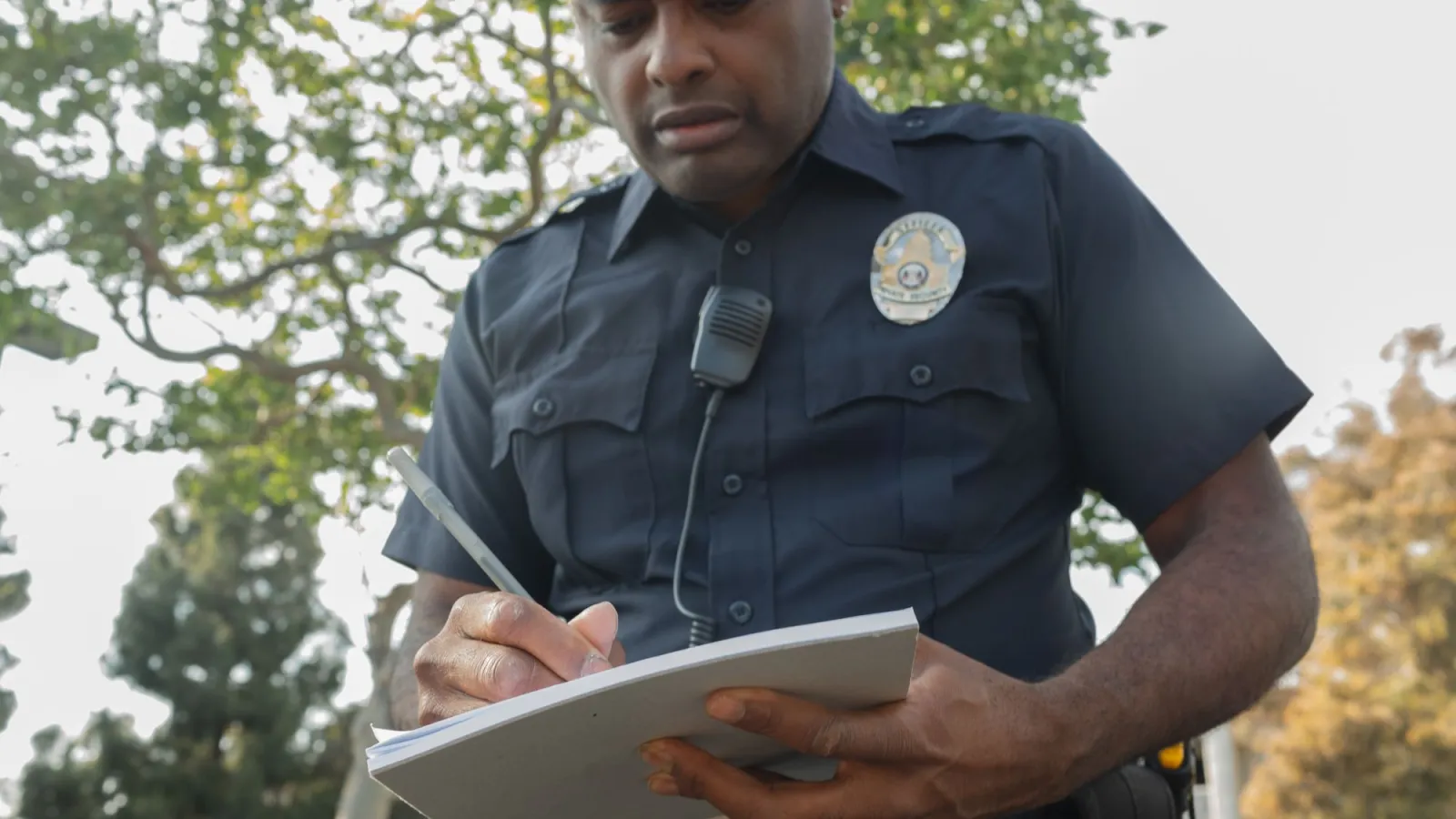
Useful materials may include app or trip records, ride receipts, messages with the driver or company, photographs, video, witness contact details, and crash reports. Medical records can document the injuries and care you received. Keep original files when possible, and make a note of when and how you obtained them.
You can organize what is available to you in a practical order:
- Save trip confirmations, receipts, and relevant app communications.
- Preserve photos, videos, and contact information for witnesses.
- Keep records of medical visits, bills, and changes in your daily activities.
- Write down what you recall about the crash and the driver’s app or trip status, separating your observations from assumptions.
Some information, such as internal company records, may not be available to you directly. Do not try to access another person’s account. A lawyer can assess what records may be relevant and the appropriate way to seek them under the applicable rules.
What should you expect if you pursue a claim?
If you pursue a claim, the process generally involves identifying the parties, evaluating the evidence, determining what insurance may apply, and addressing disputed issues about fault and harm. The steps and timing vary with the facts and the rules in the place where the crash occurred.

An insurer may ask for information about the collision, your injuries, or your medical care. Keep copies of documents you provide and note communications you receive. If you are asked to sign a release or provide a recorded statement, understand what the request covers and how it may affect your claim before deciding how to respond.
A company may dispute responsibility, and the driver or another party may also deny fault. A claim can involve negotiations or a lawsuit, but naming a company does not ensure that it will be held responsible. The available evidence and legal standards shape how the dispute is assessed.
If you want help sorting out who may be responsible, an attorney can review the crash information, app records, and any insurance communications. You can learn more about Consultation and what information may be useful to have available for an initial discussion.
What rules vary by state?
State law can change how a rideshare injury claim is evaluated, so the same facts may raise different issues in different places. Rules may affect how fault is assigned, which legal theories are available, and whether a company can be responsible for a driver’s conduct.

Deadlines for bringing claims, damage limits, and notice requirements can also vary. The applicable rules may depend on where the crash happened and who is involved. Because a missed deadline or required notice can affect a claim, check the rules for the relevant location promptly with a qualified legal professional.
Frequently Asked Questions
Can you sue Uber or Lyft if you were not a passenger?
Possibly. A person in another vehicle, a pedestrian, or a cyclist may have a claim if a rideshare driver or another responsible party caused the crash. Whether the company can also be named depends on the facts and applicable law.
Does a driver’s independent-contractor status prevent a claim against the company?
Not automatically. That status may be part of the company’s defense, but the legal effect depends on the governing law and the circumstances. A separate claim based on the company’s own conduct may also raise different questions.
Can you make an insurance claim without suing the rideshare company?
Yes, a claim may involve an applicable insurance policy without a lawsuit against the company. Which policy may respond can depend on the driver’s app status, the policy terms, and state law.
What if you do not know whether the driver was on a trip?
You can still preserve the information you have, such as photos, witness details, and any ride-related records. The driver’s app activity may need to be confirmed through records or investigation.
Can a claim include both a driver and a rideshare company?
In some cases, a claim may name multiple parties while responsibility is evaluated. Whether each party can be held liable depends on the evidence and applicable legal rules.
Next Steps
If you were injured in a rideshare crash, contact a law firm for a free case evaluation, review of an insurance offer, or deadline check. You can bring any trip records, crash documents, and insurance communications you have. Request a free case evaluation

Related Articles

Rideshare Accidents Involving Food Delivery Drivers
A crash involving a rideshare driver and a food delivery driver can raise questions about fault, app status, and which insurance policies may apply. Learn what evidence can help clarify your options.
Arbitration Clauses in Rideshare Terms of Service
A rideshare arbitration clause may affect how you pursue certain injury claims, but its reach depends on the agreement, the parties, and the facts. Learn what to check after a crash.

Robotaxi and Driverless Ride Accidents: Liability Questions
Responsibility for a robotaxi crash depends on what caused it and who had a role in the vehicle’s operation, design, or upkeep. Learn which evidence may help clarify your options.
