

In this article
- Does rear-ending someone automatically make you at fault?
- What does a brake check mean in a crash claim?
- How can you document what happened?
- Which evidence can help establish fault?
- Can both drivers share responsibility?
- What if the insurer disputes your account?
- How can state law change a brake-check claim?
- Frequently Asked Questions
- Next Steps
A driver who rear-ends another vehicle is not automatically responsible for every part of the crash, and an accusation of brake checking does not prove the other driver caused it. Fault usually depends on the full circumstances, including driving behavior, following distance, road conditions, and evidence such as video, witnesses, and vehicle data.
Key Facts
- A rear-end impact alone may not show why the collision happened.
- A brake-check allegation needs supporting evidence, not just an assertion.
- Video, witness accounts, vehicle data, and physical damage may help clarify events.
- More than one driver may share responsibility, depending on applicable state law.
- Preserving evidence and keeping consistent records can help with an insurance review.
Does rear-ending someone automatically make you at fault?
No, a rear-end collision does not automatically prove that the rear driver is solely at fault. Investigators and insurers may consider whether you kept a reasonable following distance and whether the other driver stopped or braked abruptly, along with the road and traffic conditions.

The impact location can be important, but it does not tell the whole story. For example, a vehicle can be struck from behind after a sudden stop, but that fact alone does not establish whether the stop was necessary, intentional, or foreseeable. Likewise, saying the other driver brake-checked you does not establish that claim without evidence supporting it.
Fault may also be affected by distractions, speeding, poor visibility, a mechanical problem, or actions by another road user. The rules for deciding responsibility vary by state, so a collision report or an insurer’s initial assessment may not settle every issue.
If you are sorting out how the incident fits into a broader claim, the firm’s Rear-End Collisions information explains common issues in these crashes. The important question is what the available evidence shows about each driver’s conduct, not simply which vehicle hit the other.
What does a brake check mean in a crash claim?
A brake check generally means a driver suddenly brakes in a way another driver describes as intentional or unnecessary. The phrase is an allegation about conduct, not a legal finding, and it may be disputed by the other driver or an insurer.

A driver may brake sharply for a legitimate reason, such as traffic slowing, a hazard, or a vehicle entering the lane. The same sudden braking might look different if there was no apparent hazard and evidence suggests it was meant to intimidate or provoke the following driver. Context matters, and a brief account of the event may not capture it.
Your own driving is also relevant. A driver behind another vehicle may need to account for changing traffic and maintain enough space to react. Even if the lead driver braked suddenly, an insurer or factfinder may ask whether the following driver could have avoided the impact by leaving more room or paying closer attention.
Describe what you observed rather than relying only on labels like “brake check.” Note where each vehicle was, how traffic was moving, what you saw before braking, and what happened next. If you need broader information about vehicle-crash claims, see Car Accidents.
How can you document what happened?
Do not assume that a vehicle’s data recorder contains a complete explanation of the crash. What it records and how it can be accessed depend on the vehicle and circumstances. A qualified professional may need to interpret technical material alongside video, witness accounts, and physical evidence.
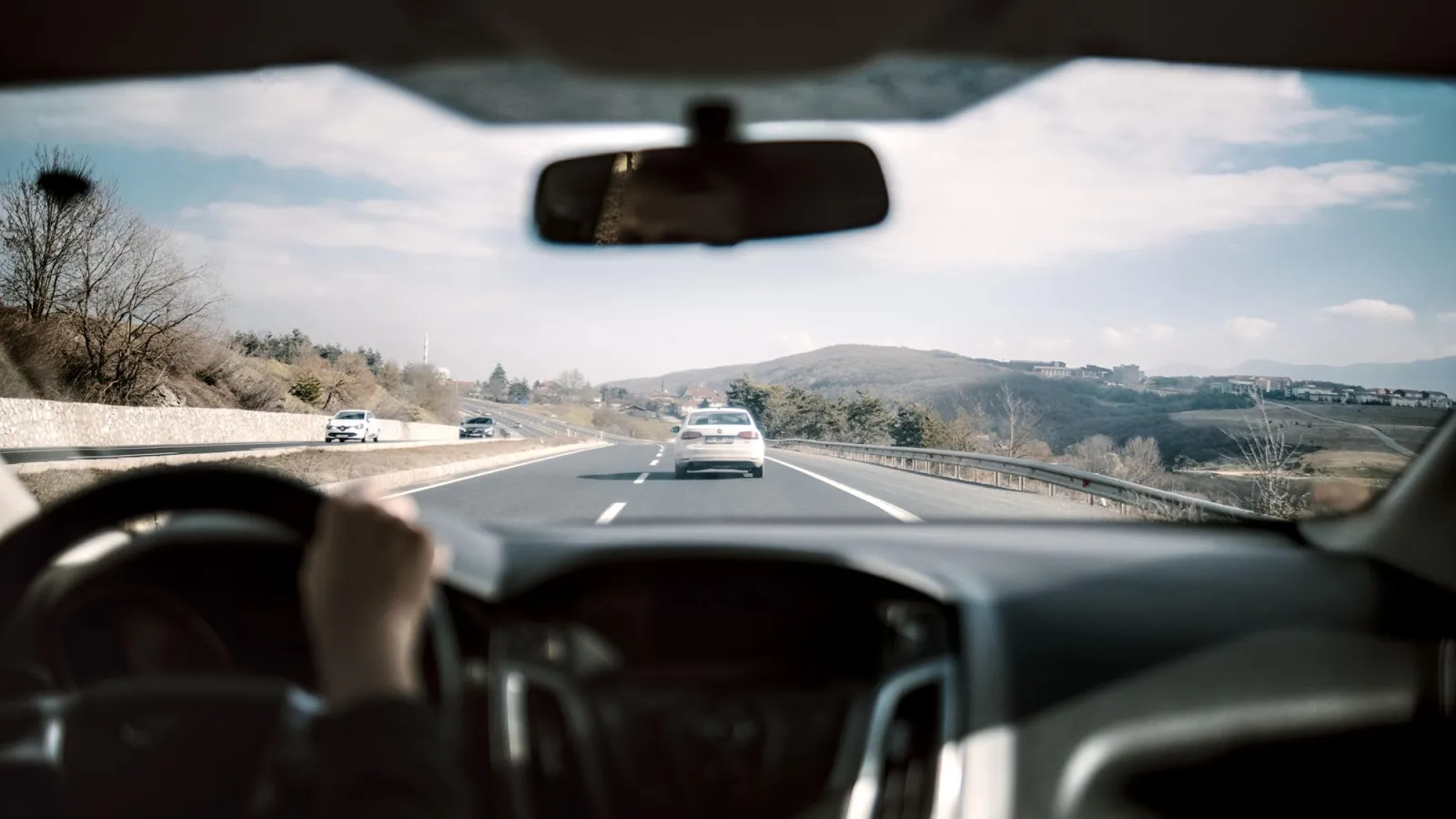
- Save dashcam or nearby-camera footage in its original form, and make a backup. Check whether the recording includes the moments before the impact as well as the collision.
- Write down your recollection, including traffic flow, road and weather conditions, distances as best you can estimate, braking, and any words exchanged. Mark estimates as estimates.
- Collect names and contact details for witnesses, and keep photographs of vehicle positions, damage, skid marks, traffic signals, and the surrounding roadway if available.
- Keep the collision report, repair records, medical records, and messages from insurers together. Ask promptly about preserving relevant vehicle data or other recordings, since some information may not remain available indefinitely.
Which evidence can help establish fault?
Evidence that helps establish fault is evidence that supports a reliable account of the drivers’ actions before and during the collision. No single item necessarily decides the issue; a consistent combination of independent details may be more persuasive than one driver’s description alone.
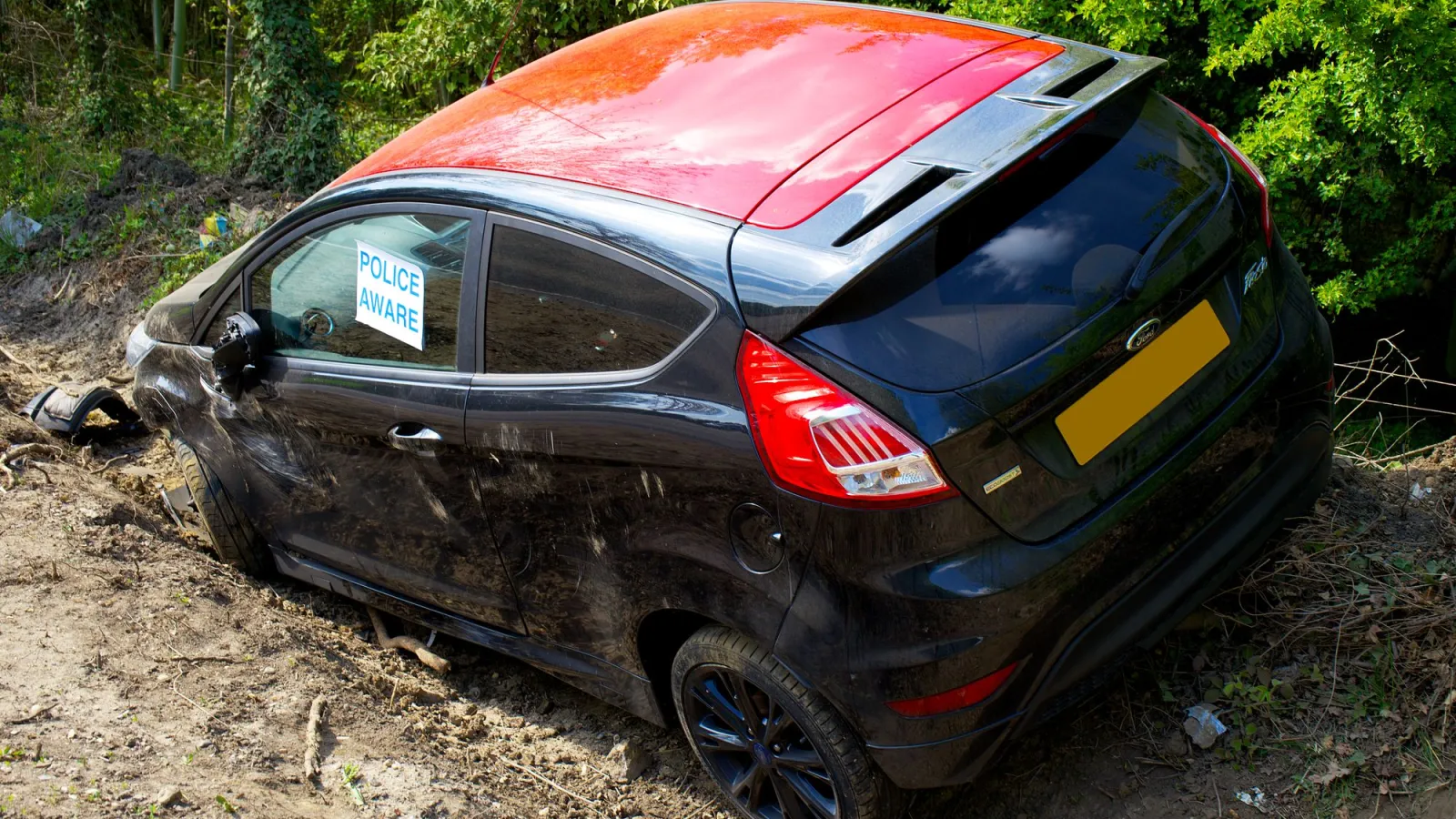
Dashcam footage can show lane position, traffic flow, braking, and the timing of events, though the camera angle or recording length may leave gaps. A witness who saw the events before impact may help distinguish a sudden hazard stop from unexplained braking. Nearby business or traffic-camera footage may also matter, but recordings can be overwritten or unavailable.
Vehicle damage, debris, roadway marks, and final vehicle positions can help explain the impact, but they do not always reveal why a driver braked. A police or collision report may document observations and statements, yet it may not include a final decision on civil responsibility. Medical and repair records can document the consequences of the crash, but do not by themselves establish who caused it.
A careful review compares all of these sources and looks for conflicts. For example, video that shows a hazard may support an explanation for braking, while a witness account or recording that contradicts a driver’s description may raise questions. Keep original files and note where each piece of evidence came from.
Can both drivers share responsibility?
Yes, both drivers may share responsibility if the evidence suggests that each contributed to the collision. A lead driver’s sudden braking does not necessarily erase the following driver’s role, and the following driver’s impact does not necessarily resolve whether the lead driver acted improperly.
The way shared fault affects a claim depends on state law. States use different approaches to allocate responsibility, and those rules can affect whether a person may recover damages and how a recovery may be adjusted. The effect can also depend on the specific facts and the type of claim.
Insurers may assess fault differently from one another, and an initial insurance position is not necessarily a final legal determination. Look for the factual basis behind the assessment: what evidence did the insurer review, what conduct did it attribute to each driver, and did it consider evidence that conflicts with its conclusion?
If you are comparing this situation with other types of crashes, the firm’s Head-On Collisions page discusses a different collision pattern. The same broad point applies: responsibility depends on the facts and the rules that govern the claim, not just the crash label.
What if the insurer disputes your account?
If an insurer disputes your account, respond with specific evidence and a clear timeline rather than repeating an unsupported conclusion. Ask what facts or records support its position, and review whether it considered available video, witnesses, photographs, and the collision report.

Keep communications factual and consistent. If you do not know an answer, say so rather than guessing. Avoid agreeing that you caused the crash simply to end a conversation, and read any documents carefully before signing or providing a recorded statement. Whether and how to respond can depend on your circumstances and state rules.
Create a record of what you send and when, and keep copies of letters, emails, claim forms, repair estimates, and relevant bills. If new evidence becomes available, identify it and explain what it shows without overstating its meaning. A disputed liability decision may take additional investigation, especially when drivers give conflicting accounts.
You can ask for a review of the evidence and an explanation of the insurer’s fault assessment. A legal professional can evaluate the facts and applicable rules, but no review can promise a particular result. Consider the full picture, including disputed liability, injury documentation, and any time-sensitive requirements.
How can state law change a brake-check claim?
State law can affect how fault is assigned, what happens when more than one driver contributed, and what deadlines or notice requirements apply. States may also differ in rules that affect damages and the procedures for making a claim, so a general explanation cannot determine the outcome for every location.

The state where the crash occurred may matter, and the relevant rules can depend on the type of claim and parties involved. Deadlines are short in some situations, and special notice rules may apply to claims involving certain entities. Do not rely on a general article to calculate a deadline; confirm the applicable rules promptly with a qualified professional.
When reviewing a brake-check allegation, keep the factual questions separate from the legal ones. Evidence may help establish what each driver did, while state law determines how that conduct affects responsibility and recovery. A case-specific review can help identify which rules and deadlines may apply.
Frequently Asked Questions
Does a police report decide who caused a brake-check crash?
A police report may record statements, observations, and scene details, but it does not always decide civil fault. An insurer or court may consider the report alongside video, witness accounts, vehicle damage, and other evidence. Check the report for errors and preserve your own supporting records.
Can dashcam footage prove the other driver brake-checked you?
Footage may help show what happened, especially if it captures the moments leading up to the impact. Its usefulness depends on the camera view, recording quality, and whether the relevant events are visible. It may support or contradict an account, but it does not necessarily establish intent on its own.
What if there were no witnesses to the collision?
A claim can still be evaluated without an independent witness. Video, photographs, vehicle damage, reports, and other records may help establish the sequence of events. Keep your account factual and preserve any evidence that may clarify details the drivers dispute.
Should you admit fault when speaking with an insurer?
Give accurate information about what you observed and did, but do not guess or adopt a conclusion you do not understand. Ask the insurer to explain its questions and keep a record of the conversation. If you are unsure how a statement may affect your claim, get advice specific to your situation.
Can you still have a claim if you were partly responsible?
Possibly, but the effect of shared responsibility depends on the law that applies and the facts of the crash. Evidence about each driver’s conduct can matter to how fault is allocated. A case review can help explain the issues without predicting an outcome.
Next Steps
If you are unsure whether the evidence supports your account, request a free case evaluation to discuss the collision and the insurance response. You can also ask for a review of an insurance offer or a check of potentially applicable deadlines through a Consultation.

Related Articles

Rideshare Accidents Involving Food Delivery Drivers
A crash involving a rideshare driver and a food delivery driver can raise questions about fault, app status, and which insurance policies may apply. Learn what evidence can help clarify your options.
Arbitration Clauses in Rideshare Terms of Service
A rideshare arbitration clause may affect how you pursue certain injury claims, but its reach depends on the agreement, the parties, and the facts. Learn what to check after a crash.

Robotaxi and Driverless Ride Accidents: Liability Questions
Responsibility for a robotaxi crash depends on what caused it and who had a role in the vehicle’s operation, design, or upkeep. Learn which evidence may help clarify your options.
