

In this article
- When may a reversing driver be liable for a backover accident?
- What evidence can help show how the collision happened?
- How do location and vehicle conditions affect fault?
- Can a pedestrian share responsibility for a backover collision?
- What should you do to document a potential claim?
- How does insurance evaluate a backover accident claim?
- What losses may be considered after a backover injury?
- How can state law change a backover accident claim?
- Frequently Asked Questions
- Sources
- Next Steps
A driver may be liable for a backover accident when they failed to take reasonable care while reversing and that failure caused a pedestrian’s injuries. The facts matter: visibility, warnings, surroundings, and what the driver and pedestrian did can all be relevant. Evidence and state rules help determine whether a claim is supportable.
Key Facts
- A driver reversing must use reasonable care under the circumstances.
- Visibility, blind spots, surroundings, and available warnings can matter.
- A pedestrian’s actions may also be considered when deciding fault.
- Photos, witness details, video, and medical records may help document a claim.
- State rules can affect deadlines, fault allocation, and available damages.
When may a reversing driver be liable for a backover accident?
A reversing driver may be liable when they fail to use reasonable care and that failure causes a pedestrian’s injuries. Liability is not automatic just because a vehicle was backing up; the circumstances and evidence must support the claim.

A driver may need to check the area behind the vehicle, use available mirrors or cameras, and respond to hazards that a reasonably careful driver could notice. The specific steps that are reasonable can depend on the vehicle, the location, visibility, and whether people are nearby. A driver who reverses into an area without checking, ignores a visible pedestrian, or continues backing despite a warning may have acted carelessly.
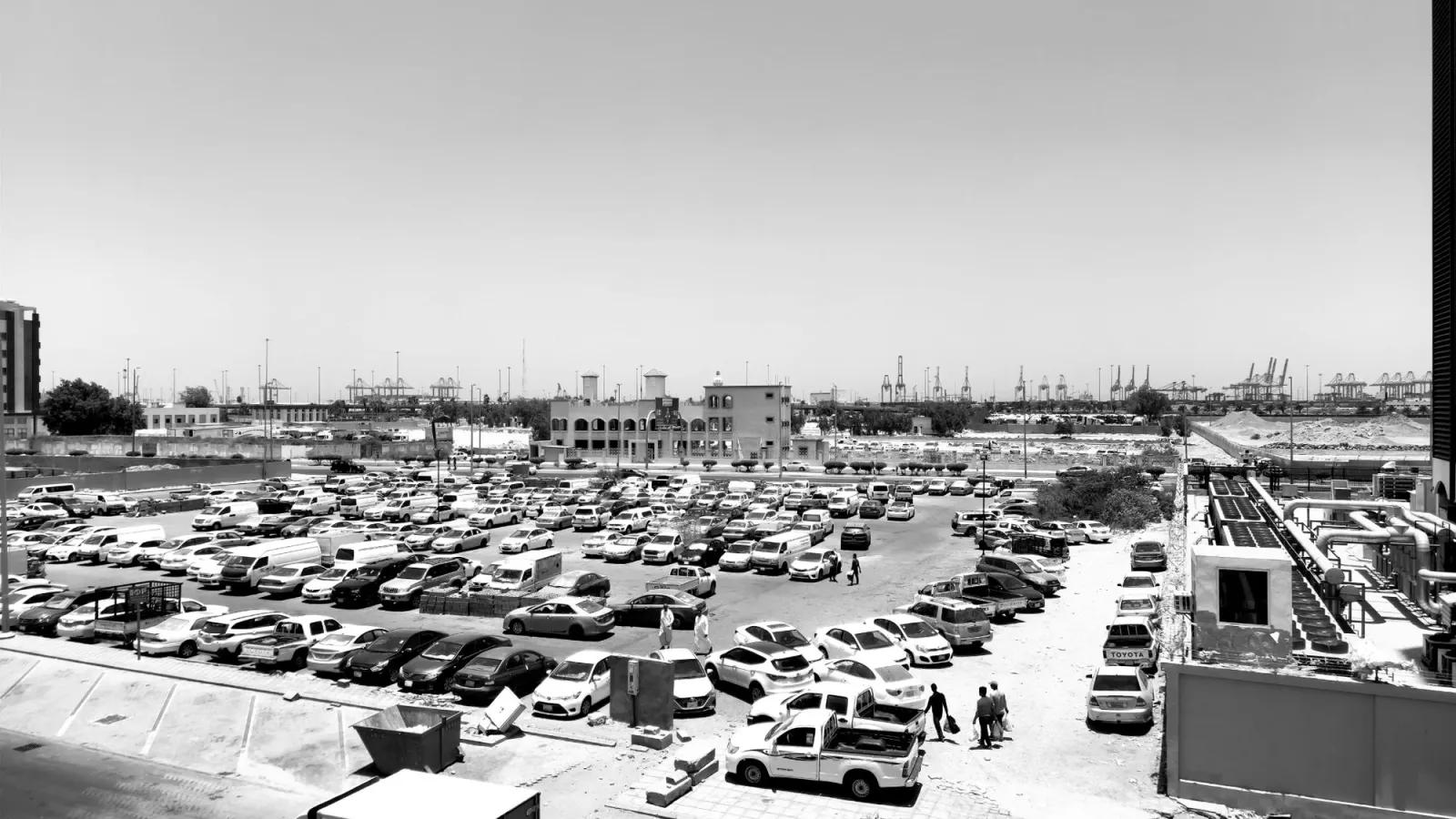
The setting matters. A parking space, driveway, loading area, or street can present different visibility and traffic conditions. A person walking behind a vehicle may be difficult to see, but a blind spot does not automatically excuse a driver from taking reasonable precautions.
The central question is how the collision happened, not simply who was walking or driving. If you are assessing a broader Pedestrian Accidents claim, the same general questions about care, causation, and proof can apply.
What evidence can help show how the collision happened?
Evidence can help show where the driver and pedestrian were, what each could see, and whether a driver’s actions caused the impact. Try to preserve useful information promptly, because video may be overwritten and scenes can change.

A careful record can help clarify disputed details, but no single item necessarily decides fault. Photos may show the vehicle’s position, sight lines, lighting, markings, and nearby obstructions. Vehicle damage and the location of debris may also help explain the point and direction of impact.
Useful materials may include:
Witness names and contact information, along with what each person observed.
Nearby business, building, or vehicle-camera footage, if available.
A police or incident report, and any photographs taken at the scene.
Medical records documenting evaluation, treatment, and reported symptoms.
Vehicle information, including whether a camera or sensor was present and functioning.
Write down your recollection while it is fresh, separating what you personally saw from what someone else told you. Keep copies of relevant messages, reports, and expenses. Avoid editing or deleting original photos and videos. If the collision happened near a marked crossing or intersection, details about that location can matter too; see Crosswalk Accidents for related considerations.
How do location and vehicle conditions affect fault?
The place where the vehicle reversed and its condition can affect what precautions were reasonable. A crowded parking lot, a narrow driveway, and a roadway do not create identical risks, so investigators may examine the layout and conditions rather than apply a one-size-fits-all answer.
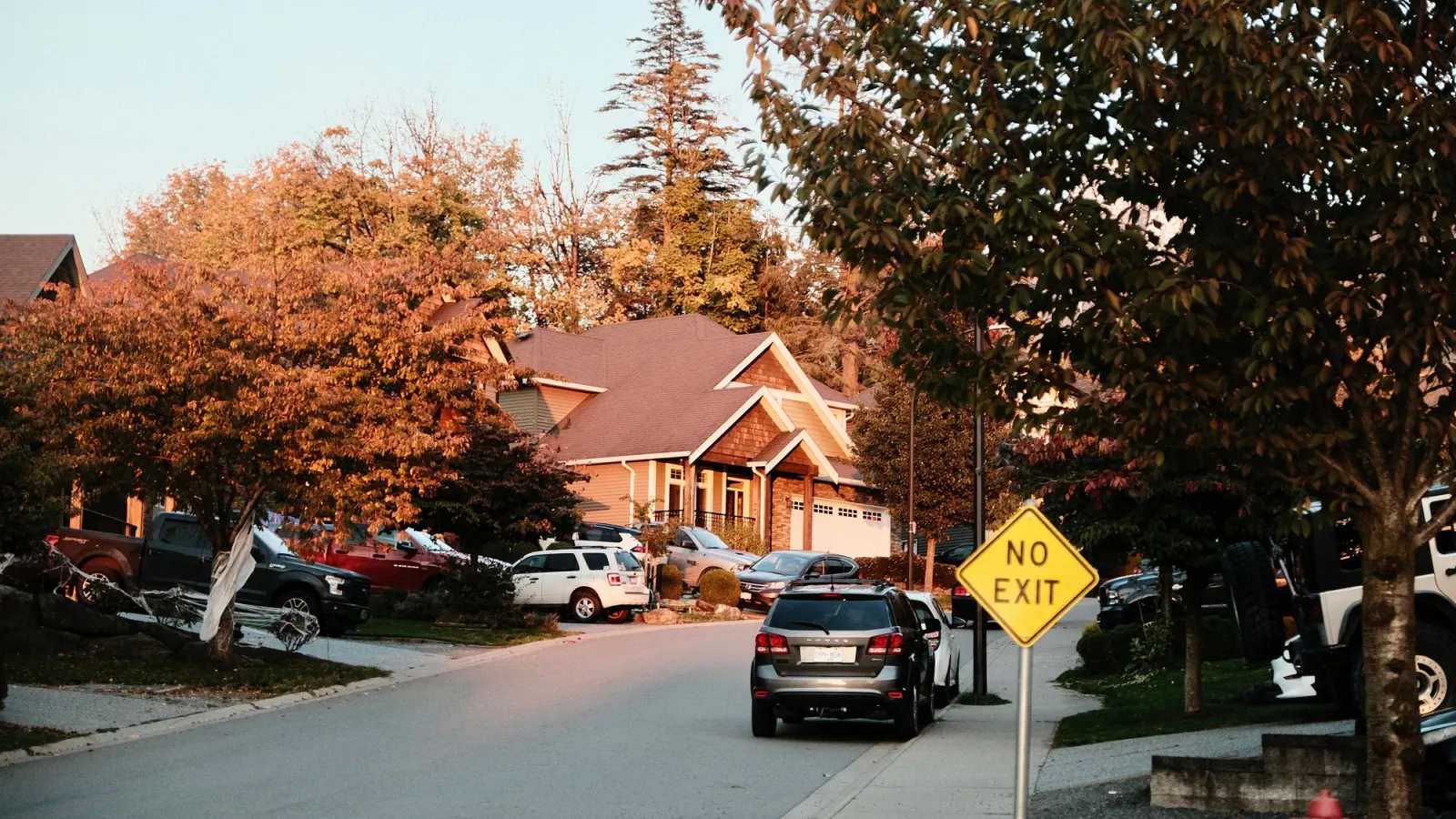
Important details can include whether the area was dark, whether parked vehicles or structures blocked the driver’s view, and whether the driver had room to stop and check. Investigators may also consider weather, lighting, signs, pavement markings, and whether pedestrian routes were visible. These facts can help establish what hazards a careful driver could have anticipated.
A vehicle’s cameras, mirrors, alarms, or sensors may be relevant, but their presence alone does not prove that the driver acted carefully or carelessly. The condition and use of a feature can matter, as can whether it was obstructed, malfunctioning, or reasonably available to the driver. A safety feature does not replace the duty to pay attention.
The pedestrian’s route may also be examined. Investigators may ask whether the person was using a walkway, crossing area, or driveway and whether the driver had a reasonable opportunity to see them. When an incident occurs at a junction or crossing, the surrounding traffic and sight lines may be especially important; Intersection Pedestrian Accidents involve related questions.
Can a pedestrian share responsibility for a backover collision?
Yes, a pedestrian’s conduct may be considered along with the driver’s actions, but shared fault does not necessarily end a claim. The effect depends on the evidence and the fault rules that apply in the relevant state.

An insurer may argue that a pedestrian entered the vehicle’s path unexpectedly, walked outside a designated route, or could have avoided the collision. Those arguments need to be assessed against the full scene and timeline. For example, the driver’s ability to see and react, any warning the pedestrian gave, and the time available to stop may all be relevant.
A person’s memory may be incomplete after a frightening or painful collision. Do not assume that an insurer’s early view of fault is the final legal conclusion. Ask what evidence supports the position, and compare it with available witness accounts, video, scene photographs, and vehicle information.
Even where responsibility may be shared, state law can determine whether and how a claim may proceed and how damages may be affected. Avoid making a definitive statement about fault before key facts have been collected. If you are interviewed by an insurer, distinguish what you know firsthand from what you are uncertain about, and do not guess.
What should you do to document a potential claim?
To document a potential claim, preserve evidence, keep organized records, and avoid guessing about disputed details. Taking these actions can make it easier to explain what happened and respond to questions from an insurer.

A simple process can help you keep information together:
- Save photographs and videos from the scene, including the vehicle, surroundings, lighting, and any visible obstructions.
- Record witness contact details and request the incident or police report when it becomes available.
- Keep medical paperwork, appointment details, and receipts connected with treatment or other accident-related expenses.
- Note communications with insurers, including the date, the person you spoke with, and the subject discussed.
- Ask promptly whether nearby cameras may have recorded the event, since some systems retain footage only temporarily.
Store originals in a safe place and make copies for reference. If you are asked to provide a recorded statement or sign a release, understand what information or records it covers before responding. An insurer’s request is not the same as a court order, and you can ask questions about the request. Accurate, consistent records are more useful than speculation or attempts to fill gaps in memory.
How does insurance evaluate a backover accident claim?
An insurer generally evaluates available evidence to decide whether its policyholder may be responsible and what losses may be connected to the collision. An insurance review is not a court decision, and an insurer’s initial position may change as more information becomes available.
The review may involve the driver’s account, your account, witness statements, photographs, video, reports, vehicle damage, and medical records. The insurer may ask about how the collision occurred, your injuries, treatment, and the effect on daily activities. Keep your answers truthful and limited to what you know; if you do not remember a detail, it is reasonable to say so rather than guess.
An insurer may question whether the driver had a clear view, whether a pedestrian was visible, or whether a particular injury resulted from the incident. You can ask the insurer to explain what information it relied on and what additional documents it needs. Keep copies of anything you submit and note when you sent it.
Do not treat a quick offer or an early denial as a complete explanation of your legal rights. Before accepting an offer or signing a release, read its terms carefully and consider getting help understanding what claims it may resolve. A release may limit the ability to seek further compensation for the same incident.
What losses may be considered after a backover injury?
A claim may include losses connected to the collision, depending on the facts, available proof, insurance coverage, and applicable law. The types of losses considered can differ, and not every category applies to every injured person.
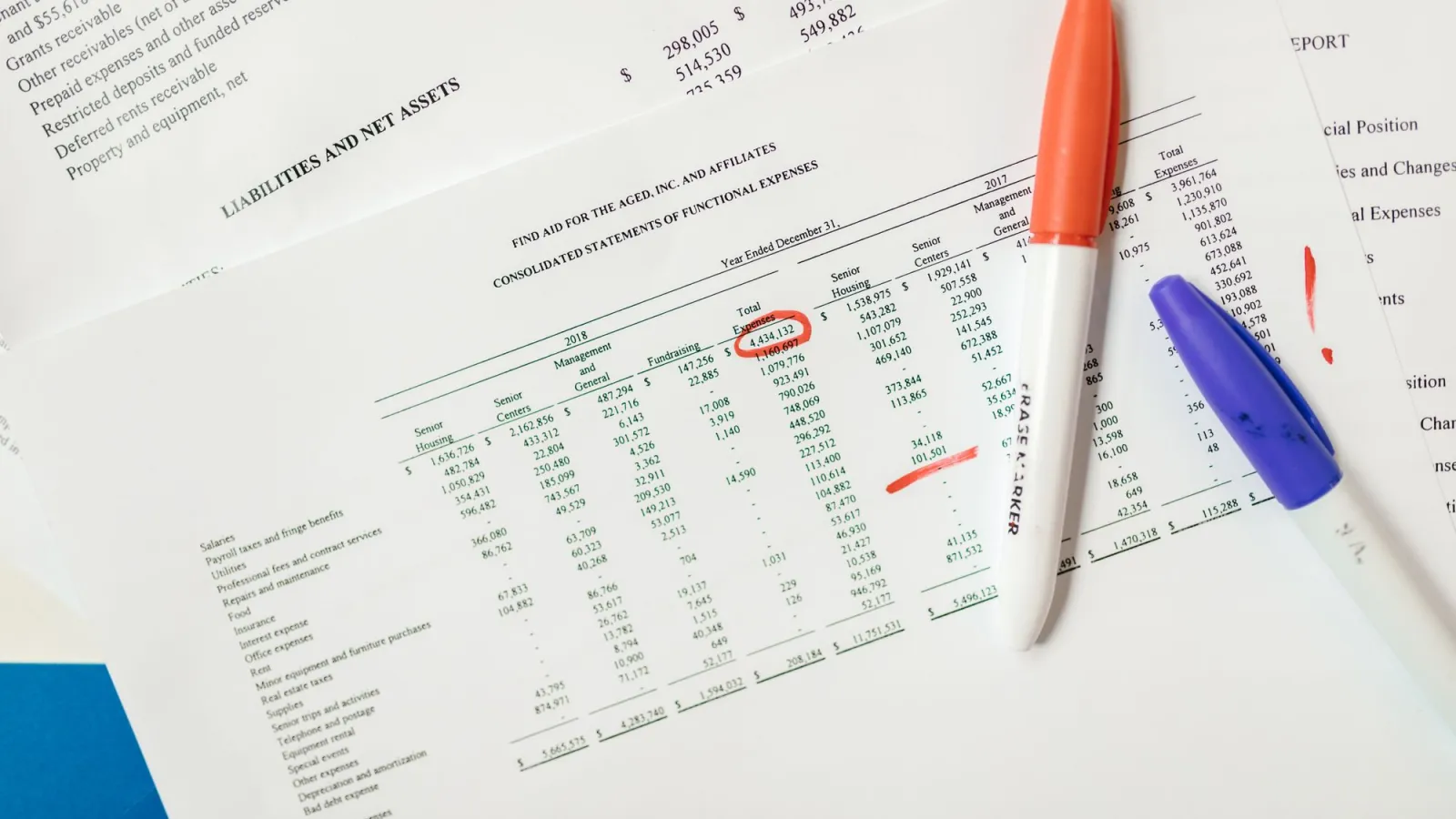
Documented medical expenses may include care already received and, where supported, treatment needs related to the injury. Other possible economic losses can include income missed because of the injury and certain out-of-pocket costs. Records such as bills, receipts, employer information, and treatment notes can help explain these amounts.
A claim may also involve non-economic harm, such as pain, limitations on ordinary activities, or emotional effects. These impacts can be personal and may be supported by treatment records, a consistent description of daily limitations, or observations from people who know you. Keep the account factual and avoid overstating what you experienced.
The value of a claim cannot be determined from the label “backover accident” alone. The nature of the injuries, how they affect you, the strength of the evidence, available insurance, and state law can all matter. No particular recovery is assured, and an insurer’s assessment may differ from how a court would evaluate the evidence.
How can state law change a backover accident claim?
State law can affect how a backover claim is handled, even when the basic questions about driver care and causation are similar. Rules differ on how fault is allocated when more than one person may have contributed to an accident, and that can affect whether a claim may proceed or how damages are assessed.
States also set different filing deadlines and may have special notice requirements for claims involving public entities or certain locations. Rules about available damages, insurance requirements, and evidence can vary as well. Because no state details are provided here, this article cannot identify a specific deadline or rule for your situation.
The location of the collision and the identity of any potentially responsible parties can affect which rules apply. A deadline check can be important because waiting may limit available options, and preserving evidence early can help while facts are still accessible. Consider getting information specific to the state and circumstances of your collision.
Frequently Asked Questions
Does a driver have to get out and check before reversing?
The answer depends on the circumstances and the precautions a reasonably careful driver would take. The relevant facts may include visibility, the vehicle, nearby people, and whether the driver had a safe way to check the area. A particular precaution is not required in every situation.
Can a backup camera prove the driver was not at fault?
No. A camera may provide useful information, but its presence does not by itself establish how carefully the driver acted. Investigators may consider whether it worked, what it showed, and whether the driver also paid attention to the surroundings.
What if there were no witnesses to the collision?
A claim may still be evaluated using other evidence, such as scene photographs, vehicle damage, medical records, reports, or available video. The absence of an eyewitness can make some details harder to establish, but it does not automatically answer who was at fault.
Should you accept an insurer’s first offer?
An offer is not necessarily a complete measure of your losses or legal options. Review the terms carefully, including any release, and consider whether you understand what claims would be resolved. You can ask the insurer for an explanation of its evaluation.
Can a family member handle communications if you are injured?
A family member may help you organize information or communicate practical details, but an insurer may have rules about who can provide statements or discuss a claim. Ask what authorization is needed before sharing private records or making decisions on your behalf.
Sources
Next Steps
If you want help understanding the evidence, an insurance offer, or a deadline that may apply, request a free case evaluation. You can arrange a Consultation to discuss the facts of your collision and possible next steps.

Related Articles

Rideshare Accidents Involving Food Delivery Drivers
A crash involving a rideshare driver and a food delivery driver can raise questions about fault, app status, and which insurance policies may apply. Learn what evidence can help clarify your options.

Arbitration Clauses in Rideshare Terms of Service
A rideshare arbitration clause may affect how you pursue certain injury claims, but its reach depends on the agreement, the parties, and the facts. Learn what to check after a crash.

Robotaxi and Driverless Ride Accidents: Liability Questions
Responsibility for a robotaxi crash depends on what caused it and who had a role in the vehicle’s operation, design, or upkeep. Learn which evidence may help clarify your options.
