


In this article
- Why is there no single average car accident settlement timeline?
- What happens first after you open a car accident claim?
- How does medical treatment affect the settlement timeline?
- What does the insurer investigate before valuing a claim?
- How do settlement offers and negotiations usually work?
- What happens after you accept a settlement?
- How can state law change the settlement timeline?
- Frequently Asked Questions
- Next Steps
There is no reliable average timeline for every car accident settlement. The process often involves reporting the crash, treating your injuries, investigating fault and losses, negotiating with the insurer, and completing settlement paperwork. It may move faster when the facts and injuries are clear, or take longer when treatment, liability, or negotiations remain unresolved.
Key Facts
- A settlement timeline depends on the facts of the crash and the claim.
- Medical treatment and recovery can affect when the value of an injury claim is clearer.
- Insurers may investigate fault, injuries, and financial losses before making or responding to an offer.
- Accepting a settlement usually involves signing a release of claims.
- State laws can affect deadlines, fault rules, damage limits, and notice requirements.
Why is there no single average car accident settlement timeline?
There is no single average timeline that reliably predicts when your car accident settlement will be complete. The pace depends on how clear fault is, how serious your injuries are, how long treatment takes, how complete the records are, and whether the insurer disputes any part of the claim.

A straightforward claim involving clear evidence and resolved injuries may progress differently from one involving ongoing care, disagreement about who caused the crash, or several parties. Even when the insurer agrees that its policyholder was at fault, it may still question the connection between the crash and particular medical care or losses.
The steps below describe a common sequence, not a promise or deadline. Some activities can overlap, and a claim can pause while records arrive or new information is reviewed. For an overview of the kinds of collisions and claims involved, see Car Accidents.
When you think about timing, separate the time needed to understand your injuries and losses from the time spent negotiating and completing paperwork. The total process can depend on both.
What happens first after you open a car accident claim?
The first phase is documenting the crash, notifying relevant insurers, and preserving information that may help explain what happened. Prompt, accurate records can make it easier for the people handling the claim to investigate, although they do not determine how quickly an insurer will respond.

Keep copies of available crash or incident reports, photographs, repair estimates, medical records, and messages from insurers. Write down what you remember while the details are fresh, and keep track of expenses and time missed from work. If an insurer asks questions or requests a recorded statement, understand what it is asking and how the information may be used before responding.
A practical order for organizing the early claim is:
Keep these materials together and update them as you receive new records. If details are missing, make a note of what you requested and when. For a rear-end crash, for example, photographs of vehicle damage and witness information may help document the event; the circumstances still matter in evaluating responsibility. Learn more about Rear-End Collisions.
- Save crash-related documents, photos, and contact information.
- Record medical visits, expenses, and work absences as they occur.
- Keep insurer communications and note requests that still need a response.
How does medical treatment affect the settlement timeline?
Medical treatment can affect when you and the insurer can assess the extent of your injury-related losses. If care is continuing, later records may add information about symptoms, treatment needs, or how the injury affects daily activities and work.

A claim does not always have to wait until every aspect of recovery is known, but settling before you understand the likely course of your injuries can leave important questions unresolved. A settlement may require you to release claims related to the crash, including claims for losses that become clearer later. The terms of any proposed release matter, so read them carefully and consider getting a qualified review.
Keep a simple record of appointments, symptoms, treatment instructions, and out-of-pocket expenses. Tell your medical providers about changes in your condition and follow their guidance. These records can help show how the injury developed over time; they do not by themselves establish what an insurer will pay.
If treatment is delayed or interrupted, preserve the accurate reasons and related records. Insurers may ask about gaps or question whether particular care relates to the crash. Clear documentation can help explain the history, while the medical evidence and applicable rules will affect how the claim is evaluated.
What does the insurer investigate before valuing a claim?
Before evaluating a settlement, an insurer commonly reviews evidence about how the crash happened, who may be responsible, and what injuries and losses are supported. The investigation can take longer if records are incomplete, accounts conflict, or the insurer needs information from other people or organizations.

Evidence may include photographs, vehicle damage, witness accounts, medical records, bills, and information about lost income. The insurer may also examine whether road conditions, vehicle design, or another party played a role. For example, a road feature could become relevant in some crashes; see Defective Road Design Accident Claims.
The amount being evaluated may include different categories of loss, such as medical expenses, income losses, and effects on everyday life. The evidence and the rules that apply determine which losses may be considered and how they are assessed. Do not assume that an insurer’s first figure accounts for every supported part of your claim.
You can help keep the process organized by responding to reasonable requests, keeping copies of what you send, and asking for clarification when a request is unclear. If information is still being collected, ask what remains outstanding and whether the insurer needs anything else to continue its review.
How do settlement offers and negotiations usually work?
Negotiations generally begin after enough information is available to explain the claim and assess its value. One side may present a demand or offer, and the other may accept, reject, or respond with a different figure or request for additional support.
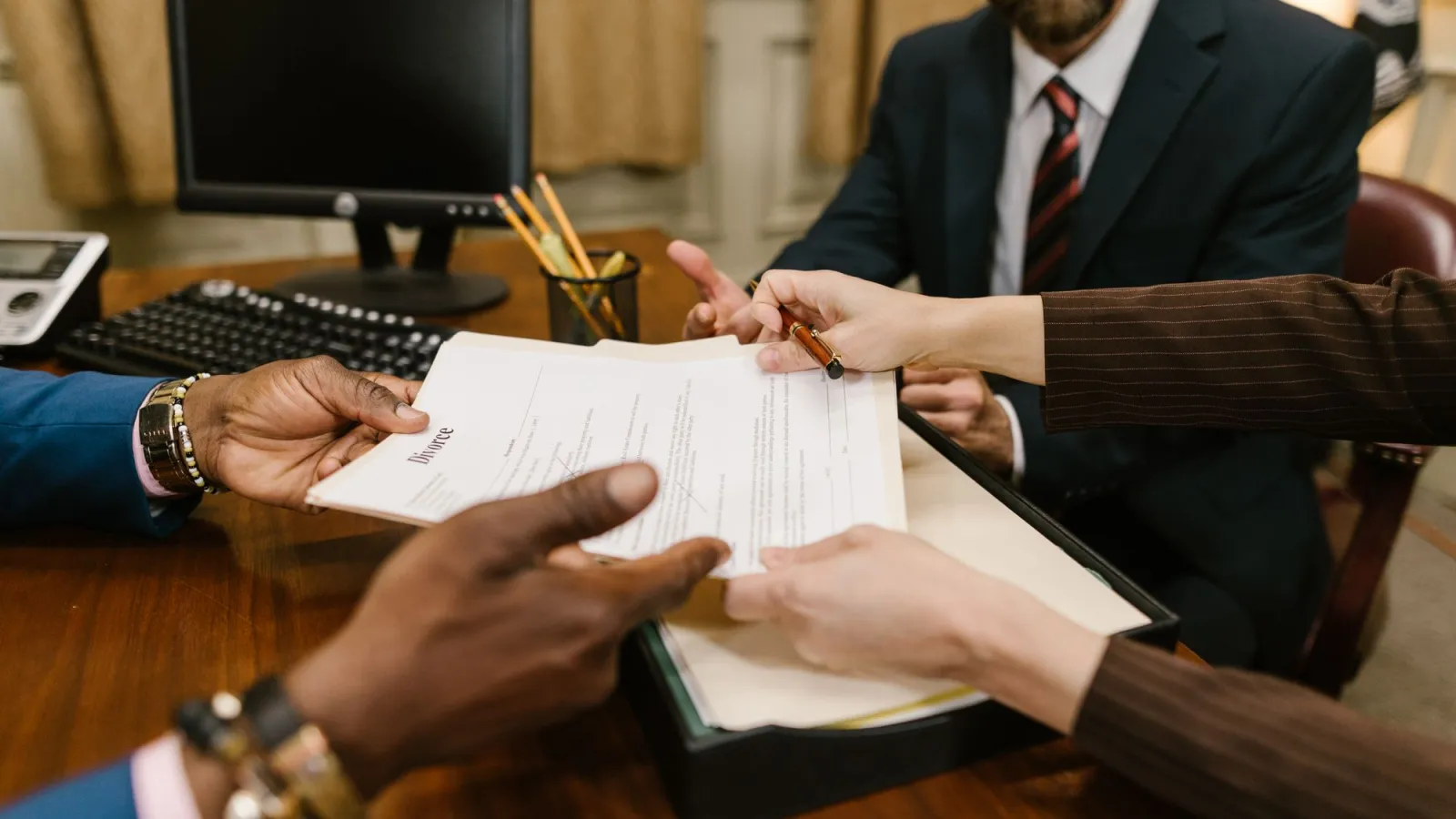
A useful way to review an offer is to compare it with the documented losses and the known effects of the injury. Check whether the figures reflect the records you have, whether any expenses or income losses are missing, and what claims the proposed agreement would release. A disagreement about fault, medical causation, or the amount of a loss can lead to further review and negotiation.
Keep communications factual and save each offer, response, and supporting document. If you do not understand how an insurer reached a figure, ask for an explanation. You can also ask what evidence it still needs and whether its position is final or open to further discussion.
There is no fixed number of negotiation rounds. A claim may resolve after limited discussion, or negotiations may continue while the parties exchange information or disagree about the evidence. The timing and result depend on the individual facts, the applicable law, and the decisions made by the parties.
What happens after you accept a settlement?
After the parties reach an agreement, you typically review and sign settlement documents before the insurer issues payment. The paperwork may include a release describing which claims are being resolved, so check that the terms match the agreement and understand the effect of signing before you return it.

Payment processing may involve additional steps, such as confirming who should receive the funds or addressing valid claims to part of the settlement. Ask the insurer or your representative what documents remain, how the payment will be sent, and whether any deductions or obligations need to be addressed. The time needed for these steps varies.
Keep a complete copy of the signed agreement, payment records, and related communications. Make sure you understand whether the agreement resolves all claims connected with the crash or only specified claims. If wording is unclear, seek an explanation before signing; correcting a misunderstanding after a release is completed may be difficult.
If you have not accepted an offer, the claim may still be under review or in negotiations. A settlement is not the only possible way a dispute can proceed, but other paths can involve separate procedures and timing. The options available depend on the claim and state law.
How can state law change the settlement timeline?
State law can affect both the time available to take legal action and how a claim is evaluated. Deadlines, fault rules, damage caps, and notice requirements vary, and special rules may apply to claims involving public entities or other particular circumstances.

Those rules can affect how long you have to act, what losses may be recoverable, or what steps must happen before a claim proceeds. The relevant deadline may not be the same as an insurer’s internal claim process, and ongoing negotiations do not necessarily change a legal deadline. Because the rules depend on where the crash happened and the parties involved, check the applicable requirements promptly with a qualified legal professional.
Frequently Asked Questions
Can you settle a car accident claim before finishing treatment?
Sometimes, but a settlement before treatment is complete can leave uncertainty about future care and losses. Settlement documents may release claims connected with the crash, so understand what you would be resolving before signing.
Does a clear fault determination mean the claim will settle quickly?
Not necessarily. The insurer may agree about responsibility but still need to review injuries, expenses, or other losses. Disagreements about the value of a claim can continue after fault is established.
Can an insurer delay a settlement while requesting more records?
An insurer may request information it considers relevant to evaluating a claim. Keep copies of requests and responses, and ask what information remains outstanding if the reason for a delay is unclear.
What if the other driver disputes responsibility?
Conflicting accounts or evidence can require additional investigation and may lengthen negotiations. Photos, witness information, reports, and other available records may help clarify what happened.
Does accepting an offer close the claim?
A signed release commonly resolves the claims described in its terms. Review the document carefully to understand which claims are covered and whether it affects future claims related to the crash.
Next Steps
If you want help reviewing an insurance offer, organizing the next steps, or checking which deadlines may apply, request a free case evaluation. Contact us to discuss your situation; an evaluation is a chance to ask questions, not a promise of a particular outcome.

Related Articles

Rideshare Accidents Involving Food Delivery Drivers
A crash involving a rideshare driver and a food delivery driver can raise questions about fault, app status, and which insurance policies may apply. Learn what evidence can help clarify your options.

Arbitration Clauses in Rideshare Terms of Service
A rideshare arbitration clause may affect how you pursue certain injury claims, but its reach depends on the agreement, the parties, and the facts. Learn what to check after a crash.

Robotaxi and Driverless Ride Accidents: Liability Questions
Responsibility for a robotaxi crash depends on what caused it and who had a role in the vehicle’s operation, design, or upkeep. Learn which evidence may help clarify your options.
