

In this blog
- Who may pay for diminished value after repairs?
- What does diminished value mean after a repair?
- How can you document a diminished-value claim?
- What if the insurer disputes or refuses the claim?
- When can a professional review help?
- How can state law affect a diminished-value claim?
- Frequently Asked Questions
- Next Steps
“My car is repaired, but I worry buyers will pay less because it was in a crash. Who covers that loss?” If another driver was responsible, you may be able to seek diminished value from that driver’s insurer, subject to state law and the facts. Your own insurer may owe it only if your policy and applicable law provide coverage.
Key Facts
- Diminished value is a possible loss in resale value after a vehicle has been damaged and repaired.
- A third-party claim is generally directed to the at-fault driver’s insurer.
- Your own policy may treat diminished value differently from a third-party claim.
- Payment is not automatic; evidence and state law can affect whether a claim is recognized.
- Repair records and a reasoned valuation can help explain the claimed loss.
Who may pay for diminished value after repairs?
The at-fault driver’s insurer may pay diminished value when you can establish that the crash caused a measurable loss in your car’s market value and the applicable law allows recovery. This is generally a third-party claim, meaning you seek compensation from another driver’s liability insurer rather than your own.

If you used your collision coverage to pay for repairs, do not assume that your insurer will also pay for diminished value. Your policy wording and state law matter, and some policies may limit or exclude this type of loss. Ask the insurer to identify the policy language or legal basis for its position in writing.
Responsibility can also be disputed. The other insurer may argue its driver was not at fault, that your car already had damage, or that the repairs restored its value. The rules that apply to a Car Accidents claim can affect who is responsible and what evidence is relevant. A claim does not automatically result in payment just because the car was repaired.
What does diminished value mean after a repair?
Diminished value is the difference between what your vehicle would reasonably have been worth without the crash and what it may be worth after the damage and repairs. A repair can make a car safe and functional while leaving a record of collision damage that affects what a future buyer may offer.
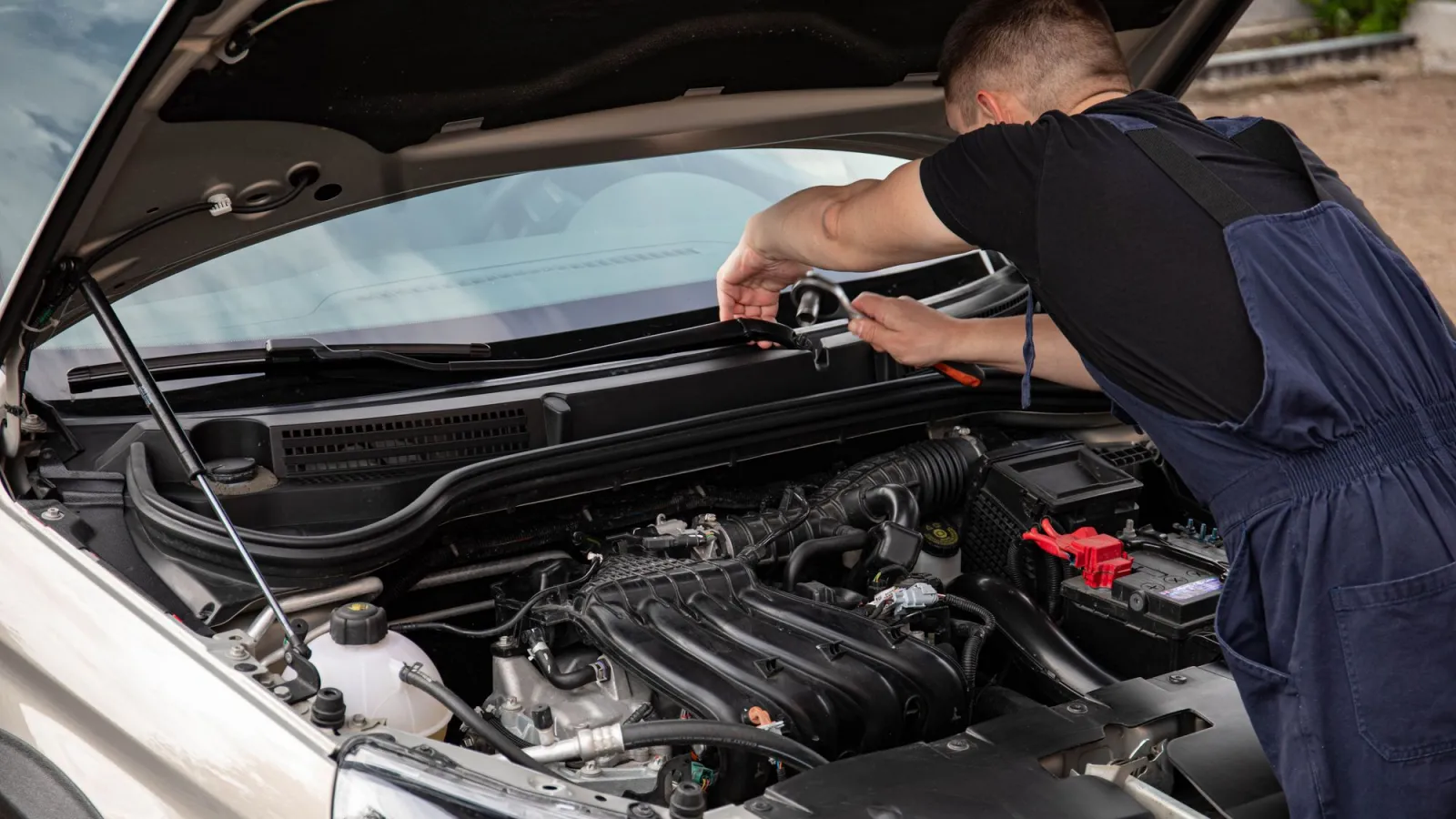
The term can refer to different kinds of loss. Inherent diminished value describes the market stigma that may remain even after proper repairs. Repair-related diminished value may involve concerns about incomplete or poor-quality work, while immediate diminished value compares the vehicle’s value before the crash with its value immediately afterward. The kind of loss being claimed matters, and the availability of recovery can depend on local law and the circumstances.
The impact is not identical for every vehicle. Its age, condition before the crash, mileage, prior damage, severity of the collision, parts replaced, and quality of repairs may all affect the analysis. A documented collision may also matter differently to a buyer depending on the vehicle and market. For instance, a Rear-End Collision can involve anything from limited cosmetic damage to repairs that affect major components, so the repair history alone does not establish a specific amount.
How can you document a diminished-value claim?
You can support a diminished-value claim by organizing records that show the vehicle’s condition, the crash damage, the completed repairs, and the basis for your claimed loss. An insurer may not accept an unsupported estimate, so keep the evidence together and explain how each item relates to the vehicle’s value.
Useful records may include the repair estimate and final invoice, photographs from before and after the crash, inspection records, maintenance history, and documents showing the vehicle’s prior condition. If you obtain a valuation, ask the appraiser to explain the method used and account for relevant details such as mileage, prior damage, repair quality, and comparable vehicles. A single online estimate may not explain why the crash caused the claimed loss.
When preparing your submission, you can:
- Gather the crash, insurance, and repair records, including clear photos where available.
- Request a written valuation that explains its assumptions and supporting comparisons.
- Send the evidence with a concise written demand and keep copies of what you provide.
- Ask the insurer to explain its decision and any valuation it relied on.
What if the insurer disputes or refuses the claim?
If an insurer disputes diminished value, ask for its reasoning in writing and respond to the specific points it raises. A refusal may be based on fault, coverage language, the repair history, the valuation method, or the insurer’s view of the applicable law. Understanding the stated reason can help you decide what additional records or explanation may be useful.
Compare the insurer’s position with the documents you have. If it says the vehicle had prior damage, provide available records that show its condition before the crash. If it challenges your valuation, ask which assumptions or comparisons it considers unreliable. You can also request a copy of the estimate or evaluation the insurer used, where available.
Do not treat an initial offer or denial as the final word on your legal rights, but keep communications factual and preserve the documents. Avoid signing a release until you understand what claims it resolves; the wording may affect whether you can pursue other losses from the same crash. In a Head-On Collision, for example, the repair scope and damage documentation may be extensive, but the same need for clear evidence applies. State rules and the policy terms still control.
When can a professional review help?
A professional review may help when the insurer disputes fault, relies on a policy exclusion, questions your valuation, or asks you to accept a release. A lawyer or qualified vehicle appraiser can assess different parts of the issue: a lawyer can review potential legal rights and insurance terms, while an appraiser can explain how the vehicle’s history and market evidence affect its value.

Before arranging a review, gather the insurer’s letters, the policy if the claim involves your own coverage, the repair records, and any valuation you already have. Be ready to explain what you are claiming and what the insurer has offered or denied. That makes it easier for a reviewer to identify what remains unclear.
You can ask whether the review covers diminished value, repair-related concerns, other losses, and any relevant deadlines. A professional’s assessment is not a promise that an insurer will pay or that a dispute will resolve in your favor. If you want to discuss your documents and options, request a Consultation and ask what information to bring.
How can state law affect a diminished-value claim?
State law can affect whether diminished value is recoverable, how fault is assigned, and what deadlines apply to claims or lawsuits. Some claims may also involve damage caps or special notice rules, including rules that can apply when a government entity is involved.
The policy language may matter too, particularly when you are seeking payment under your own coverage. Because these rules vary, check the law and policy terms that apply to your situation rather than relying on a general description or another person’s claim experience.
Frequently Asked Questions
Is diminished value the same as the cost of repairs?
No. Repair costs address restoring or replacing damaged parts, while diminished value concerns a possible reduction in market value after the repairs. The two are different types of loss, and whether both can be recovered depends on the policy, the facts, and applicable law.
Can you claim diminished value if you were partly at fault?
Possibly, but the effect of shared fault varies by state. The insurer may dispute responsibility or argue that your share of fault affects what can be recovered.
Does a clean repair mean the car has no diminished value?
Not necessarily. A well-completed repair may address the physical damage, but a collision record can still influence what a buyer is willing to pay. Whether that creates a legally recoverable loss depends on the evidence and applicable law.
Can you make a diminished-value claim without an appraisal?
You can present other supporting records, but an appraisal may help explain how the crash affected the vehicle’s market value. The insurer may still question the method or evidence, so a clear explanation of the valuation is useful.
Does accepting a repair payment settle diminished value too?
Not always. The effect depends on the release or other documents you signed and the terms of the payment. Read any settlement paperwork carefully to understand which claims it resolves.
Next Steps
If an insurer has made an offer or denied a diminished-value claim, gather the repair records, valuation, and insurer correspondence for review. Request a free case evaluation to discuss the offer, possible deadlines, and what options may be available. Have an attorney review your insurance offer

Related Blog

Colorado Motorcycle Crash: Does Lane Filtering Make Me at Fault?
Lane filtering alone does not decide fault after a Colorado motorcycle crash. The circumstances, applicable rules, evidence, and Colorado’s comparative-fault system all matter.

Hit by a Drunk Driver in Ohio: Can I Sue the Bar?
A bar is not automatically liable when a customer drives drunk. Whether you can bring a claim depends on the facts, evidence, and Ohio law.

Can I Sue the Other Driver in Florida, or Am I Stuck With PIP?
PIP may cover some losses after a Florida crash, but it does not automatically prevent a claim against another driver. The facts, available evidence, and Florida’s fault rules matter.
