


In this blog
- Can I sue a bar after a drunk-driving crash?
- What evidence could connect the bar to the crash?
- Does the driver’s criminal case decide my injury claim?
- Who else may be responsible for your injuries?
- What can you do while evaluating a claim?
- How do Ohio’s rules affect a possible claim against a bar?
- Frequently Asked Questions
- Sources
- Next Steps
You may be able to bring a claim, but a bar is not automatically responsible just because a drunk driver hit you. If you are thinking, “I was hit by a driver who had just left a bar—can I hold the bar accountable?” the answer depends on evidence about the bar’s conduct, your injuries, and the applicable Ohio law.
Key Facts
- A driver’s intoxication alone does not establish that a bar is liable.
- Evidence about the driver, the bar, the crash, and your injuries may matter.
- The driver and a bar may be considered separately as potential sources of liability.
- Ohio’s general personal injury filing deadline is two years.
- Ohio applies a modified comparative fault rule with a 51% bar to recovery.
Can I sue a bar after a drunk-driving crash?
Possibly, if the facts support a legal basis for holding the bar responsible. The driver’s intoxication and the fact that they were at a bar do not, by themselves, prove that the bar is liable for your injuries. The details of what happened and the rules that apply to the specific claim matter.

A claim against the driver is separate from a possible claim involving a bar. Even if you have a claim against the driver, you may need additional evidence to connect the bar’s conduct to the crash. A lawyer can review the circumstances and explain whether pursuing a claim against the business may be an option.
If you are sorting out the different potential claims after a collision, the firm’s information about Drunk Driving Accidents may help you understand the issues involved. You can also review the firm’s broader Car Accidents information for details about injury claims after a crash.
What evidence could connect the bar to the crash?
Evidence may help establish where the driver was, what happened before the crash, and how the collision injured you. Useful information can come from different sources, so do not assume that one document or witness will answer every question. The evidence available will depend on the circumstances.

Potentially relevant materials may include the crash report, witness accounts, photographs, medical records, receipts or payment records, and communications about the driver’s visit. Video footage or business records could also be relevant if they exist and can be obtained. An attorney can assess which records matter and how to request or preserve them appropriately.
Keep copies of information you already have, including the driver’s details, insurance communications, and records of your treatment and expenses. Write down what you remember while the details are still clear, but distinguish what you personally saw from what someone else told you. Avoid assuming that a social-media post or a witness statement proves the bar’s liability without further investigation.
Does the driver’s criminal case decide my injury claim?
No, a criminal case does not by itself decide whether a bar is responsible for your injuries. A criminal proceeding addresses an alleged offense by the driver, while a civil injury claim examines responsibility for your losses. Those matters may involve some of the same facts, but they are not the same claim.

Information from a criminal investigation or case may help explain what happened, but it does not automatically establish every part of a civil claim against a business. The bar’s conduct and its connection to your crash still need to be assessed under the law that applies. Do not assume that a criminal charge or outcome settles the question of who may be liable to you.
Keep any notices or documents you receive about the criminal matter, and share them with an attorney reviewing your injury claim. You can ask how the timing or available records might affect your civil case. If you are looking for local information about handling a collision claim, see Ohio Car Accident Lawyers.
Who else may be responsible for your injuries?
The drunk driver is often the first person to consider, but the facts may point to other potential sources of responsibility. A bar may be one possibility if the evidence and applicable law support a claim. Whether another person or business belongs in a claim cannot be determined from the driver’s intoxication alone.
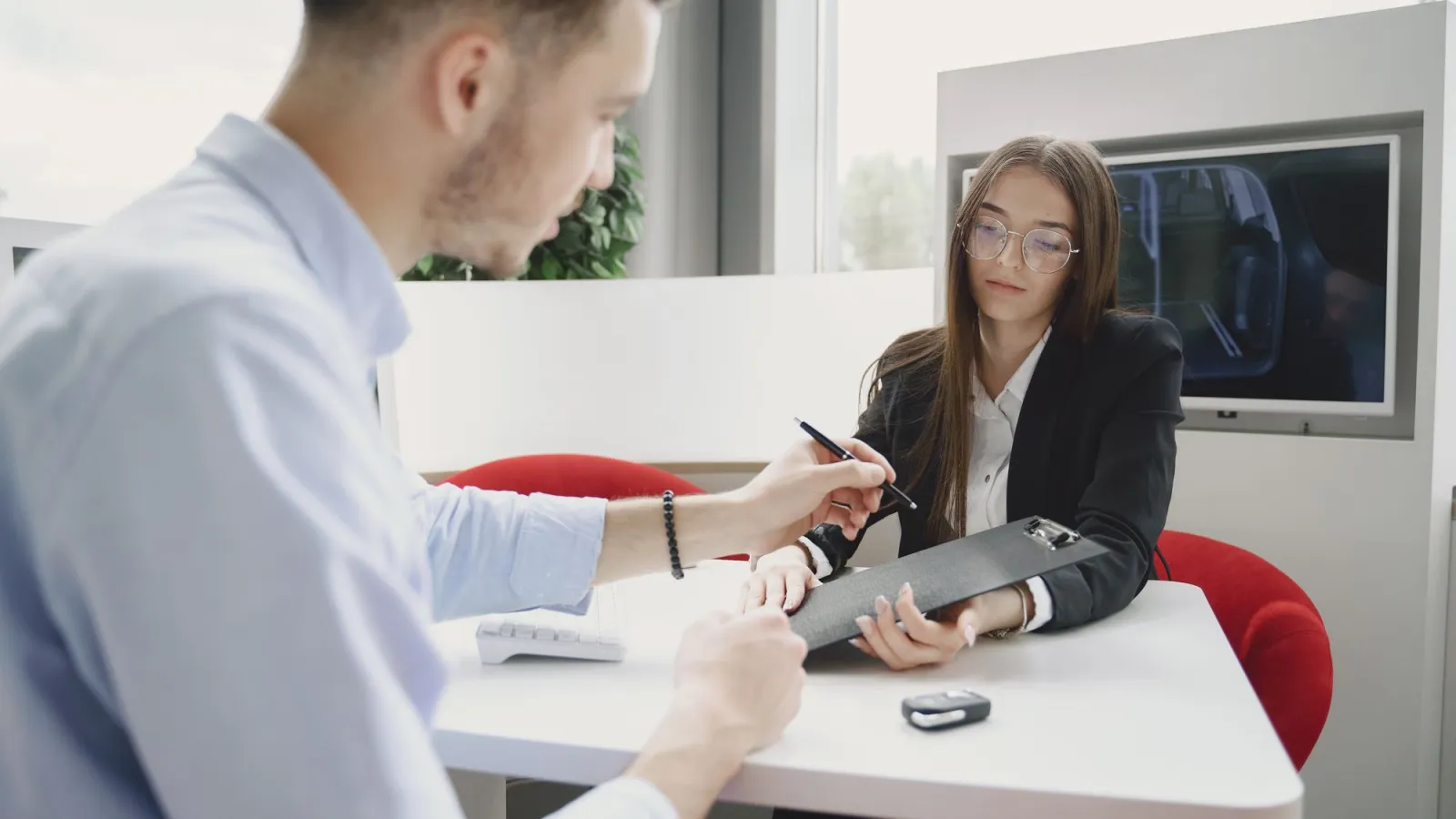
Identifying potential defendants matters because each party’s conduct, insurance coverage, and role in the crash may need separate review. A business’s insurer is not automatically responsible simply because the business is named in a claim, and an insurance company’s position does not settle the underlying legal question. Claims against different parties may also require different evidence.
When you speak with a lawyer, describe the crash, where the driver had been, what you know about the driver’s condition, and any witnesses or records you have. If you are not sure which details are important, share what you know without filling gaps with assumptions. A careful review can help identify which claims may be supported and which issues need more investigation.
What can you do while evaluating a claim?
You can organize the information you have and get the legal issues reviewed before making decisions about a claim. A methodical record can make it easier to understand what is known, what still needs to be confirmed, and whether a bar-related claim may be viable.

Consider taking these steps in order:
- Gather the crash report, photographs, witness contact information, and insurance letters you already have.
- Keep medical records and bills, and note how the injuries affect your daily activities.
- Write down the driver’s name, the bar’s name if known, and the timeline as you understand it.
- Ask an attorney to review the possible claims, evidence needs, and filing deadline before you sign a release or accept an offer.
An insurer may ask questions or make an offer before you understand the full picture. Read communications carefully, keep copies, and ask what a proposed agreement would resolve before signing it. For an attorney’s review of your circumstances, you can request a Consultation.
How do Ohio’s rules affect a possible claim against a bar?
Ohio’s filing deadlines and fault rules can affect your ability to recover, but they do not establish whether a bar is liable. Ohio’s general deadline for filing a personal injury claim is two years, and the deadline for a wrongful death claim is two years. Which deadline applies can depend on the type of claim and the circumstances.

Ohio uses modified comparative fault: your award is reduced by your share of fault, and you cannot recover if you are found 51% or more at fault. Ohio also caps noneconomic damages in most tort cases, with exceptions for catastrophic injuries. These rules concern recovery and damages; evidence connecting the bar to the crash remains a separate issue.
Laws change, and the deadline that applies to your situation may depend on its specific facts. Confirm your filing deadline with an attorney rather than relying on a general summary. The Ohio Revised Code is available through the official [Ohio Laws and Rules] source.
Frequently Asked Questions
Can I bring a claim if I was a passenger in the car?
Being a passenger does not, by itself, answer whether you have a claim. The facts of the crash, your injuries, and any potential defendant’s conduct matter. An attorney can review whether the evidence supports a claim involving the driver or another party.
What if I do not know which bar the driver visited?
You can still discuss the crash with an attorney using the information you have, such as the driver’s identity, witness accounts, or details in available records. Do not guess about the business or treat an unconfirmed account as fact. Further investigation may be needed.
Does the bar’s insurance company have to pay my medical bills?
An insurance company’s involvement does not automatically mean it must pay your bills. Whether a bar or its insurer has responsibility depends on the applicable law, evidence, and the terms of any coverage. Keep records of medical expenses and communications with insurers.
Can I still ask about a claim if I have not finished treatment?
You can ask an attorney to review the situation while treatment is ongoing. A review may help identify evidence to preserve and the deadline that could apply. Keep your treatment records and avoid assuming that an early insurance offer accounts for every effect of your injuries.
Sources
Next Steps
If you were injured in an Ohio crash involving a suspected drunk driver, contact the firm for a free case evaluation. You can ask for a review of an insurance offer or a check of the filing deadline, with no promise of a particular result. Request a free case evaluation
Related Guides

Related Blog

Colorado Motorcycle Crash: Does Lane Filtering Make Me at Fault?
Lane filtering alone does not decide fault after a Colorado motorcycle crash. The circumstances, applicable rules, evidence, and Colorado’s comparative-fault system all matter.
Can I Sue the Other Driver in Florida, or Am I Stuck With PIP?
PIP may cover some losses after a Florida crash, but it does not automatically prevent a claim against another driver. The facts, available evidence, and Florida’s fault rules matter.
My Car's Airbag Did Not Deploy. Do I Have a Product Claim?
An airbag that did not deploy does not automatically mean it was defective. Crash conditions, vehicle evidence, and the connection to your injuries all matter.
