


In this blog
- What does a property damage release mean?
- Can you sign the release and still pursue an injury claim?
- What should you check before signing?
- What if the insurer says the release covers only your car?
- What if the repair amount or your losses are still uncertain?
- How can state law affect a property damage release?
- Frequently Asked Questions
- Next Steps
“They’ve agreed to pay for my car, but they want a signed release first. Can I sign it and still deal with my injuries later?” Maybe—but it depends on the release’s wording and applicable law. Read the entire document before signing, confirm which claims it settles, and ask for clarification if its scope is unclear.
Key Facts
- A release is a document that may give up some claims in exchange for payment.
- The title of the document alone does not tell you everything it covers.
- Check whether the release is limited to vehicle damage or includes other claims.
- Keep a copy of the release, payment offer, and related communications.
- State laws and insurance procedures can affect how a release works.
What does a property damage release mean?
A property damage release is a document that may settle claims for damage to your vehicle or other property in exchange for payment. Its effect depends on the specific language, so do not assume it covers only the car just because the insurer calls it a property damage release.

Look for language about what claims you are releasing, who is released, and whether the agreement is limited to property damage. A document may also refer to injury claims, medical expenses, or all claims arising from the collision. Those terms deserve careful attention, especially if you have not finished assessing your losses.
A check and a release are related but different: the check is payment, while the release may set out what you agree not to pursue. Save the paperwork and communications from the insurer. If the crash involved a rear-end collision, the same need to distinguish vehicle damage from other claims applies.
Can you sign the release and still pursue an injury claim?
You may be able to settle property damage without settling an injury claim, but the document must actually limit the release to property damage and the applicable law must allow that result. A broad release could affect more than the vehicle payment, even if the current discussion is only about repairs.

Before signing, check for phrases that refer to all claims, known or unknown injuries, medical costs, or claims connected to the collision. Also confirm whether the document says the payment is full and final settlement of anything beyond property damage. Do not rely only on a phone explanation; ask the adjuster to put any clarification in writing.
If you have pain, treatment, missed work, or symptoms that have not been evaluated, consider that the full extent of those losses may not yet be clear. A car accident claim can involve different losses, and paperwork resolving one part should be clear about whether it affects another. If you are unsure what you would give up, pause and seek a document review before signing.
What should you check before signing?
Make sure the written release matches what you were told. If the insurer will not clarify whether injury claims remain separate, that uncertainty is a reason to get independent help understanding the document. Do not sign a blank or incomplete form, and do not assume you can undo a signed release later.
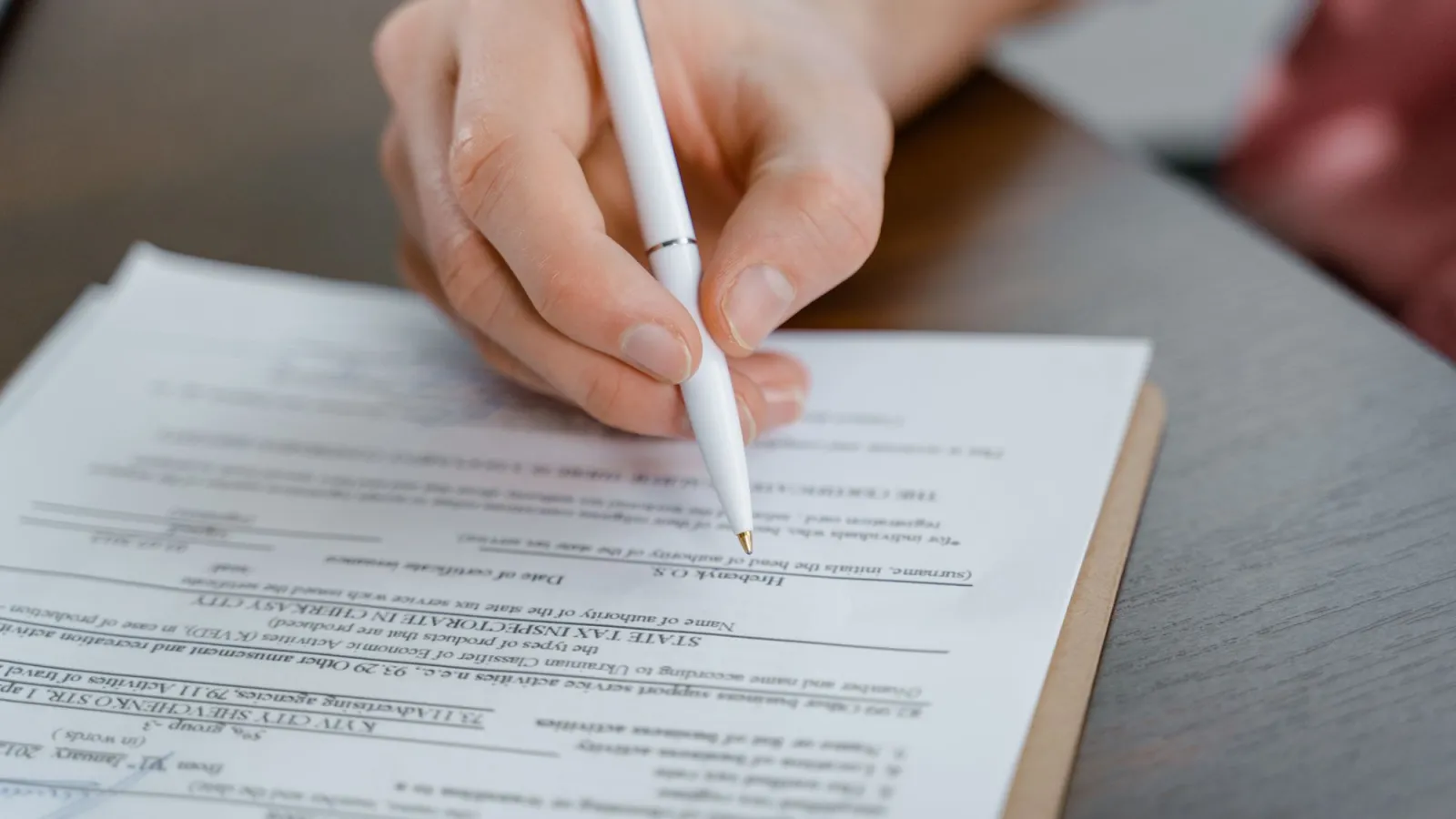
Check that every page and any attachment is included, and note whether the release refers to another agreement or document. Make sure the payment amount and the property being settled are identified clearly. If a term is unclear, ask the insurer to explain it before you sign rather than relying on an informal description of the form.
- 1. Identify the claims and people covered by the release, including whether it names injuries or all claims from the crash.
- 2. Compare the amount and payment conditions with the insurer’s written offer and any repair estimate.
- 3. Ask the adjuster to explain unclear language and confirm in writing whether the release is limited to property damage.
- 4. Keep a complete copy of the signed document, offer, estimates, and related messages.
What if the insurer says the release covers only your car?
Ask the insurer to show where the written release limits the settlement to vehicle or property damage. A verbal assurance may not resolve a conflict in the paperwork, so compare the explanation with the exact terms before you decide whether to sign.

You can ask for a revised document that clearly identifies the property damage being settled and states whether any other claims are excluded from the settlement. Keep the request and response in writing. If the insurer says it cannot change the form, ask whether it can provide a written explanation of the release’s scope and the effect of accepting the payment.
Do not treat a check memo, a claim label, or a conversation as a substitute for reading the full release. If the wording remains broad or unclear, you can request time to review it and have a qualified professional explain possible consequences. People dealing with red-light and stop-sign accidents may face the same document questions; the crash type does not by itself determine what the release says.
What if the repair amount or your losses are still uncertain?
If the repair cost or other losses are still uncertain, the proposed payment may not resolve every issue you face. A repair estimate can change after a shop examines the vehicle, and you may still be waiting to learn the extent of an injury or related expenses.

Compare the offer with available estimates and ask what damage the insurer has included. If additional vehicle damage is found later, check whether the release lets you raise it or instead treats the payment as final. The document’s wording and the insurer’s written terms matter; do not assume a later supplement will be available.
For injury-related losses, keep records of appointments, expenses, time away from work, and communications. You do not need to discuss every possible loss with the property adjuster, but avoid signing language that appears to cover unresolved claims without understanding its effect. A lawyer can review the release and explain questions to raise before you accept the payment.
How can state law affect a property damage release?
State law can affect how release language is interpreted and how a settlement affects other claims. Rules may differ on fault, damages, deadlines, and notice requirements, and insurance procedures can vary as well. That means the same wording may not have identical consequences in every location.

The release itself still matters: read what it says about the claims being settled, the parties covered, and the payment. If you have questions about how local law applies to your situation, ask a qualified attorney in your state to review the document before you sign. This information is general and does not determine the effect of a particular release.
Frequently Asked Questions
Does cashing the property damage check count as accepting the release?
It depends on the documents and circumstances. A check may come with endorsement language or be tied to a separate release, so review the check and all accompanying paperwork before depositing it.
Can I ask the insurer to change the release?
You can ask the insurer to clarify or revise the document, but it may or may not agree. Request any clarification in writing and compare it with the final version before signing.
What paperwork should I keep?
Keep the release, the written offer, estimates, repair records, payment information, and messages with the insurer. These records help you understand what was offered and what the document says you accepted.
Should I sign if I do not understand a phrase in the release?
Do not assume unclear language is harmless. Ask the insurer to explain it in writing, and consider getting a qualified professional to review the document before you sign.
Next Steps
If you have been asked to sign a release, request a free case evaluation to discuss the offer and the document’s scope. You can schedule a consultation for a review of the insurance paperwork and any relevant deadlines.

Related Blog

Colorado Motorcycle Crash: Does Lane Filtering Make Me at Fault?
Lane filtering alone does not decide fault after a Colorado motorcycle crash. The circumstances, applicable rules, evidence, and Colorado’s comparative-fault system all matter.

Hit by a Drunk Driver in Ohio: Can I Sue the Bar?
A bar is not automatically liable when a customer drives drunk. Whether you can bring a claim depends on the facts, evidence, and Ohio law.

Can I Sue the Other Driver in Florida, or Am I Stuck With PIP?
PIP may cover some losses after a Florida crash, but it does not automatically prevent a claim against another driver. The facts, available evidence, and Florida’s fault rules matter.
