


In this blog
- What can you say when the adjuster first calls?
- Do you have to give a recorded statement?
- What information should you avoid sharing too soon?
- Should you accept an offer or sign a release?
- How can you prepare for the next conversation?
- Can the rules differ depending on where the crash happened?
- Frequently Asked Questions
- Next Steps
“The other driver’s insurer called me the next day, and I’m not sure what to say.” Keep your first response brief: confirm who is calling, ask for the claim details, and say you need time before answering questions in detail. Stick to facts you know, don’t guess, and don’t agree to a recorded statement or sign a release on the spot.
Key Facts
- The other driver’s insurer represents its policyholder, not you.
- You can ask the caller to identify themselves and provide claim details.
- Avoid guessing about speed, distance, injuries, or fault.
- You can ask to review a request before giving a recorded statement.
- Keep copies of claim communications and documents you receive.
What can you say when the adjuster first calls?
You can acknowledge the call, confirm the caller’s name and company, and ask for the claim number and contact information. You do not have to give a detailed account during an unexpected call; tell the adjuster you need time to gather information and will follow up.

A brief response could be: “I’m not ready to discuss the details now. Please send me your contact information and the claim number, and I’ll review what you need.” Keep your tone calm and avoid arguing about who caused the crash. The adjuster may be gathering information for the insurer’s claim investigation.
If you have not already done so, record the date and time of the call and what the adjuster requested. For information about handling a collision claim more broadly, see Car Accidents.
- Ask for the adjuster’s name, company, phone number, and claim number.
- Ask what information or documents they are requesting.
- Tell them when and how you are comfortable following up.
Do you have to give a recorded statement?
You can ask to see the request and understand its purpose before deciding whether to give a recorded statement. The other driver’s insurer may request one as part of its investigation, but the request does not mean you need to answer immediately during an unexpected call.

If you are considering a statement, clarify whether it will be recorded, who will receive it, and whether you may review or correct the transcript. The details of what you are required to provide can depend on your circumstances, including whether you are also making a claim under your own policy. Check the terms of your policy or ask your insurer about its requirements.
If you do speak with the adjuster, answer only what you understand and know firsthand. It is fine to say you do not know or do not remember. Do not estimate or fill in gaps just to keep the conversation moving.
- Ask for the request in writing.
- Do not speculate about fault, injuries, speed, or distances.
- Keep a copy of any statement or transcript you provide.
What information should you avoid sharing too soon?
Avoid making guesses, accepting blame, or describing your injuries as minor before you know how they may develop. You can provide basic identifying and claim information, but take care with questions that ask you to interpret events or give an estimate you cannot support.

For example, a caller may ask how fast you were driving, when you first noticed pain, or whether you feel fine now. If you do not know an exact answer, say so rather than estimating. If you are still assessing an injury or getting care, explain that you do not yet have complete information. A collision such as a rear-end crash can involve details that are difficult to recall accurately in an unexpected conversation.
Do not share passwords, financial account details, or unrelated personal information. If the caller asks for documents, ask what they need and why. You can take time to check that the request is relevant and that you have a copy of anything you send.
- Separate what you personally observed from what you assume happened.
- Say when you are unsure or do not recall.
- Ask why a requested document or detail is needed.
Should you accept an offer or sign a release?
Do not feel pressured to accept an offer or sign a release during the first call. A release can affect your ability to seek further payment for the claims it covers, so understand its wording and scope before agreeing. Ask for any offer and proposed release in writing and take time to review them.
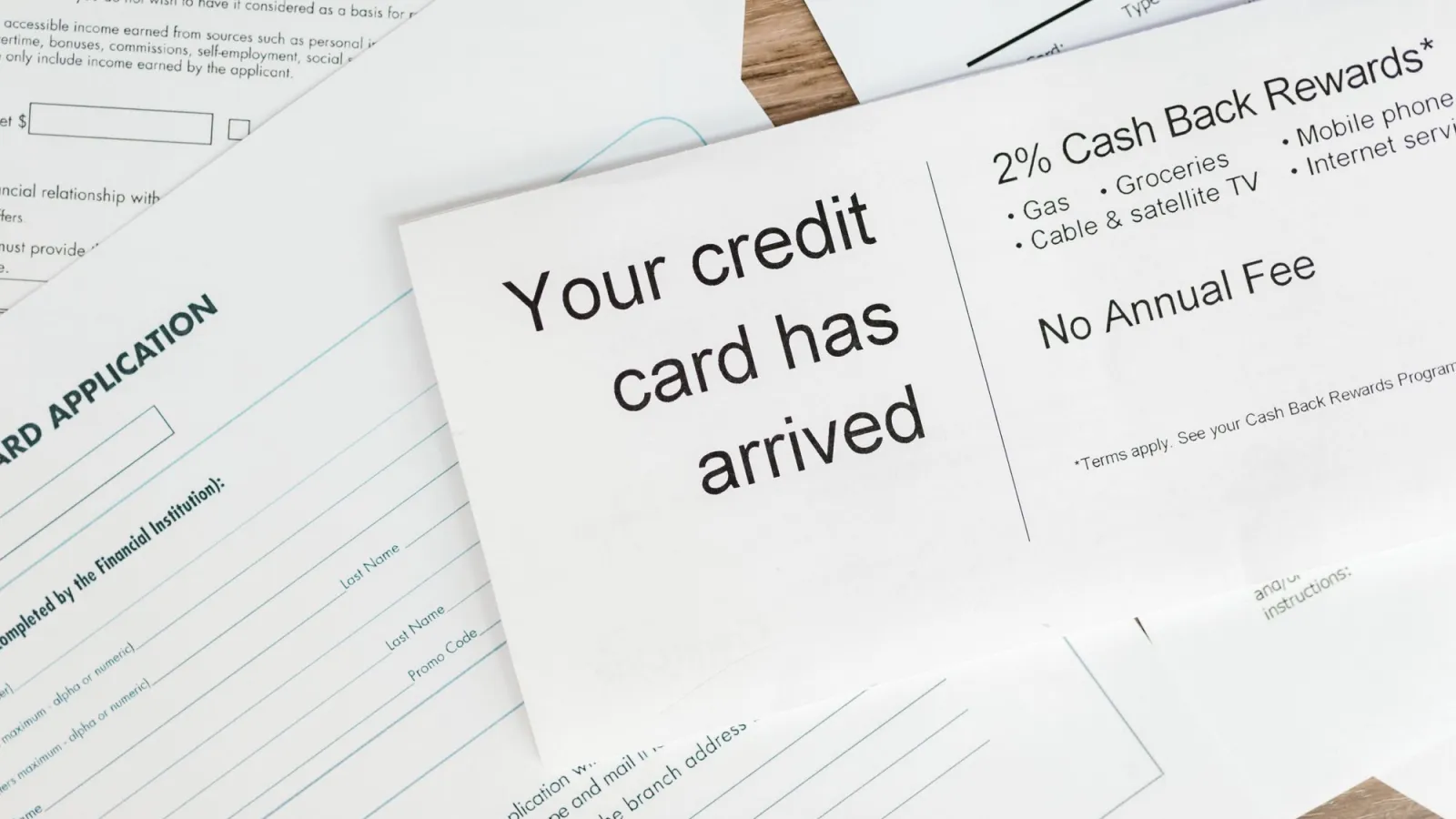
An early payment may not account for information you do not yet have, such as the full extent of your injuries, treatment needs, or vehicle damage. You can ask how the insurer calculated its offer and what claims the proposed release would resolve. Avoid signing a document you do not understand or relying on a verbal summary instead of reading the document.
Keep the conversation factual and courteous, but you do not need to decide on the spot. If the insurer gives you a response date or says a document needs prompt attention, ask for that information in writing and make a note of it. Deadlines and the effect of a release can vary with the facts and applicable law.
- Request the offer and release in writing.
- Check what claims and expenses the release covers.
- Keep a copy of every document you sign or send.
How can you prepare for the next conversation?
Prepare by organizing the information you have and making a short list of questions for the adjuster. Gather relevant claim letters, photographs, repair estimates, and records of your communications. Keep original documents and send copies unless the insurer explains why it needs an original.
Write down your recollection of the collision while it is fresh, distinguishing what you saw from what you inferred. Note any changes in your symptoms and keep records of related expenses. Do not alter photographs or records, and avoid posting detailed commentary about the claim publicly.
Before another call, decide what you are ready to discuss and what you need to check first. You can ask for questions in writing or request time to review them. If you want a professional review of an insurance offer, communication, or possible deadlines, you can request a Consultation.
- Create a file for claim letters, call notes, and supporting records.
- Write down questions and information you still need to verify.
- After each conversation, note what was discussed and any requested follow-up.
Can the rules differ depending on where the crash happened?
Yes. State law can affect fault rules, deadlines for claims, limits on certain damages, and notice requirements. The rules that apply may also depend on where the crash occurred and the type of claim involved.

Because no state or crash details are provided here, this is general information rather than a calculation of your deadline or a determination of fault. Check the rules that apply to your circumstances promptly, since deadlines can be short.
Frequently Asked Questions
Is the adjuster calling on behalf of my insurance company?
If the adjuster works for the other driver’s insurer, the adjuster represents that insurer in handling its policyholder’s claim. Ask which company they work for and whether they are calling about a claim under that policy or your own policy.
Can I ask the insurer to communicate in writing?
You can ask the adjuster to send requests, claim details, and offers in writing. Written communication can help you review what is being requested and keep a clear record, though the insurer may still contact you by phone.
What if I already gave the adjuster an answer I regret?
Write down what you recall saying and when the conversation happened. If you believe something was inaccurate or incomplete, contact the adjuster to clarify it and keep a copy of your follow-up. Avoid changing or embellishing facts.
Can the insurer ask for medical or repair records?
The insurer may request records related to the claim, but the scope of a request matters. Ask what records are being requested and why, and review any authorization carefully before signing it.
What should I do if I do not know the answer to a question?
Say that you do not know or cannot recall rather than guessing. You can ask to check your records and follow up later if the information is available.
Next Steps
Request a free case evaluation to discuss the call, review an insurance offer, or check for possible deadlines. Bring any letters, proposed releases, and notes from your conversations so they can be considered. Have an attorney review your insurance offer
Related Guides

Related Blog

Colorado Motorcycle Crash: Does Lane Filtering Make Me at Fault?
Lane filtering alone does not decide fault after a Colorado motorcycle crash. The circumstances, applicable rules, evidence, and Colorado’s comparative-fault system all matter.

Hit by a Drunk Driver in Ohio: Can I Sue the Bar?
A bar is not automatically liable when a customer drives drunk. Whether you can bring a claim depends on the facts, evidence, and Ohio law.

Can I Sue the Other Driver in Florida, or Am I Stuck With PIP?
PIP may cover some losses after a Florida crash, but it does not automatically prevent a claim against another driver. The facts, available evidence, and Florida’s fault rules matter.
