


In this blog
- Why would an insurance company hire an investigator to follow you?
- Can an investigator record you without your permission?
- How should you respond if you notice surveillance?
- Can social media posts affect your car accident claim?
- What if the insurer uses footage to challenge your claim?
- Which state rules may affect an insurance investigation?
- Frequently Asked Questions
- Next Steps
“I was hurt in a crash, and now I think someone is watching me.” An insurance company may hire an investigator to check information related to your car accident claim, but seeing an investigator does not decide whether your claim is valid. Stay calm, be truthful, keep relevant records, and get help understanding any footage or requests.
Key Facts
- An insurer may investigate a claim by gathering information or observing publicly visible activity.
- Surveillance footage may show only a brief moment and may not reflect your full symptoms or limitations.
- Your words, medical records, and claim documents should be accurate and consistent.
- Do not alter or destroy relevant posts, messages, or other evidence.
- Rules about surveillance, privacy, and claims vary by state.
Why would an insurance company hire an investigator to follow you?
An insurer may hire an investigator to gather information about your activities and compare it with statements or records connected to your claim. If you are pursuing a claim after a car accident, the company may be looking into the nature of your injuries, your reported limitations, or details about how the crash happened.
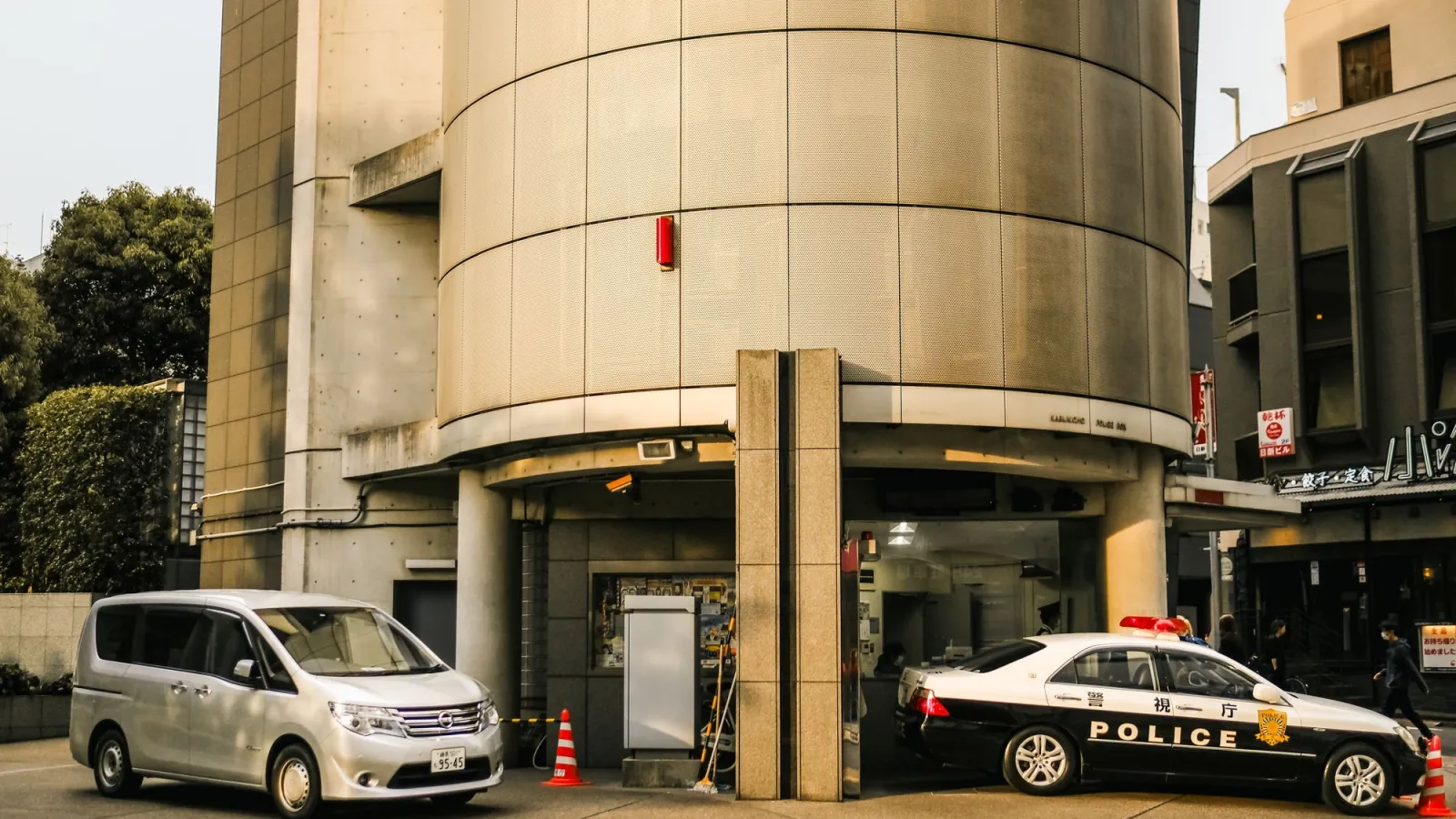
An investigation does not, by itself, prove that you exaggerated an injury or did anything wrong. An investigator might observe you in a public place, take photographs or video, or look for information that is already publicly available. The insurer may use what it gathers when evaluating the claim, but a short recording may not explain what happened before or after the camera was on.
You may not know for certain that someone is following you. A vehicle or person you notice could have an unrelated reason to be nearby. Avoid confronting or threatening anyone based on a suspicion; if you feel unsafe, move to a safe place and contact appropriate authorities.
Can an investigator record you without your permission?
Whether an investigator may observe or record you depends on the location, the method used, and the laws that apply where it happens. In general, activity visible from a public place may be treated differently from conduct inside a private space, but the details are state-specific. A recording’s legality and whether it can be used in a claim are separate questions.

Do not assume that every recording is lawful, or that every recording is unlawful. If you suspect someone entered private property, used a device in an intrusive way, or recorded a private conversation, write down what you observed while it is fresh. Keep the account factual: note the place, approximate time, and conduct, without guessing at the person’s identity or purpose.
If an insurer presents footage or refers to an investigation, ask for the material and context through the appropriate claim process. Avoid posting accusations online or trying to obtain information by following the investigator yourself. If the conduct raises a privacy concern, a lawyer familiar with the rules where you live can help assess the issue.
How should you respond if you notice surveillance?
If you notice possible surveillance, stay calm, continue ordinary activities within your real abilities, and make a factual record of what you observed. You do not need to perform for a camera or change your account to appear more or less injured. Your health and safety come first; do not attempt to confront or evade someone in a way that could create danger.

Use a simple process to preserve what you know and handle contact from the insurer:
steps: ["Write down what you personally noticed, including where and when, and keep the note with your claim records.", "Save relevant messages, letters, and claim documents; do not edit or delete material to shape how it looks.", "Answer questions truthfully, and do not guess when you do not know an answer.", "Before signing a statement or release, understand what it says and what information or rights it covers."]
A routine insurance call does not necessarily require you to discuss every detail immediately. You can ask who is contacting you, what information they need, and whether the request can be made in writing. If the contact feels threatening, unusually intrusive, or confusing, preserve the communication and seek an explanation before responding further.
Can social media posts affect your car accident claim?
Public posts, photographs, and other online material may become part of how an insurer evaluates a claim, especially if they appear to conflict with what you reported about an injury or activity. A single image rarely tells the whole story: it may not show pain afterward, the help you needed, or how often you could do the activity.
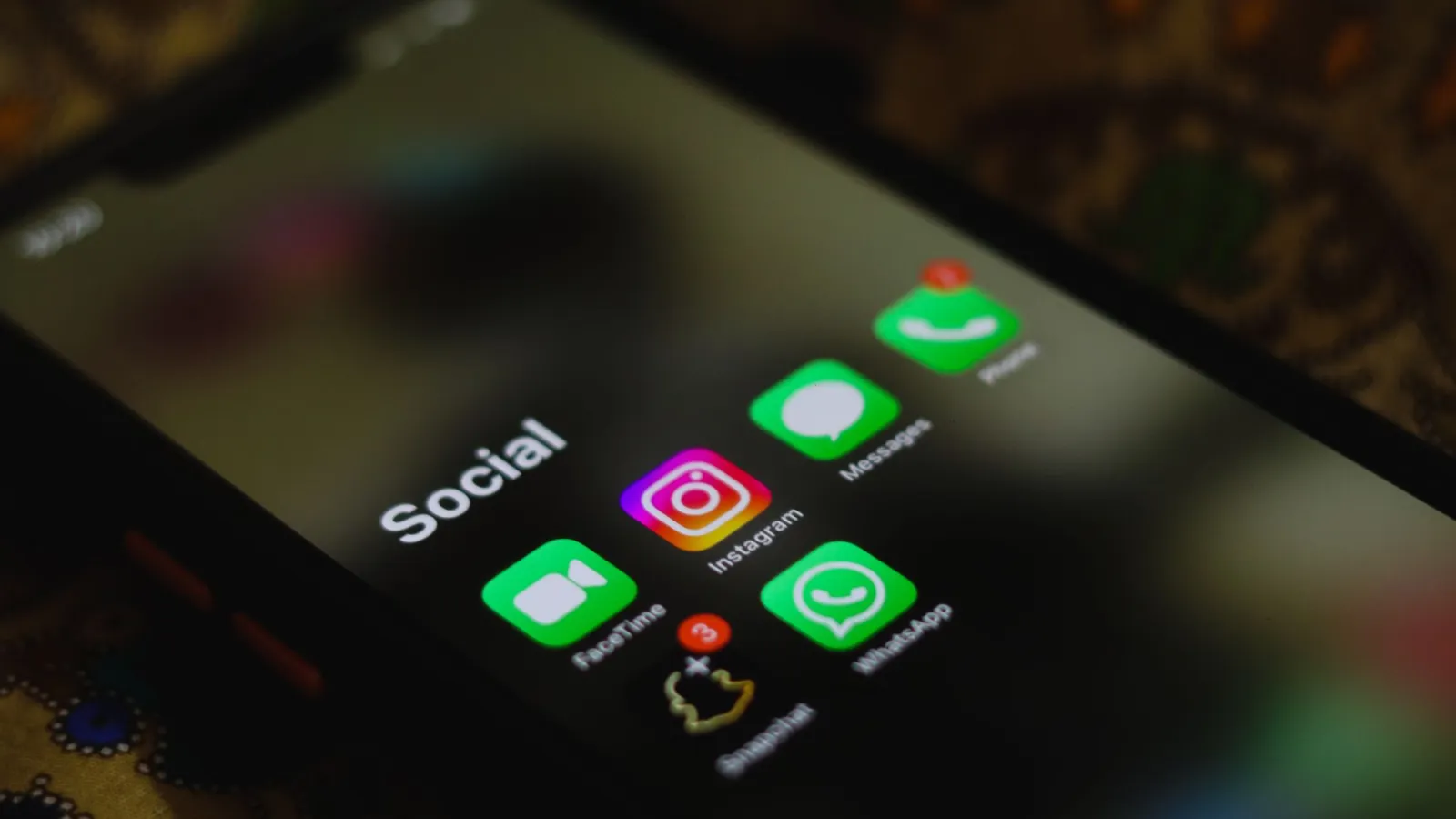
Be accurate when describing your symptoms and limitations to medical providers and others involved in your claim. If a post seems misleading without its context, preserve the original information and explain the circumstances truthfully rather than trying to cover it up. Avoid deleting or changing relevant content once you know it may relate to the claim.
Review your privacy settings, but do not assume that a private account makes every post inaccessible or unusable. Ask friends and family not to post misleading descriptions of your health or activities, and do not ask anyone to remove material to hide evidence. If your crash involved Rear-End Collisions, online material is only one possible part of a broader review of the collision and your injuries.
What if the insurer uses footage to challenge your claim?
If an insurer relies on footage to question your claim, ask what specific activity it says is inconsistent with your reported injury or limitations. A clip may be incomplete, lack context, or show an activity that is compatible with your medical condition. Do not assume that the footage settles the facts, but take the insurer’s stated concern seriously and respond accurately.
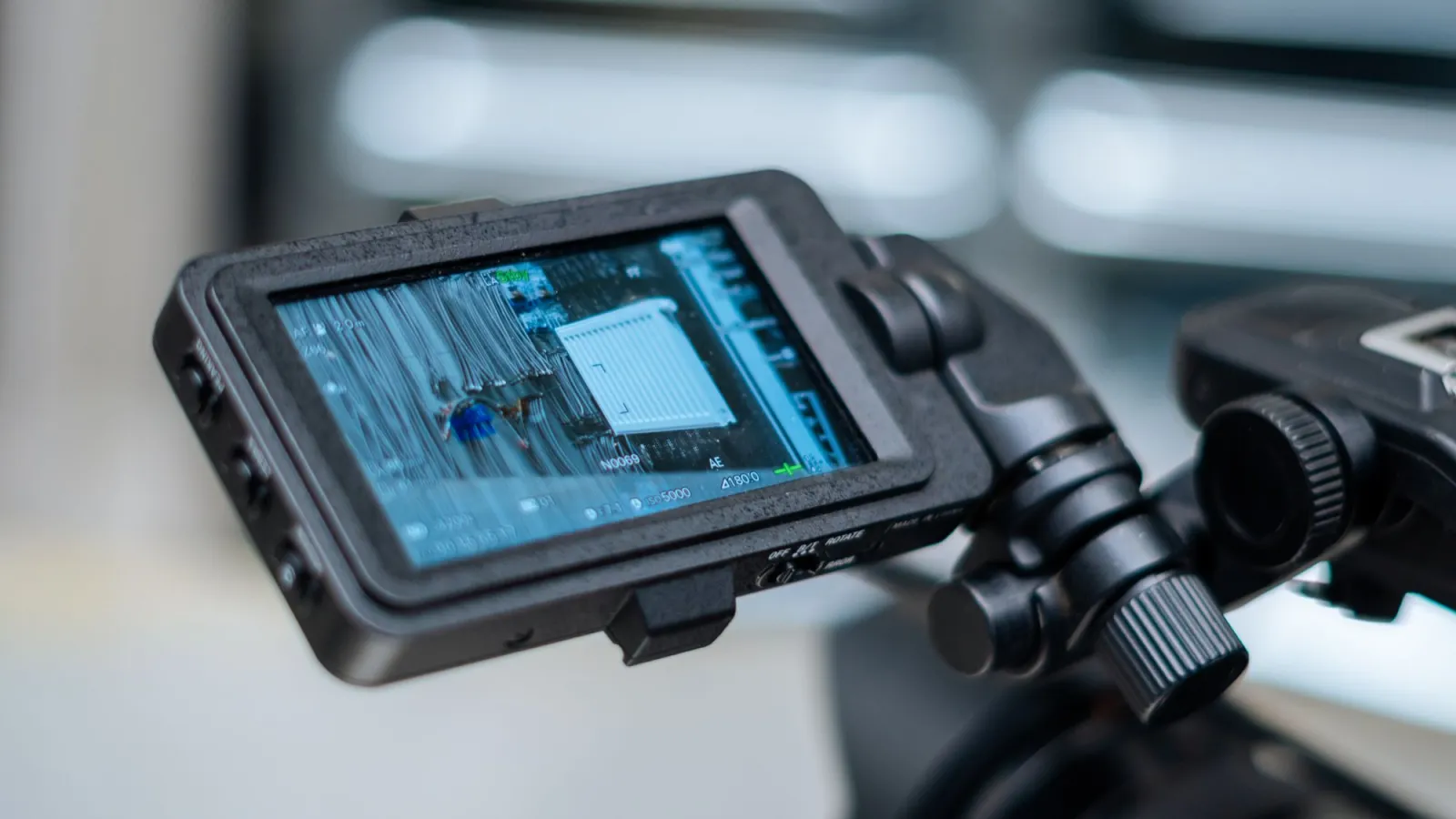
Compare the insurer’s description with your own records, such as appointment notes, communications, and a personal account of the activity. Keep the original documents and avoid making changes after a dispute arises. If you cannot remember a detail, say so rather than filling in a gap with a guess.
You can ask for an opportunity to review the material and explain the surrounding circumstances. If the insurer makes an offer or requests a statement, consider getting help to understand what the request means before deciding how to respond. A Consultation can help you review the claim communications and identify questions about the footage, documentation, or terms of an offer.
Which state rules may affect an insurance investigation?
State law can affect how an investigation is conducted and how information from it may be used. Privacy and recording rules can differ, and states also vary in fault rules, claim deadlines, damage caps, and notice requirements. The applicable rules may depend on where the crash or recording occurred and the type of claim.
Because no state is specified here, this information cannot identify the deadline or rules that apply to your situation. Check the rules for the relevant location and claim type, especially before signing a release or allowing a deadline to pass. A local legal professional can help you understand which rules apply to your circumstances.
Frequently Asked Questions
Does being followed mean the insurer thinks I am committing fraud?
Not necessarily. An insurer may investigate to verify details or evaluate a claim, and surveillance alone does not establish fraud. Keep your statements and records accurate, and ask what specific concern the insurer has raised.
Do I have to speak with an investigator?
The answer can depend on who the investigator represents and the circumstances of the contact. You can ask for the person’s name, the company they represent, and the purpose of the request. If you are unsure what to disclose, get help understanding the request before answering.
Should I stop doing normal activities while my claim is open?
Do not change your routine just to influence what an investigator might see. Follow your medical guidance and act within your actual abilities. Describe your symptoms and limitations honestly, including any variation from day to day.
Can I ask the insurer for a copy of its surveillance footage?
You can ask whether the insurer will provide the footage and how to request it, but access may depend on the claim process and applicable rules. Keep the request and any response with your records. If the insurer relies on footage, ask what specific point it is using it to support.
Next Steps
If you have been contacted by an investigator or received an insurance offer, gather the relevant messages, records, and claim documents for review. Contact our team for a free case evaluation, an insurance-offer review, or a check of deadlines that may apply. Have an attorney review your insurance offer
Related Guides

Related Blog

Colorado Motorcycle Crash: Does Lane Filtering Make Me at Fault?
Lane filtering alone does not decide fault after a Colorado motorcycle crash. The circumstances, applicable rules, evidence, and Colorado’s comparative-fault system all matter.

Hit by a Drunk Driver in Ohio: Can I Sue the Bar?
A bar is not automatically liable when a customer drives drunk. Whether you can bring a claim depends on the facts, evidence, and Ohio law.
Can I Sue the Other Driver in Florida, or Am I Stuck With PIP?
PIP may cover some losses after a Florida crash, but it does not automatically prevent a claim against another driver. The facts, available evidence, and Florida’s fault rules matter.
