


In this blog
- What should you do when an adjuster asks for a recorded statement?
- Why does the insurer want your recorded statement?
- How can you respond if you are not ready to speak?
- How can you prepare if you decide to give a statement?
- Can the rules differ depending on where the crash happened?
- Frequently Asked Questions
- Next Steps
“The adjuster called and wants to record my version of the crash. Do I have to do it now?” Usually, you can ask for time and find out whether the adjuster represents your insurer or another driver’s insurer. Your policy may require cooperation with your own insurer, while requests from the other driver’s insurer are different. Don’t guess or feel rushed.
Key Facts
- Ask which insurance company the adjuster represents and whose claim is being handled.
- Your own policy may require you to cooperate with your insurer.
- A request from another driver’s insurer does not automatically mean you must give a statement immediately.
- You can ask what topics the adjuster wants to cover and whether the conversation will be recorded.
- If you do give a statement, stick to what you personally know and correct mistakes promptly.
What should you do when an adjuster asks for a recorded statement?
You do not have to answer on the spot just because an adjuster asks for a recorded statement. First, find out whether the adjuster works for your own insurer or the other driver’s insurer, and ask what claim the statement concerns.
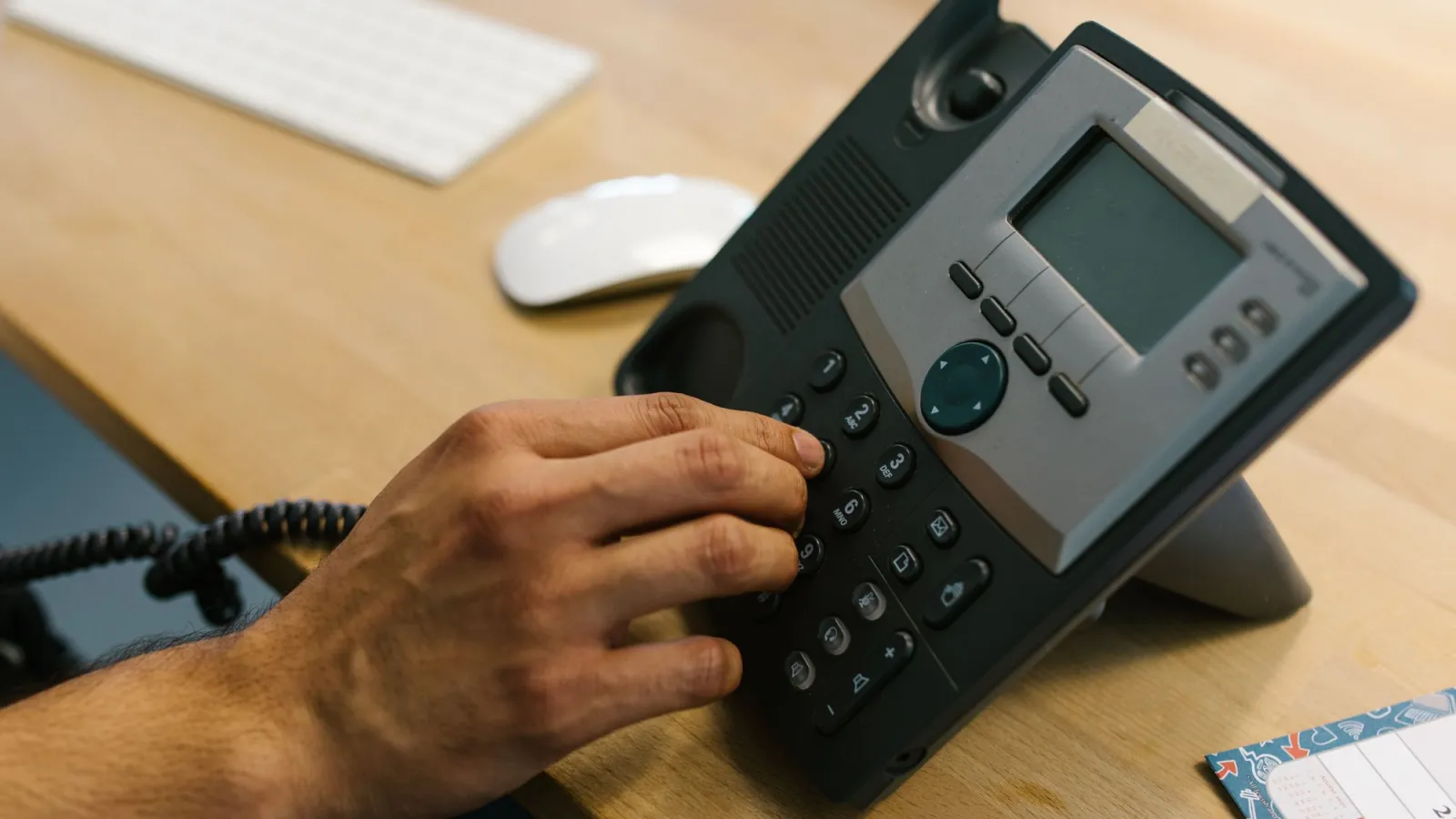
If the request comes from your insurer, check your policy and ask the adjuster to explain what cooperation is required. If it comes from another driver’s insurer, you can ask for time to understand the request before deciding how to respond. The rules and your obligations may depend on the circumstances and your policy.
You can be polite without agreeing to an immediate recording. Ask the adjuster to send the request in writing, explain the subjects they want to discuss, and give you time to review your notes or seek guidance. Avoid speculating about speed, distance, injuries, or other details you do not remember clearly.
- Confirm the adjuster’s name, company, contact information, and the claim involved.
- Ask whether the statement will be recorded and who may receive or use it.
- Request time to review your policy and prepare before setting a time to speak.
Why does the insurer want your recorded statement?
An insurer may request a recorded statement to collect your account of the collision and evaluate a claim. The adjuster may ask about what happened before impact, the damage, your injuries, and what you did afterward.

The request is part of the insurer’s information-gathering process; it does not mean the insurer has accepted responsibility or decided what a claim is worth. Your answers may be compared with documents, photographs, witness accounts, or other statements. An unclear or mistaken answer can create confusion, even when you are trying to be helpful.
For example, after a rear-end collision, an adjuster might ask about traffic, where the vehicles were, and whether you noticed symptoms at the scene. Answer only from your own memory. If you do not know or cannot recall something, say so rather than filling in a gap.
- The adjuster may ask about the collision, vehicle damage, and your injuries.
- A request is not the same as an admission of fault or a claim decision.
- You can ask for clarification if a question is confusing or too broad.
How can you respond if you are not ready to speak?
You can tell the adjuster you are not ready to give a recorded statement and ask to discuss the request later. Keep your response calm and factual; you do not need to argue about fault or explain every detail during an unexpected call.
Write down the adjuster’s name, company, phone number, and claim information, then ask for the request and any proposed topics in writing. If you have questions about a request from your own insurer, review your policy and ask the insurer to point out the relevant cooperation requirements. Do not ignore communications or assume that every request has the same rules.
You can also explain that you are still receiving medical care or are not yet clear about what you remember. If you have injuries from a car accident, your condition and recollection may change as you get more information. You can ask whether the insurer will accept a written update or schedule a later conversation.
- Say that you need time before deciding whether to give a recorded statement.
- Ask for the request, claim details, and proposed topics in writing.
- Keep a record of calls and follow up in a timely way.
How can you prepare if you decide to give a statement?
If you decide to give a recorded statement, prepare by reviewing what you know and separating firsthand memory from information you learned later. You do not need to memorize a script, and guessing to fill a pause can make your account less accurate.
Gather relevant materials you already have, such as photographs, the collision report, and notes about when symptoms began. The adjuster may ask about injuries, but do not minimize symptoms or claim certainty when you are unsure. If the conversation becomes confusing, ask the adjuster to repeat or clarify the question.
Listen carefully before answering and keep your answers focused on the question. Correct yourself if you realize you made a mistake, and ask how you can provide a correction if you notice one after the call. Before agreeing to any written statement or signing a release, understand what it covers and whether it could affect your claim.
- Review your notes and available records before the call.
- Answer from personal knowledge; say when you do not know or remember.
- Ask how to review the recording or correct an inaccurate answer.
Can the rules differ depending on where the crash happened?
Yes. State law can affect fault rules, claim deadlines, damage limits, and notice requirements, while your policy may set separate duties when you make a claim with your own insurer. The rules that apply can also depend on the type of claim and the specific policy language.

Because no state or policy details are provided here, this information is general. Check the policy and get state-specific guidance if you are unsure what a request requires or how it could affect your claim.
Frequently Asked Questions
Can I ask the adjuster to send questions by email?
Yes, you can ask whether the insurer will provide its questions in writing or accept a written account. The insurer may not agree, and a written response can still affect how the claim is evaluated. Keep a copy of anything you send.
What if I already gave an inaccurate answer?
Contact the adjuster promptly and explain what you want to correct or clarify. Be specific about what was wrong and what you now understand to be accurate. Keep a copy of your correction and any response.
Can the adjuster ask about my injuries?
Yes, an adjuster may ask what symptoms you have and when you noticed them. Describe what you know without guessing or overstating how you feel. If you are still being evaluated or treated, explain that your understanding may change.
Should I sign a release during the same call?
You can ask for time to read any release and understand what claims or rights it covers. A release may affect your ability to pursue parts of a claim, so do not sign a document you do not understand. Ask for a copy to review.
Next Steps
If you have received a recorded-statement request or an insurance offer, you can request a free case evaluation to discuss the claim and any deadlines that may apply. Contact us for a consultation and bring the insurer’s letters, your policy, and any notes you have.
Related Guides

Related Blog

Colorado Motorcycle Crash: Does Lane Filtering Make Me at Fault?
Lane filtering alone does not decide fault after a Colorado motorcycle crash. The circumstances, applicable rules, evidence, and Colorado’s comparative-fault system all matter.

Hit by a Drunk Driver in Ohio: Can I Sue the Bar?
A bar is not automatically liable when a customer drives drunk. Whether you can bring a claim depends on the facts, evidence, and Ohio law.

Can I Sue the Other Driver in Florida, or Am I Stuck With PIP?
PIP may cover some losses after a Florida crash, but it does not automatically prevent a claim against another driver. The facts, available evidence, and Florida’s fault rules matter.
