


In this blog
- What does it mean when an adjuster says the policy limit is all you can get?
- What should you check before responding to a policy-limit offer?
- How do you assess whether the offer accounts for your losses?
- Could another policy or responsible party matter?
- When can an independent review help you decide?
- Why can the rules differ depending on where the crash happened?
- Frequently Asked Questions
- Next Steps
“The adjuster says the policy limit is all I can get, and I need to decide now.” If that is your situation, the stated limit may cap what this insurer pays under the policy, but it does not prove your losses are fully valued or rule out other coverage. Get the offer and any release in writing before deciding.
Key Facts
- A policy limit is the maximum an insurer may pay under applicable coverage, subject to the policy terms.
- An offer at the stated limit does not by itself establish the full value of your losses.
- A release may affect claims against the people or entities it names.
- Other policies or potentially responsible parties may be worth identifying.
- State laws can affect fault, deadlines, damage limits, and required notices.
What does it mean when an adjuster says the policy limit is all you can get?
It usually means the adjuster says the insurer will not pay more than the limit available under a particular policy for your claim. The policy wording, coverage type, and circumstances matter, so ask which limit the adjuster means and how it applies to your losses.

A stated limit is not the same thing as a complete assessment of your injuries, expenses, or other losses. It also does not, by itself, answer whether another policy or potentially responsible party may be involved. For example, the facts of a crash, including whether it was a rear-end collision, can matter when identifying who may be responsible.
Ask for the offer and the adjuster’s explanation in writing. Request the relevant coverage information and clarify whether the amount is a settlement offer conditioned on signing a release. Avoid treating a phone statement as the entire picture while important terms remain unclear.
What should you check before responding to a policy-limit offer?
Before responding, check what the offer covers, what it asks you to give up, and whether your losses are sufficiently documented. A settlement may require you to sign a release, which can end claims against the people or entities covered by that document.
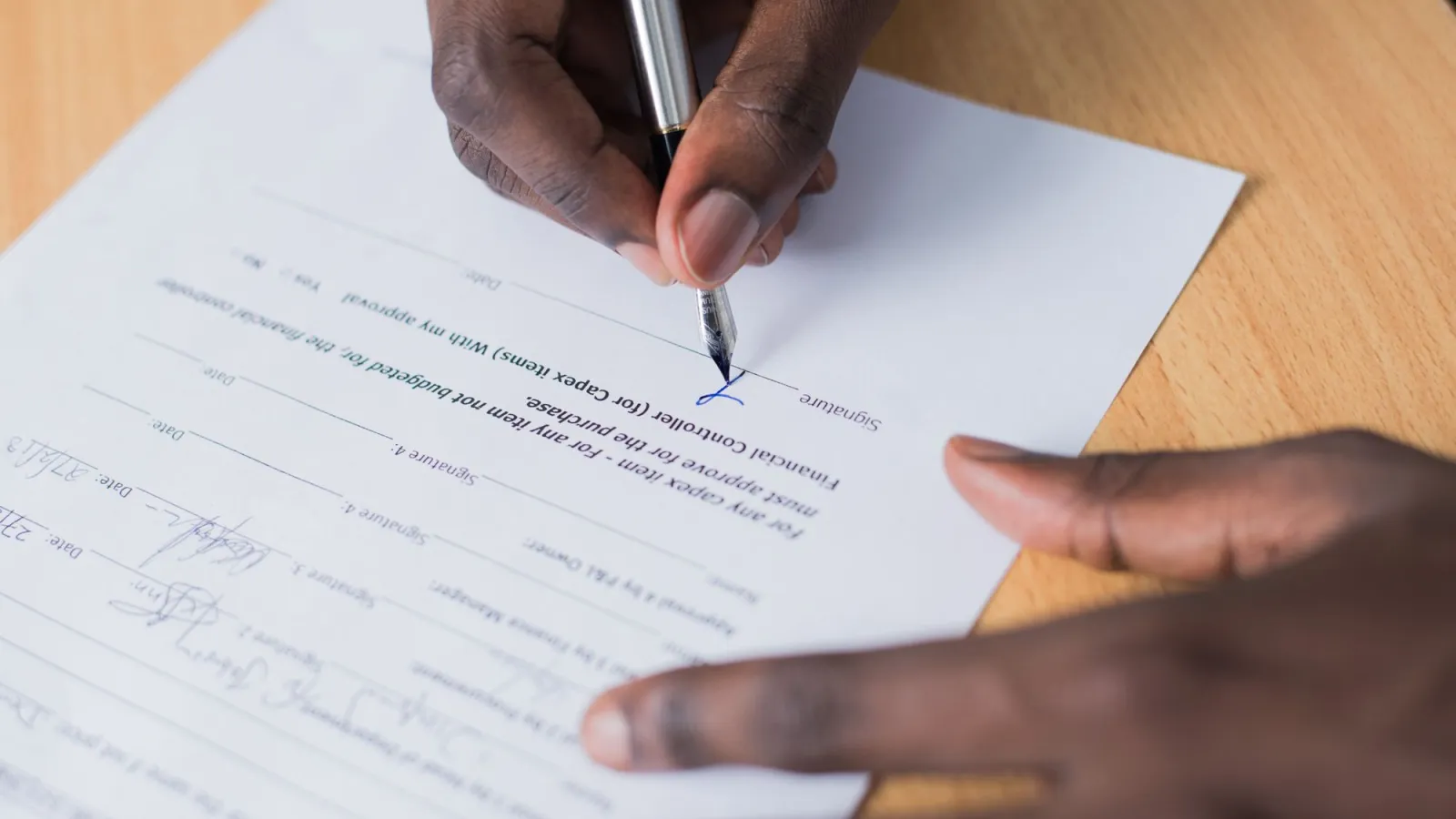
Read the proposed release carefully, including who it names and whether it addresses known or future claims. Consider whether your medical care is ongoing and whether you have records of treatment, bills, missed work, and other effects of the crash. Do not assume an offer covers every loss simply because it is described as the policy limit.
A practical review can follow this order:
- Get the offer, policy-limit explanation, and proposed release in writing.
- Check the release terms and the claims or parties it covers.
- Gather available medical, wage, repair, and other loss records.
- Ask the insurer to clarify anything you do not understand before deciding.
How do you assess whether the offer accounts for your losses?
Compare the offer with the losses you can document and the information still developing about your recovery. Medical expenses and vehicle damage may be easier to calculate than the effects of ongoing treatment, missed work, or changes to daily activities.

Keep records together, including bills, appointment information, repair estimates, wage documents, and notes about how the injuries affect your routine. These records can help you spot gaps or questions to raise with the adjuster. They do not automatically determine what a claim is worth, since the facts and applicable law matter.
If your crash involved serious or complicated circumstances, such as a head-on collision, it may take additional investigation to understand the injuries and responsibility involved. Make a list of what is known, what is uncertain, and what documents are still missing. That can help you evaluate the offer without assuming that the insurer’s stated limit resolves every issue.
Could another policy or responsible party matter?
Yes, another policy or potentially responsible party may be relevant, depending on the crash facts and available coverage. The adjuster’s statement about one policy does not necessarily resolve whether other coverage exists or whether another person or entity may share responsibility.

Possible avenues depend on details such as who was involved, whose vehicle was being used, and what insurance applies. Do not assume a particular policy is available; ask what coverage has been considered and whether the insurer has identified other potentially relevant policies. Keep the response and any coverage explanation in writing.
Your car accident claim may involve questions beyond the first insurer’s offer. If facts are disputed or you are unsure what the proposed release covers, an independent review can help you understand the documents and the questions to investigate. Whether another source of recovery applies depends on the facts, policy language, and state law.
When can an independent review help you decide?
An independent review can help you understand the offer, the release, and what information may be missing before you respond. This can be particularly useful if treatment is ongoing, the insurer has not explained its limit calculation, or the proposed release seems broader than the offer you discussed.

A reviewer can look at the crash information, available insurance documents, loss records, and settlement terms. You can ask whether the offer appears to address the documented losses, whether any other coverage should be investigated, and what timing concerns may apply. A review cannot promise a particular result, and the answer depends on the evidence and governing law.
Bring the offer, release, correspondence, and records you already have to a consultation. If you do not have every document, explain what is missing and ask whether the review can identify what to request. You can then make a more informed decision about how to respond.
Why can the rules differ depending on where the crash happened?
The rules that affect a claim can vary by state, including deadlines, fault rules, damage caps, and notice requirements. Those rules may affect how responsibility is assessed, what losses may be recoverable, or what steps and timing apply.

The policy wording and the circumstances of the crash also matter. A general explanation cannot determine which rules apply to your claim, so confirm the relevant state requirements before relying on a deadline or settlement term.
Frequently Asked Questions
Can an adjuster require you to accept an offer immediately?
An adjuster may ask for a response, but a request to decide quickly does not explain the offer’s terms or the effect of a release. Ask for the offer and release in writing, and take time to understand them before responding.
Does accepting a policy-limit offer automatically settle every claim?
Not necessarily; the effect depends on the settlement documents and the parties or claims they cover. Read the release closely to understand what you would be giving up.
What if you do not yet know the full extent of your injuries?
Ongoing care can mean that some information about your condition and losses is not yet available. Before agreeing to a settlement, consider how the release treats future claims and whether you have enough information to assess your losses.
Can you ask the insurer to explain its policy-limit position?
Yes. You can ask which coverage and limit the adjuster is referring to, how the offer is structured, and what documents or terms are required to accept it. Request the explanation in writing.
What documents are useful for an offer review?
Useful materials may include the written offer, proposed release, insurer correspondence, medical records and bills, wage information, and repair documents. If something is unavailable, note that and ask what else may help assess the offer.
Next Steps
Request a free case evaluation to have an insurance offer and release reviewed, and to ask about deadlines that may apply to your claim. Bring the documents you have so you can discuss possible next steps. Have an attorney review your insurance offer

Related Blog

Colorado Motorcycle Crash: Does Lane Filtering Make Me at Fault?
Lane filtering alone does not decide fault after a Colorado motorcycle crash. The circumstances, applicable rules, evidence, and Colorado’s comparative-fault system all matter.

Hit by a Drunk Driver in Ohio: Can I Sue the Bar?
A bar is not automatically liable when a customer drives drunk. Whether you can bring a claim depends on the facts, evidence, and Ohio law.

Can I Sue the Other Driver in Florida, or Am I Stuck With PIP?
PIP may cover some losses after a Florida crash, but it does not automatically prevent a claim against another driver. The facts, available evidence, and Florida’s fault rules matter.
